
Some matters can be advised away.
Others have to be argued.
Cheah Menon is a disputes practice built for the second kind — commercial litigation, arbitration and adjudication, and the difficult questions that arrive with a deadline attached. We do contentious work, and nothing else.
We are not a full-service firm with a litigation team bolted on. Disputes are all we do, so a partner who argues cases runs your matter from the first call.
A complimentary 30-minute consultation to scope your matter and tell you, plainly, whether it is worth pursuing and what it is likely to involve — before you commit to anything.
Contentious work is billed on time actually worked, or an agreed fixed fee for a defined stage. Percentage and contingency fees are not permitted for litigation in Malaysia — and we would not want them.
Assess your dispute
Answer three quick questions and we will indicate the likely forum, the first steps, and which of our teams handles it. This is a guide only — not legal advice, and never a substitute for speaking to us.
This is general guidance produced from your answers, not legal advice, and does not create a solicitor–client relationship. The right forum depends on your contract and the full facts.
Seven kinds of dispute, one way of working.
Whatever the subject, the method is the same: find the two or three issues that decide the matter, and press them. Choose the area closest to yours.
A note on what we have argued.
A selection of anonymised matters, described within the bounds the Bar’s publicity rules allow. We do not publish client names, comparisons or claims of success.
Acted as counsel for an EPC contractor in an AIAC arbitration arising from a power-plant project, on a claim exceeding RM 90 million for delay, variations and prolongation costs.
Represented a syndicate lender opposing a proposed scheme of arrangement and restraining order under ss.366 and 368 of the Companies Act 2016.
Recovered a certified progress payment for a mechanical subcontractor by statutory adjudication under CIPAA 2012, and enforced the decision as a judgment under s.28.
Acted for a minority shareholder in a s.346 oppression petition, obtaining a court-ordered buy-out at a valuation determined on the company’s audited accounts.
Counsel who argue their own cases.
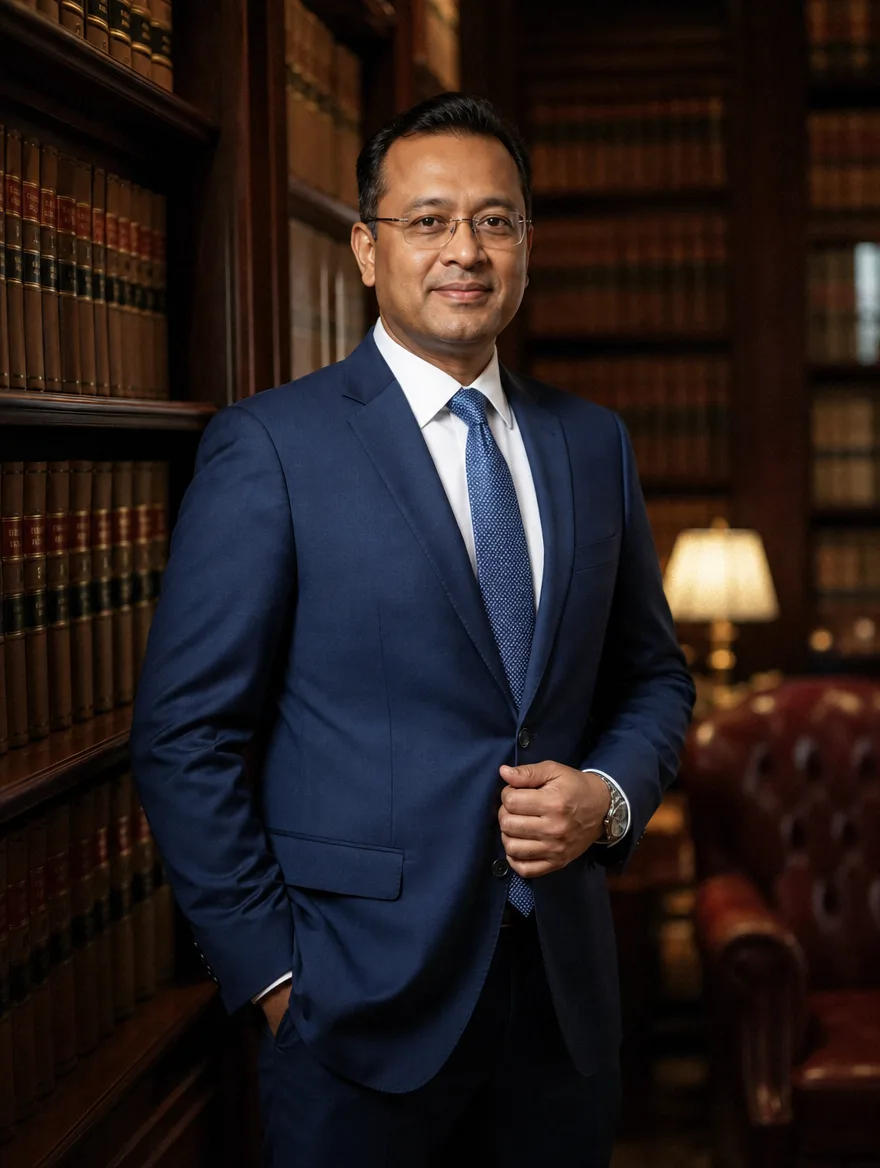
A deliberately small firm of 21, led by 5 partners. You will meet the people who will actually run your matter — not be introduced to them later.

Aravind Menon

What the independent directories say.
The Bar’s publicity rules do not permit us to publish client testimonials or claims that we are “the best”. Instead, here is what the independent legal directories have written, quoted as published.

A pure disputes practice that punches above its size; counsel are described as “thoroughly prepared and unflustered on their feet.”
Recommended for “a disciplined, evidence-first approach to complex commercial litigation and construction arbitration.”
Noted as a “disputes-only firm the market takes seriously,” with a “deep bench for its size in adjudication.”
Highlighted for restructuring and shareholder-dispute work “handled with unusual economy.”
Written for the person with the problem.
Plain-English notes on the disputes questions we are asked most — limitation, forum, oppression — written to be useful before you ever call a lawyer.

When does a commercial claim expire? A plain guide to limitation in Malaysia
Most commercial claims must be brought within six years — but the clock starts earlier than people think, and a missed deadline is usually the end of the matter. A practical guide to the Limitation Act 1953.

Adjudication, arbitration or court: choosing a forum for a construction payment dispute
A contractor who has not been paid usually has three routes: statutory adjudication under CIPAA, arbitration, or the courts. They are not alternatives so much as tools for different jobs. How to choose.
Frozen out of your own company: minority-oppression petitions under section 346
You own a real stake in the business you helped build — and you have been shut out of it. Section 346 of the Companies Act 2016 exists for exactly this. What it can do, and what a court will want to see.