Melasma in Malaysia: why sunscreen is half the treatment
Every week, a patient sits across from me frustrated that her melasma returned after an expensive course of treatment at another clinic. When I ask about sunscreen, the answer is usually some version of: "I use it when I'm outdoors."
In Malaysia, that sentence explains the relapse almost by itself.
Melasma is a light-driven condition
Melasma isn't a stain you remove; it's overactive pigment cells you calm down. Those melanocytes respond to three main triggers: hormones (pregnancy, some contraceptives), heat, and — most powerfully and most controllably — light.
Kuala Lumpur's UV index sits between 8 and 12 for most of the year. For comparison, a London summer peaks around 6 – 7. We live under equatorial sun, twelve months a year, and the exposure that matters isn't the beach trip you plan for. It's the accumulated dose: the drive to work with sun on your right cheek, the walk to lunch, the seat by the office window.
I've treated more than one patient whose melasma was measurably worse on the driver's-side half of her face. Window glass blocks UVB but lets through most UVA — the ageing, pigment-triggering wavelengths.
Visible light: the trigger your sunscreen ignores
Here's the newer science that changed how we prescribe: in deeper skin tones — which describes most Malaysians — visible light, not just UV, stimulates melasma. Ordinary "invisible" sunscreens, even excellent SPF 50 ones, do very little against visible light.
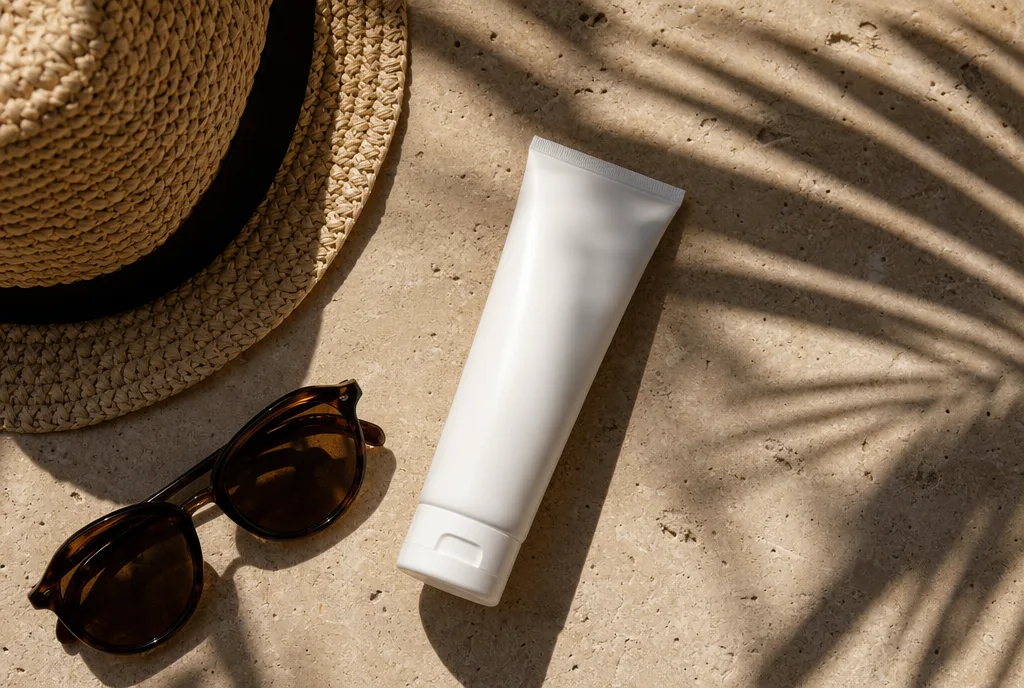
What blocks it? Iron oxides — the pigments in tinted sunscreens. This is why my melasma patients leave with a specific instruction: a tinted, broad-spectrum SPF 50 sunscreen with iron oxides, worn every single day, indoors and out, reapplied at lunch. The tint isn't cosmetic. It's the active ingredient your untinted sunscreen is missing.
What a realistic melasma programme looks like
At Avelia we stage melasma care deliberately — you can see the full structure on our pigmentation page, but in short:
- Weeks 0 – 8: stabilise. Tinted photoprotection plus prescription lightening therapy, and oral tranexamic acid for suitable patients. No laser. Patients are often surprised how much fades in this phase alone.
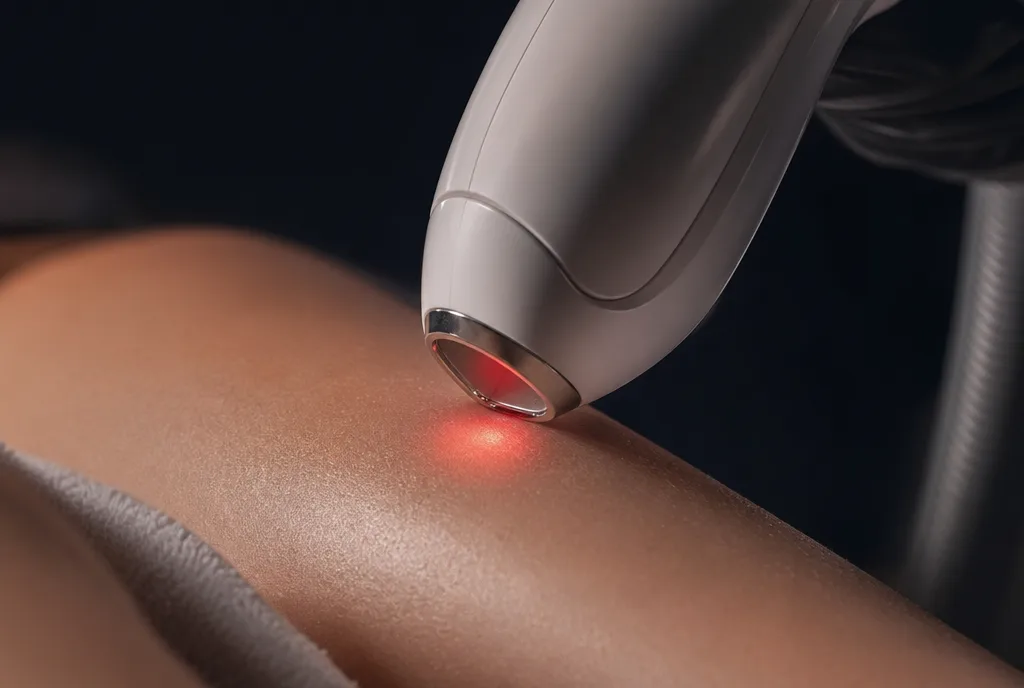
- Then, if needed: low-fluence laser. Gentle pico sessions to accelerate clearing — never as a first step, because lasering unstable melasma is how it comes back darker.
- Forever: maintenance. I tell every patient on day one: melasma is controlled, not cured. The clinics that promise otherwise are booking your relapse appointment in advance.
Choosing a sunscreen you'll actually wear
The best sunscreen is the one that's still on your face at 3pm. My practical checklist for Malaysian weather:
- SPF 50+, PA++++ (the PA rating covers UVA)
- Tinted, with iron oxides on the ingredient list
- Light enough that you'll reapply — cushion and stick formats make lunchtime top-ups painless over makeup
- About a two-finger length for the face. Most people apply a third of the tested dose and get a third of the protection.
None of this requires expensive brands — it requires the right ingredient list and daily consistency. Bring whatever you're using to your consultation and we'll tell you honestly whether it's working for you or against you.
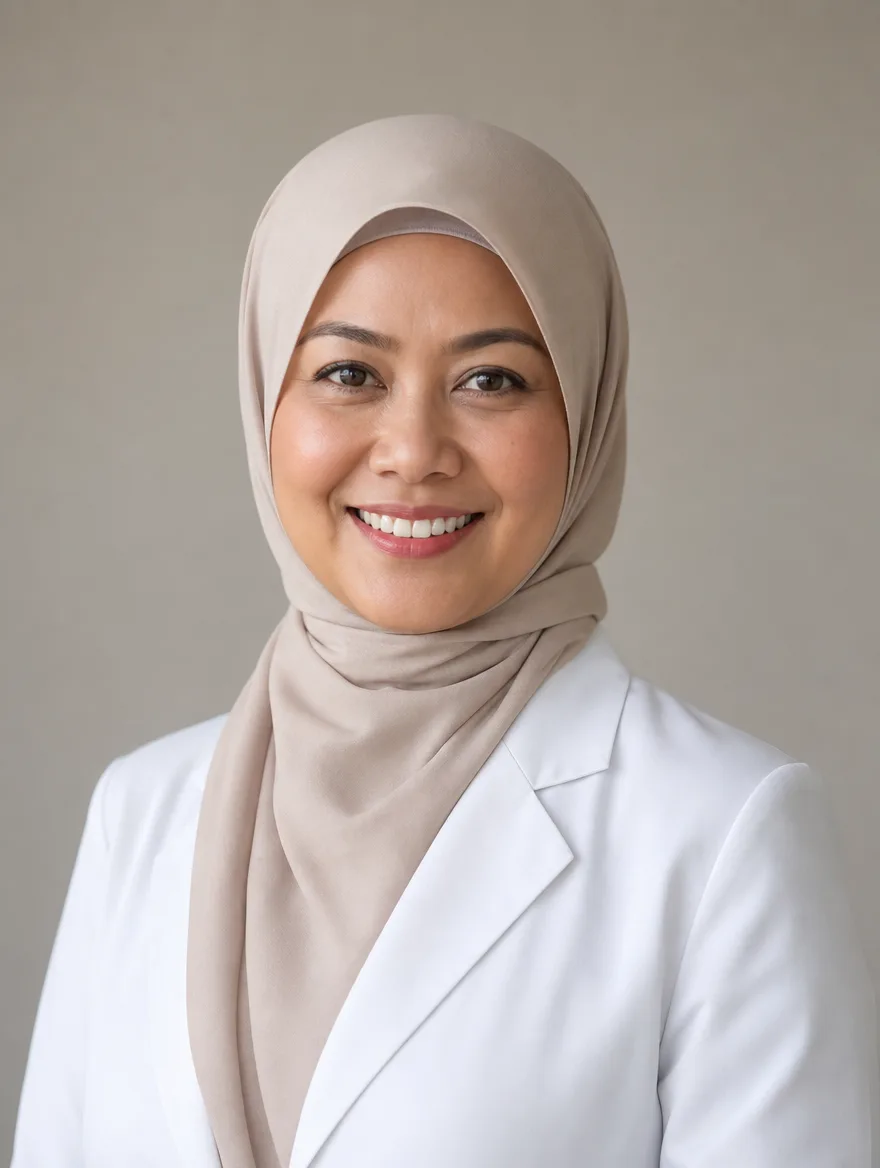
Nurul leads our KL flagship and the group’s pigmentation clinic. She lectures on laser safety for the Malaysian Society of Aesthetic Medicine’s CPD series and has delivered over 9,000 laser sessions.