Pico vs Q-switched lasers for pigmentation: what actually matters
Walk into any Malaysian aesthetic clinic asking about pigmentation and you'll hear two words within minutes: pico and Q-switched. One session of pico typically costs RM 100 – 200 more. Patients reasonably ask: is the difference marketing, or physics?
It's physics — but the physics doesn't always favour the expensive option. Let me explain how I actually choose between them in clinic.
What both lasers do
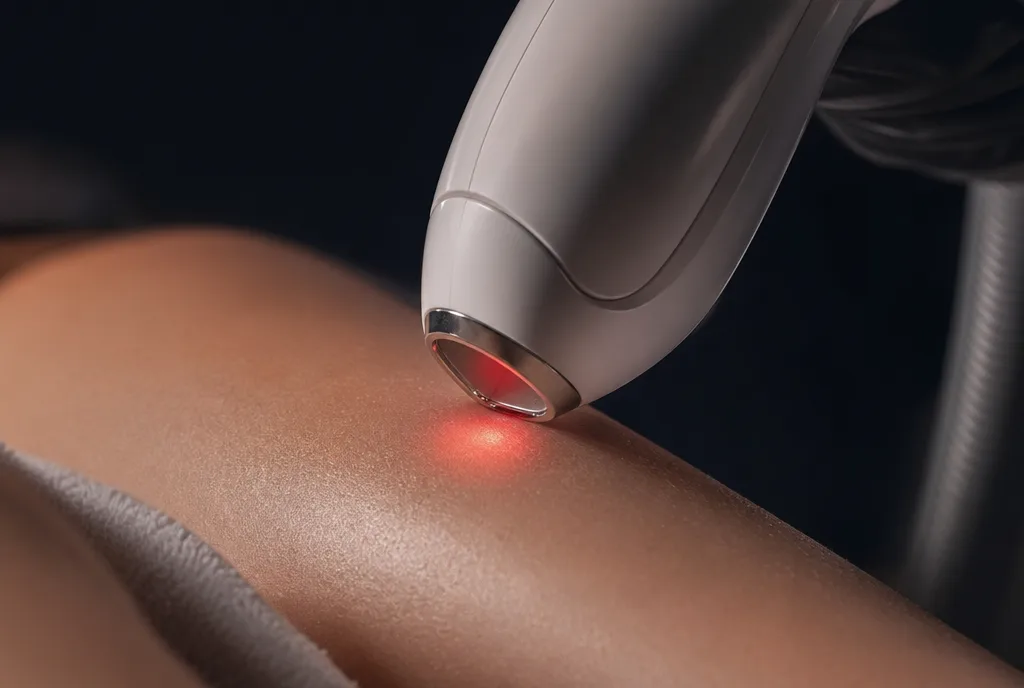
Both are pigment-selective lasers: they fire light at wavelengths absorbed preferentially by melanin, shattering pigment particles into fragments small enough for your immune cells to carry away. The difference is pulse duration — how long each burst of energy lasts.
A Q-switched laser delivers energy in nanoseconds (billionths of a second). A pico laser delivers it in picoseconds — roughly ten times shorter. That shorter pulse matters for one main reason: it breaks pigment more by mechanical shockwave than by heat.
Why less heat matters in Malaysia
Here's the part that's specific to us. Malaysian skin is mostly Fitzpatrick type III to V — which means the skin surrounding your sun spot is itself rich in melanin. Any heat that leaks beyond the target can provoke the surrounding skin into producing more pigment. This is post-inflammatory hyperpigmentation (PIH), and it's the most common laser complication I see in patients who come to us from elsewhere.
Because pico pulses convert more energy into mechanical fracture and less into heat, they leave a smaller thermal footprint. In darker skin, that translates into a lower PIH risk at equivalent clearing power, and the ability to treat conditions — like melasma maintenance — where heat is the enemy.
So is Q-switched obsolete?
No — and this is where I'll defend the cheaper machine. For discrete, well-defined epidermal lesions on a patient with stable, non-reactive skin — think a handful of solar lentigines on the cheekbones — a properly-set Q-switched Nd:YAG clears them beautifully, often in one to three sessions, at RM 350 per session instead of RM 480.
Where I insist on pico:
- Melasma — only ever low-fluence pico, only after weeks of topical stabilisation, and even then as the supporting act to medication rather than the star.
- PIH and post-acne marks — skin that has already proven it over-reacts to inflammation deserves the gentler pulse.
- Reactive or previously-burned skin — patients who had a bad experience with aggressive settings elsewhere.
- Dermal pigment (Hori's naevus and similar) — deeper targets benefit from the pico shockwave effect.
The settings matter more than the machine
An uncomfortable truth for our industry: a well-operated Q-switched laser beats a badly-operated pico every day of the week. Fluence (energy density), spot size, and treatment intervals decide outcomes and complications far more than the logo on the machine. This is why all laser work at Avelia is performed by doctors, why we photograph before every session, and why we lengthen intervals the moment skin looks even slightly irritable.
When you're comparing clinics, the questions worth asking aren't "pico or Q-switched?" but:
- Who operates the laser — a doctor or a therapist?
- What happens if my skin darkens after a session? (The answer should include a concrete protocol, not reassurance.)
- Will you diagnose my pigment type before quoting a package?
What it costs, plainly
At Avelia: Q-switched sessions are RM 350 (three for RM 930); pico sessions are RM 480 (three for RM 1,290). Discrete sun spots usually need 1 – 3 sessions. Post-acne marks, 3 – 4. Melasma is a programme, not a session count — read our pigmentation page for the honest version.
If you're not sure which category your pigmentation falls into, that's precisely what the RM 60 consultation is for — and it's waived if you go ahead with treatment the same day.
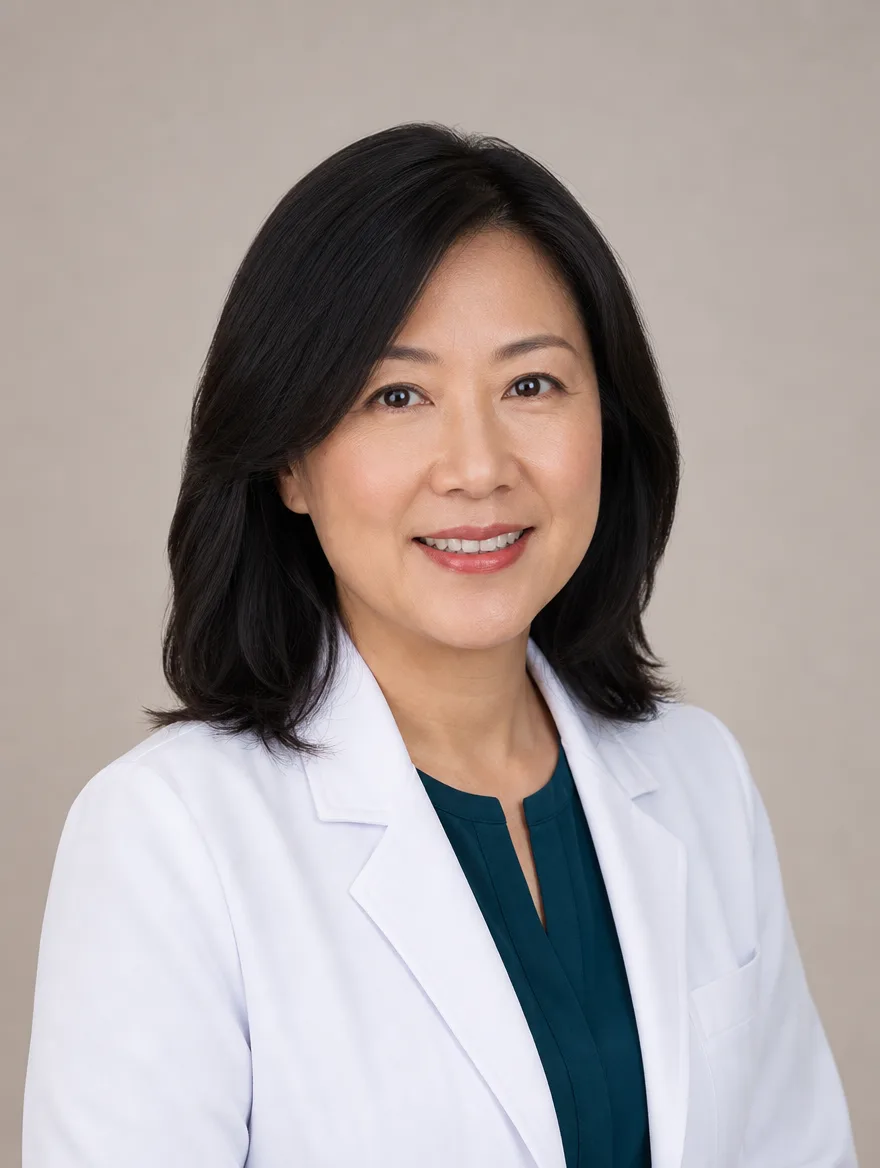
Adeline co-founded Klinik Avelia in 2013 after seven years in public dermatology postings at Hospital Pulau Pinang. She leads the group’s clinical protocols, chairs the internal audit committee, and still consults four days a week at Pulau Tikus.