Every autumn someone sits at our valuation table, hears a number they like, and then asks the better question: “and what will the move actually cost us?” Here is the honest ledger for a typical 2026 move — selling a £425,000 semi and buying at £550,000.
Selling side
- Agency fee — ours is 1.3% inc VAT (£5,525 on £425,000), payable only on completion. No sale, no fee.
- Conveyancing — £1,400–£1,900 inc VAT for a sale at this level. Cheaper online factories exist; slow answers cost sales, and we say so from experience.
- EPC — £75–£95 if yours has lapsed (they last ten years).
Buying side
- Stamp duty — the big one. On a £550,000 purchase as a home mover the SDLT is £17,500 under the bands in force since April 2025. First-time buyers pay nothing to £300,000 — but relief vanishes entirely above £500,000.
- Survey — a Level 2 report runs £450–£650 locally; a full Level 3 on a Victorian villa £900–£1,400. On stone houses we consider it the best money in the whole move.
- Conveyancing (purchase) — £1,600–£2,200 inc VAT including searches.
- Mortgage costs — arrangement fees of £999–£1,499 are standard on the sharpest fixes; valuation fees are often free.
The move itself
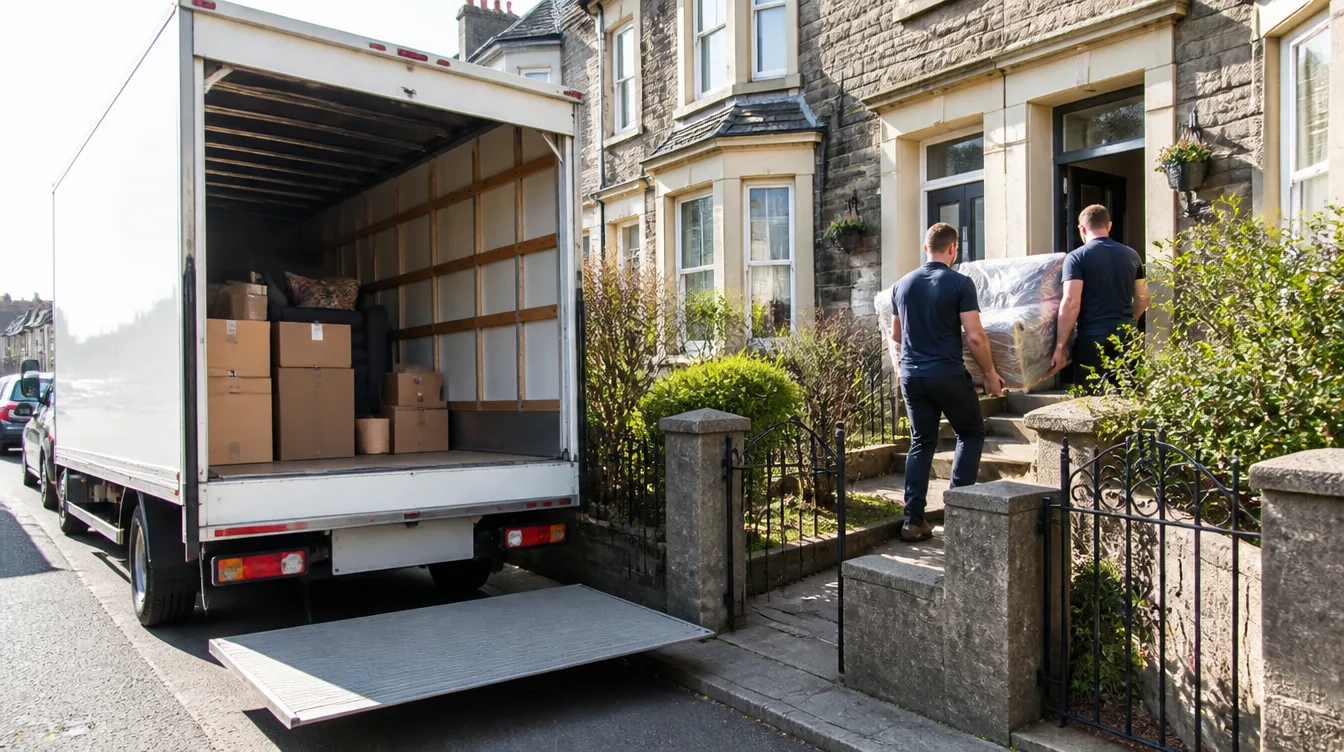
A full three-bed pack-and-move within the district: £1,100–£1,700. Storage between chains: £180–£260 a month for a household container. Mail redirection, locksmith, a first oil fill in the villages — allow another £400 of small change.
The total, honestly
Our example mover spends roughly £29,000–£31,500 all-in, of which stamp duty is more than half. Two practical conclusions follow. First, budget the ledger before you offer, not after — our mortgage estimator helps with the monthly side. Second, when a sale and purchase are finely balanced, a realistic asking price that transacts beats a flattering one that stales: the carrying costs of three extra months on the market are real money.