Blue light around 415 nm is the band most studied for acne. The reasoning is well established: the bacteria linked with breakouts, Cutibacterium acnes, produce compounds called porphyrins that absorb blue light, which sets off a reaction that is harmful to the bacteria.
What the research says
In 2025, researchers at Mass General Brigham published a systematic review in JAMA Dermatology covering six randomized trials and 216 participants with mild to moderate acne. At-home devices using red light, blue light or both reduced both inflammatory and non-inflammatory lesions compared with control treatments, and side effects were minor, such as some dryness. The authors noted that larger studies are still needed to pin down the best wavelengths and session lengths.
Where it helps, and where it does not
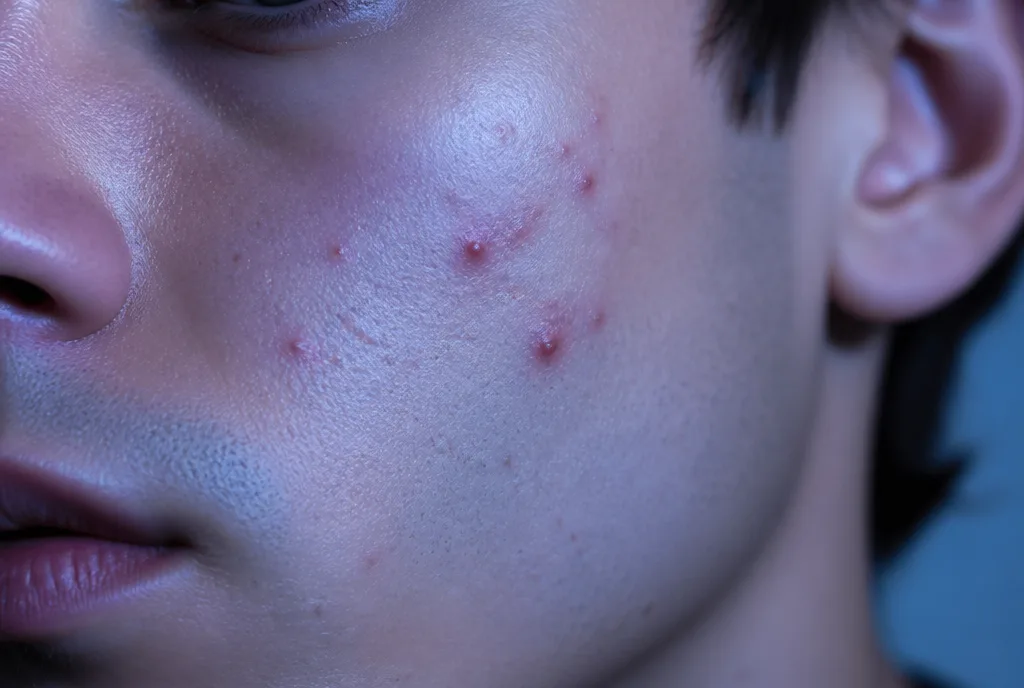
- Likely to help: red, inflamed spots in mild to moderate acne.
- Unlikely to help much: deep cysts and nodules, which need a dermatologist.
Why Clarify pairs blue with red
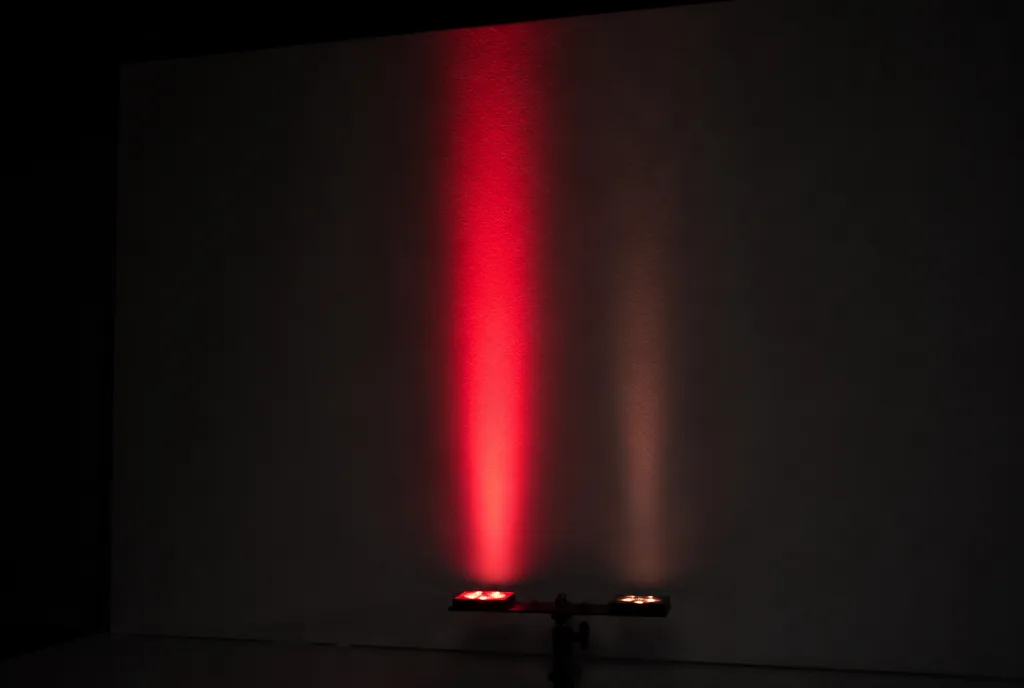
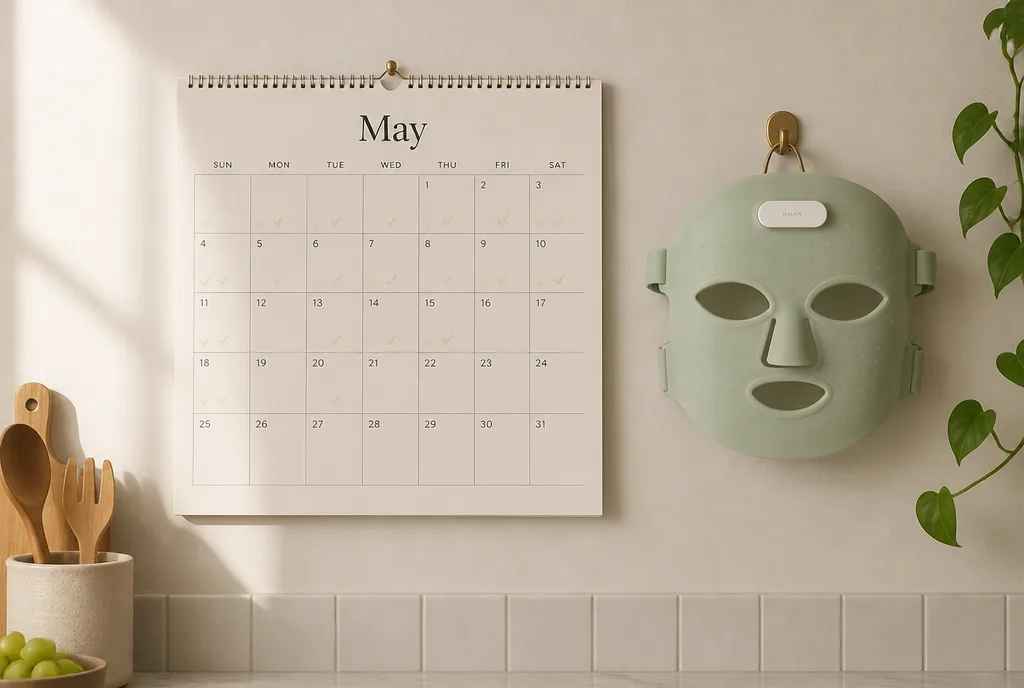
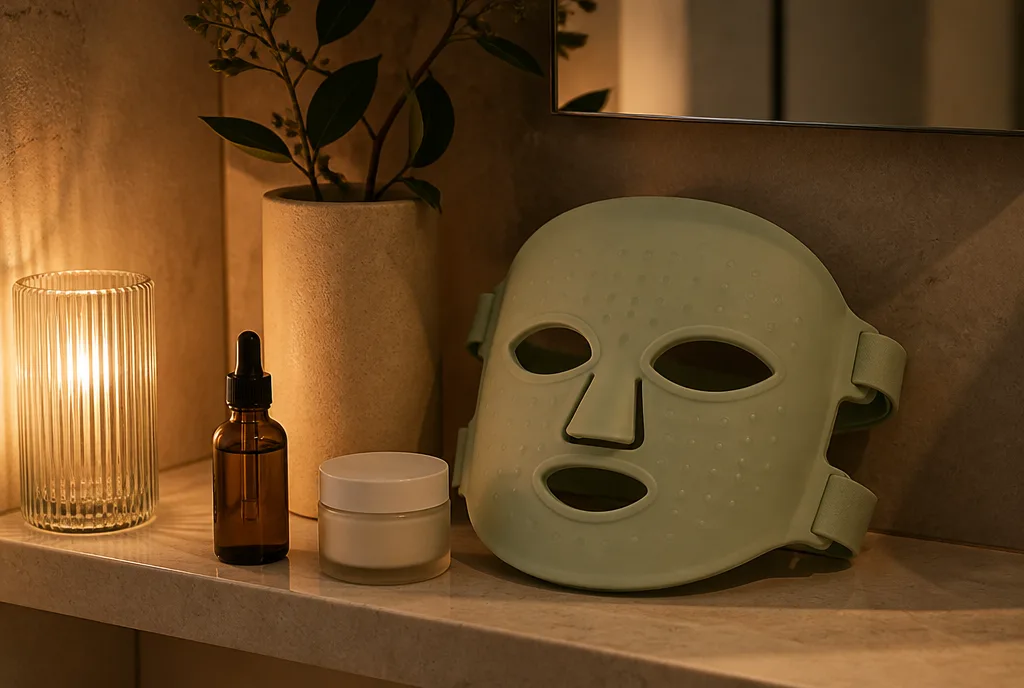
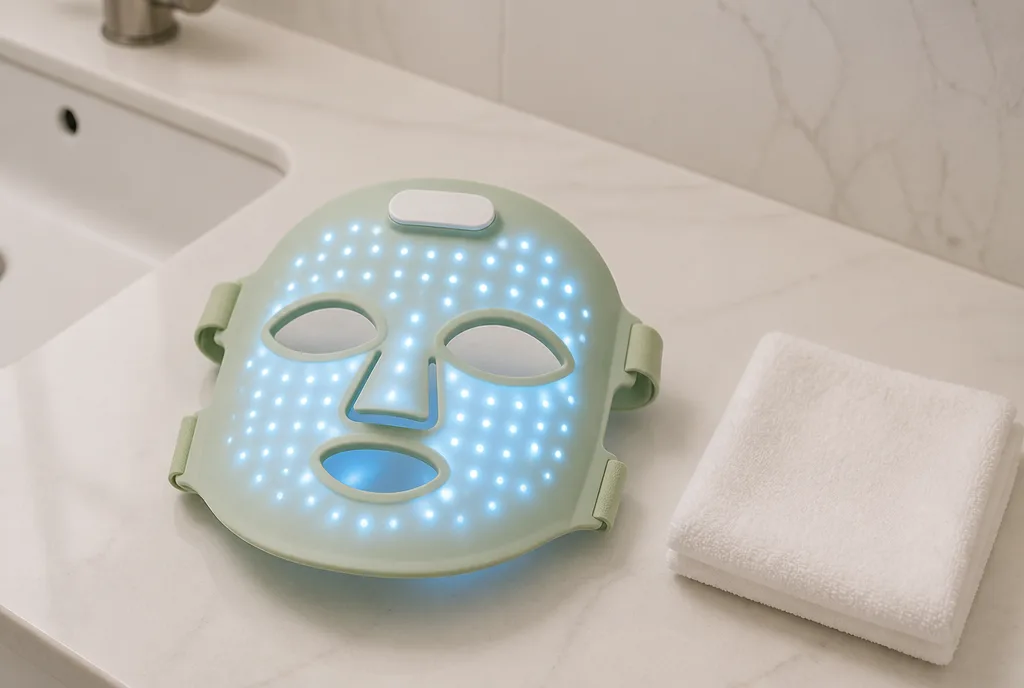
Red light at 633 nm is often paired with blue in acne studies to help the look of redness around active spots. Halvia's Clarify mode runs both together. In the app you can run Clarify only where you break out, such as the chin and jaw, and Renew on the rest of your face.
If your acne is severe, scarring or painful, see a dermatologist. A mask can sit alongside prescription treatment but should not replace it.
Source: Mass General Brigham, "Researchers find at-home LED devices safe, effective acne treatment," on the JAMA Dermatology review, 2025.
This article is general information, not medical advice. Talk to a dermatologist about any skin condition.