Guide
Buying a George Town shophouse: what the conservation rules mean
A Category II listing is not a warning label. It is a specification, and it is knowable before you offer.
Buyers arrive at a shophouse in one of two states: convinced that a heritage listing means they can do nothing, or convinced that everyone quietly ignores it. Both are wrong, and the truth is more useful than either.
What the listing actually controls
Inside the George Town UNESCO zone, buildings are categorised, and the category tells you which parts of the building are protected. In broad terms a Category I listing protects the building comprehensively, inside and out. A Category II listing protects the facade, the roof form and the general character as seen from the street, and gives you far more freedom behind that.
What that means in practice for a Category II building:
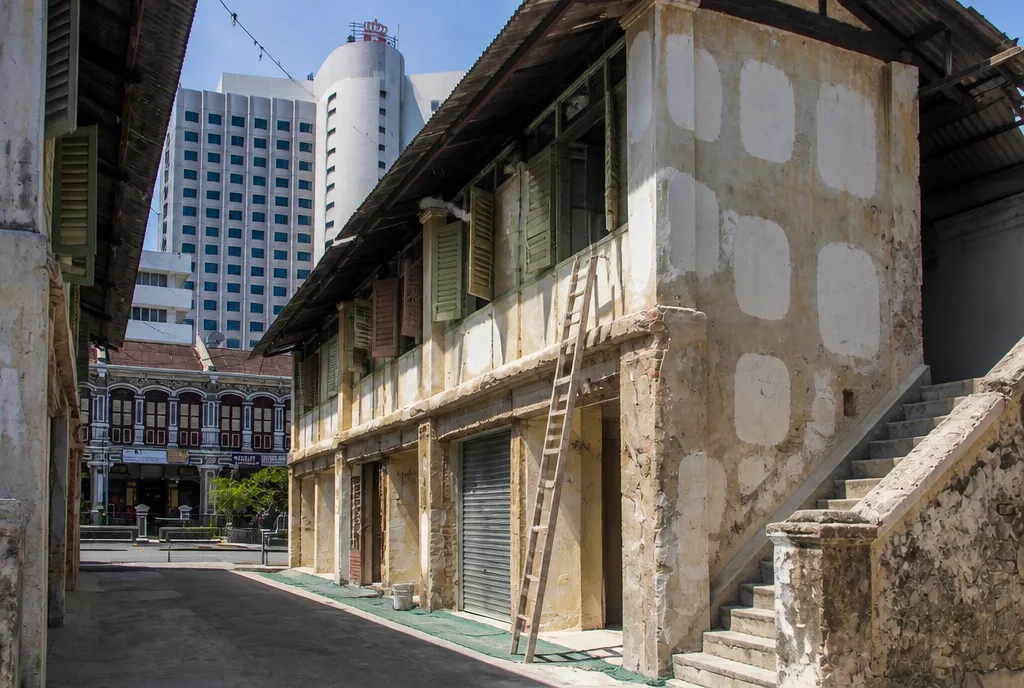
- The frontage, the shutters, the five-foot way and the roof line stay as they are, restored rather than replaced.
- You may reconfigure the interior, subject to an approved submission.
- You generally may not add a floor that is visible from the street.
- You may not enclose the air-well. It is the building’s ventilation and it is usually protected.
The party wall problem
Shophouses share walls, and the condition of yours is partly your neighbour’s decision. If the building next door has been altered, extended or left open to the weather, the shared wall may need work that neither owner alone controls. We check the neighbouring properties before an offer goes in, because a party wall dispute is the single most common reason a shophouse purchase collapses after the survey.
Time, not permission, is the real constraint
Conservation submissions take months, and the work itself needs trades who understand lime plaster, timber and clay tile. There are not many of them and they are booked. A shophouse renovation that a contractor quotes at eight months will run to twelve or more, and budgets should carry a genuine contingency rather than a token one.
What to ask for before you offer
- The conservation category, confirmed rather than assumed.
- Any previous approved submissions — they tell you precisely what has been permitted on this building.
- A structural view on the roof timbers and the party walls.
- The drainage position at the air-well, which is where water damage starts.
- Whether the current use matches what is approved. A residential conversion of a commercially-approved building is not automatic.
Why people still do it
Because a restored shophouse in the core zone is a building, not a unit in someone else’s block, and because the stock is finite in a way that condominium stock is not. Values on the better streets have held up through cycles that flattened strata pricing. It suits an owner who wants to restore rather than gut, and who can wait.
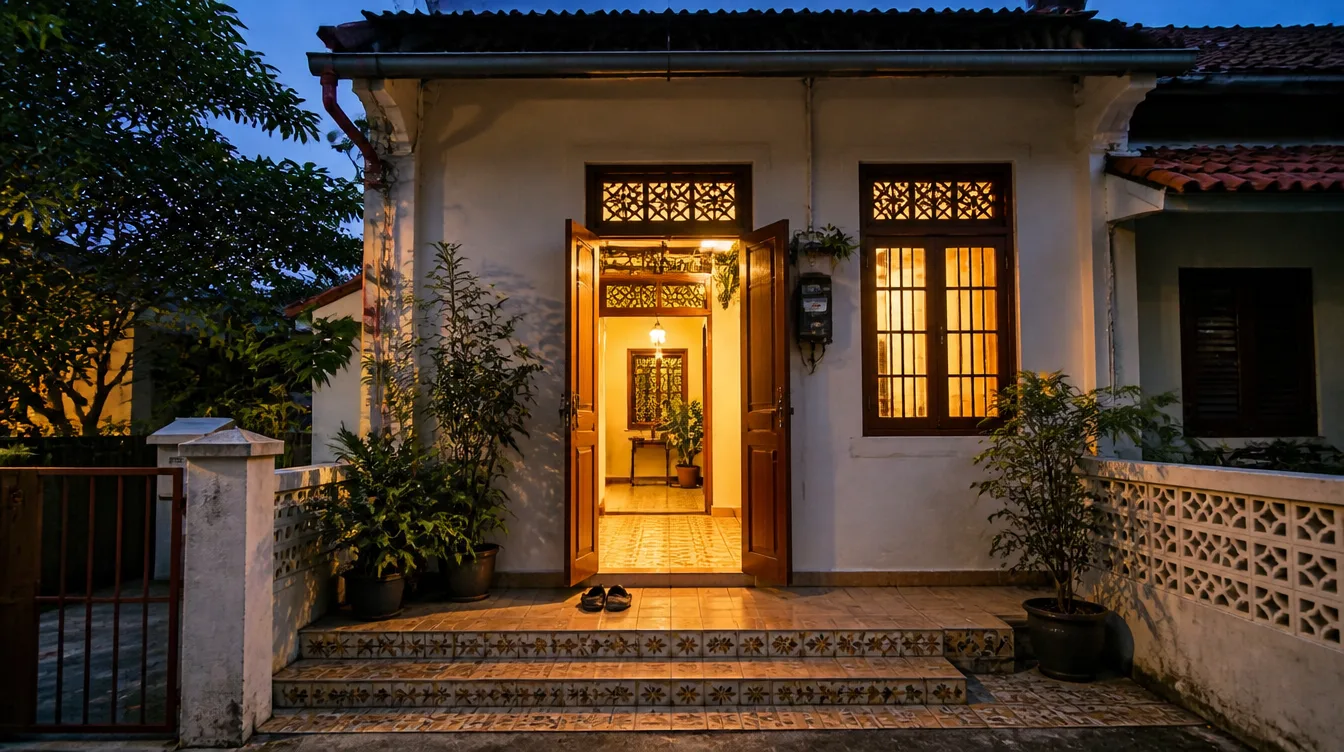
We have shophouse stock in the core and the buffer zone, and we act for owners of pre-war terraces in Pulau Tikus that sit outside the zone entirely and carry no conservation restriction at all. If the restrictions are what worry you, that is often the better answer — and we usually have one on the books.