We agreed 63 sales in the first half of 2026, which is nine more than the same period last year and about the same as 2023. The market here is not booming and it is not falling over. It is picky. Buyers have more choice than they had in 2021 and they are using it.
Here is what is actually making the difference between a house that goes in a fortnight and one that sits until Christmas.
1. The price in week one, not week nine
The single most expensive decision a seller makes is starting ten per cent high to "see what happens". What happens is that the house burns through its best fortnight of interest, then goes stale, then gets reduced, and then sells for less than it would have if it had been priced properly on day one.
Our figures for the last twelve months: houses that sold at or within two per cent of their launch price took an average of 29 days. Houses that needed a reduction took 88 days and completed at an average of 94.1% of their original asking price. The reduction does not just cost you the reduction. It costs you the negotiating position too.
2. Photographs taken in the right light
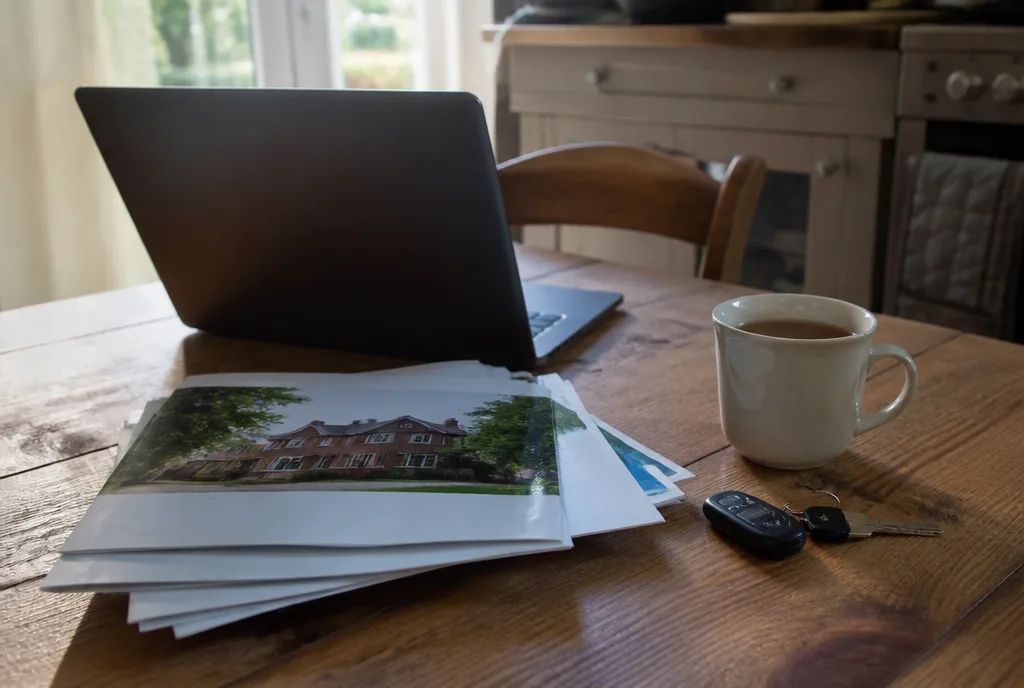
This sounds like an agent talking his own book, so here is the number. Listings on the portals get roughly eighty per cent of their click-throughs from the main image alone. If your main image is a grey elevation shot taken at four in the afternoon in November, the rest of your marketing budget is being spent on people who have already scrolled past.
Sam waits for the light. Sometimes that means we launch three days later than the seller wanted. It is worth it every time.
3. Material information ready before launch
Since the National Trading Standards guidance landed, tenure, council-tax band and EPC have to be on the listing from the start, and parts B and C — flood risk, restrictive covenants, parking, building safety — are increasingly expected too. Sellers who have that gathered before launch answer buyer questions in an afternoon. Sellers who do not lose a week per question, and buyers who wait a week per question start looking elsewhere.
What is not moving houses
- New kitchens fitted to sell. You rarely get back what you spend. We talked a seller in Barnack out of an £8,000 kitchen in May; the house sold in three weeks to the second viewer, who is replacing the kitchen anyway.
- Open houses. They work in a rising market with a queue. In this one they mostly compress your viewings into two hours and make the house look busier than the offers suggest.
- Being on every portal. Rightmove and OnTheMarket cover the buyers who are looking here. The eleventh portal adds nothing but a line on an agent's list of features.
Where the market is by area
Stamford town is the firmest, particularly anything walkable to the High Street under £500,000. Village family houses between £350,000 and £550,000 are steady. Above £800,000 is slower and more weather-dependent — those buyers are usually selling something themselves. Renovation projects have got noticeably more competitive since the spring: three of our last four went to sealed bids.
If you want the number for your own house rather than the average, book a valuation or use the estimator first.