
Employment & industrial relations chambers — Kuala Lumpur +60 3-2202 4188 WhatsApp
FLS Faiza Loke & SivamAdvocates & Solicitors

Employer desk

Unions & collective bargaining

A union across the table changes the tempo of everything — discipline, restructuring, pay reviews. Employers who treat recognition and bargaining as legal processes, not personality contests, get workable agreements and fewer disputes.

Recognition, post-2021

The 2021 amendments to the Industrial Relations Act 1967 reshaped recognition: competing unions, secret-ballot determinations by the Director General for Trade Union Affairs, and tighter timelines for the employer's response to a claim under section 9. The window to respond is short and the wrong first letter is hard to unwind — recognition claims should reach counsel the day they arrive.

Negotiating the collective agreement

A collective agreement binds for at least three years and, once cognisance is taken by the Industrial Court, has the force of an award. We prepare the mandate (cost every proposal before the first session, not after the last), sit at the table where wanted, and draft article language that HR can administer — prohibition-of-strike clauses, retrenchment articles, promotion and transfer prerogatives preserved in words that survive interpretation disputes under section 56.
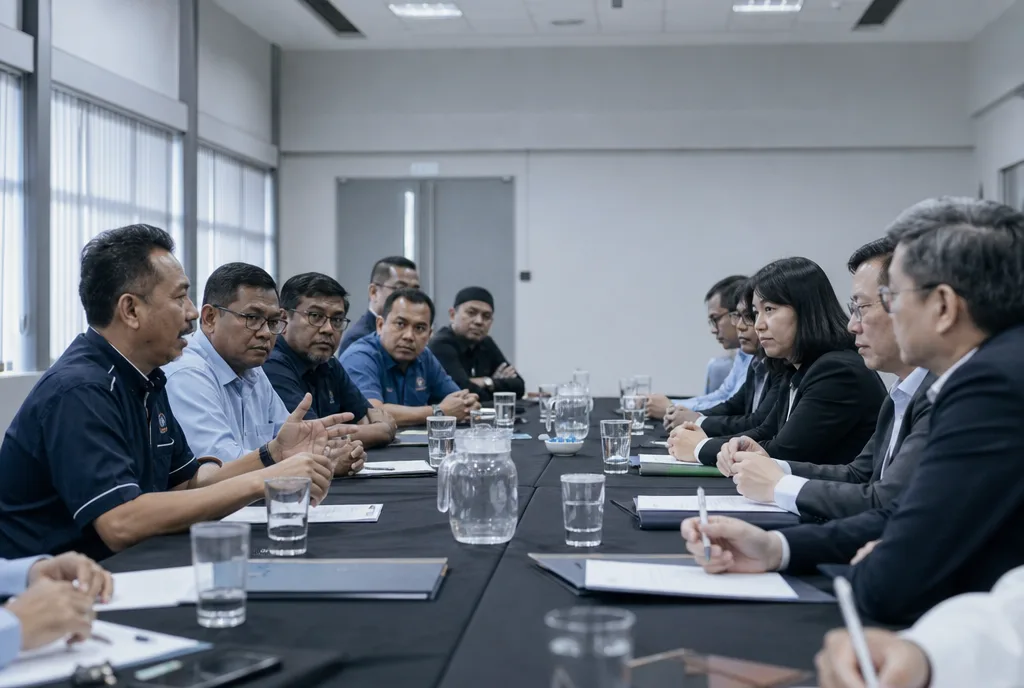
Collective agreements are administered for years by people who were not in the room — draft for them.

Trade disputes and industrial action

Where bargaining stalls, we manage the escalation path — conciliation, reference to the Industrial Court, and the strict pre-conditions the Act places on lawful industrial action. Most disputes settle in conciliation; the ones that do not are won on costing papers and bargaining history, which is why we keep both from day one.

Questions we hear at assessments

Must we recognise the union at all?

If the union is competent to represent the workmen concerned and majority support is established through the statutory process, recognition follows. Resisting a claim on arguable scope grounds is legitimate; stalling tactics invariably surface later as bad-faith evidence.

Can managers join the union?

Employees in managerial, executive, confidential or security capacities are generally excluded from membership of a union representing rank-and-file workmen. Scope disputes over borderline roles are common and decided on actual duties, not titles.

Get it assessed properly.

Bring the documents; leave with the deadline, the merits and the next step in writing.

Mon–Fri 9am–6pm · Sat morning by appointment · +60 3-2202 4188

Call WhatsApp Book assessment