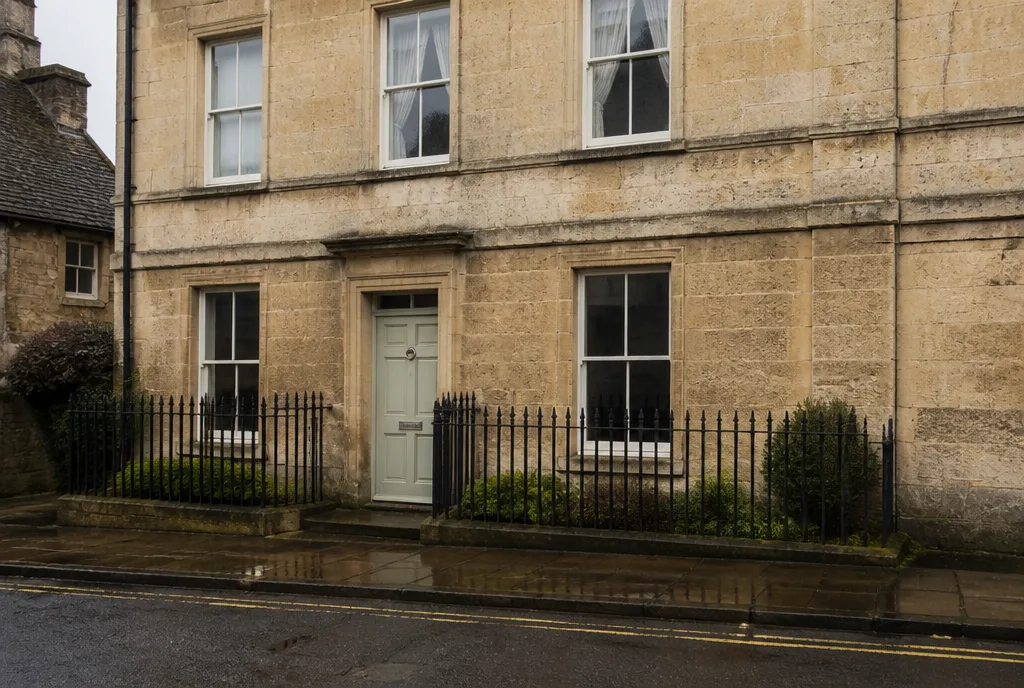
Most of what we sell between Stamford and Rutland is limestone, much of it eighteenth or nineteenth century, some of it older. These houses work, and have worked for two hundred years, but they work differently from a 1990s cavity-wall house, and a surveyor who treats them the same will frighten you for the wrong reasons.
Solid walls breathe
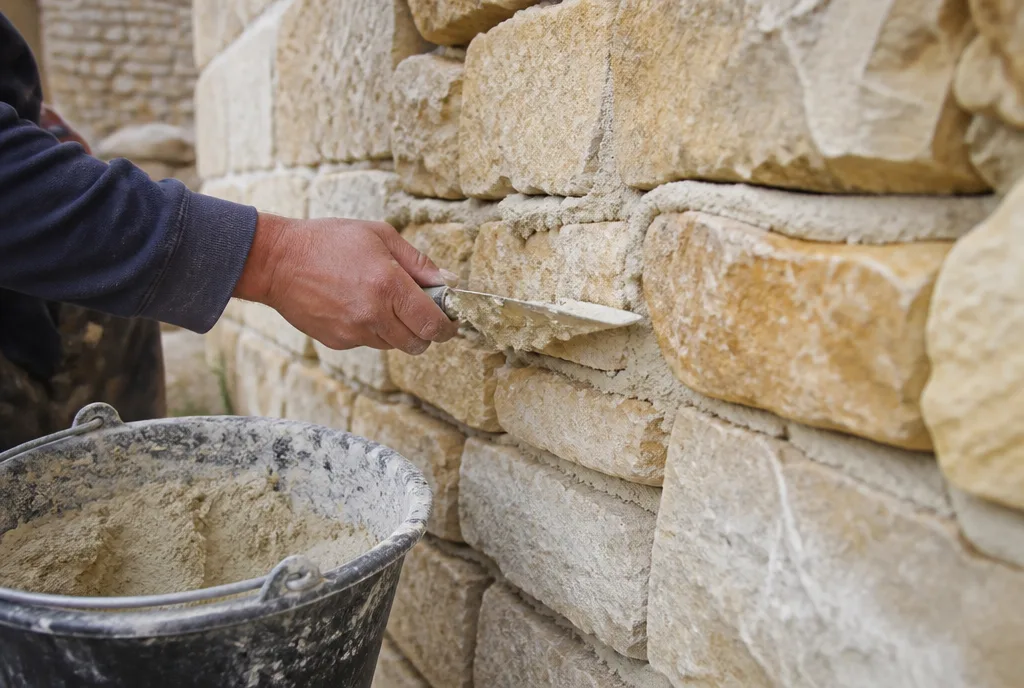
A traditional stone wall has no cavity and no damp-proof course. Water gets in and is supposed to evaporate back out, through the mortar joints and the lime plaster. That system works as long as nobody seals it.
What seals it: cement pointing, gypsum plaster, modern masonry paint, and concrete floors laid over old flagstones without a break. Do any of those and the moisture that used to leave through the joints now leaves through the face of the stone, which spalls, or through the inside wall, which is when someone calls it "rising damp" and injects a chemical course into a wall that never had one.
What to ask for
- Lime mortar for any repointing — NHL 3.5 is the usual specification here
- Lime plaster or a breathable board internally, not gypsum onto stone
- Breathable paint — clay, silicate or limewash
- A french drain or a lowered path where ground levels have crept above the internal floor
Get the right survey
A Level 2 homebuyer report is fine for a 1990s house. For anything pre-1900, pay for a Level 3 building survey from someone who works on old buildings, £950 to £1,400 locally. The difference is not the paperwork, it is that a specialist will tell you which cracks are historic and settled and which are live — and on a stone house that distinction is worth several thousand pounds of unnecessary underpinning quotes.
Collyweston slate
Around Easton on the Hill and Collyweston you will meet genuine Collyweston slate roofs. They are beautiful, they are protected in conservation areas, and they are expensive: reslating a modest roof with reclaimed material runs well into five figures. Check the insurance covers like-for-like reinstatement, and get a roof condition note in the survey rather than a line saying "appeared satisfactory from ground level".
Listed buildings
Stamford has around six hundred listed buildings, and listing covers the whole structure inside and out, not just the front. Replacing sash windows with uPVC, changing a fireplace, or fitting solar panels on a visible elevation all need consent. Retrospective enforcement is real and the burden falls on the current owner, whoever did the work.
The practical version. An old stone house in good repair, with lime mortar, a sound roof and sensible ground levels, is a dry and comfortable house. One that has been "improved" with cement and gypsum in 1985 is not, and undoing that is the real cost. Ask us for the repair history before you offer — on our own listings we hold the invoices.
Two builders locally do this properly and we are happy to name them, on the phone rather than in print.