An implant is one of the most predictable things we do in dentistry, yet it’s also one of the most feared — usually because people imagine the surgery is dramatic. It isn’t. Here’s the whole journey, without the marketing gloss.
1. Planning comes first
Before any surgery, I take a low-dose 3D (CBCT) scan and design the final tooth digitally. Only then do I plan where the implant goes, so it supports that tooth perfectly. Placing an implant without designing the crown first is like building a house without knowing where the doors will be — it’s the step that separates a natural result from an obvious one.
2. Placement
The implant — a small titanium post — is placed under local anaesthetic, often using a surgical guide printed from your scan. Most patients tell me afterwards it was easier than a difficult extraction. You’ll feel pressure, not pain. It usually takes under an hour for a single implant.
3. Healing
Over the next three to four months the implant fuses with your bone, a process called osseointegration. You’ll usually wear a temporary in the meantime, so you’re never walking around with a visible gap. Mild soreness for a few days afterwards is normal and settles with ordinary painkillers.
4. The crown
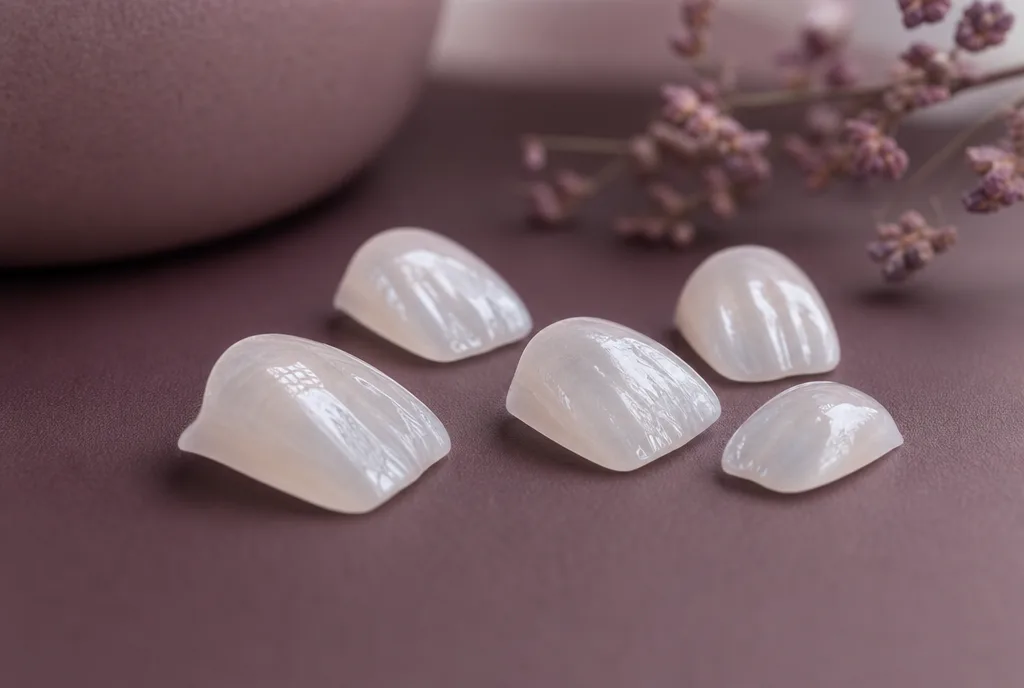
Once the implant is solid, we scan and fit the custom ceramic crown that was planned at the start. This is the visible tooth — matched in shade and shape to your others.
Does it hurt?
Honestly, less than most people expect. The surgery is done numb; the after-effects are usually a few days of mild soreness. Patients who’ve had a tough wisdom-tooth extraction often say the implant was gentler.
How long do implants last?
Implants have among the highest long-term success rates in dentistry — well over 95% at ten years in healthy patients. The implant itself can last decades; the crown on top may need renewing after 10–15 years, much like any dental work. Two things move the odds most: not smoking, and keeping up hygiene visits so the gums and bone around the implant stay healthy.
Is it right for you?
Age matters less than health and bone. If either is a concern, there are usually options — including grafting to rebuild bone. The only way to know is an assessment and a scan. You can read more on our dental implants and full-arch implants pages, or see indicative costs and instalments on the pricing page.