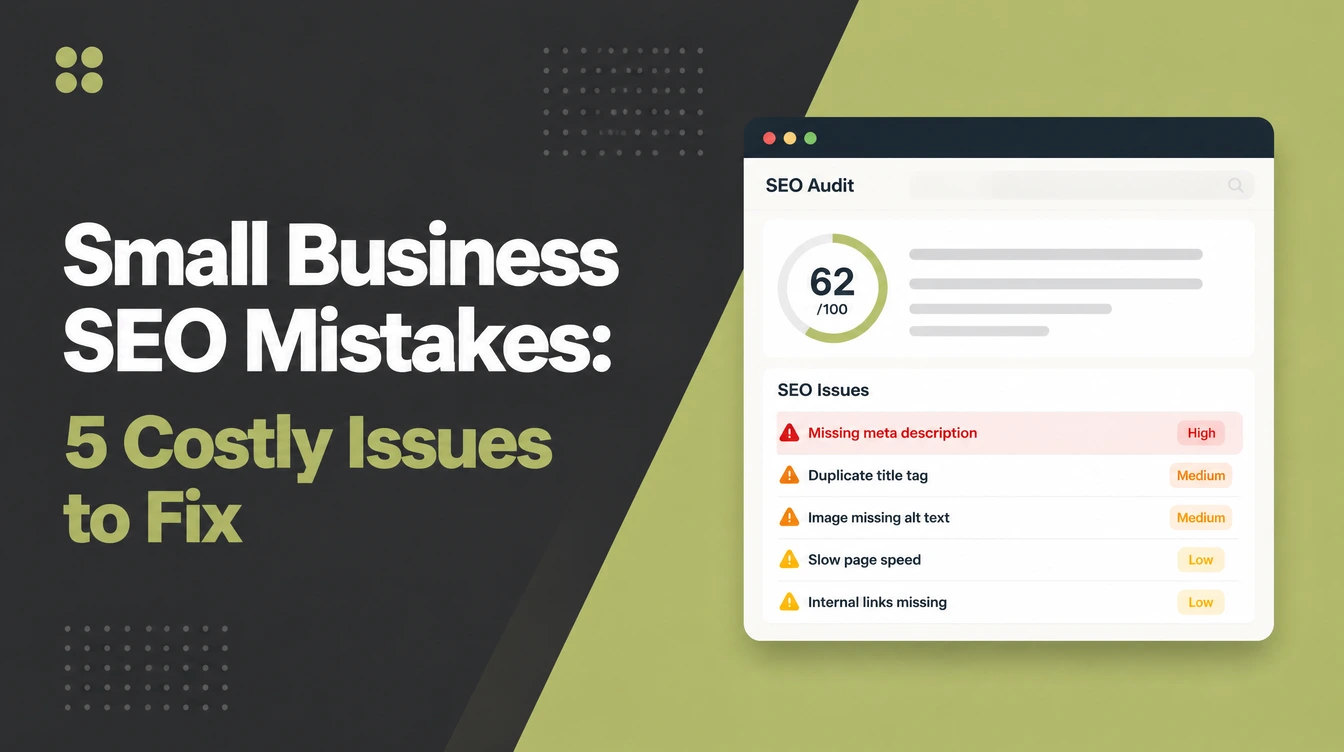
Small Business SEO Mistakes 2026: 5 Costly Issues to Fix

The five mistakes are chasing keywords nobody searches, thin content, a slow site that fails on a phone, no Google Business Profile, and weak internal links. Ahrefs found 96.55% of pages get zero Google traffic, so these gaps are common. Seed Light fixes them in that order, starting with keywords and intent.
Key takeaways
Short on time? Here are the small business SEO mistakes that keep most pages invisible, before we break each one down.
- Most pages get nothing. 96.55% of all pages get zero traffic from Google, so being online is not the same as being found (Ahrefs, 2023).
- Intent beats keywords. Satisfying search intent is Google's number one goal, and a page that does not match it will not rank (Backlinko).
- Speed and mobile decide it. 53% of mobile visitors leave a page that takes over three seconds to load (Google via Marketing Dive).
- Local signals build trust. A complete Google Business Profile makes you 2.7 times more likely to be seen as reputable (BrightLocal).
- It takes months, not days. Google says changes can take from a few hours to several months to show up (Google).
1. Why most small business pages stay invisible
You built a website. You added a few pages. Nothing happened. You are not alone, and it is probably not bad luck.
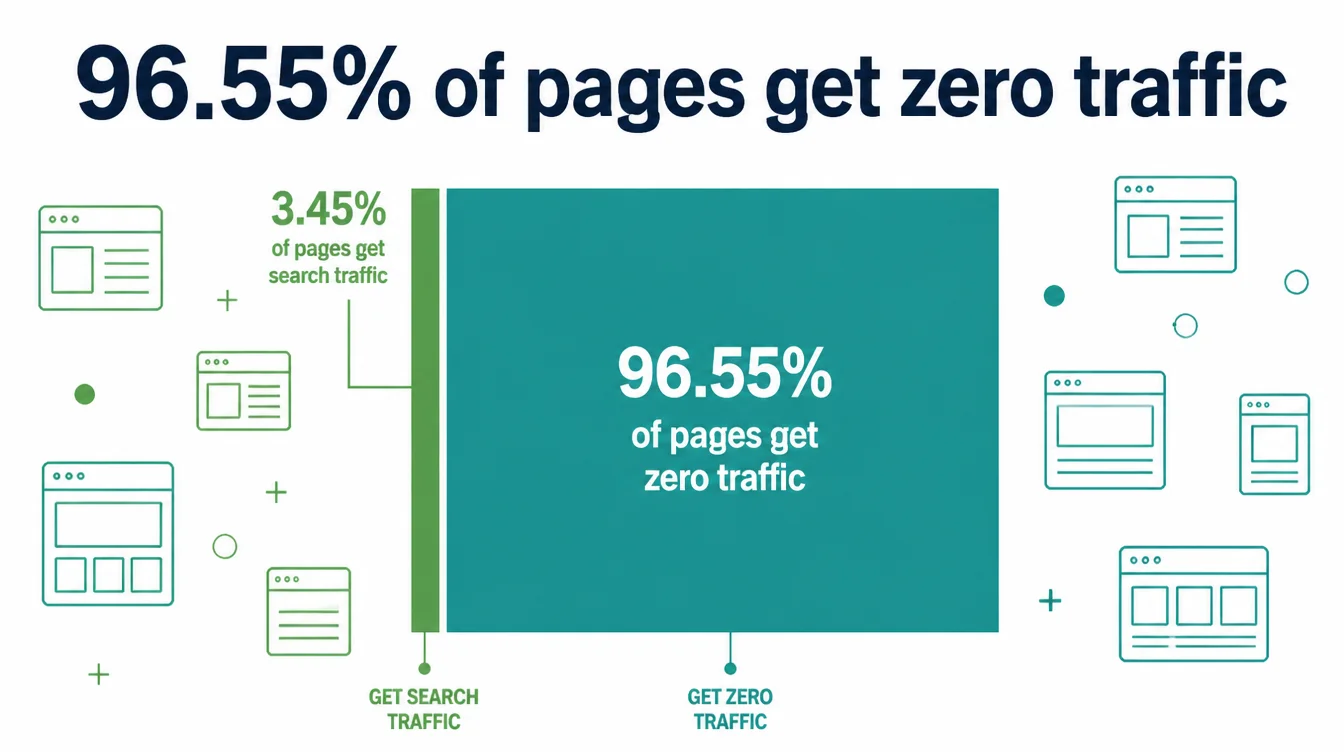
Here is the hard truth. A massive 96.55% of all pages get zero traffic from Google (Ahrefs, 2023). So being online is not the same as being found. Most pages are like an open shop on a street nobody walks down.
The good news? The reasons pages stay invisible are predictable. Below are the five small business SEO mistakes that do the most damage, plus a bonus one that makes owners quit too soon.
For each, you get the cost and the fix. If you are new to all this, start with our plain guide to what SEO actually is, then come back here.
2. Mistake 1: chasing keywords nobody searches (and ignoring search intent)
Most owners pick keywords by gut feel. You target the words you would use, or the fancy name for your service. Meanwhile, real customers are typing something simpler, or something completely different.
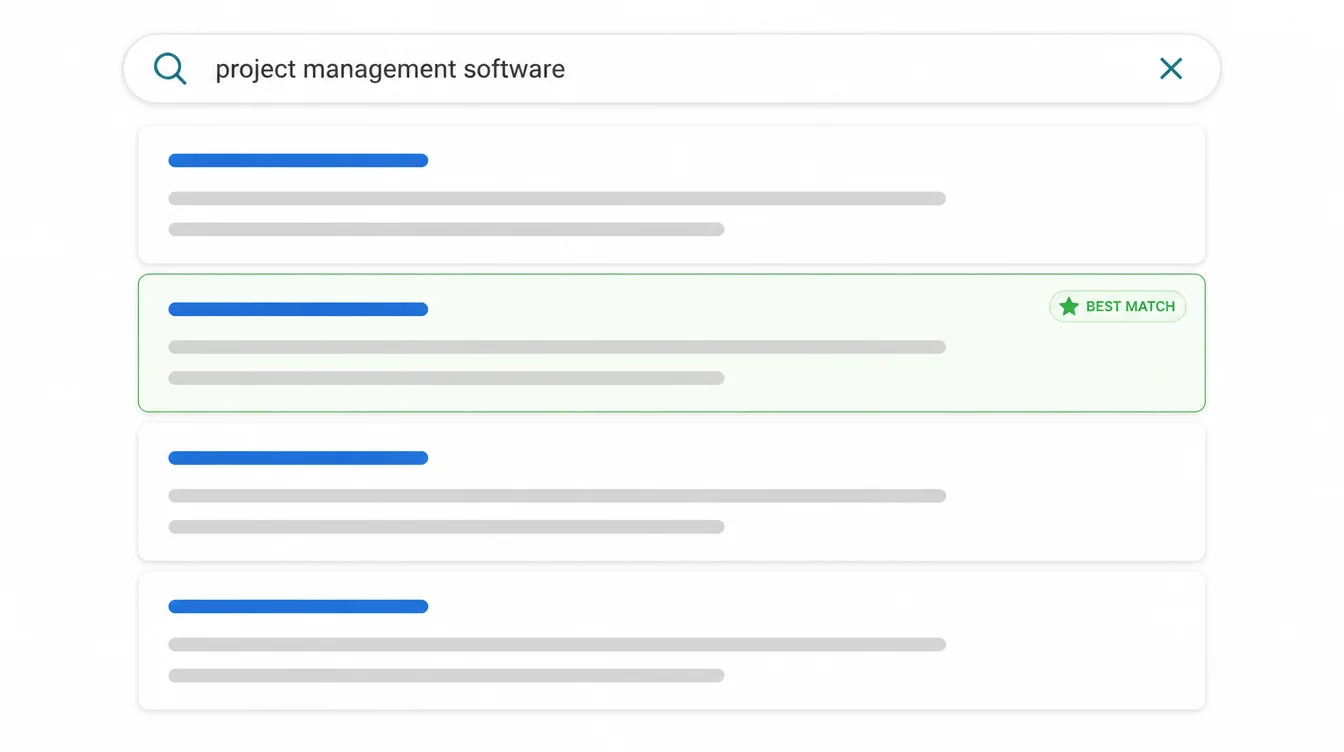
There is a deeper version of this mistake too. Even with the right keyword, you can miss the reason behind the search.
Satisfying search intent is Google's number one goal, and a page that does not satisfy intent is not going to rank (Backlinko). If someone searches to compare options and your page tries to sell on the first line, you lose.
What it costs you: effort spent ranking for words that bring no customers, or words you never reach because the page answers the wrong question.
The fix: match the words to what people actually type, then match the page to why they typed it. Search your main keyword and look at what already ranks.
If the top results are guides, write a guide. If they are product pages, do not write an essay. Our post on how to rank higher on Google walks through this step by step.
3. Mistake 2: thin, unhelpful content
A page with two sentences and a phone number does not give Google or a customer a reason to choose you. Thin content is the quiet killer. It looks fine to you, but it answers almost nothing.
Google is blunt about how much this matters. Helpful, reliable content will likely influence your website's presence in search results more than any of the other suggestions (Google). In other words, content is not one factor among many. It is the main one.
What it costs you: pages that never rank, plus visitors who land, find nothing useful, and leave for a competitor who explained it properly.
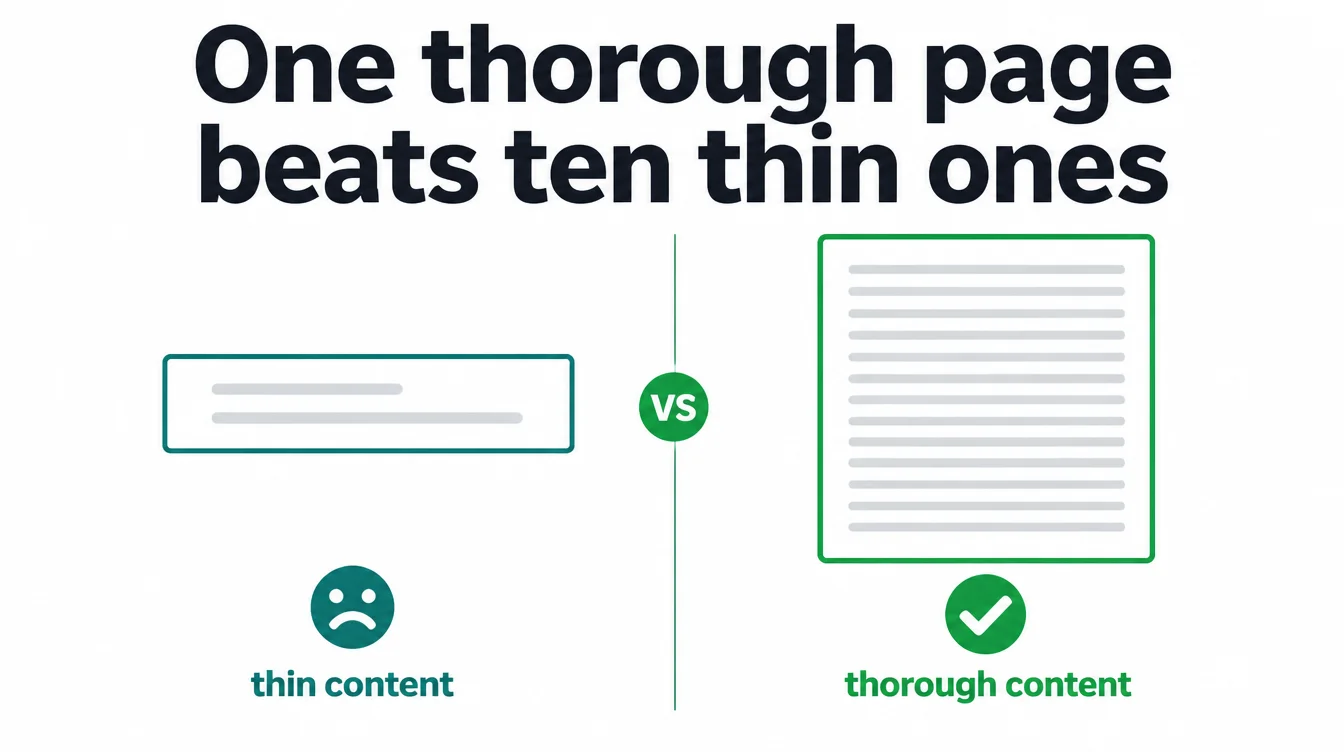
The fix: pick the questions your customers actually ask and answer each one fully on its own page. Use plain words. Cover the whole question, not the first half. One thorough, genuinely useful page beats ten thin ones every time. Quality over quantity, always.
4. Mistake 3: a slow site that does not work on a phone
Picture a customer tapping your link on their phone. The page hangs. They are gone before they ever see your offer. This happens far more than owners realise.
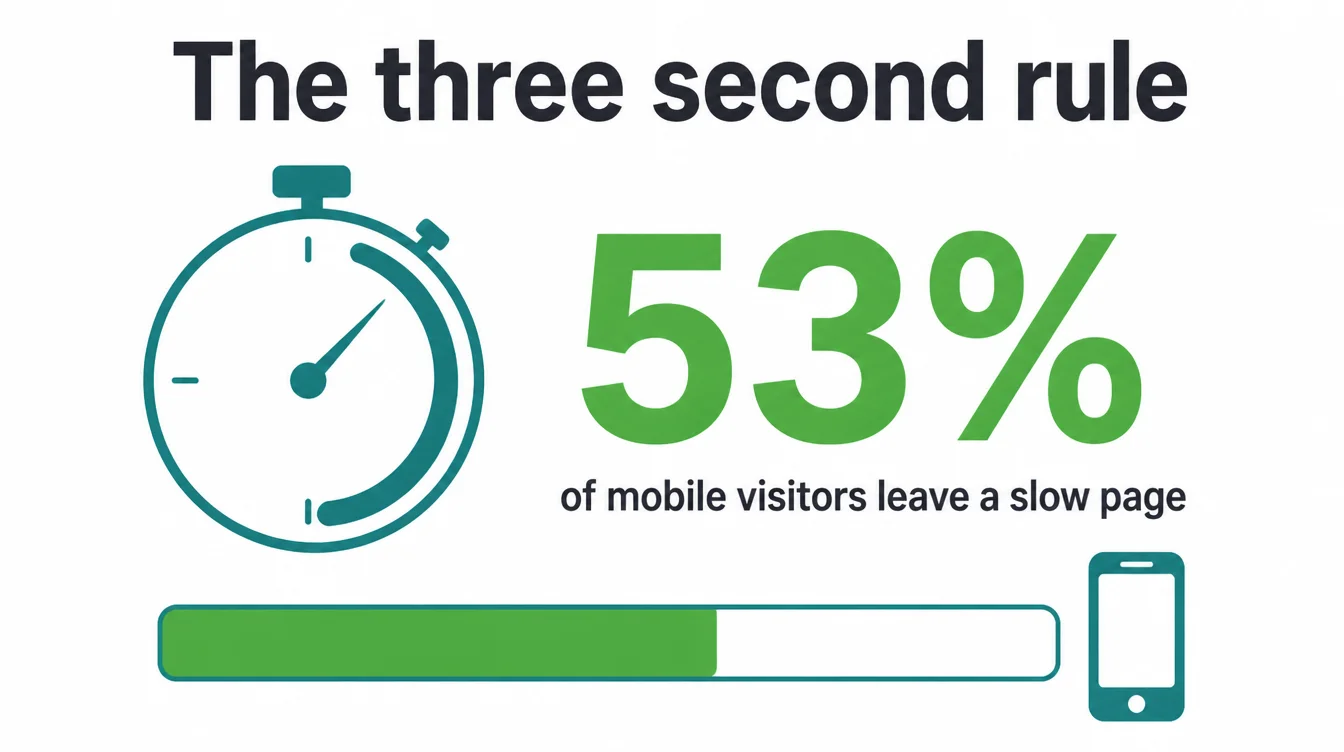
Google found that 53% of mobile visits were abandoned when a page took longer than three seconds to load (Google via Marketing Dive). Phones account for about half of worldwide web traffic.
Mobile is 49.36% of web traffic worldwide (StatCounter, August 2026). On top of that, Google ranks your site using the mobile version of your pages (Google).
What it costs you: lost visits when the page takes longer than three seconds to load, plus weaker mobile performance on the version Google uses for ranking.
The fix: make the mobile experience fast and easy. Compress your images, cut heavy plugins, and check the page on a real phone. Our guide on how to make a website mobile friendly shows you exactly what to check.
5. Mistake 4: no Google Business Profile or local signals
If you serve customers in a place, this one is huge. Plenty of owners have a website but no Google Business Profile, or a blank one they set up years ago and forgot. That is a wide-open door you are not walking through.
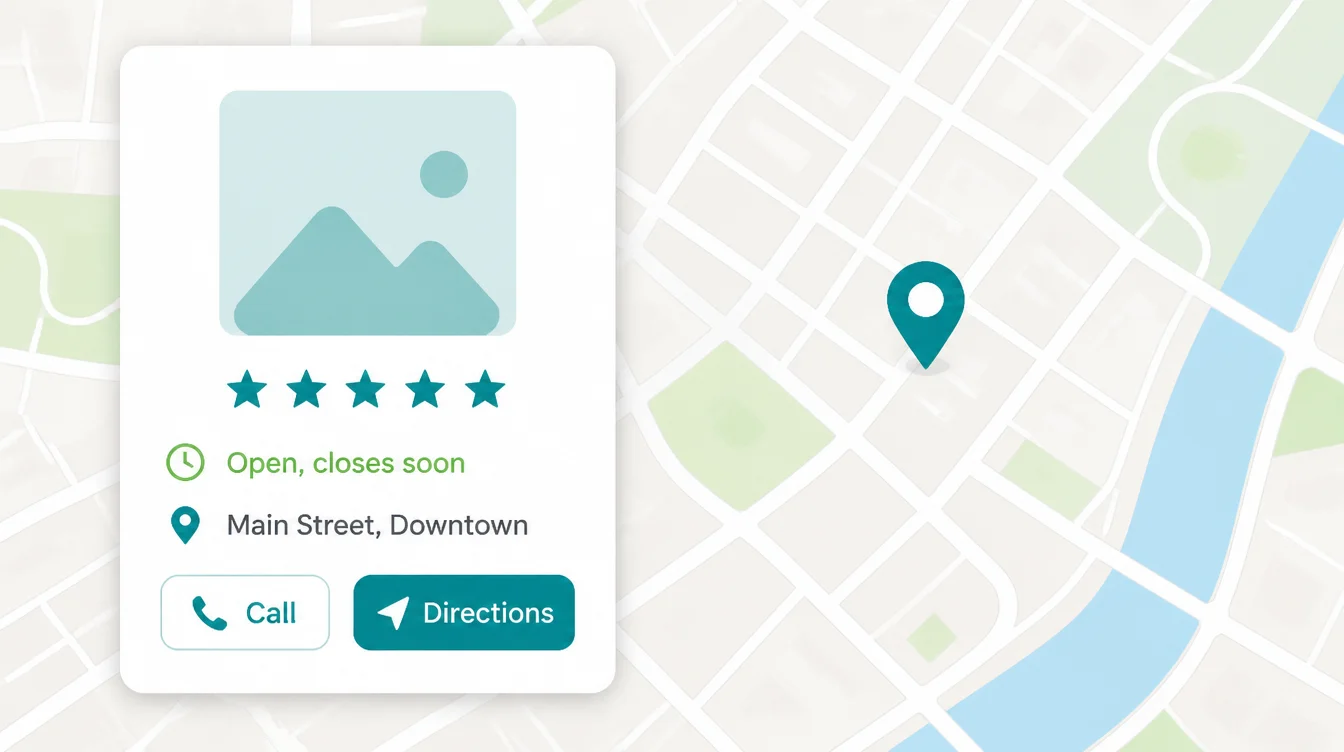
A profile is a trust signal. Customers are 2.7 times more likely to consider a business reputable when it has a complete Google Business Profile (BrightLocal). A blank profile quietly tells people you might be closed or careless.
What it costs you: the first thing many local customers see is missing or empty, so they pick the competitor whose profile looks alive.
The fix: claim your profile, fill in every field, add real photos, and keep your hours current. Then make sure the same name, address, and phone appear on your website. Our Google Business Profile checklist and our guide to local SEO for small businesses cover the whole thing.
6. Mistake 5: weak or no internal links
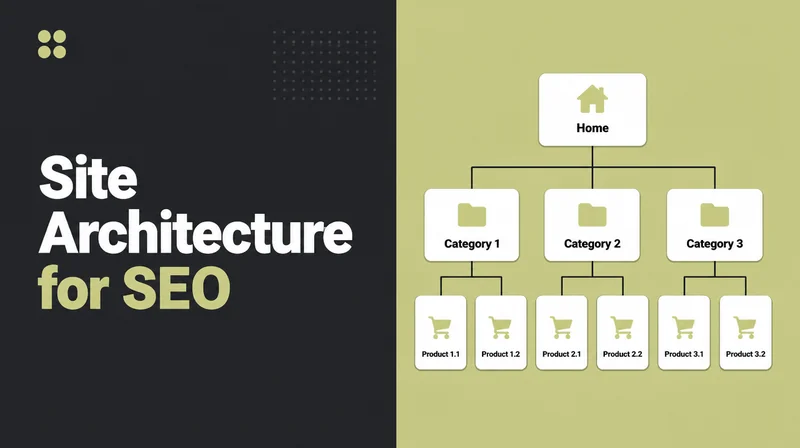
This is the mistake almost nobody talks about, and it is one of the easiest to fix. Internal links are simply links from one page on your site to another. Most small sites have hardly any, so good pages sit there orphaned.
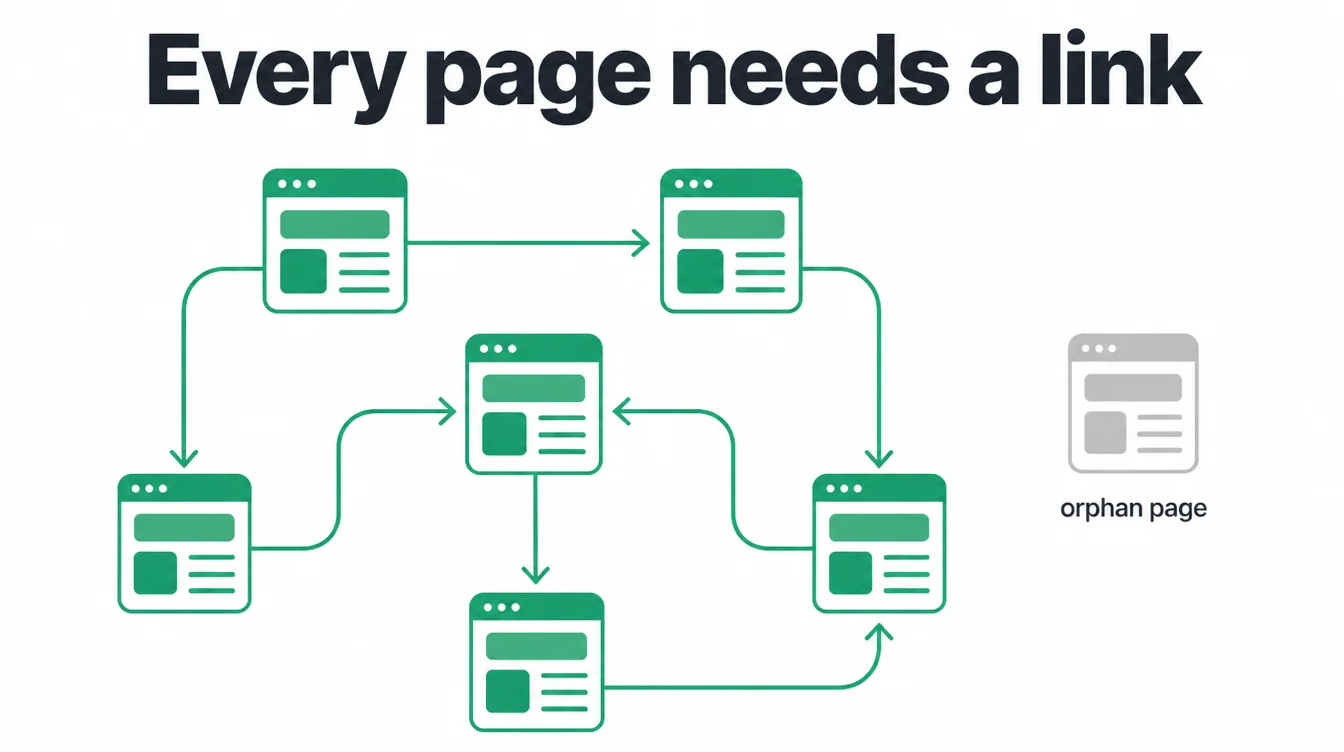
Google could not be clearer about it. Every page you care about should have a link from at least one other page on your site (Google). Without those links, search engines struggle to find your pages and to understand how they fit together.
What it costs you: pages that never get discovered or ranked, and customers who read a helpful post then have no clear next step to actually book or buy.
The fix: link your pages to each other on purpose. From a blog post, link to the service it relates to. From a service page, link to a supporting guide. Use clear words for the link, not "click here." It helps Google and it guides your customer toward the sale.
7. The bonus mistake: expecting overnight results
This last one is not on the page. It is in your head. You do the work, you check the next morning, nothing has moved, and you decide SEO does not work. So you stop right before it would have paid off.
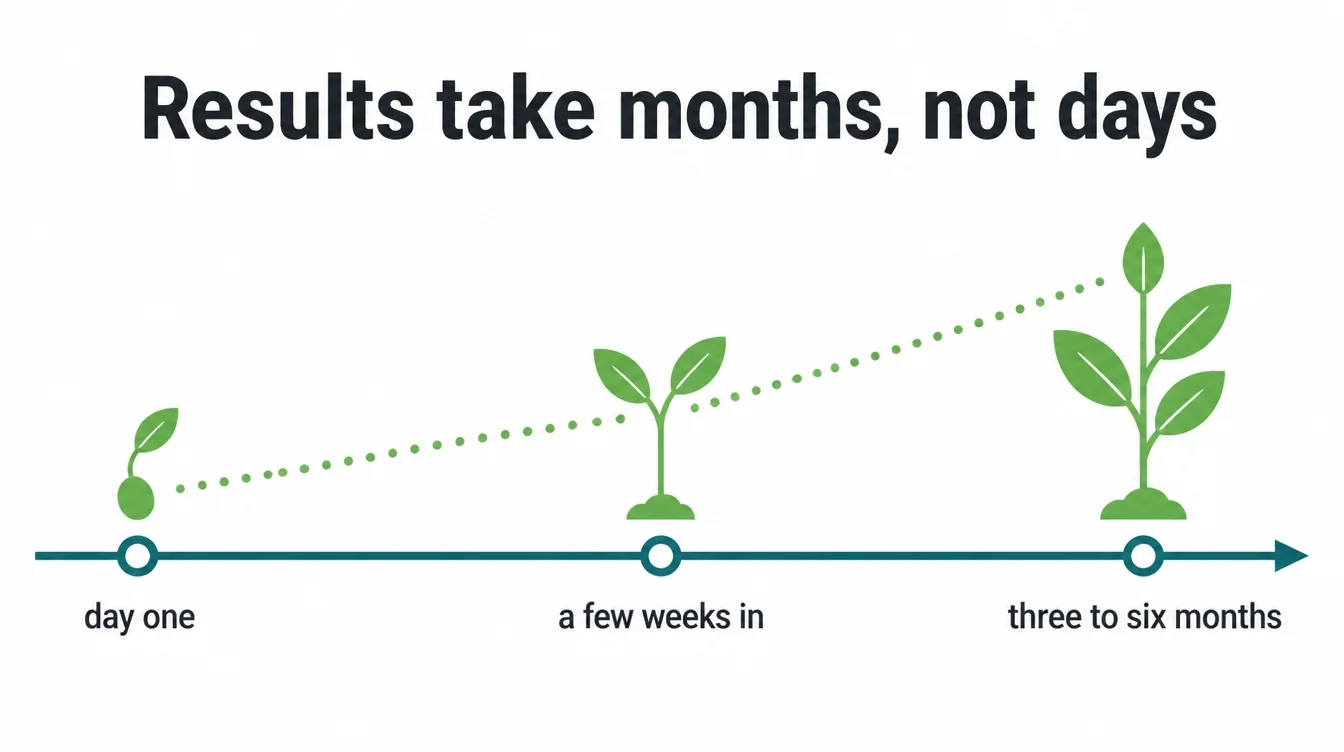
Google sets the expectation plainly. SEO changes can take anywhere from a few hours to several months to take effect (Google). Early movement often shows in three to six months, with fuller results over four to twelve.
What it costs you: all the effort you already put in, thrown away because you quit one month before the climb started.
The fix: treat SEO as a habit, not a launch. Do a little each week, track your rankings monthly, and judge progress over quarters. The owners who win are simply the ones who keep going.
8. How to fix all of this without it eating your week
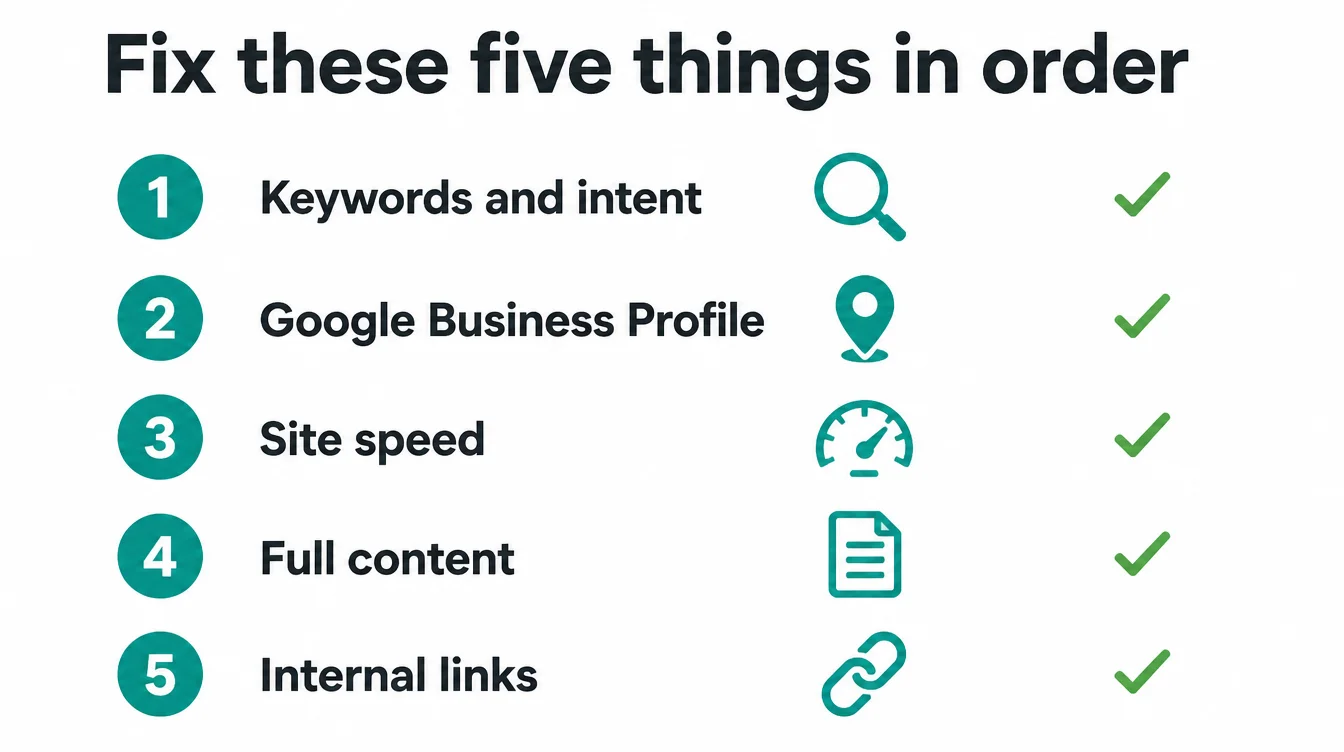
You do not have to fix everything at once. In fact, you should not. Pick one mistake, fix it, then move to the next. Here is the whole thing in one table so you can see the cost and the fix side by side.
| The mistake | What it costs you | The fix |
|---|---|---|
| Wrong keywords and wrong intent | Effort spent ranking for words that bring no customers | Match words to real searches, match the page to the reason behind them |
| Thin, unhelpful content | Pages that never rank and visitors who bounce | One thorough page per question, in plain words |
| Slow site that fails on a phone | Half your mobile visitors lost, plus a ranking hit | Compress images, cut heavy plugins, test on a real phone |
| No Google Business Profile | Local customers pick the competitor who looks active | Claim it, fill every field, add photos, keep hours current |
| Weak or no internal links | Good pages stay undiscovered with no next step | Link pages to each other on purpose with clear words |
If you want a clear starting order, do the keyword and intent work first, then your Google Business Profile, then speed, then content, then links. Each of those steps builds on the SEO basics every small business should cover.
For more practical, no-jargon guides, browse the Seed Light blog, or if you would rather hand it over, see our SEO services for small businesses. When most of your customers are nearby, local SEO is the part that moves first.
Frequently asked questions
1. Why isn't my website ranking on Google?
Usually because of one of a few common problems, not bad luck. Either your page targets keywords with no real searches, your content does not answer the question behind the search, your site is slow or hard to use on a phone, or nothing on your own site links to the page. Fix the basics in order and most pages start to climb.
2. What are the most common small business SEO mistakes?
The five that do the most damage are chasing keywords nobody searches and ignoring search intent, publishing thin content that does not help, running a slow site that fails on a phone, having no Google Business Profile or local signals, and using weak or no internal links. Expecting overnight results is the bonus mistake that makes owners quit too early.
3. How long does SEO take to show results?
Google says changes can take anywhere from a few hours to several months to show up in search. Early movement often shows in three to six months, with fuller results over four to twelve. SEO is a compounding habit, not a switch. The owners who win are the ones who keep going past the slow first stretch.
4. Does my business need a Google Business Profile?
If you serve customers in a place or a region, yes. It is free, and it is often the first thing people see when they search for what you do nearby. Customers are 2.7 times more likely to consider a business reputable when it has a complete profile, so a blank or missing one quietly costs you trust and clicks every single day.
5. Do internal links matter for SEO?
Yes, a lot. Google says every page you care about should have a link from at least one other page on your site. Links help search engines find your pages and understand how they relate. They also guide customers from a blog post to the page where they can actually buy or book, so they help your sales as much as your ranking.
6. How much content does my site need?
Enough to fully answer the question a person typed in, and no padding. Google says helpful, reliable content will likely influence your presence in search more than almost anything else. So one thorough page that solves the problem beats ten thin pages that skim it. Focus on usefulness and clarity, not a word count target.
7. Is a slow website really an SEO problem?
Yes. Google found that 53% of mobile visitors leave if a page takes longer than three seconds to load, and Google ranks your site using its mobile version. So a slow, clunky mobile page loses customers and ranking at the same time. Speed and a clean phone layout are not extras. They are part of whether you rank at all.