Reason 01
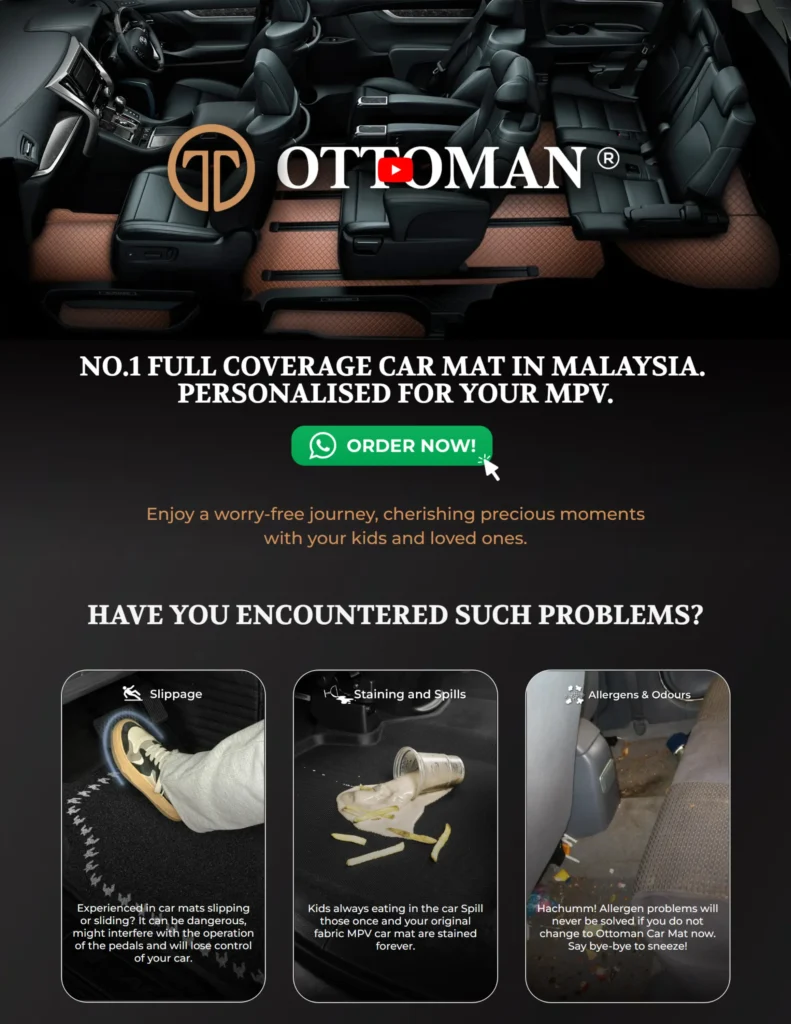
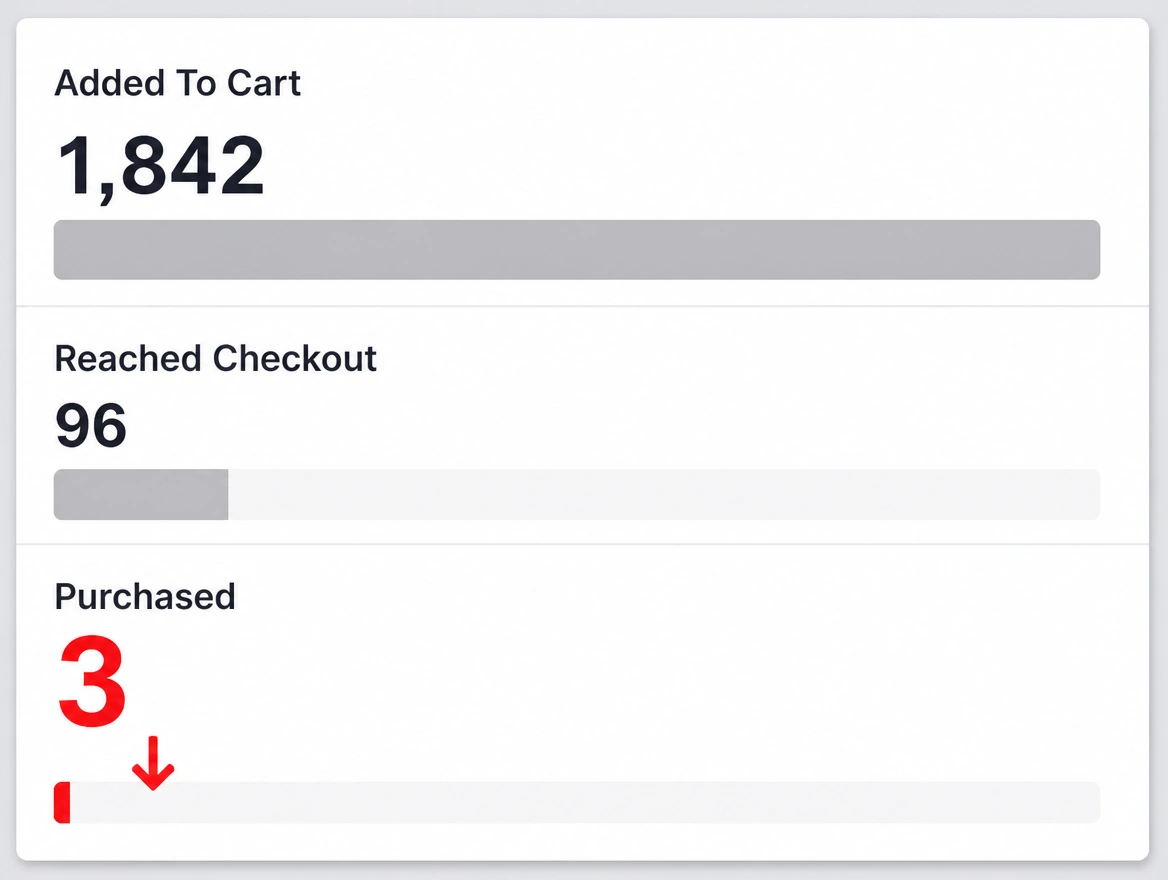
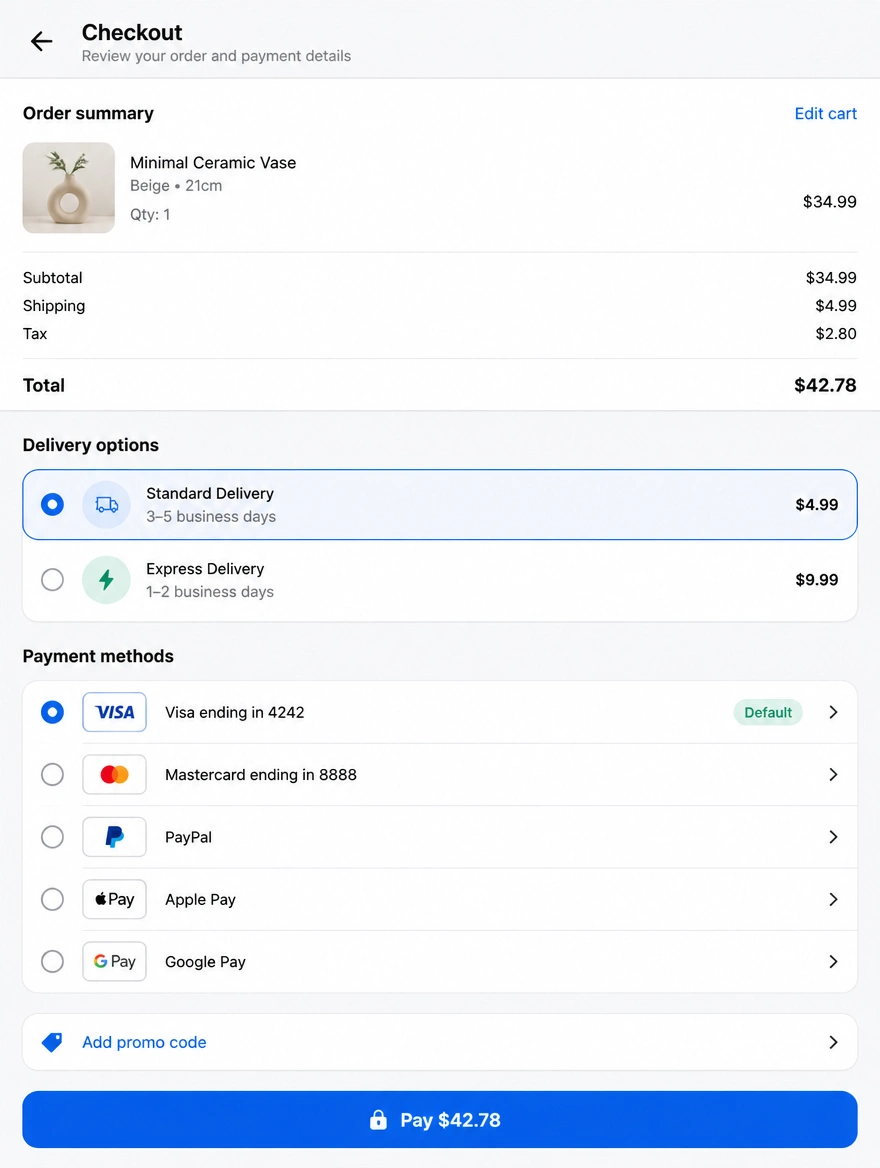
People add products to the cart but drop out during checkout.
ecommerce website
Seed Light designs and builds ecommerce websites on Shopify and WooCommerce, with product data, payments, shipping and tracking set up before launch.
The stack
Common problems
If any of these sound like yours, they are the first things we fix.
People add products to the cart but drop out during checkout.
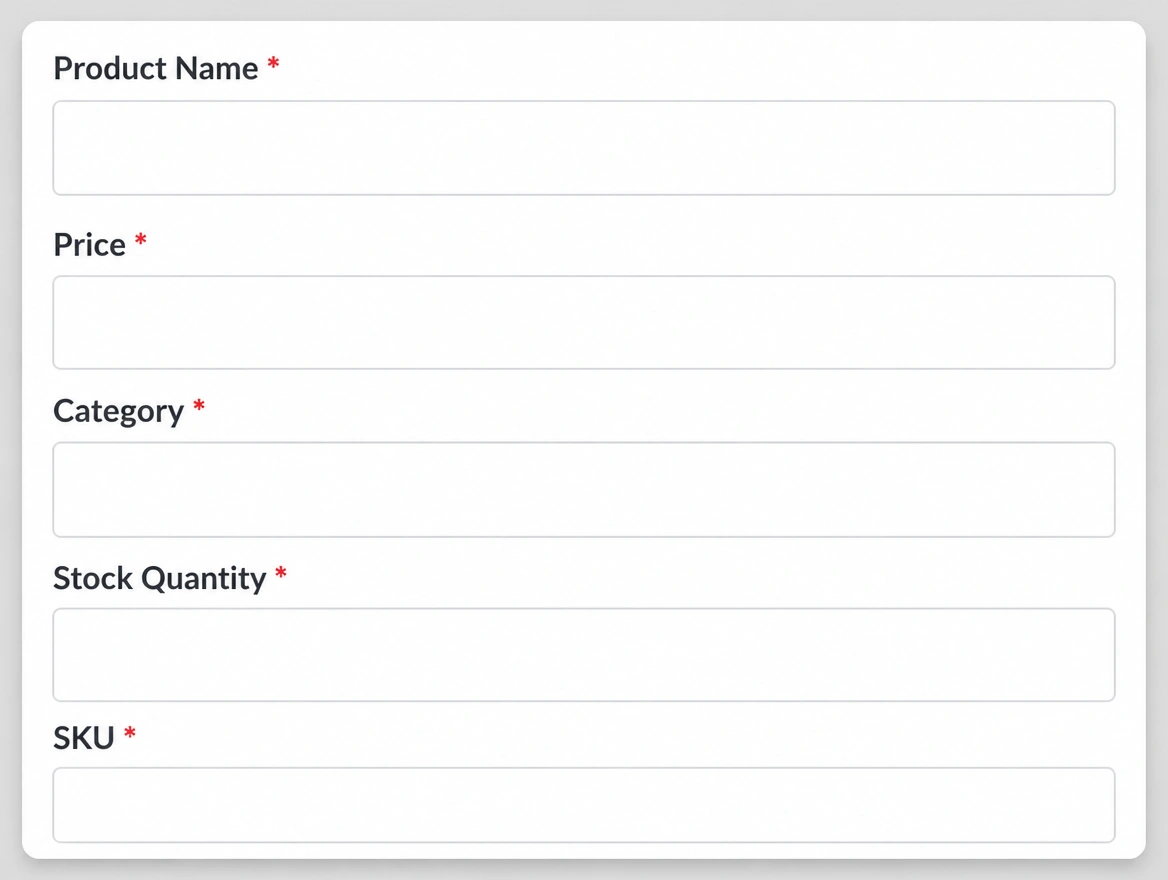
Adding or updating a product takes too much manual work.
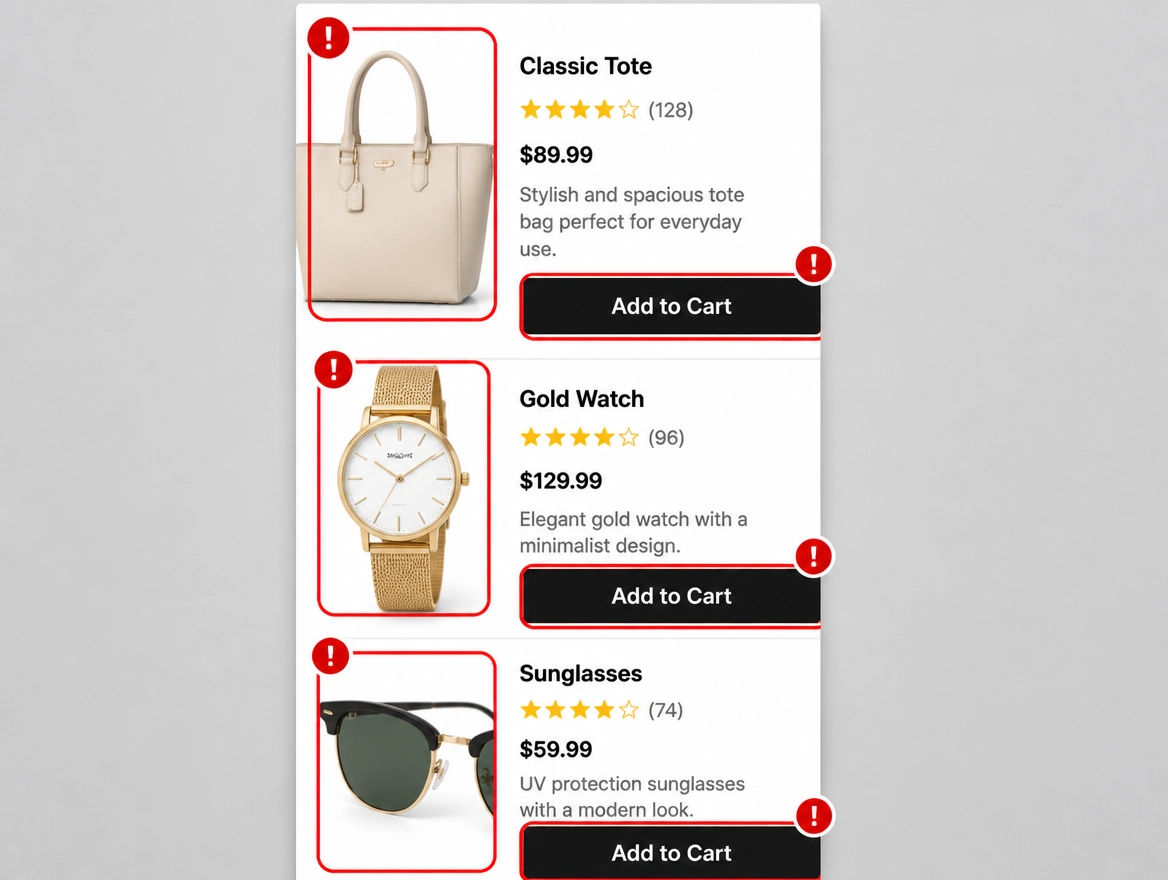
The store works on desktop but becomes difficult to use on mobile.
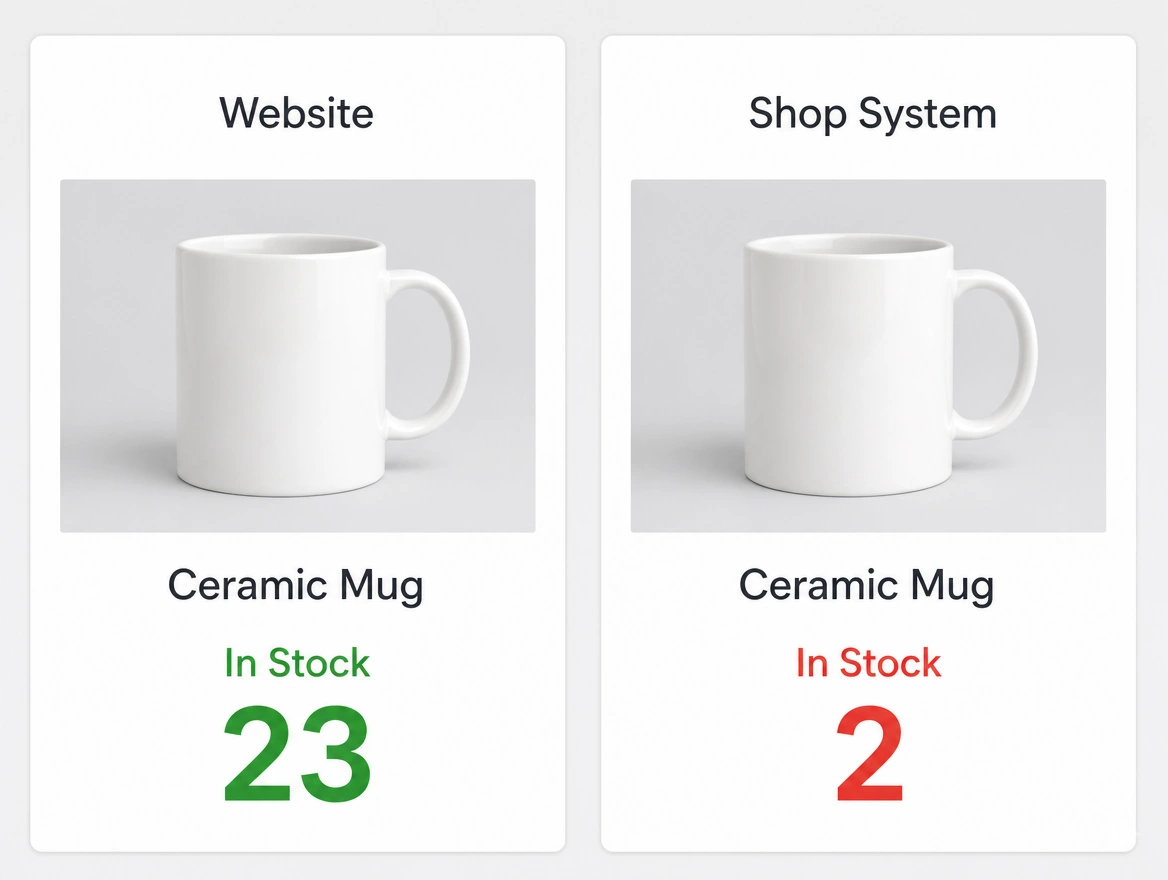
Stock levels are not synchronised between the website and other systems.
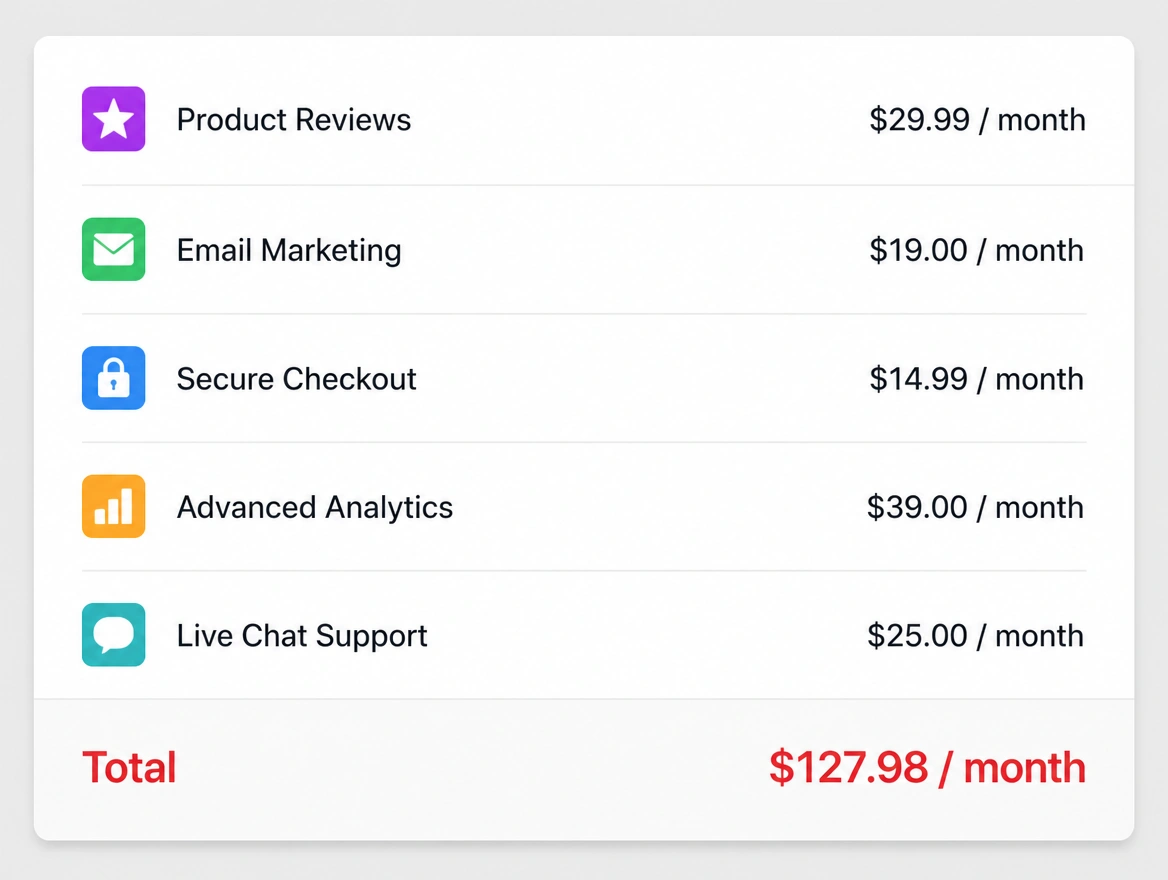
Too many paid apps are doing jobs the store should handle more cleanly.
Where we start
Fix the biggest problem first
We prioritise the issues most likely to affect leads, sales or wasted time instead of trying to change everything at once.
What we build
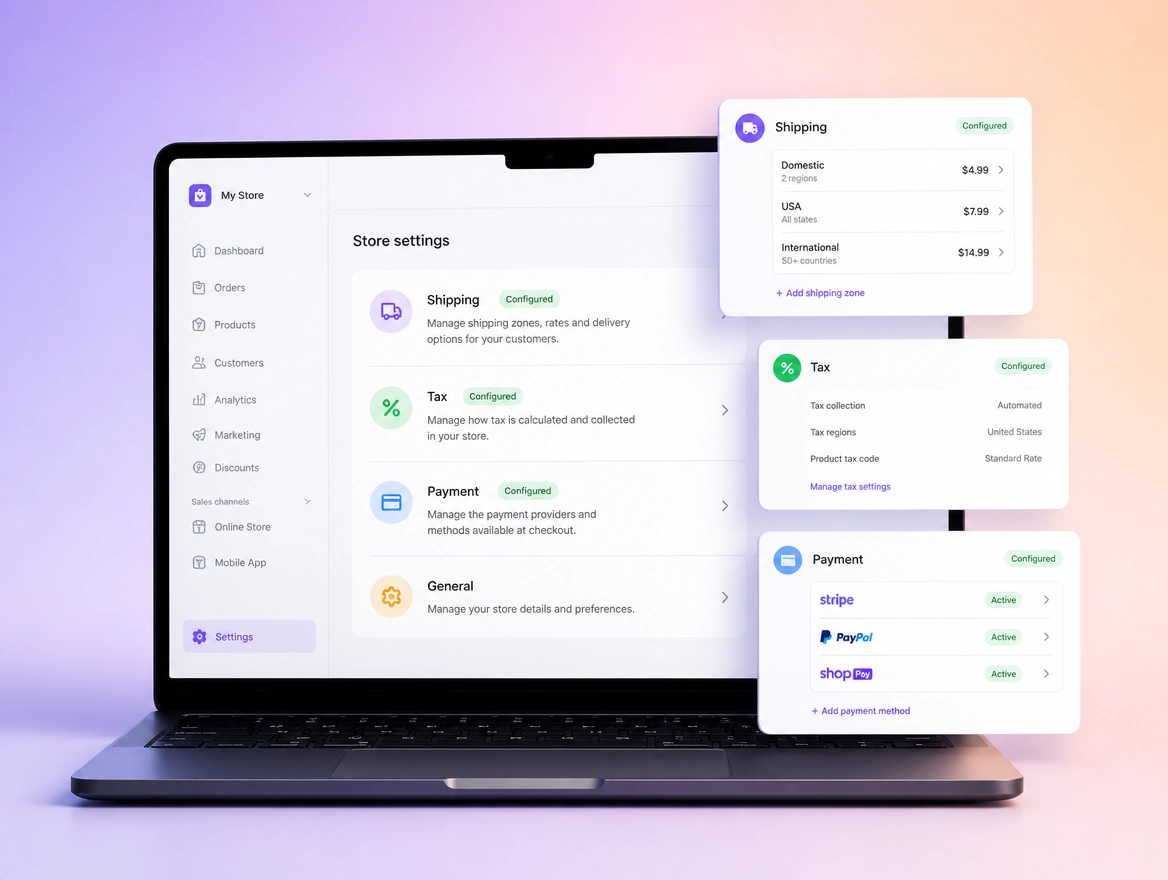
Shopify or WooCommerce chosen and set up around your catalogue and fulfilment.
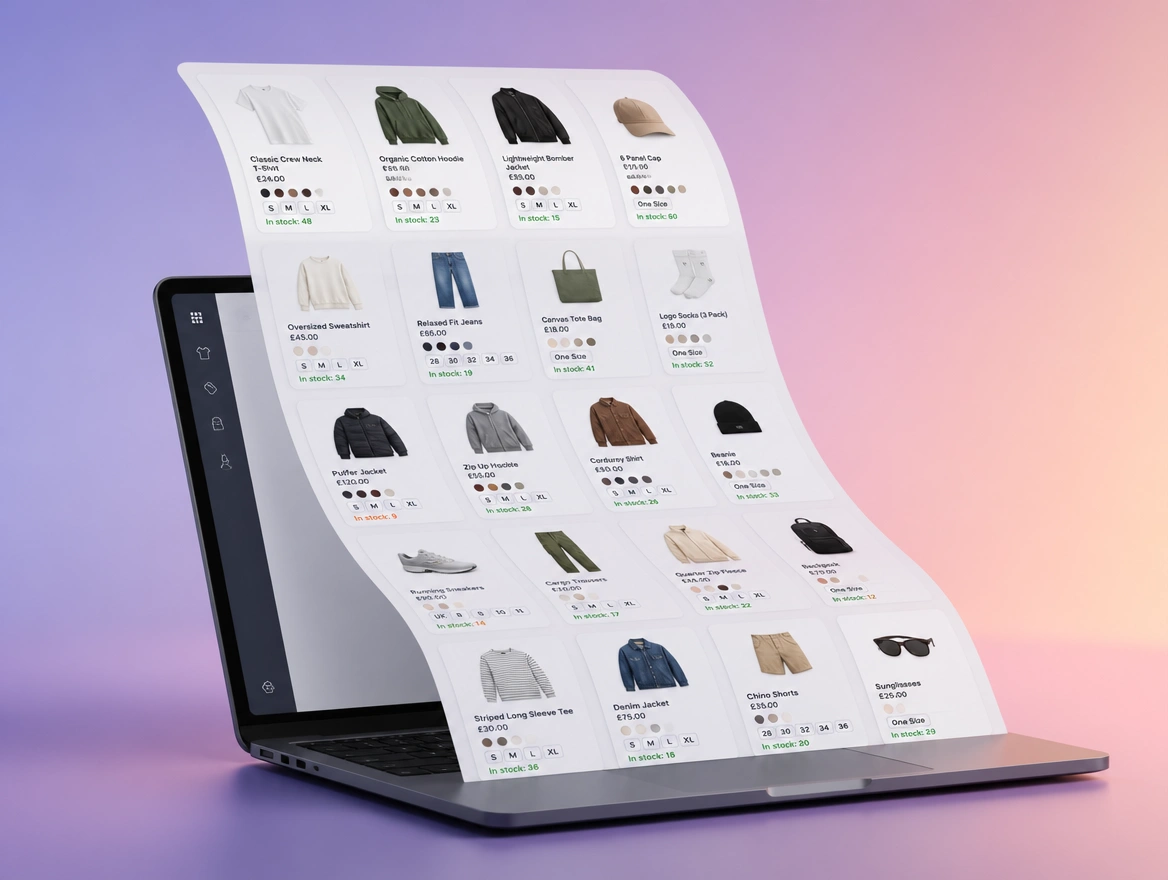
Variants, stock and images structured so your team can update products quickly.
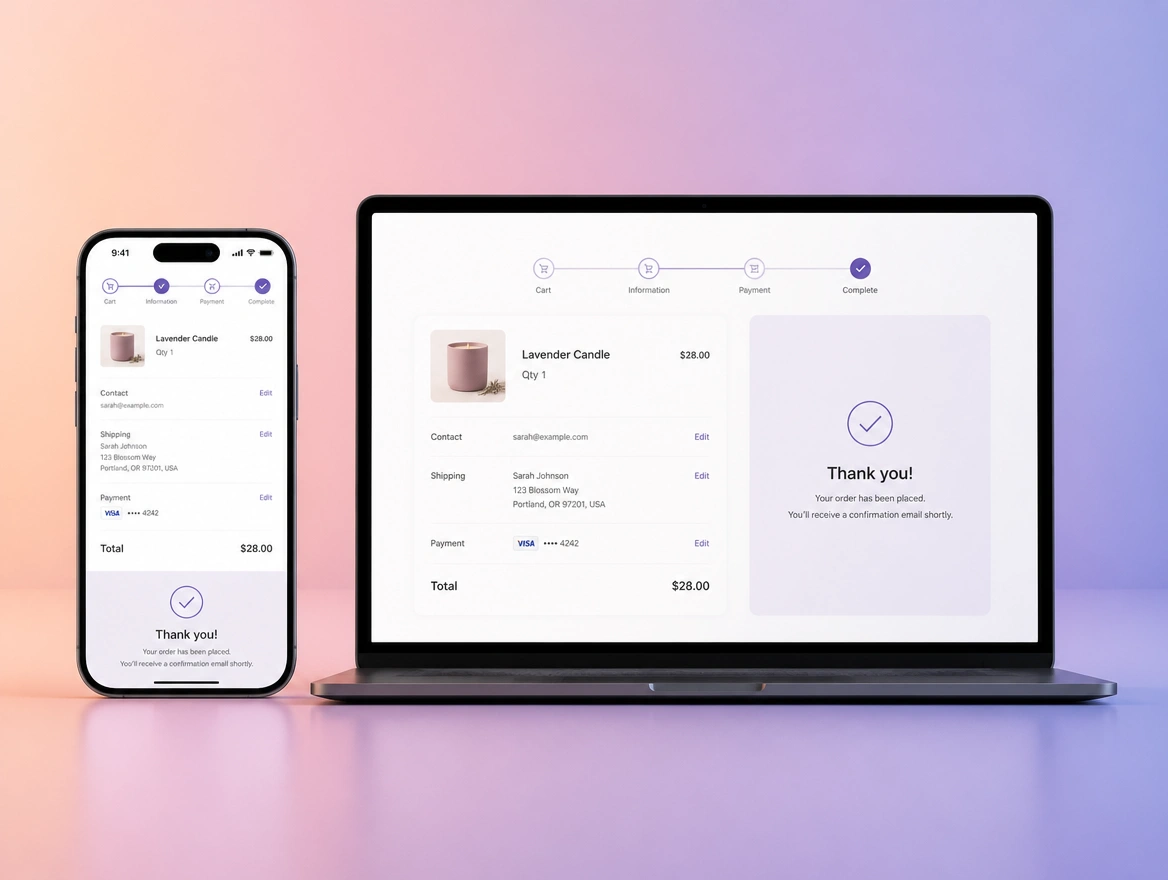
Fewer checkout steps, costs shown clearly, and cart recovery where it helps.
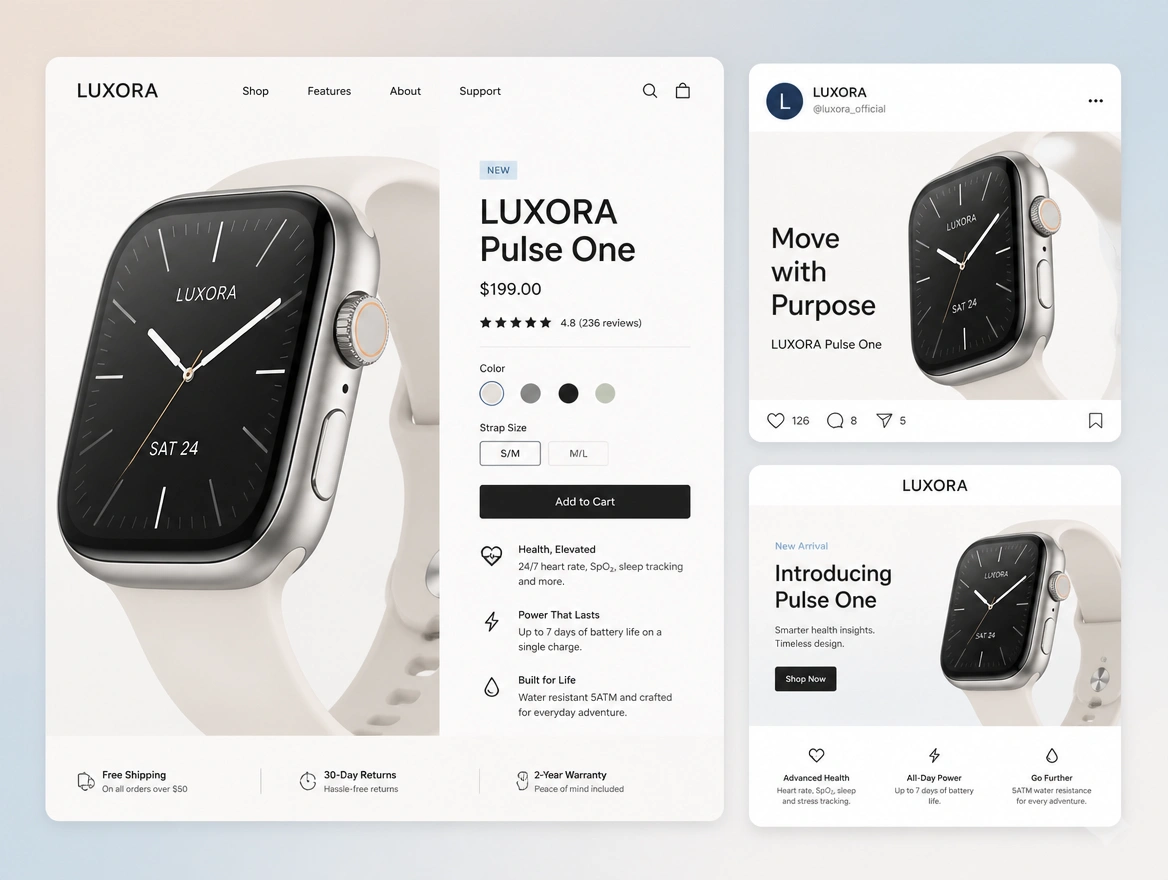
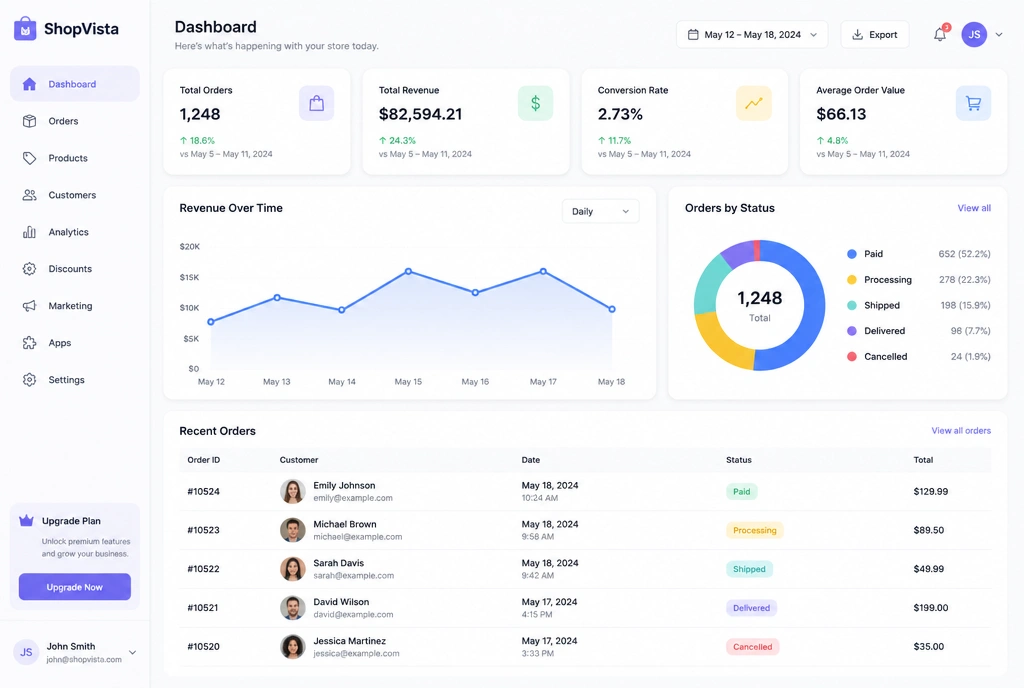
The store connected to search, ads, analytics and email so results can be measured.
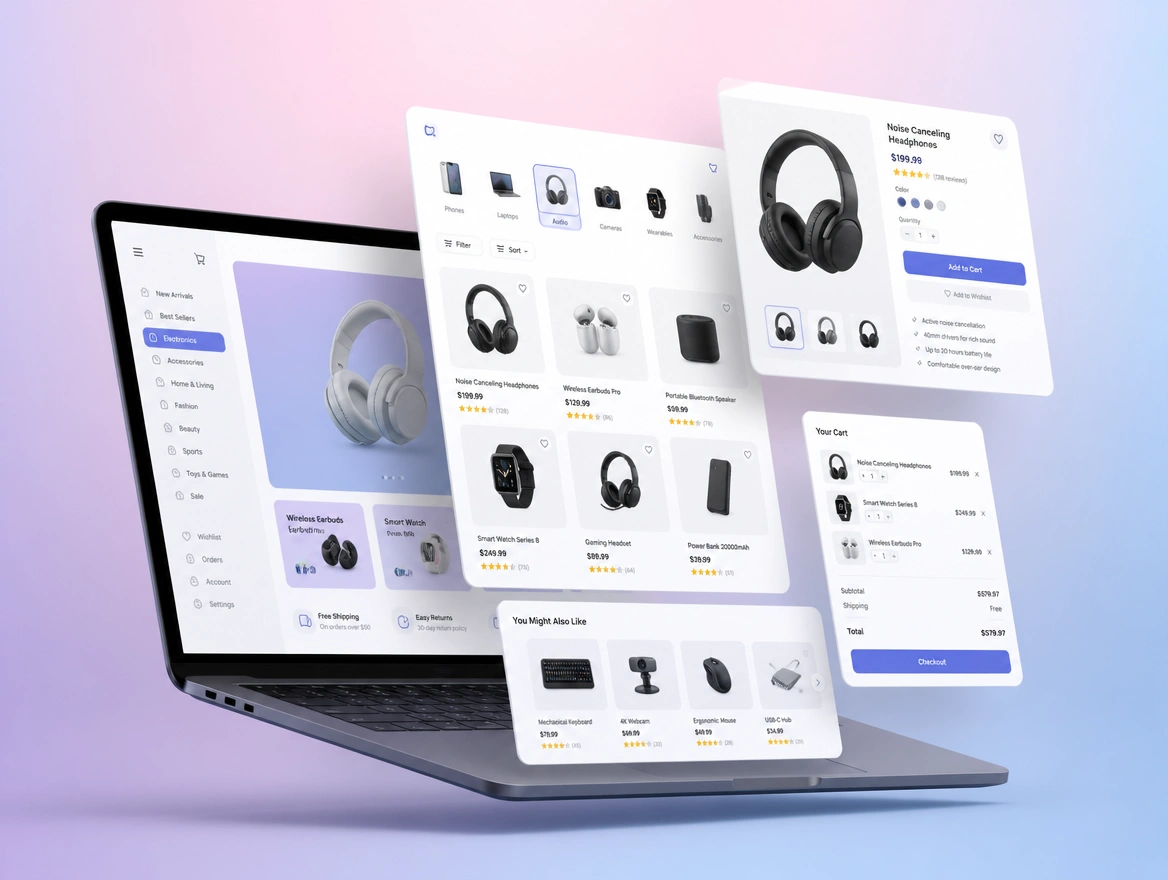
Category and product pages built on search intent, with clean URLs and structured data.
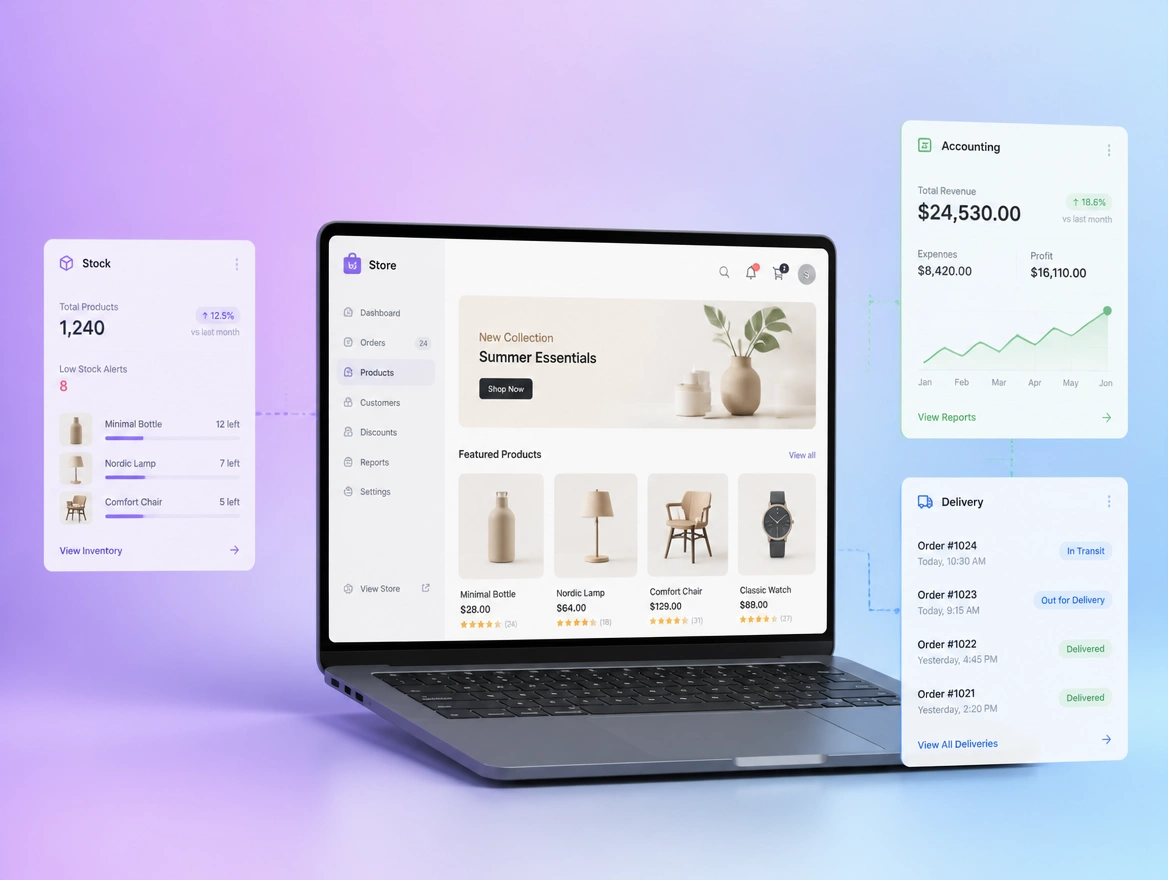
Stock, accounting and delivery connected where it cuts manual work.
What matters
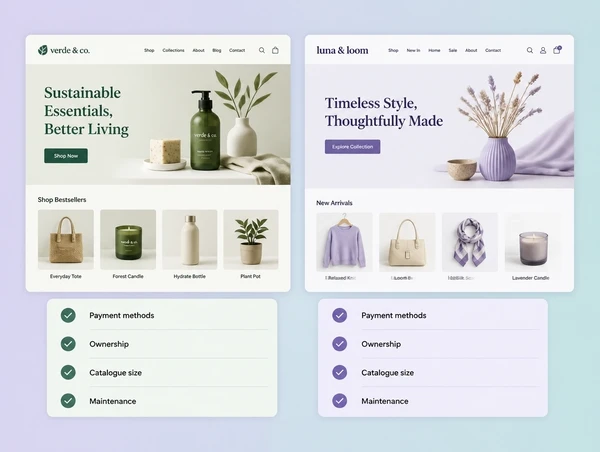
Shopify is hosted and kept running for you, with a monthly plan on top of gateway fees. WooCommerce runs on your own hosting with no platform fee, but someone has to maintain it. Both stay in your name.
Payments and FPX
Local gateway on either platform.
Transaction fees
Plan, gateway and app fees added up.
Catalogue size
Variants and stock at your scale.
Who maintains it
Hosted for you, or run by your team.
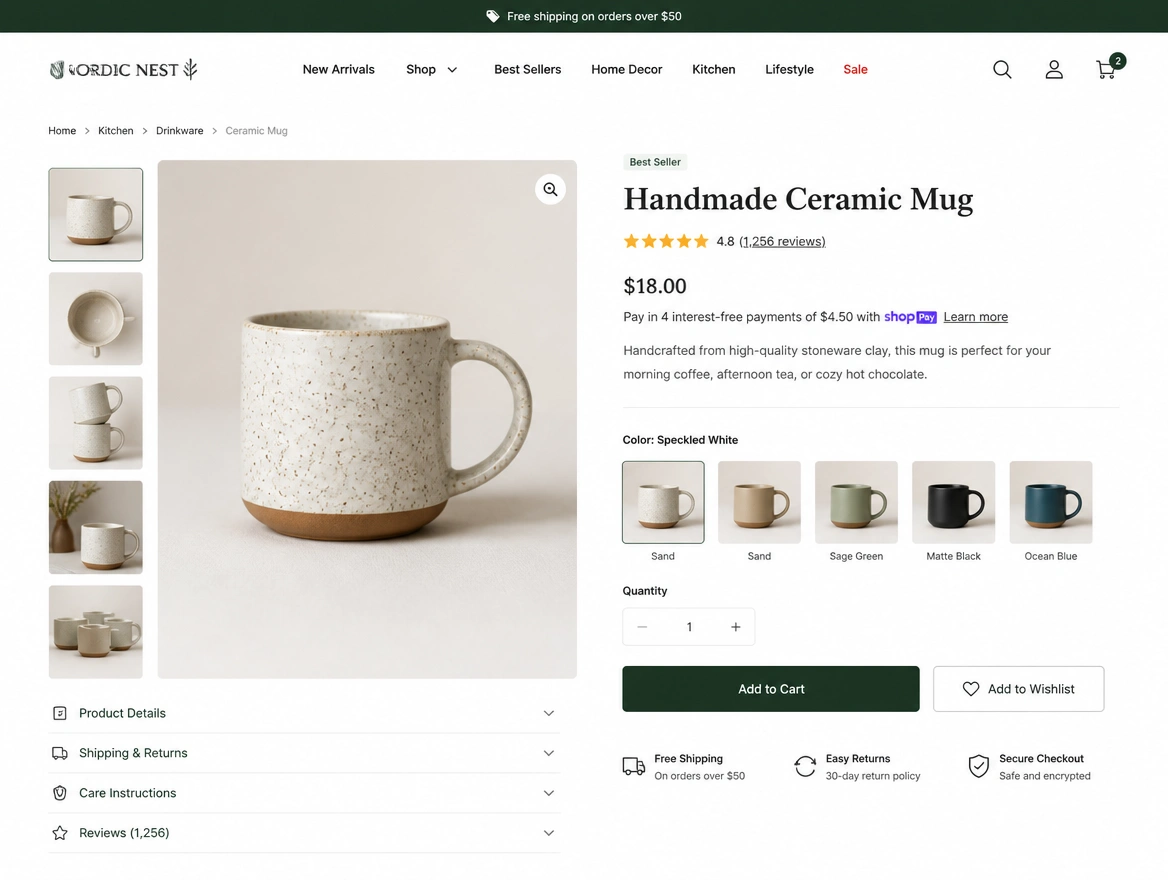
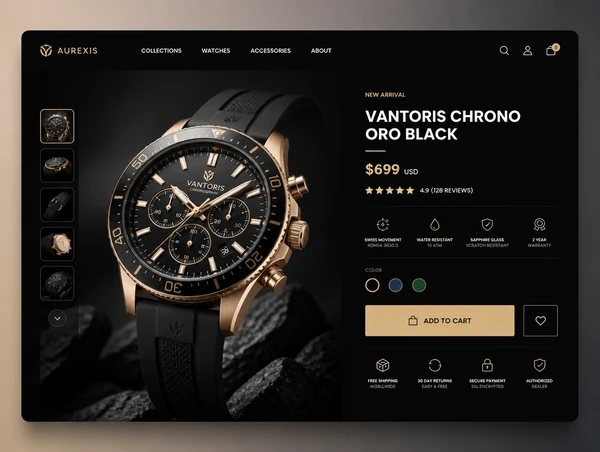
Give buyers the information they need to decide without making them hunt for basic details: what it is made of, what delivery costs, when it arrives and what happens if they want to send it back.
Product photography
Angles, close-ups and the item in use.
Benefits before specs
Why it matters first, specs below.
Product reviews
Placed beside the buy button.
Stock and delivery dates
Both shown before checkout.
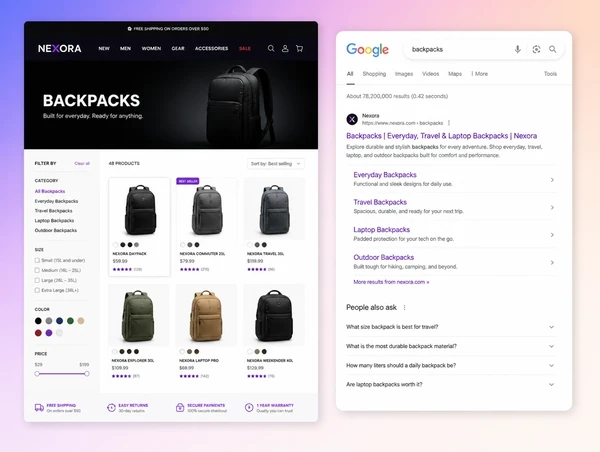
Important category and product pages need useful copy, clean URLs and relevant structured data. That gives search engines clearer information about what you sell without pretending rankings are guaranteed.
Category page copy
Written for the buyer choosing.
Product filters
Attributes set up so people can filter.
Product schema
Price, stock and ratings marked up.
Clean URL structure
Tidy addresses, with filters controlled.
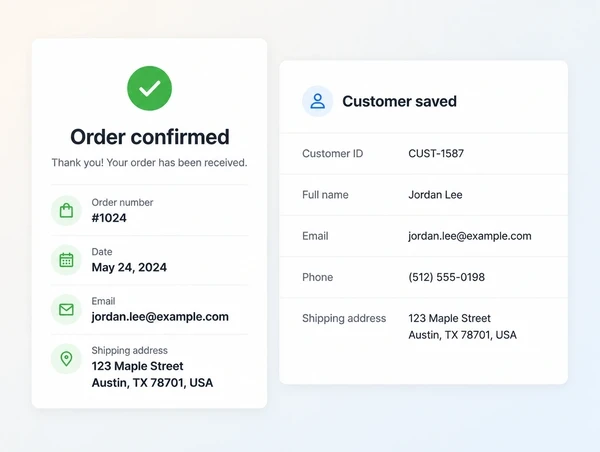
A sale through a marketplace belongs to the marketplace. Selling from your own store keeps the customer, the data and the margin with you, and leaves you something to market to the next time.
You own the customer
Their details stay with you.
No marketplace commission
The margin stays in the sale.
Repeat purchase emails
Past buyers are reachable again.
Your own email list
With consent, a list you own.
Case studies
Real client projects, each with its own case study page, shown beside demo concepts built to show our approach across different industries.
100+
Brands worked with
28,441+
Leads generated
$4.1M+
Sales generated for clients
Up to13x
Return on Meta ad spend
Tallied from client ad accounts and store reports. See the numbers on our results page.
How it works
What you sell and who buys it, settled first.
Clean product data makes the store easier to run.
Pages built mobile-first, checked on phones.
Gateways, delivery and tax set up, then a test order.
We launch, watch checkout, then fix what slows it.
What to compare
| What you get | Seed Light | Other competitors |
|---|---|---|
| Which platform fits the way we sell? | Shopify or WooCommerce, chosen with you | Providers often favour one platform, so ask why |
| Is the product data structured properly? | We structure it before launch | Product data is often left for you to load |
| Are payment and shipping rules included? | Set up and configured for you | Payment and shipping is often quoted apart |
| Is checkout tested on real devices? | Tested end to end on real phones | Testing is often desktop only, so ask |
| Is ecommerce SEO included? | Category and product pages covered | Product and category SEO is commonly extra |
| Who handles integrations? | Stock, accounting and delivery connected | Integrations are often quoted per connection |
| Do we own the store and data? | Yours, in your own accounts | Some stores are built in the provider's account |
| Will our team receive training? | Recordings and a live session | Handover varies, so ask what you actually get |
Packages
Priced per build, not per month. Platform fees stay in your own account.
A first store with a small, straightforward catalogue.
What's included
Businesses actively growing online sales and sending regular traffic to the store.
What's included
Wholesale pricing, custom rules and integrations.
What's included
Platform and gateway fees stay in your own name, so you keep the store. One-off project with optional ongoing support.
Straight answers
What people ask before committing to a platform. Answered plainly.
Who this is for
Anywhere a customer researches before they buy.

Websites that fill your calendar with discovery calls and bookings.
Business, life & fitness coaches

Listing pages that turn lookers into booked viewings and buyers.
Agencies & negotiators

Get found on Google Maps and search, and win more local customers.
Salons, services & shops

Websites that fill tables with bookings and online orders.
Restaurants, cafes & bars

Online stores built to turn more shoppers into buyers.
Fashion, gadgets & FMCG

Websites that build trust, explain your services and bring in enquiries.
Law, accounting & consulting
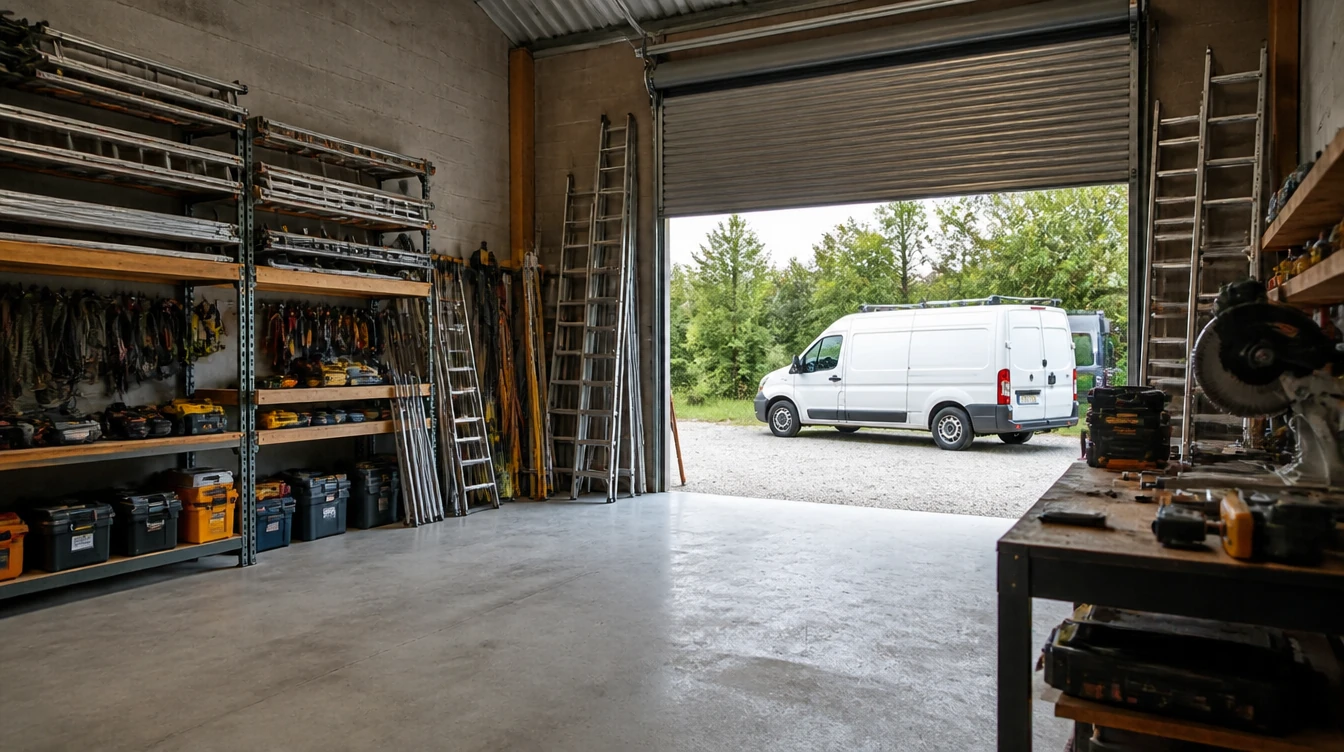
Websites that show your past jobs and bring in more quote enquiries.
Renovation, electrical & aircon
Coverage
We are based in Penang and work with businesses around the country. Pick a place to see what this service looks like there.
Often paired with E-commerce Development: a new website, an SEO agency, Google Ads campaigns, Facebook and Instagram ads and advertising campaigns.
Read more on this: Ecommerce SEO Strategy and Ecommerce Homepage Design.
Let’s talk
Tell us what you want to grow or improve. We’ll reply within 24 hours with honest advice, even if we never work together.
Prefer email or a call? hello@seed-light.com · +60 16-411 9138
Results so far
Results from real clients100+
Brands worked with
28,441+
Leads generated
$4.1M+
Sales generated for clients
Up to 13x
Return on Meta ad spend
Monthly leads