
Free tool
Automation Savings Calculator: Calculate Time and Cost Savings
Seed Light built this free automation savings calculator to show what one repeated task costs you in time. It also shows the labour value a year of that time would release once software handles it.
Pick one weekly job and see the labour value a year of that time would release.
The task you want to automate
Count every run by everyone, not one person.
Door to door, including the checking at the end.
Pay plus the extras you carry on top of pay.
Out of 100. There is no universal percentage, so use what the task in front of you looks like. Most jobs keep a human check at the end.
Your result
Enter your numbers and your result will appear here. The calculation runs in your browser.
Book a free 15-minute call and we will help you read the numbers and decide what is worth improving first.
We record the result band you reach, not the numbers you enter.
Free to use, with no sign up. The calculation runs in your browser, so the values you enter are not sent to our server or stored.
The maths
How this calculator works
- 01
Count the time the task takes now
Times a week multiplied by minutes each run. That is the raw weekly cost of the job, before anyone touches it.
- 02
Take out the part software can handle
Your share out of 100. A sensible build leaves a person to check the odd case, which is why very few tasks reach 100.
- 03
Turn the minutes into a year
Saved minutes a week, divided by sixty for hours, multiplied by fifty two weeks. That gives you the hours back.
- 04
Value those hours
Hours released multiplied by what an hour of that person costs you. That is labour value released, not cash saved. It becomes a financial benefit only when the capacity is used or the paid hours stop.
A worked example
A supplier types orders from email into its system forty times a week. Each one takes twelve minutes. Software can read the email and fill the order, leaving a person to check it. Example only. Replace these assumptions with your own numbers.
- Times a week
- 40
- Minutes each run
- 12
- Time spent a week
- 8 hours
- Share software takes over
- 70 in 100
- Hours saved a week
- 5.6 hours
- Hours saved a year
- 291 hours
- Labour value released a year, at 1 unit an hour
- 291 units
Straight answers
Common questions
Common questions about the calculation and how to use the result.
Keep going
Other tools to try
Automation
Manual Work Cost Calculator
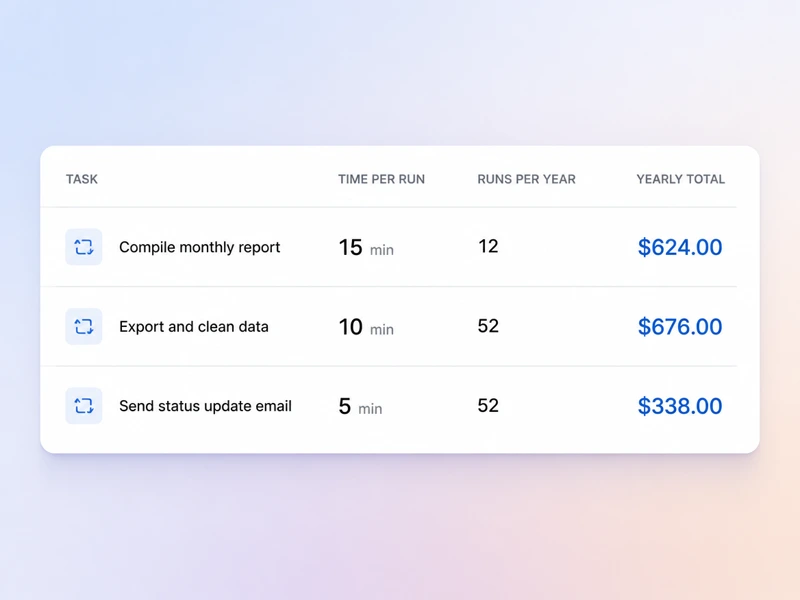
Enter who does the work and how long fixing errors takes, and see the yearly bill for it.
Open the tool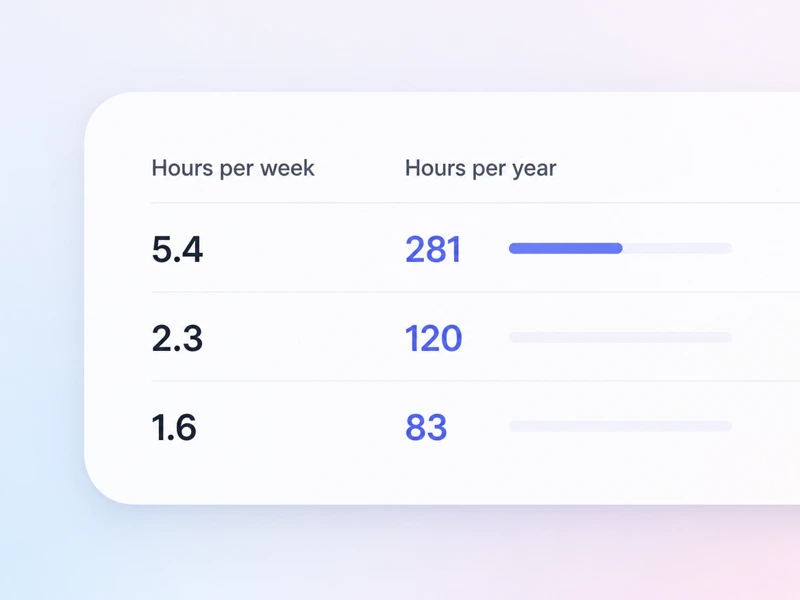
Automation
Time Savings Calculator
List the small jobs your team repeats, and see how much of the year they quietly take.
Open the tool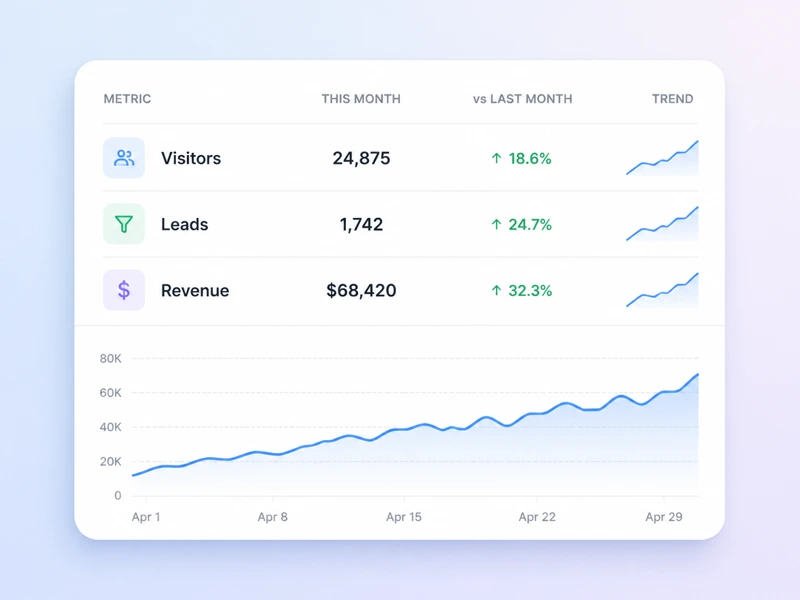
Growth
Business Growth Calculator
Answer five questions and see the yearly revenue your website carries, and what would lift it.
Open the tool
Let’s talk
Ready to get more
customers?
Tell us what you want to grow or improve. We’ll reply within one working day with honest advice, even if we do not work together.
Prefer email or a call? hello@seed-light.com · +60 16-411 9138
Results so far
Results from real clients100+
Brands worked with
28,441+
Leads generated
$4.1M+
Sales generated for clients
Up to 13x
Return on Meta ad spend
Tallied from client ad accounts and store reports.
Monthly leads