Local Citations 2026: Which Directories Are Still Worth It?

Local citations 2026 is a smaller job than it was. As a ranking signal they sit inside what Google calls prominence; as a way of looking legitimate they are unchanged. Get five listings exactly right, then move the effort to reviews. Seed Light does local SEO for small businesses.
Local citations 2026 looks very different from local citations a decade ago. It used to be an industry. Somebody would sell you four hundred directory listings and you would feel like you had done something.
That job has shrunk considerably, and the part that remains is worth doing properly rather than in bulk.
The shrinking happened quietly. Services selling the old version are still trading on it.
This guide covers what a citation actually does now, which local business listings still earn their place, and what to do with the rest of the budget.
Key Takeaways
- A citation does two jobs. A ranking signal, and a trust signal.
- Accuracy beats volume. Five correct listings beat four hundred.
- Google names three factors. Relevance, distance and prominence.
- Wrong details cost you a customer. A ranking position is the smaller loss.
- Then move on to reviews. That is where the effort now belongs.
What Local Citations 2026 Actually Means
A citation is any mention of your business name, address and phone number on another website.
A directory listing, a chamber of commerce page, an industry body's member list, a local news mention with your details in it. Business directories are the obvious case and not the only one.
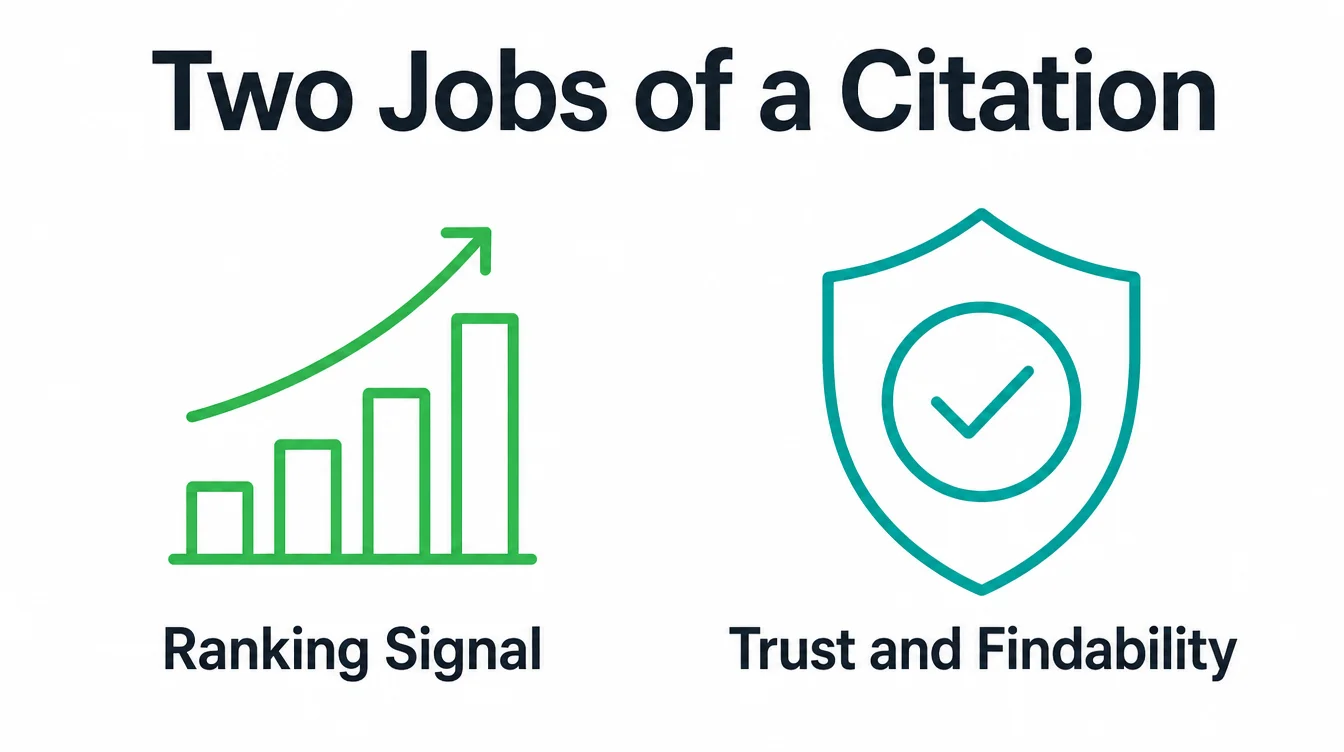
It does two different jobs, and conflating them is why advice on this subject contradicts itself so often.
The first is a ranking signal, which has become a smaller part of the picture than it once was.
The second is being findable and looking legitimate, and that job has not shrunk at all.
What Google Actually Says
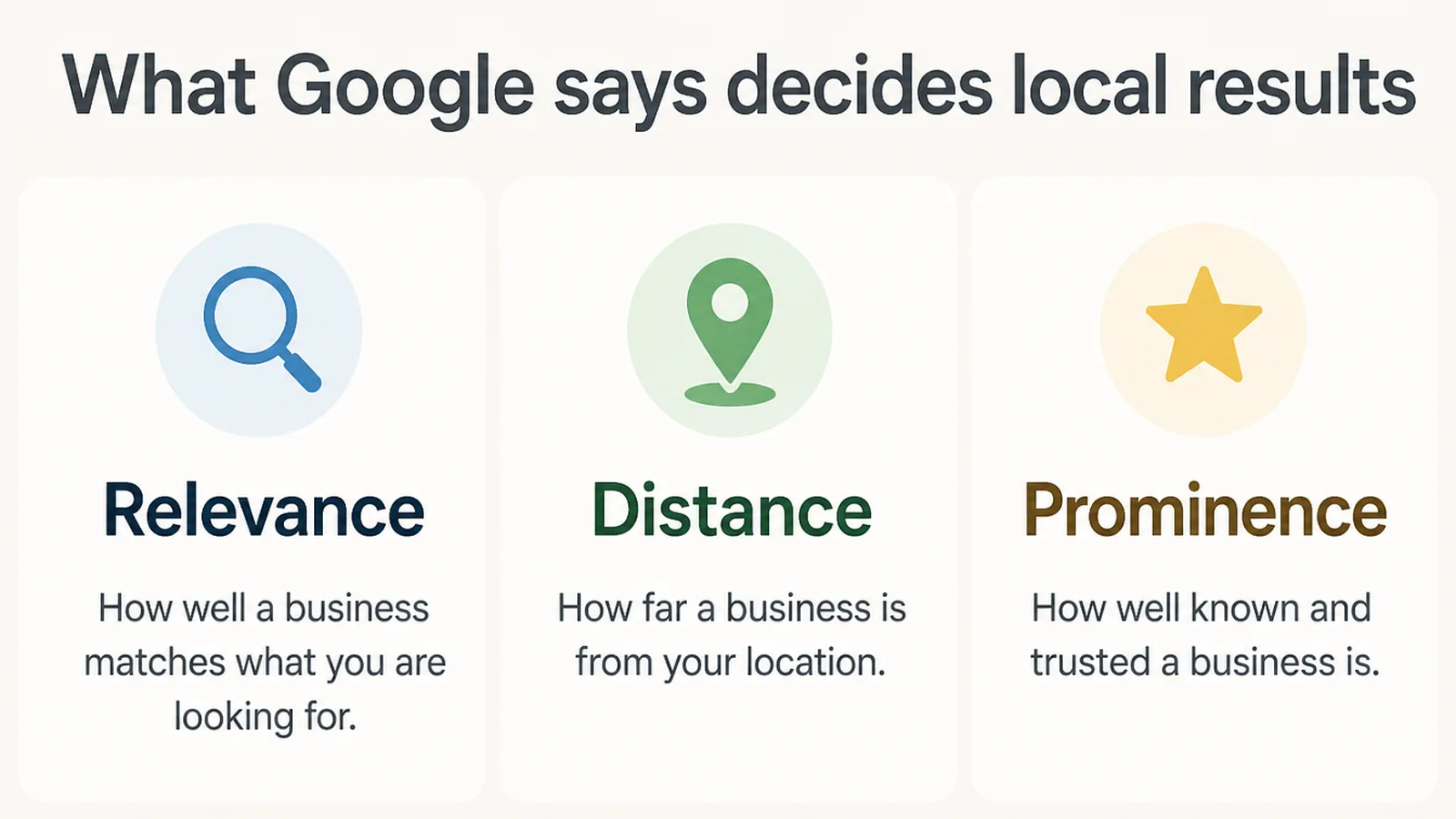
Google's own guidance on local ranking names three factors, and it is worth reading rather than inferring.
Relevance is how well a business profile matches what somebody searched for. Complete information is what helps Google make that match.
Distance is how far each business is from the person searching, and you cannot do anything about it.
Prominence is how well known a business is, and Google says it considers things like links from other websites and the number of reviews and ratings.
Citations sit inside prominence rather than being a factor of their own. That placement explains their diminished weight more honestly than any survey does.
The Trust Job Still Pays
This is the part that gets lost in arguments about ranking weight.
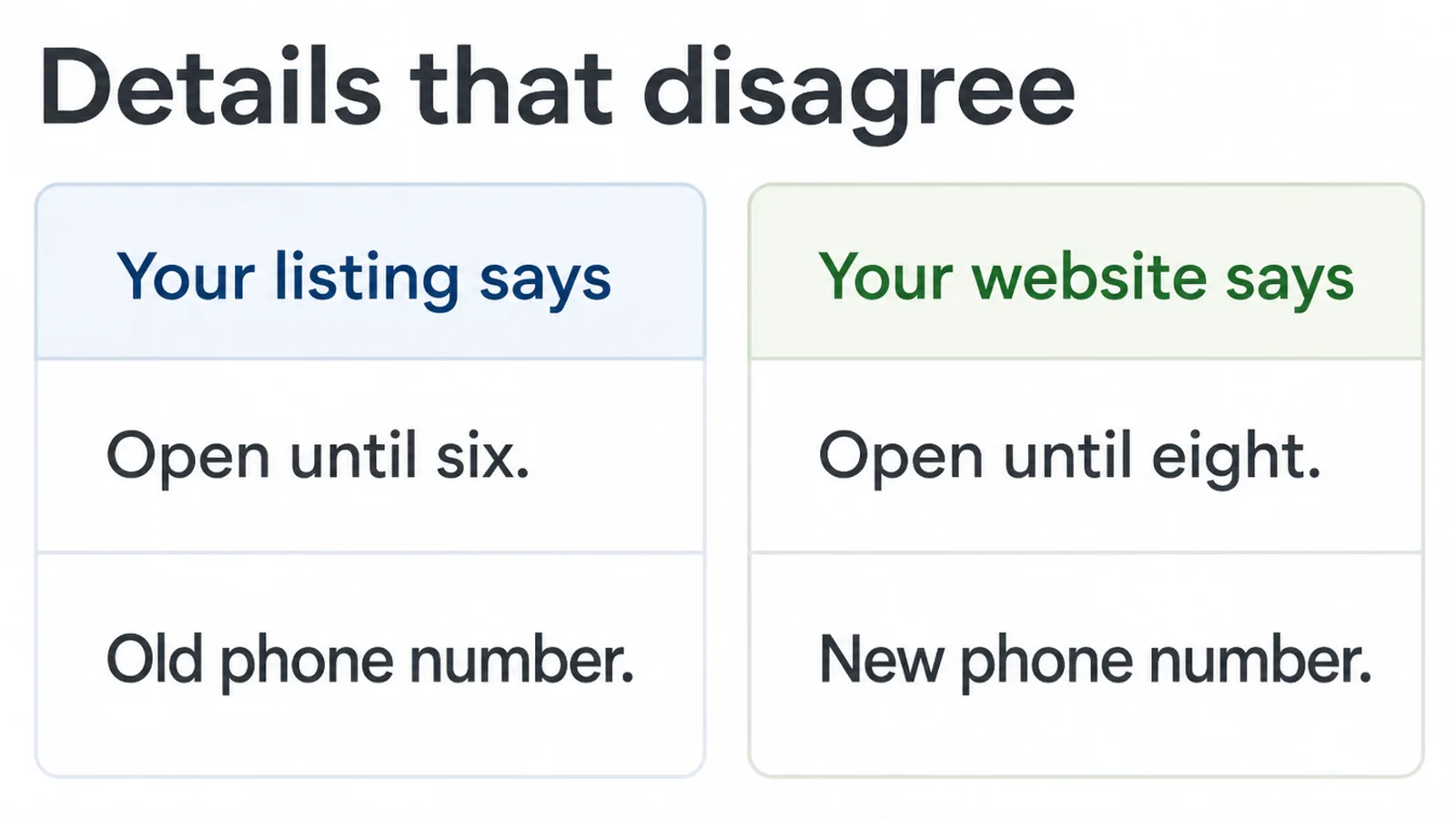
Somebody checking whether you are real will find your listings. A listing with the wrong phone number does not cost you a position, it costs you that customer.
Opening hours that disagree between your website and a map listing are worse still, because somebody acts on one of them and arrives at a closed door.
So the question is not how many citations you have. It is whether the ones that exist are correct.
Correct also means current. A listing that was right when it was created and describes a service you dropped two years ago is doing active harm.
Search your own business name and look at what comes back. Most owners find at least one listing they had forgotten about, with details from two phone numbers ago.
Old listings are stubborn things. They were often created automatically from public records rather than by anybody at the business, so nobody remembers making them.
Local Business Listings That Still Matter
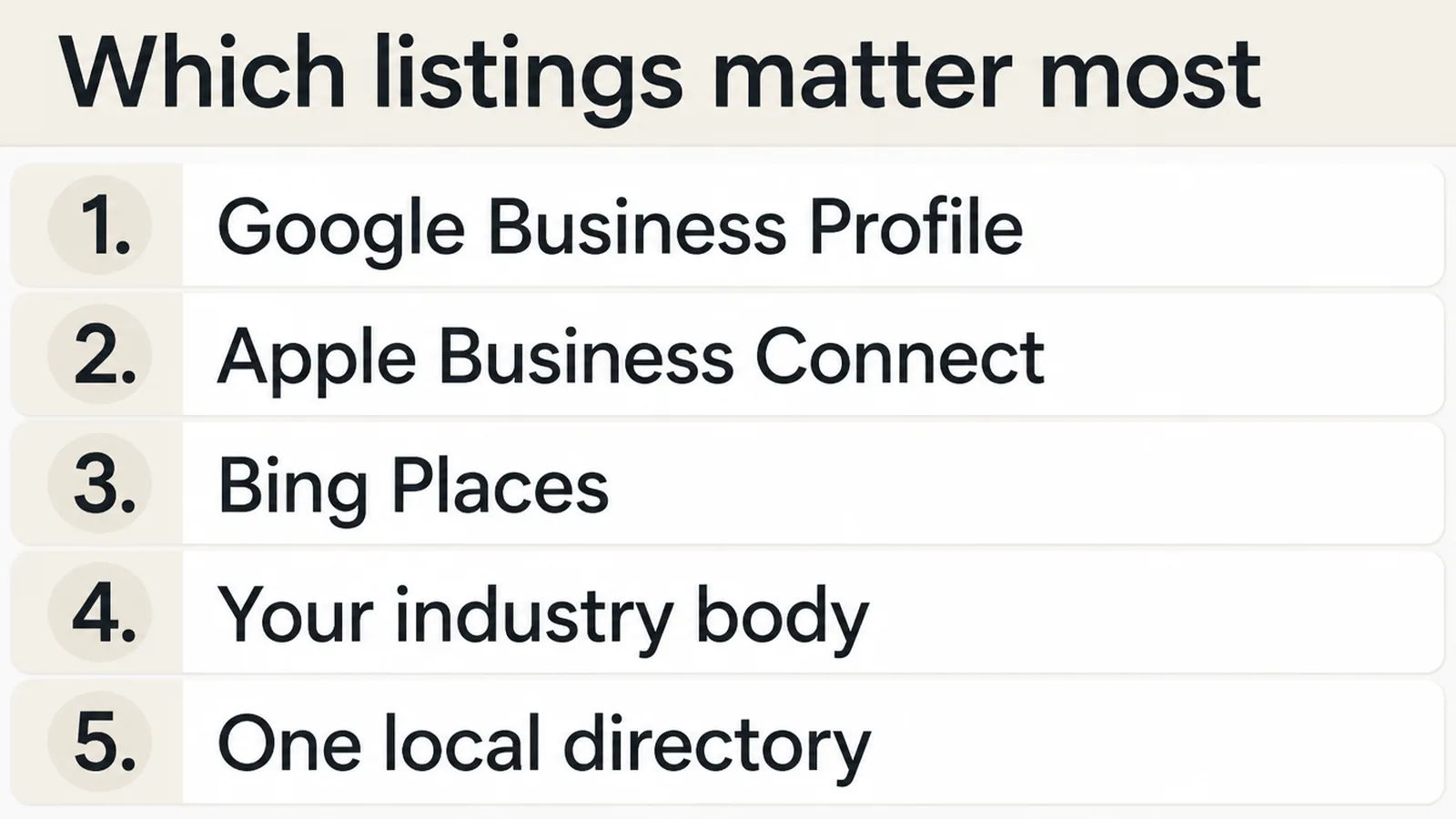
Five, for most small businesses, and the order is not arbitrary. Citations local seo advice often lists fifty.
Your Google Business Profile, which is not really a citation at all but is the single most important thing on this list by a distance.
Apple Business Connect, because it feeds the maps application on every iPhone.
Bing Places, which takes minutes to claim and feeds more than people assume.
Then your industry body or trade association, and one genuinely used local directory if your area has one.
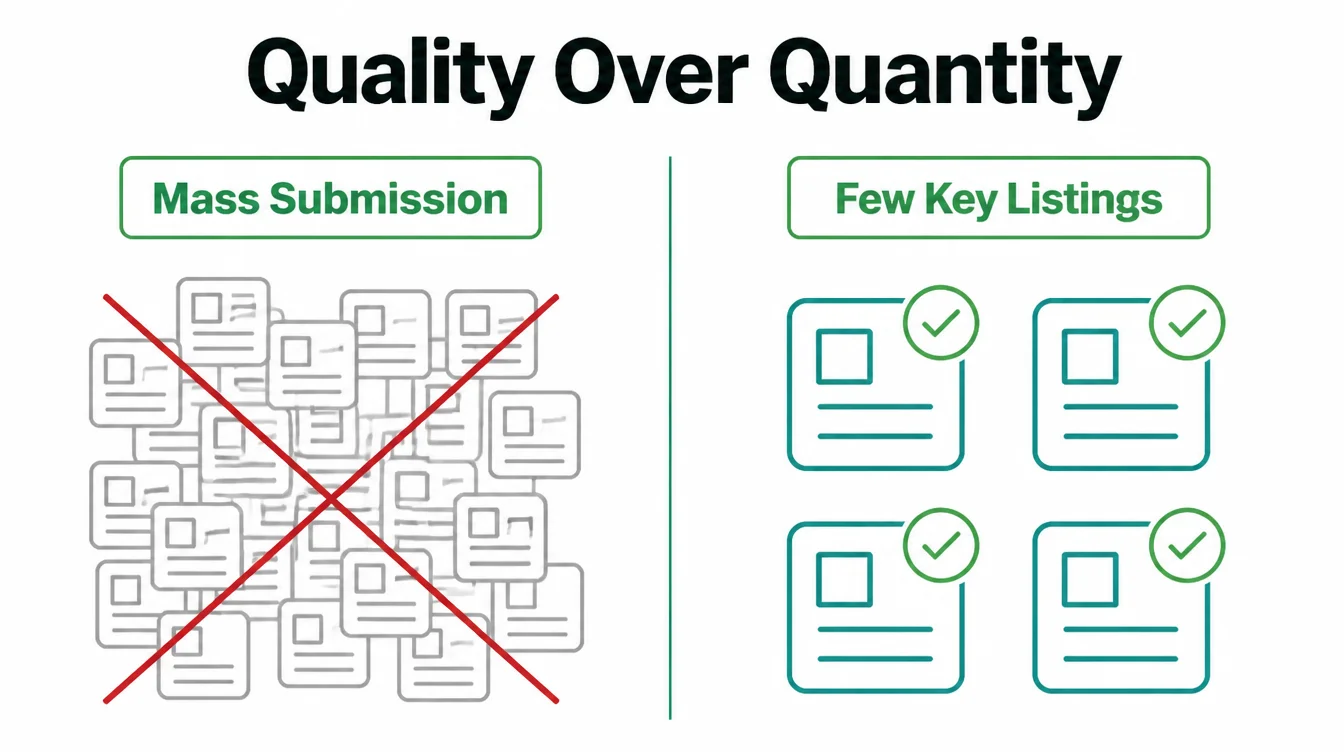
Everything beyond those five is optional, and most of it is noise sold by the hundred.
A sixth is worth adding where your trade has a directory people genuinely use. Restaurants, trades and professional services each have one or two that customers actually open.
Ask a customer where they looked before calling you. That answer is better evidence than any list published online, including this one.
How to Sort Your Citations
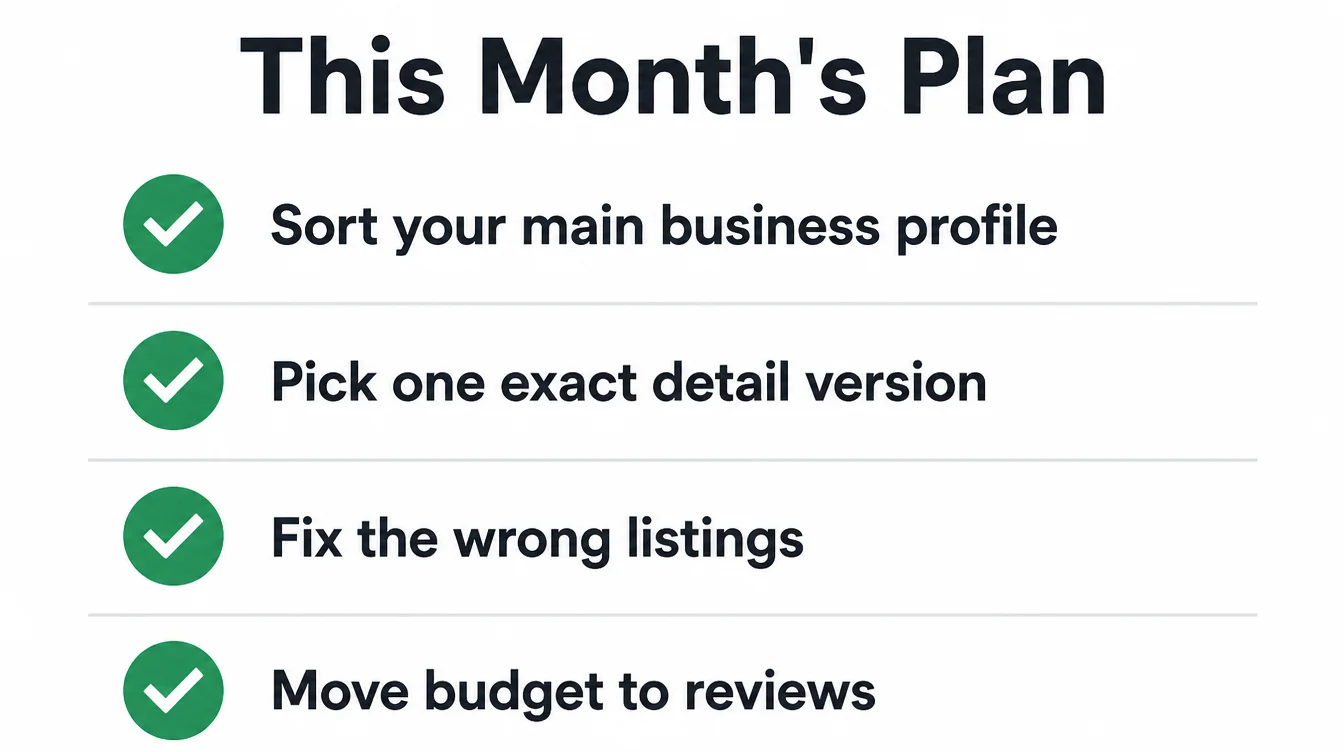
Three steps, and the whole job is an afternoon rather than a project.
1. Decide the exact details, once
Nap citations are only as useful as they are consistent. Write down one version of your name, address and phone number, exactly as it should appear everywhere.
Decide the small things and stick to them. Street or St. Suite or Unit. With or without the legal suffix on your business name.
This sounds trivial and it is the entire job. Inconsistency comes from nobody having decided, rather than from anybody getting it wrong.
Keep that version in a document somewhere, because the next person adding a listing will need it.
Include the things nobody thinks to write down. Which email address, which website address with or without the www, and the category you describe yourself as.
Five exactly identical listings are worth more than fifty near matches.
2. Claim and correct the five
Work through the list in order. Claim each listing, verify it, and make every field match the version you wrote down.
Fill in everything the profile offers rather than the minimum. Hours, services, photographs, a description, the categories.
Google's guidance says complete and detailed information helps it match your business to relevant searches, so a half finished profile is leaving something on the table.
Then find the old listings you no longer control and fix or remove what you can. Some will be stubborn, and that is acceptable.
Prioritise by what a customer would actually see. A wrong phone number on a site that appears on the first page of your own name search matters. One buried on page four does not.
3. Move the budget to reviews
Once the five are correct, citations stop being a project and become a thing you check occasionally.
Google names the number of reviews and ratings as something it considers for prominence, so that is where attention now belongs.
Ask every satisfied customer, make it easy with a direct link, and reply to the reviews you get.
Replying matters more than people expect. It is visible to everybody reading afterwards, and it is the clearest signal that somebody is paying attention.
That is a better use of the same hour than another twenty directory submissions, and it compounds in a way listings do not.
Set a reminder to check the five once or twice a year. Hours change, numbers change, and a listing nobody has looked at since it was claimed drifts quietly out of date.
Directories and AI Answers
Generated answers pull from what the web says about you, which includes your listings as well as your own site.
So consistent details help here for the same reason they always did. Contradictory information gives a summariser no way to decide which version is right.
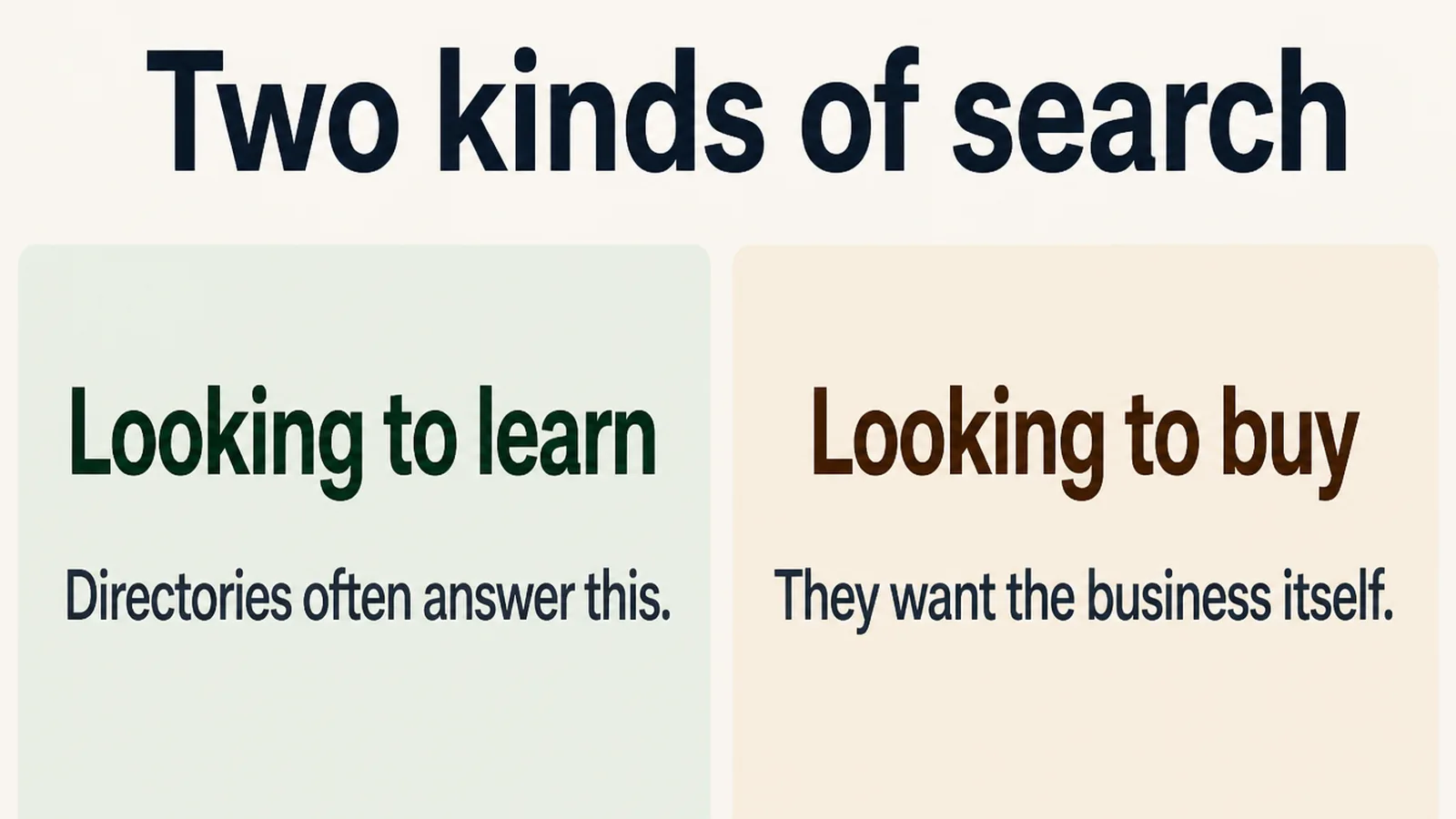
What has changed is where somebody ends up. A person wanting to learn something may be happy with a directory page, and a person ready to buy wants the business itself.
So treat listings as a way of being described accurately rather than as a destination you are trying to rank.
That framing also settles most of the arguments. You are not competing with the directory, you are making sure it describes you correctly when somebody lands on it.
Where Directories Still Win
| Situation | Why a listing helps |
|---|---|
| Somebody checking you exist | A consistent listing is the reassurance they came for |
| Searches on a maps application | Apple and Bing feed those, and neither is Google |
| Regulated or certified trades | An industry body listing proves something your site cannot |
| Very local, long established directories | In some areas people genuinely still use them |
Outside those situations, a directory listing is housekeeping rather than marketing. Worth getting right, not worth paying much for.
The exception worth watching is any directory that ranks well for your own service and location. If one appears above you repeatedly, being listed on it accurately is sensible.
Common Mistakes
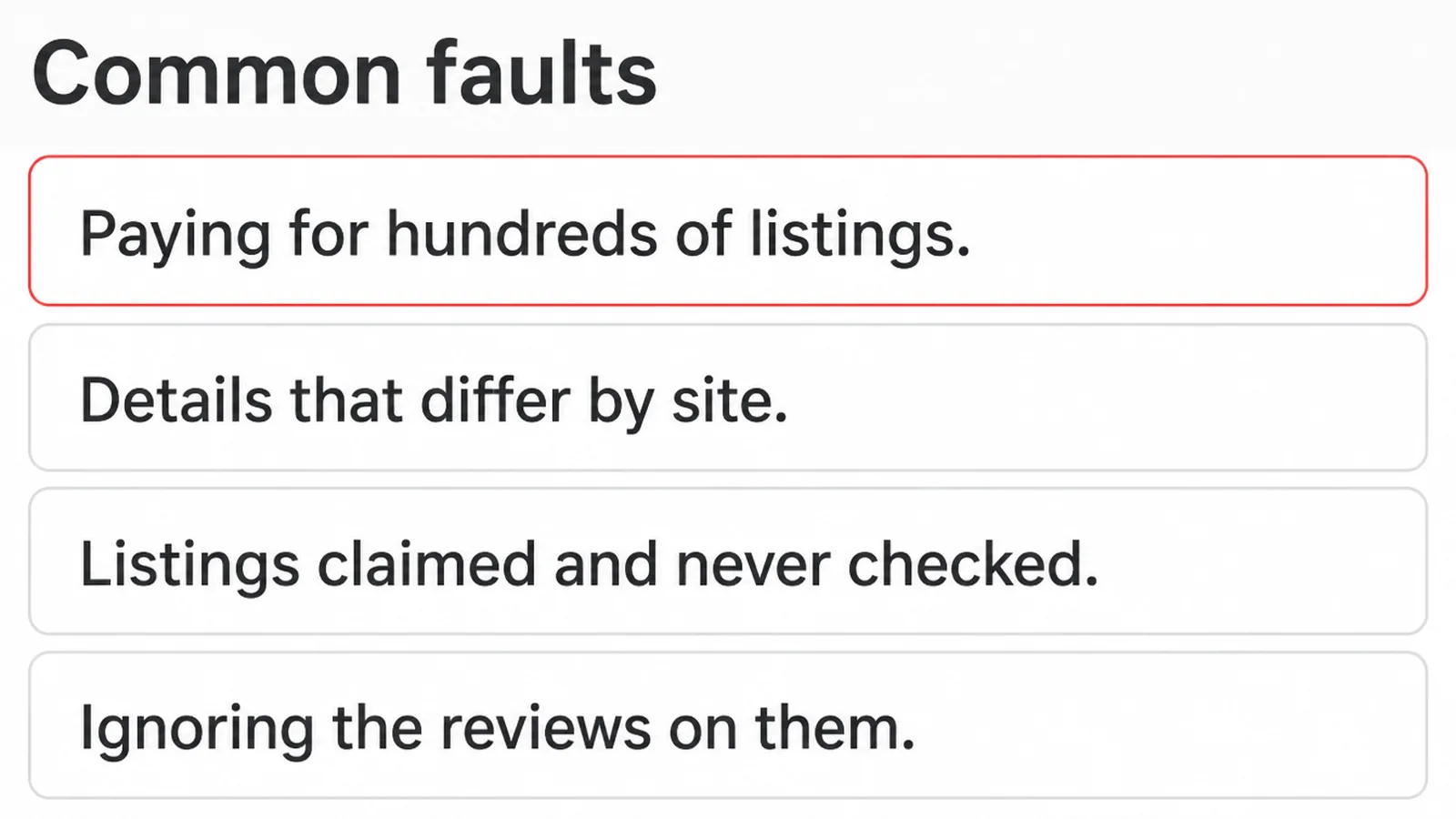
- Paying for hundreds of listings. Volume stopped working.
- Details that differ by site. Nobody decided the exact version.
- Claimed and never checked. Hours drift, numbers change.
- A half finished profile. Completeness helps relevance.
- Ignoring the reviews on them. Those are the visible part.
- Treating it as ongoing work. It is an afternoon, then a check.
- Chasing a directory you never checked. Ask a customer instead.
FAQs
Do local citations still matter?
Yes, for a smaller job than they once did. As a ranking signal they sit inside what Google calls prominence rather than standing alone. As a way of being findable and looking legitimate to somebody checking you exist, they matter exactly as much as before.
How many citations do I need?
Five correct ones beat hundreds of near matches. Your Google Business Profile, Apple Business Connect, Bing Places, your industry body, and one genuinely used local directory covers most small businesses completely. Everything beyond that is optional housekeeping rather than marketing.
What does NAP consistency mean?
Your business name, address and phone number appearing identically everywhere they are published. Decide one exact version, including whether you write Street or St, then apply it everywhere. Inconsistency usually comes from nobody having decided rather than from anybody making an actual mistake.
Should I pay a citation building service?
Rarely. Bulk submission to hundreds of directories is selling volume in a job where accuracy is what matters. The same money spent on asking customers for reviews does more, because Google names reviews and ratings among the things it considers.
Do citations help with AI search answers?
Indirectly, in the same way they always helped. A generated answer draws on what the web says about you, so contradictory details give it no way to decide which version is correct. Consistency helps, and volume of listings does not.
Conclusion
Local citations 2026 is an afternoon of housekeeping rather than an ongoing campaign.
Decide one exact version of your details, then claim and complete five listings properly.
Fix whatever old entries you can reach, and accept that some will stay wrong.
Then put the remaining time into reviews, which Google says it considers and which keep working afterwards.
If you would rather hand it over, see how we approach local SEO.