Local Link Building: How to Earn Backlinks in Your City

Local link building earns mentions from organisations in your own area: suppliers, community groups, local press and the places you already work with. Seed Light starts from who already knows the business, because those requests get answered and bought links do not last.
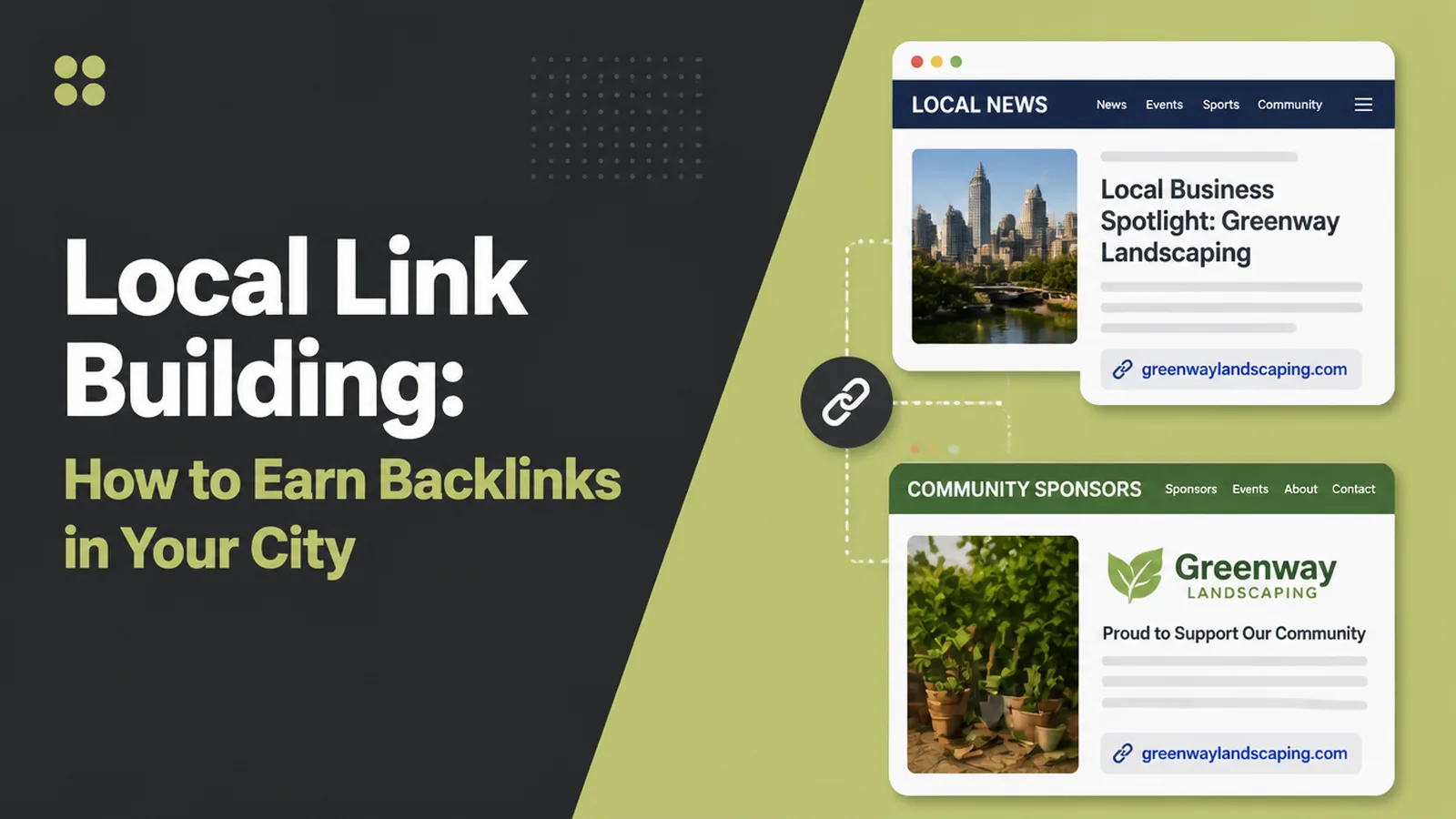
Link building has a reputation for being grim work: templates, mass emails, and a reply rate that makes people give up.
Locally it is a different job. The list is short, the people are reachable, and most of them already know who you are.
This guide covers where a local link comes from, why these links differ from ordinary ones, and how to ask without sounding like an agency.
Key Takeaways
- Start with who knows you. Suppliers, customers, clubs, local organisations.
- Relevance beats volume. A handful of real local mentions does the work.
- Do not buy links. Paid links to manipulate ranking break Google's policies.
- Directories are citations. Get the main ones right, then stop.
- Ask like a person. One message, specific, no template.
The useful frame is reputation rather than link count. A local link is usually evidence that somebody real deals with you.
That is why they are hard to fake and why a short list of them is worth more than a long list of anything else.
What A Local Link Is
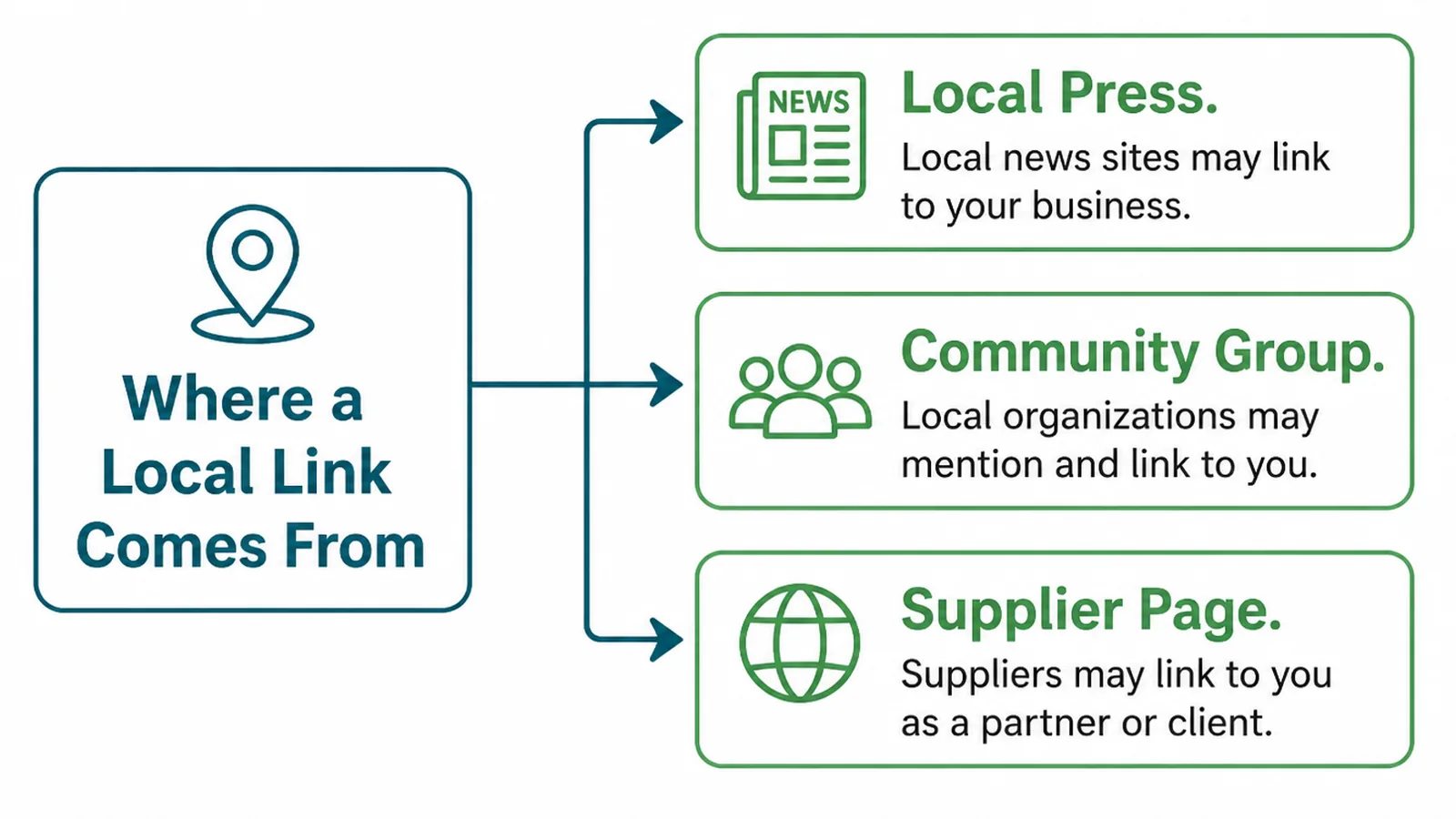
Almost every genuine local link comes from one of three kinds of site.
- Local press. A news site, a community paper, a neighbourhood blog covering something you did.
- Community groups. Clubs, schools, associations, charities, event organisers.
- Supplier and partner pages. Stockist lists, approved installer pages, partner directories.
The third is the most overlooked and the easiest to get. Plenty of suppliers maintain a page of the businesses who use them, and most will add you for the asking.
These links share a quality that matters more than any metric: a real person in your area might click one.
That is the test to apply before chasing anything. If no plausible customer would ever read the page, the link is decoration.
That is the difference between a local backlink and a line in a directory nobody reads. One can send you a customer; the other mostly exists to be counted.
Both have a place. The directories are housekeeping, the real mentions are the work.
Do the housekeeping first because it is quick. Then treat local backlinks as something that accumulates over years rather than a campaign that finishes.
Why Local Links Differ From Ordinary Links
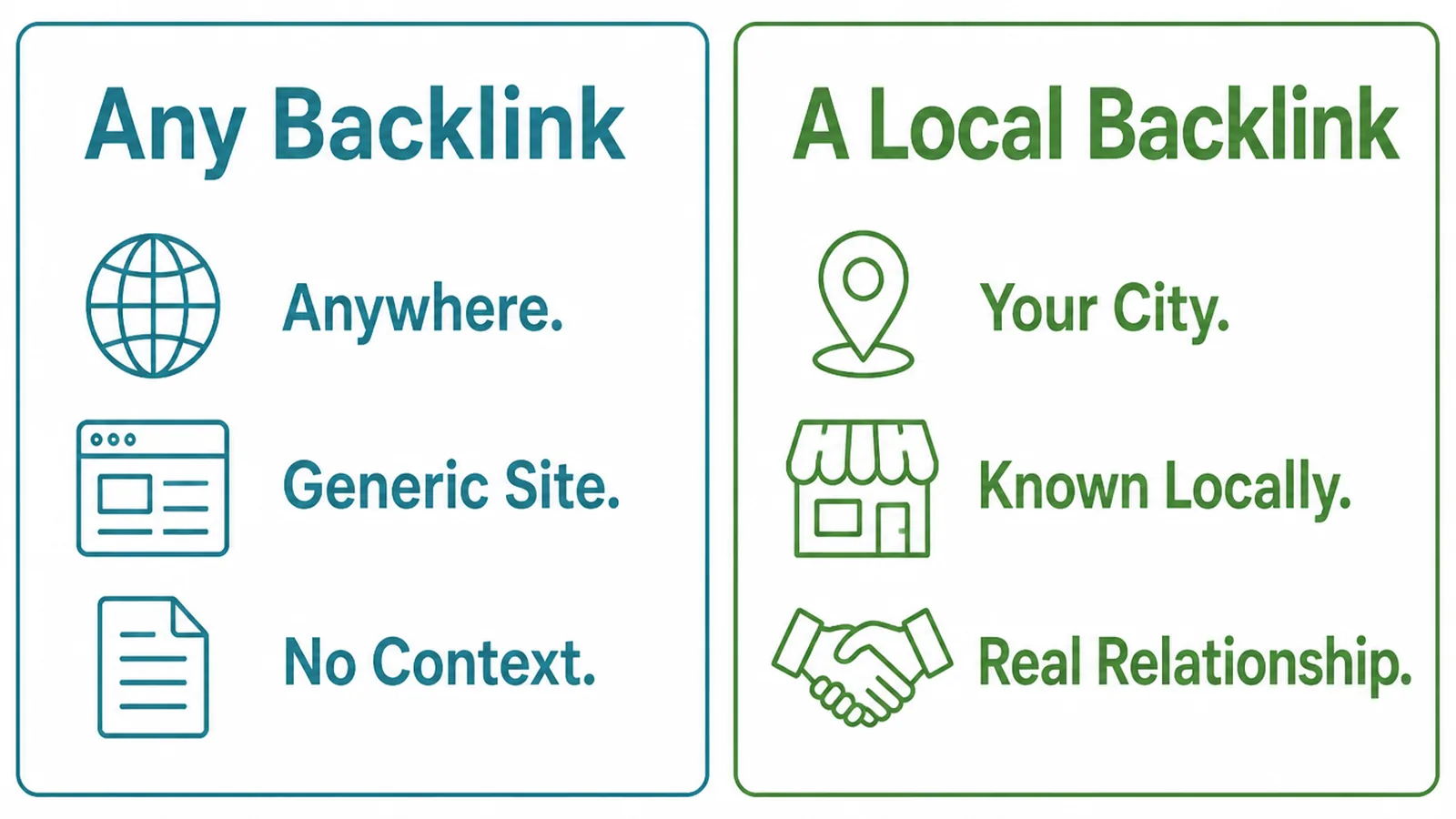
Ordinary link building chases authority. Local link building chases relevance to a place.
A mention from a club two streets away may carry very little authority by any tool's measure, and it tells a reader, and a search engine, that the business is part of that community.
Tools cannot see that. They score a domain, and they have no way of knowing that everybody in the town reads its fixtures page.
It also arrives with context. The page is about the town, the event or the trade, and that is the same context your customers are searching in.
The outreach is different too. You can walk into most of these places, and plenty of them already have your invoice on file.
That changes the tone of the ask. It is a request between two local businesses rather than an email from a stranger.
It changes the reply rate too, and the reply rate is what makes this worth doing at all.
How To Do Local Link Building, Step By Step
Three steps. The first is a list, the second is research, the third is a short message.
1. List Who Already Knows You
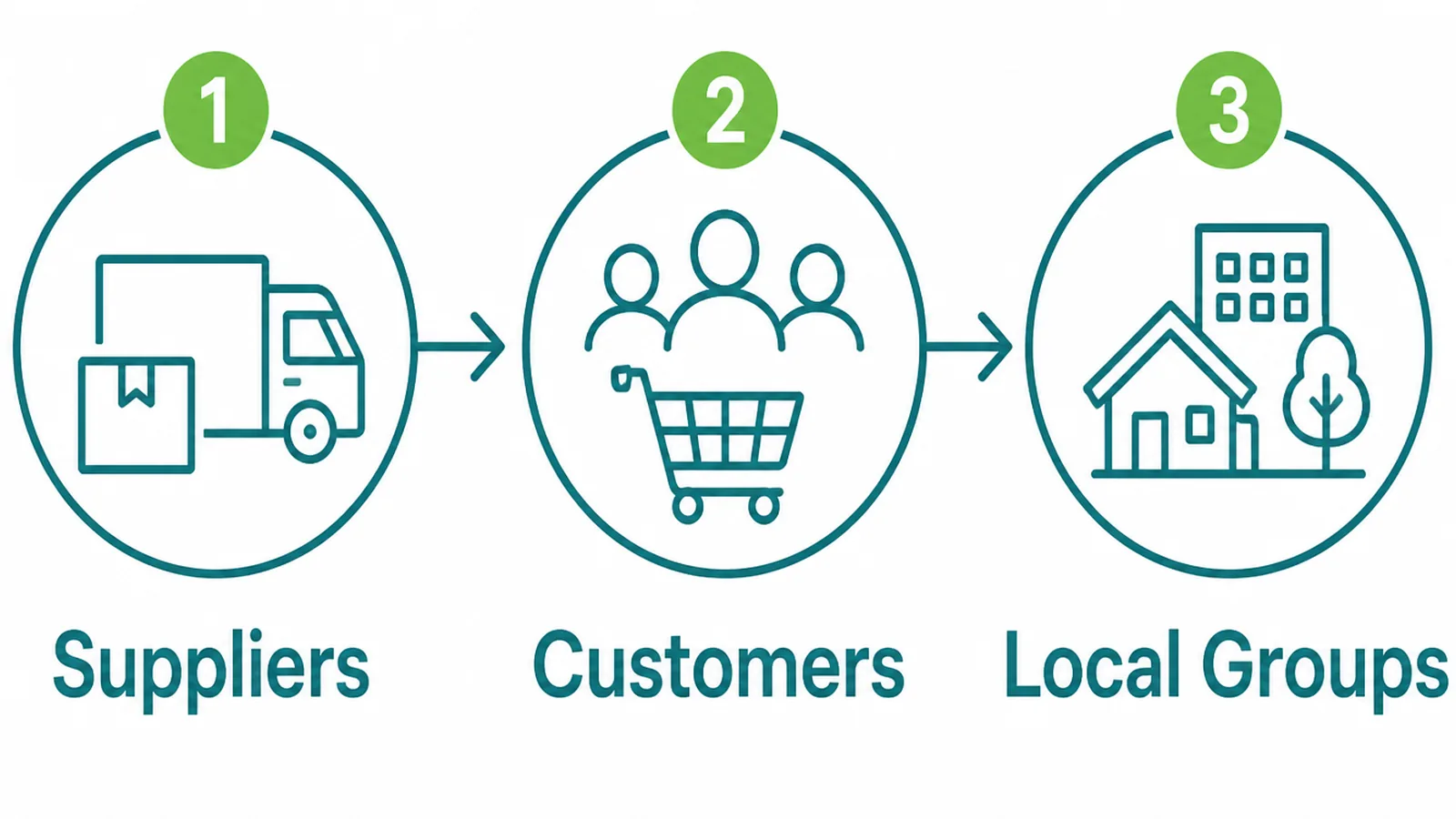
Before researching anything, write down the organisations you already deal with.
- Suppliers. Everybody you buy from, especially brands with stockist or installer pages.
- Customers. Businesses you have worked for who might mention the work.
- Local groups. Clubs, schools and associations you support, sponsor or belong to.
Most small businesses can produce twenty names from invoices and memory in half an hour.
Sort them by how recently you dealt with each one. A supplier you ordered from last month is a very different ask from one you used in 2019.
That list is your whole campaign. It is short, warm, and far more likely to produce something than any amount of cold prospecting.
Twenty warm names will usually yield five or six mentions. The same effort spent emailing strangers tends to yield none.
Add the memberships people forget: trade associations, chambers, certification bodies, any scheme with a member directory.
Check whether each membership you already pay for includes a listing. Plenty do, unclaimed, years after the subscription started.
2. Find The Pages Worth Asking For
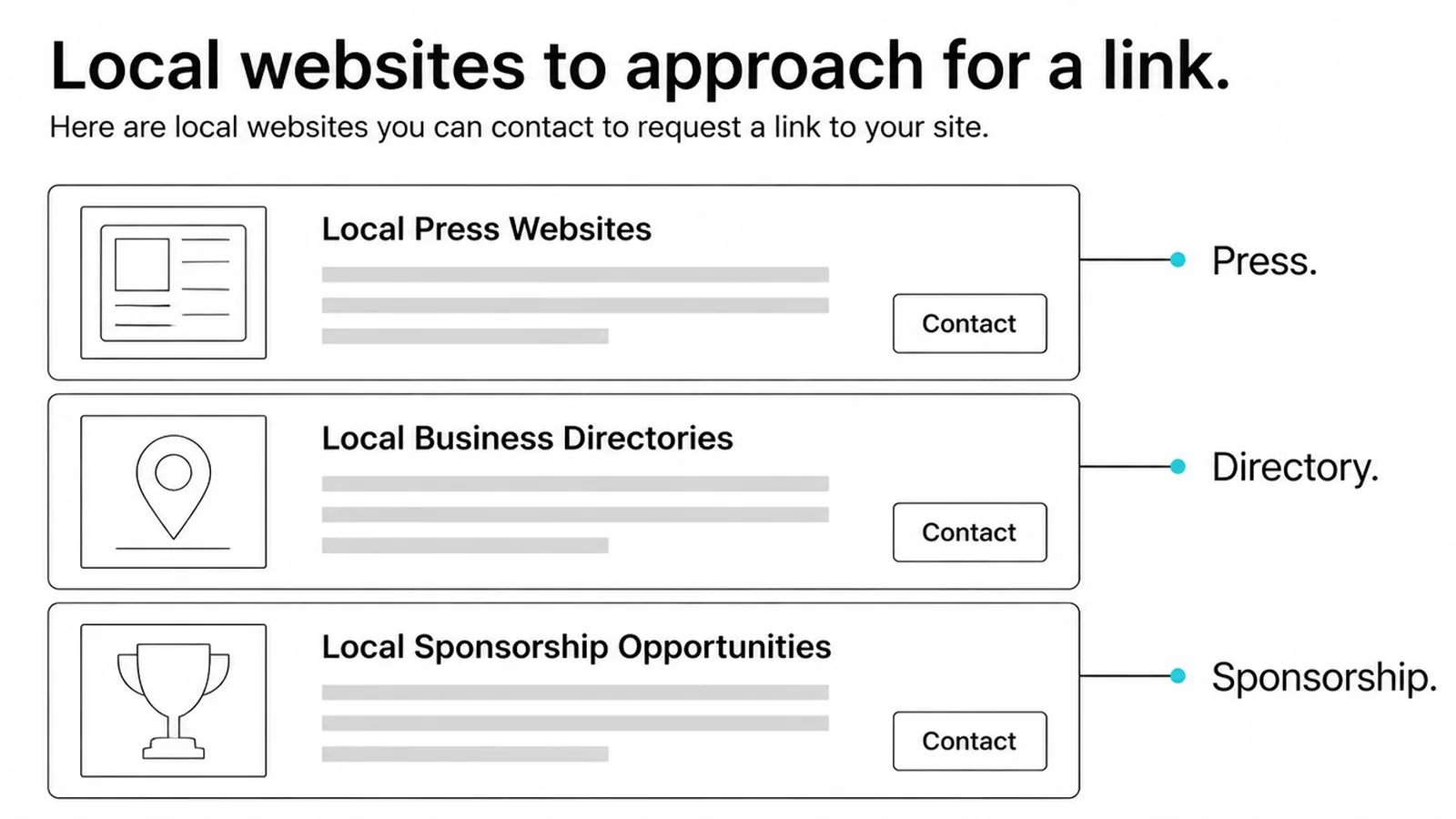
For each name, find the specific page that could carry a mention.
- Press. The local news site, and whoever writes about business or community there.
- Directory. Member lists, stockist pages, partner directories you qualify for.
- Sponsorship. Pages thanking supporters, which usually link to them.
Check each page exists and is maintained before asking. A sponsor page last updated four years ago is unlikely to add you now.
Look at who else is listed as well. A page full of businesses like yours is one that adds people; a page with three entries from 2019 is not.
Note what the page needs: some want a logo, some a one line description, some a membership number.
Keep that material in one folder: a logo in two formats, a fifty word description, a hundred word one, and a photograph. It gets reused constantly.
Prepare that material once and the asking becomes trivial. Most requests stall because the business never sent the logo.
3. Ask Without A Template
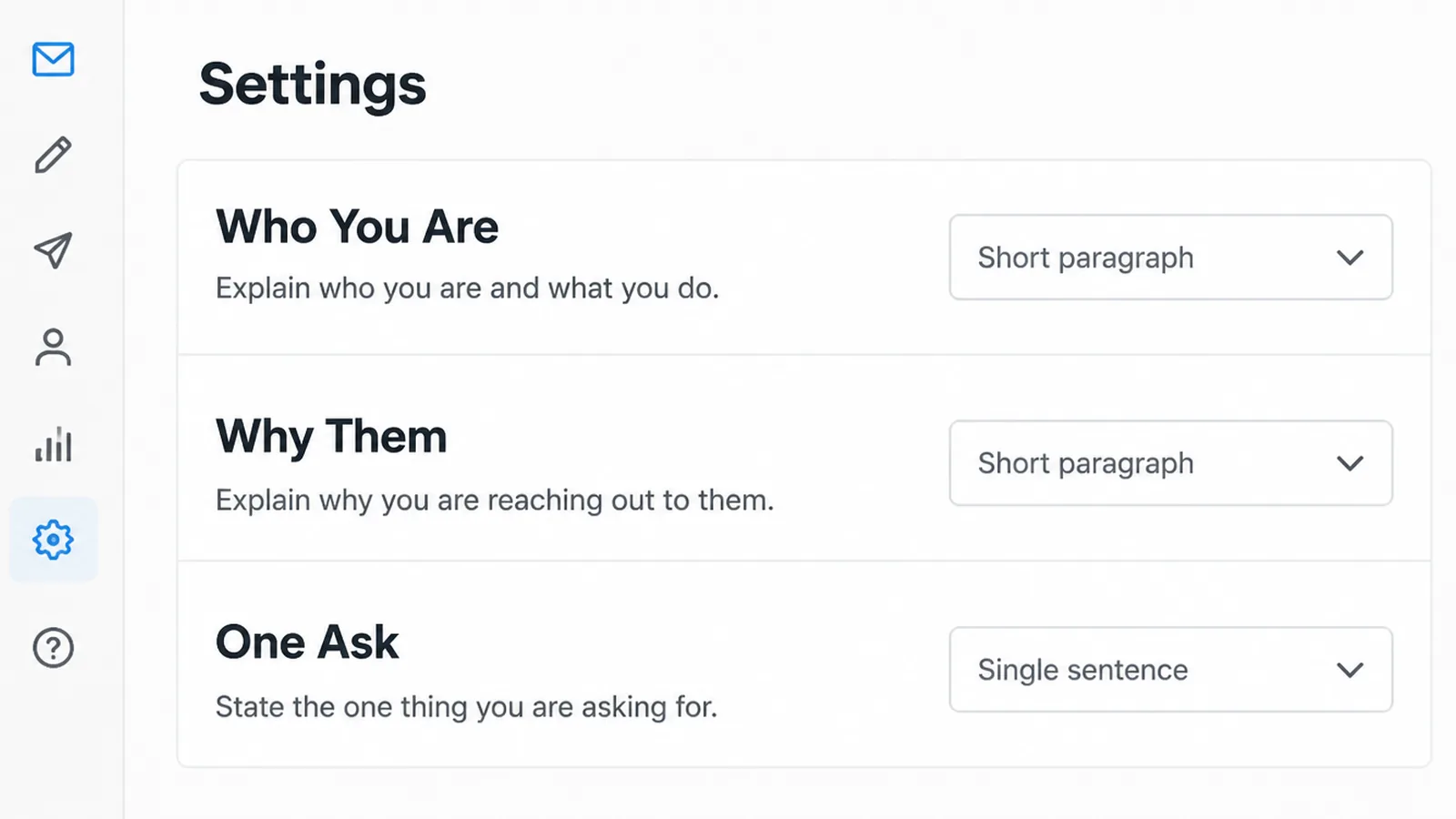
The message is short and it is written once per recipient.
- Who you are. With the connection stated plainly: customer, supplier, sponsor, neighbour.
- Why them. The specific page you are asking about, and why you belong on it.
- One ask. A single clear request, with whatever they need attached.
Send it from a real address with a real name, and say what you will do in return if there is something honest to offer.
Keep it to a short paragraph. Anything longer gets skimmed, and the ask is simple enough to fit.
Follow up once, a week or two later, and then leave it. A second chase on a free favour reads badly and rarely works.
Record the outcome either way. A no this year is often a yes next year, and the note saves you starting from nothing.
Never offer money for the link itself. Sponsor the event, buy the stand, support the team, and take whatever mention follows naturally.
Local Link Ideas That Work Right Now
| The idea | Why they agree |
|---|---|
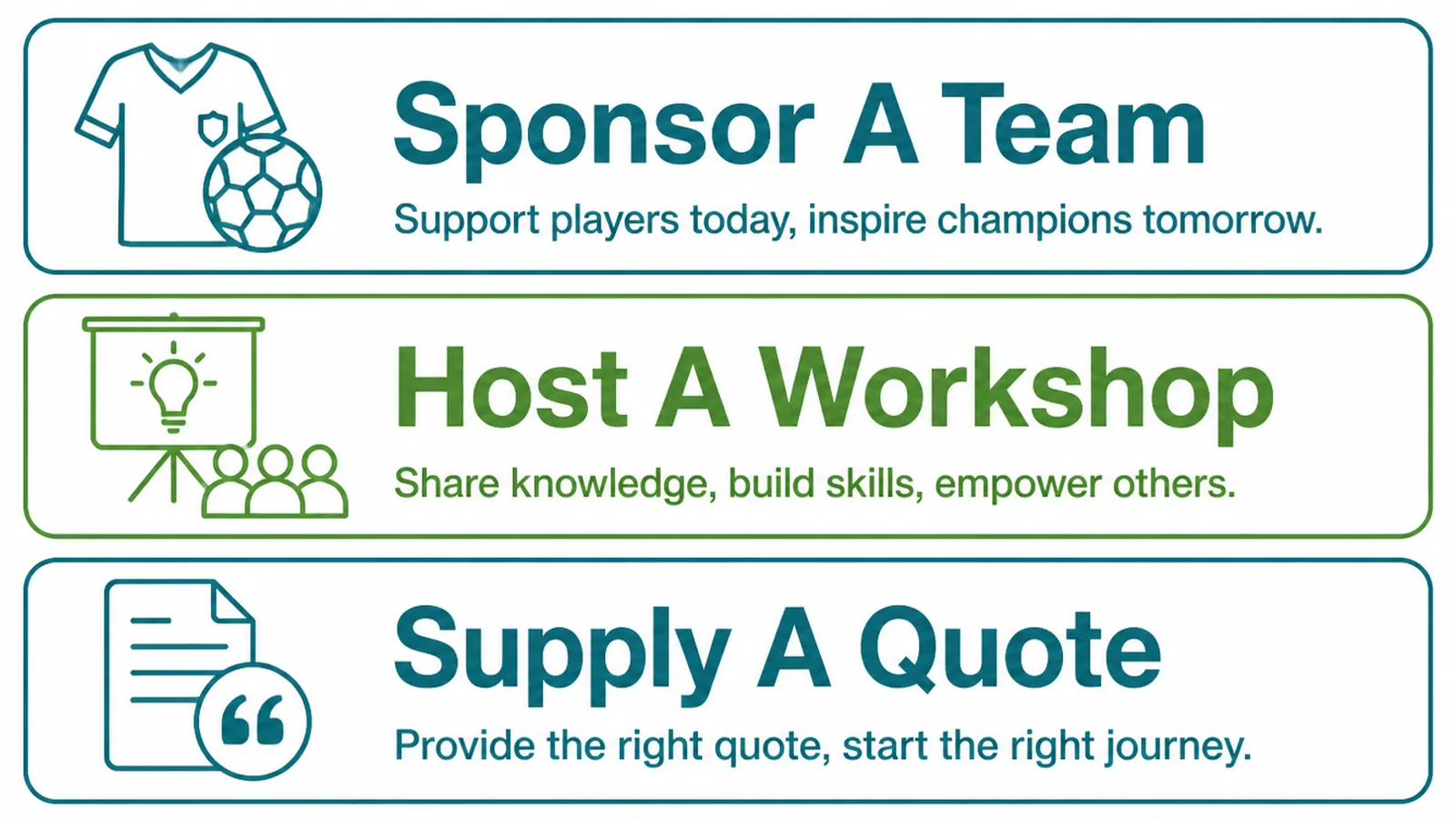
| Sponsor a local team, event or school activity | They already thank their supporters on a page |
| Ask a supplier to add you to their stockist list | It helps them sell, so the page exists to be added to |
| Offer the local press something genuinely newsworthy | They need local stories and most businesses never offer one |
The press row needs honesty about what counts as news. An anniversary is not; hiring six apprentices, reopening a landmark shop, or a genuinely unusual job might be.
Pitch it in three sentences with a photograph attached. Local journalists are short of time and long on press releases nobody can use.
If nothing qualifies this year, leave it. Local citations and links accumulate over time, and inventing news is how a business ends up ignored by the one journalist who covers it.
Local Link Building Tools
| What it does | What it leaves to you |
|---|---|
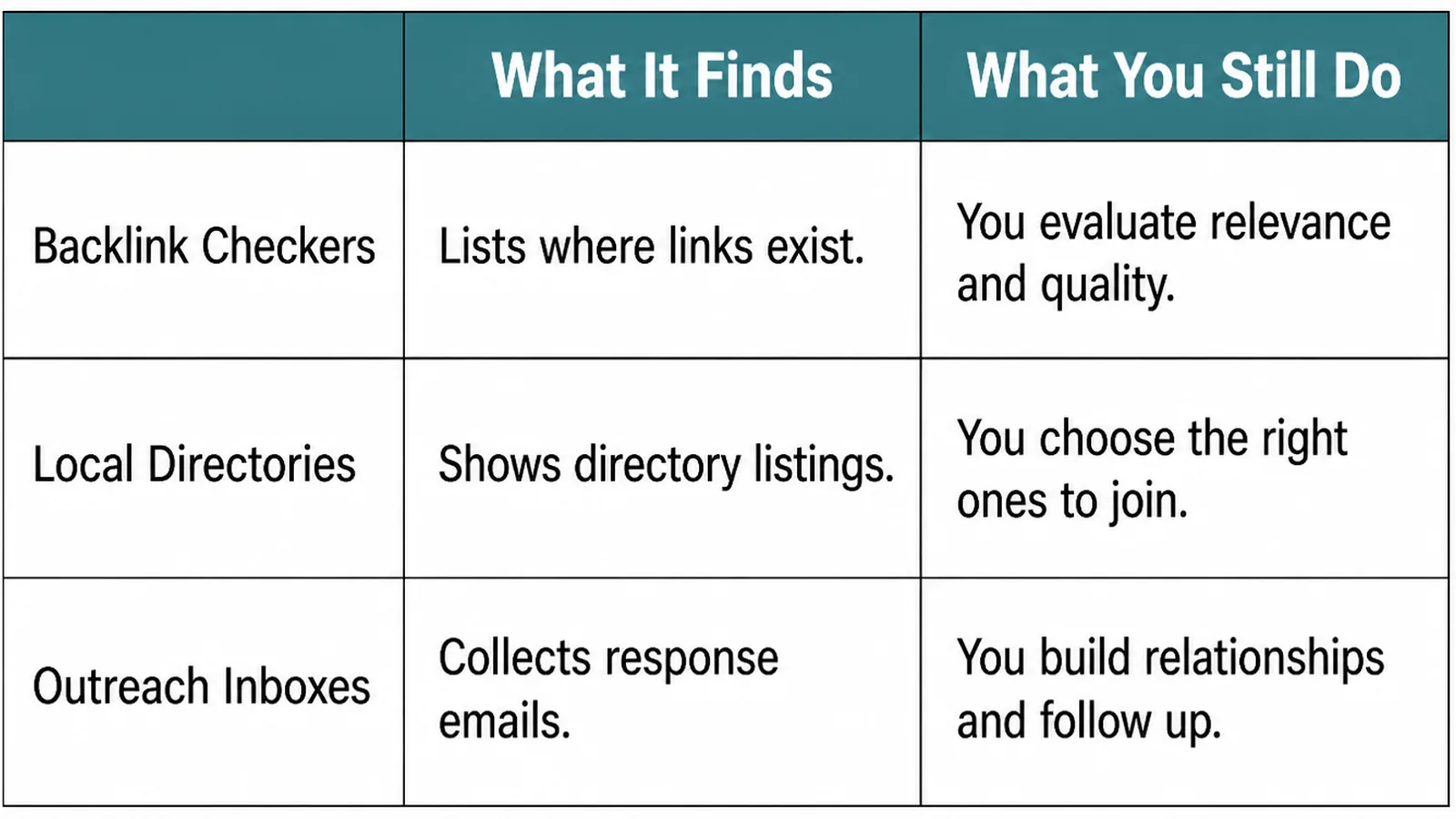
| Backlink tools list who already links to you and to competitors | Judging which of those links a local reader would ever click |
| Listing managers push consistent details to the main directories | Knowing when to stop adding directories |
| A spreadsheet tracks who was asked, when, and what happened | Actually sending the messages |
Competitor backlink reports are the most useful thing in that table for a local business. They show which local organisations link to businesses like yours, and most of those pages will take you too.
Look at two or three competitors rather than one. The overlap between them is the list of pages that take everybody in your trade.
Work through that list once a year. It is the closest thing to a ready made prospect list you will find.
Ignore the authority scores while you are in there. For city backlinks the question is whether a local person reads the page, and no tool measures that.
Common Local Link Building Mistakes
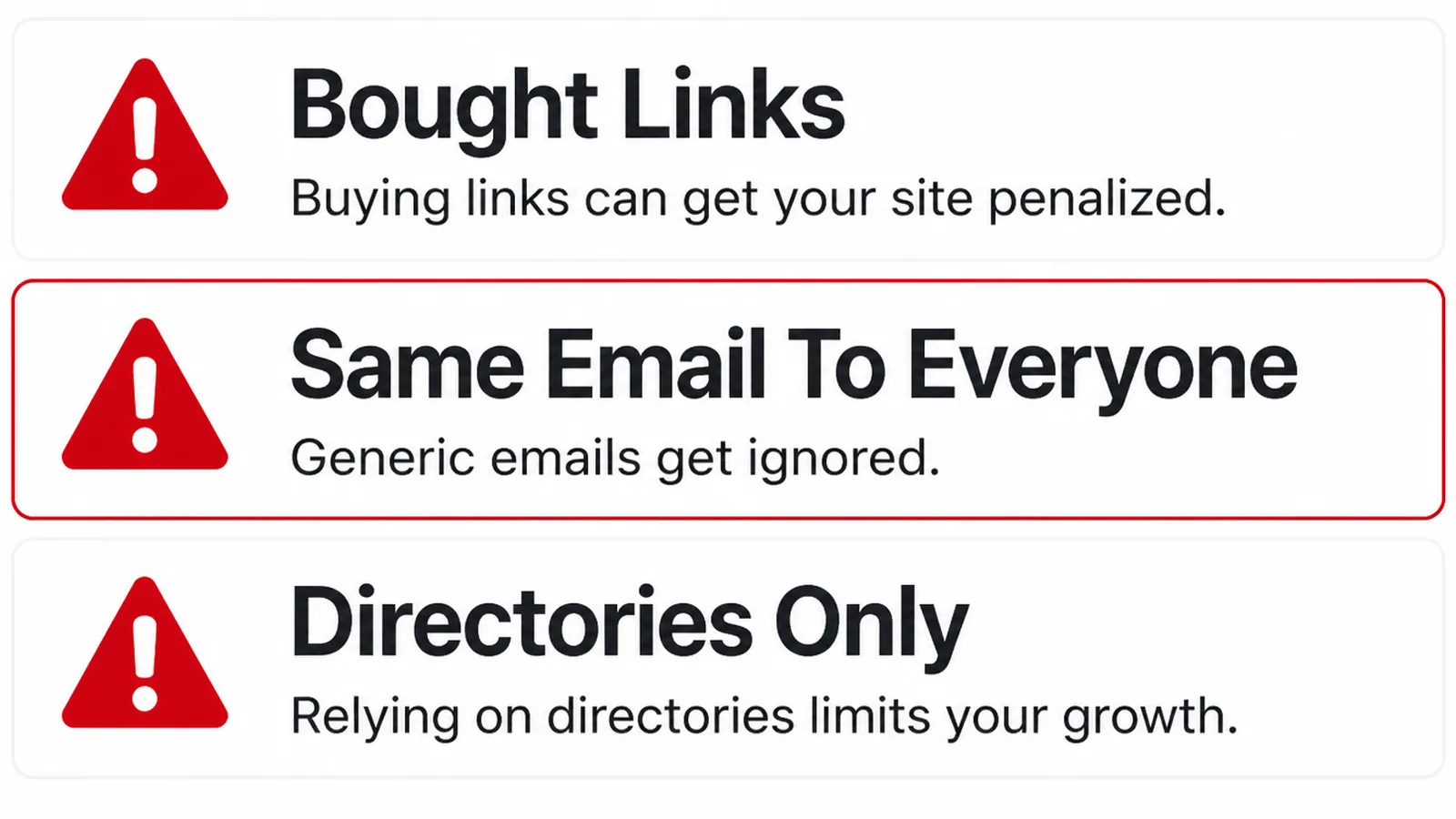
- Buying links. Paid placements intended to move rankings, which the spam policies prohibit.
- Bulk directory submissions. Hundreds of listings nobody visits, bought as a package.
- Templated outreach. The same message to forty organisations, obvious to all of them.
A fourth is quieter: never asking at all. Most businesses have a dozen easy local mentions available and have simply never sent the message.
The reason is usually awkwardness rather than strategy. It feels like asking a favour, and it is closer to updating a page that was already meant to list you.
Spend an afternoon a quarter on the warm list and the links accumulate without ever feeling like link building.
If the listing side is unfinished too, the three factors behind local results explains where this work fits.
FAQs
Should I buy local links?
No. Paid links intended to manipulate rankings are against Google's spam policies, and locally they tend to come from sites nobody reads. The same money spent sponsoring something real usually produces a better link and a reason for people to mention you.
How many local links do I need?
Fewer than you think, and they should come from places that mean something locally. A handful of mentions from genuine local organisations is worth more than a hundred directory entries, because every competitor in your town appears in those same directories anyway.
Are directories still worth it?
The main ones are, as citations rather than as links. Get the consistent name, address and phone onto the directories people actually use in your market, then stop. Paying for hundreds of obscure listings is a cost without a benefit.
What makes a local link valuable?
That a real local audience might click it. A link from a supplier page, a club you sponsor or a local news story reaches people near you, and that relevance is the thing that separates it from a link on a site about nothing in particular.
Conclusion
Local link building is a short list of organisations that already know you, and one honest message each.
Write the list from your own invoices and memberships, find the page on each site that could carry a mention, and ask once with whatever they need attached. Sponsor real things rather than buying links.
If you would like that list built and worked through, see how we approach local SEO, or get in touch and we will start with who already knows you.