Online Reputation Management for Small Businesses

Online reputation management is the work of shaping what appears when somebody searches your business name. Google removes reviews that break its policies, not ones you dislike, and delisting is not deletion. Seed Light treats it as claiming your profiles, replying honestly and publishing pages worth ranking.
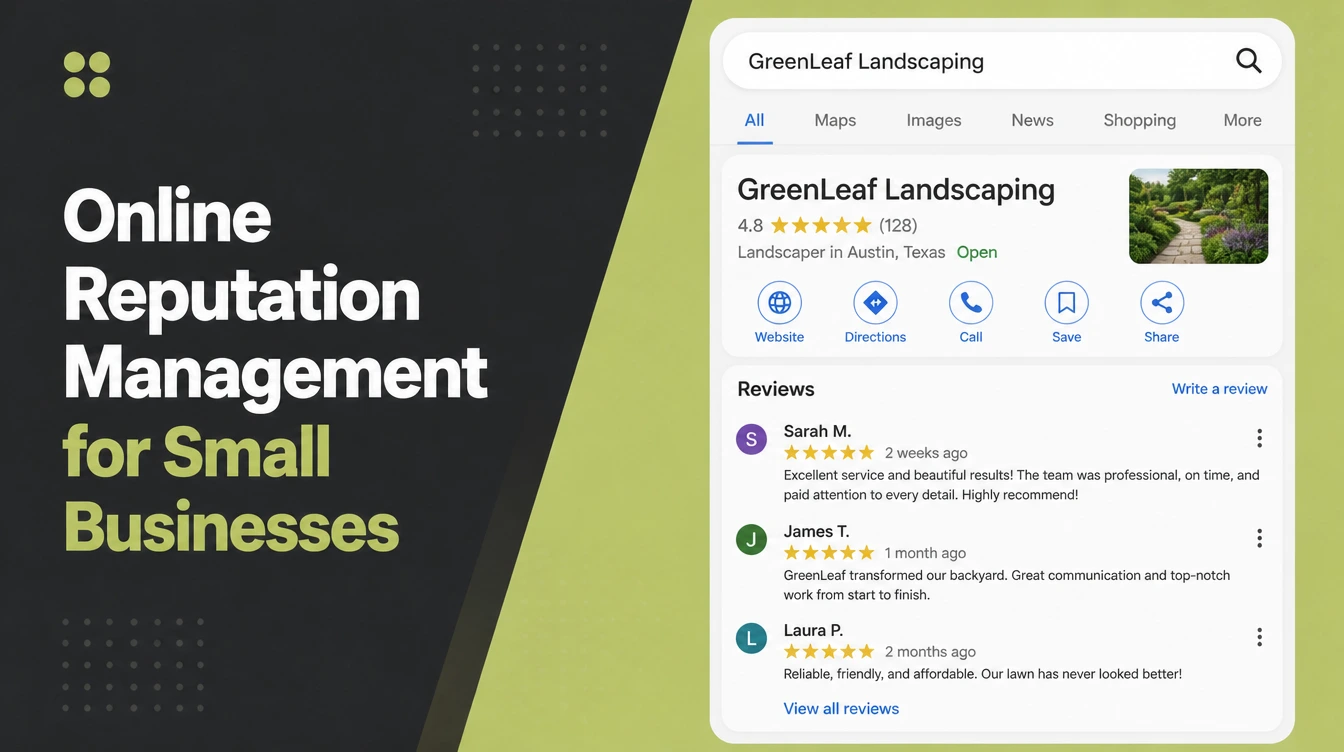
You searched your own business name, and page one had something on it you didn't like. An old listing with the wrong number, a two star review, a competitor's ad sitting above your own site.
Then a company emailed offering to fix it for a monthly fee.
This guide covers what online reputation management is, what Google will and will not remove, the six steps you can run yourself, and what to ask a vendor before you sign. It also names tactics now illegal in the US.
By the end you'll know one thing: whether this is an afternoon of your own work, or a service worth paying for. No sales page will tell you which is yours.
Key Takeaways
- Reviews can shape the click. BrightLocal's 2026 survey found 97% of consumers read reviews for local businesses, and 68% will only use one rated four stars or above.
- Google removes policy breaches, not opinions. Its help page says not to report a review simply because you disagree with it.
- In the US, suppression can be unlawful. The FTC rule bans groundless legal threats used to remove a review, with penalties up to $53,088 per violation.
- The famous revenue figure is narrow. The 5 to 9 percent finding came from independent Seattle restaurants on Yelp, and chains showed no effect at all.
- Search is not the only surface. Gen-AI use for local recommendations rose from 6% to 45% in a year while Google's share as a review source fell to 71%.
What Is Online Reputation Management?
Online reputation management is the work of shaping what a stranger finds when they search your business name. Reviews are part of it. So are your profiles, other people's pages about you, old directory entries, news mentions, and what an AI assistant says about you.
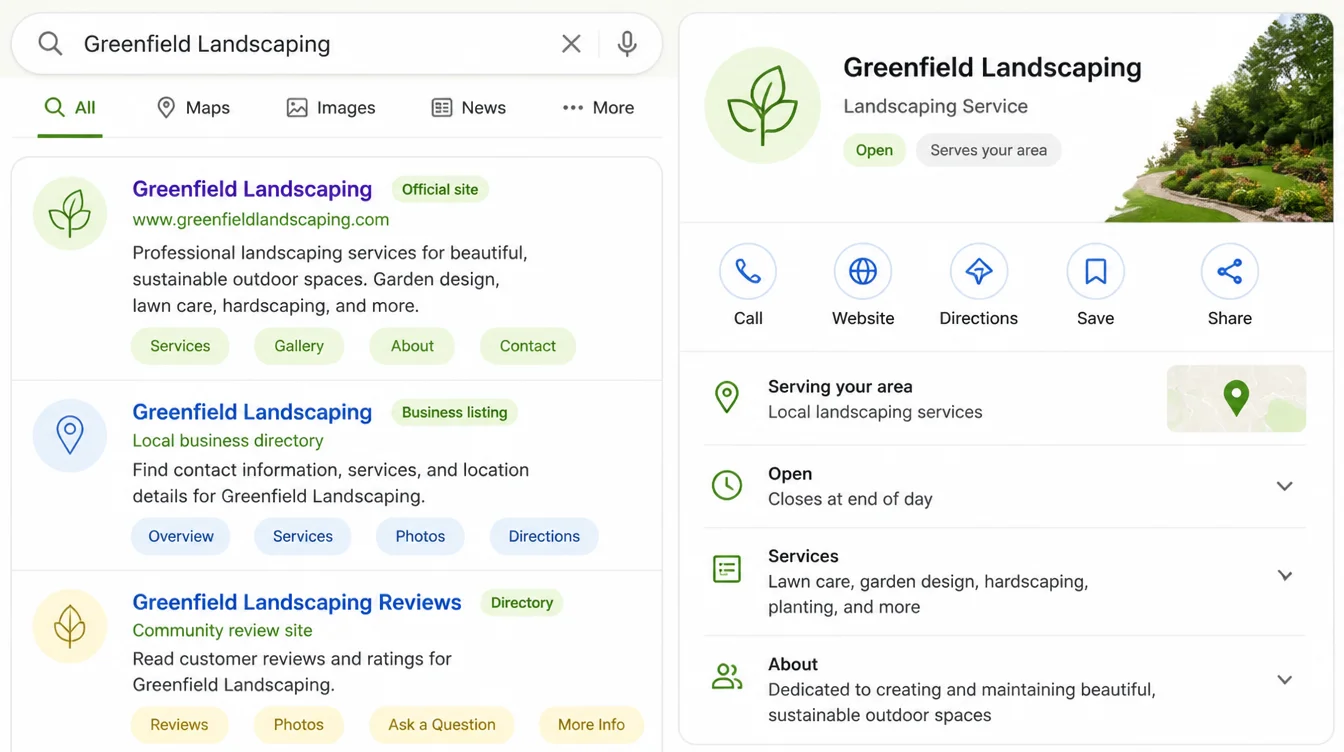
That distinction matters, because plenty of vendors sell review software and call it reputation management. Reviews are one tile on a screen holding eight.
The reading is close to universal. BrightLocal's 2026 survey found 97% of consumers read reviews for local businesses, and 68% will only use one rated four stars or above.
Recency counts as much as the score. In the same survey, 74% looked for reviews written in the last three months.
Here's the shift that dates almost every article ranking for this term. Gen-AI use for local recommendations rose from 6% to 45% in a year, while Google's share as a review source fell from 83% to 71%.
Now the figure vendors quote constantly. Michael Luca's Harvard Business School paper on Yelp did find that a one star rating increase is worth 5 to 9 percent of revenue.
Its scope: independent restaurants, Seattle and Washington State, roughly 2003 to 2009, Yelp ratings only. The same paper says chain restaurants showed no effect.
Anyone quoting it without that scope is selling you something.
What Can and Cannot Be Removed
This is the section the sales pages leave out, and it decides whether a quote is worth paying. Google removes policy breaches, not content you dislike.
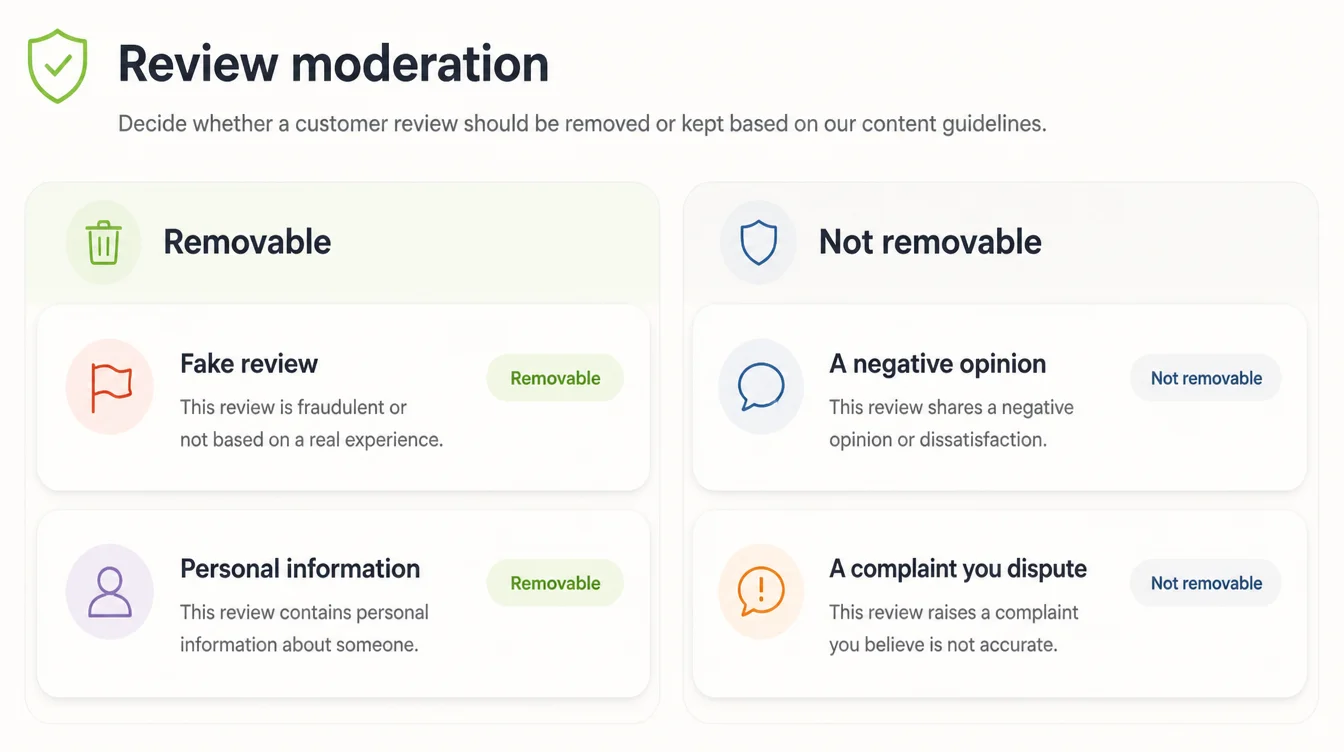
Google's instruction is blunt: "Do not report a review just because you disagree with it or dislike it. Google doesn't get involved in conflict between businesses and customers." You get one appeal.
What does come down is named. Google's prohibited and restricted content policy covers fake engagement, rating manipulation, harassment, personal information, impersonation, misinformation and off-topic content. A harsh but honest review is none of those.
Outside reviews, delisting is not deletion. Google says: "Even if Google removes something from Google Search, it might still be on the internet. People might still find it through links, social media, or other search engines."
The three tools vendors lean on are weaker than they sound:
- Refresh Outdated Content. Google says it "only updates Google's search result, it does not remove a page from the web", and it works only where the page has gone or changed.
- Search Console removals. These last about six months, and only on a site you control.
- Results about you. It covers phone number, home address and email, and Google keeps results it considers publicly valuable, such as newspapers.
Then there's the part that is now illegal. The FTC rule at 16 CFR 465.7 makes it unlawful to use "an unfounded or groundless legal threat, a physical threat, intimidation, or a public false accusation" to prevent or remove a review.
It also bans implying your displayed reviews represent all of them when negatives have been suppressed. Suppression is permitted only in narrow cases: trade secrets, defamation, personal information, discriminatory material, reviews believed fake, or reviews unrelated to what you sell.
Say the jurisdiction honestly. That is United States law, and it binds a Malaysian business only where it sells to US consumers.
It matters anyway, because vendors selling legal threats, scrubbing and gating are breaking the law in their own market, where knowing violators face up to $53,088 per violation (FTC, 2025 adjusted amount).
The final rule banning fake reviews arrived in 2024. Google's policies, by contrast, apply everywhere you trade.
How to Run It Yourself
Six steps. None need a developer, and the first four fit in an afternoon.
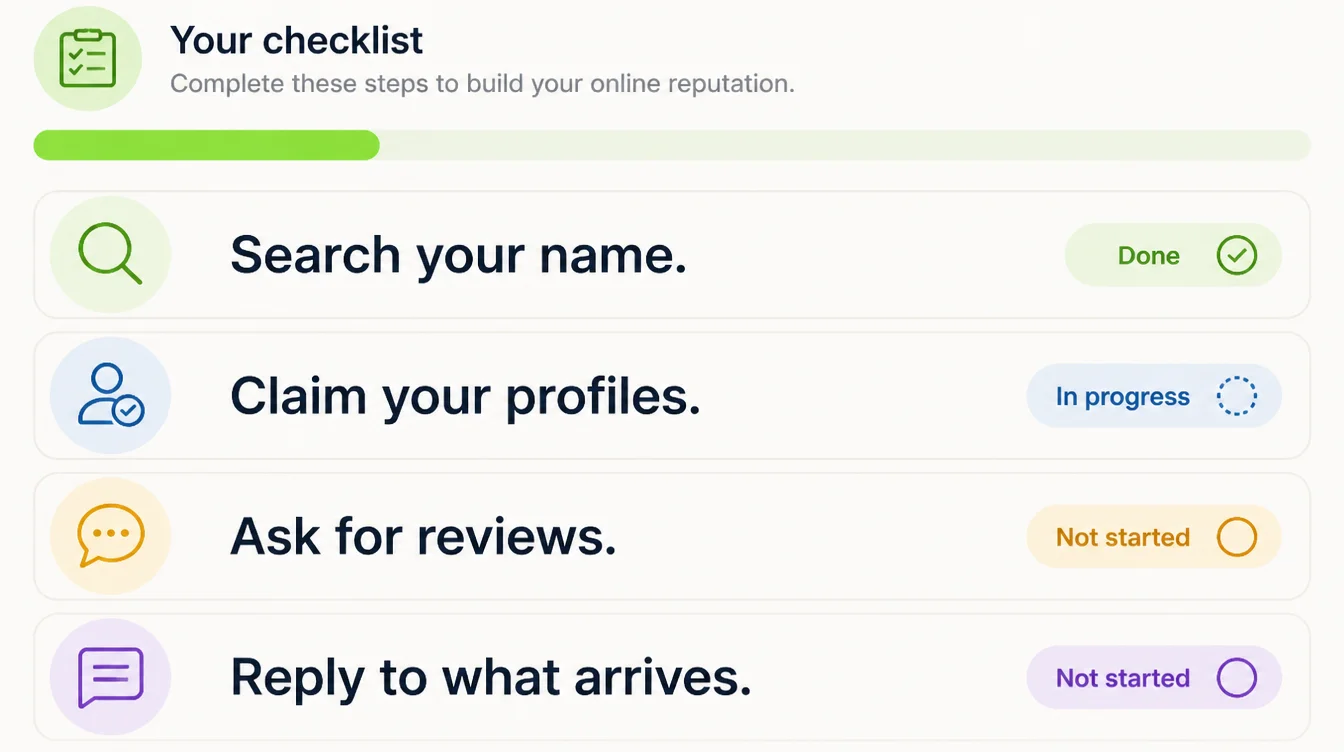
1. Find out what actually shows up
Search your business name in a logged out window and write down the first twenty results. Do the same in a maps app and in one AI assistant.
Mark each result owned, neutral or a problem. The list is usually shorter than the worry suggested.
2. Claim the profiles you own
Claim the Google Business Profile first, then the directories that turned up in step one.
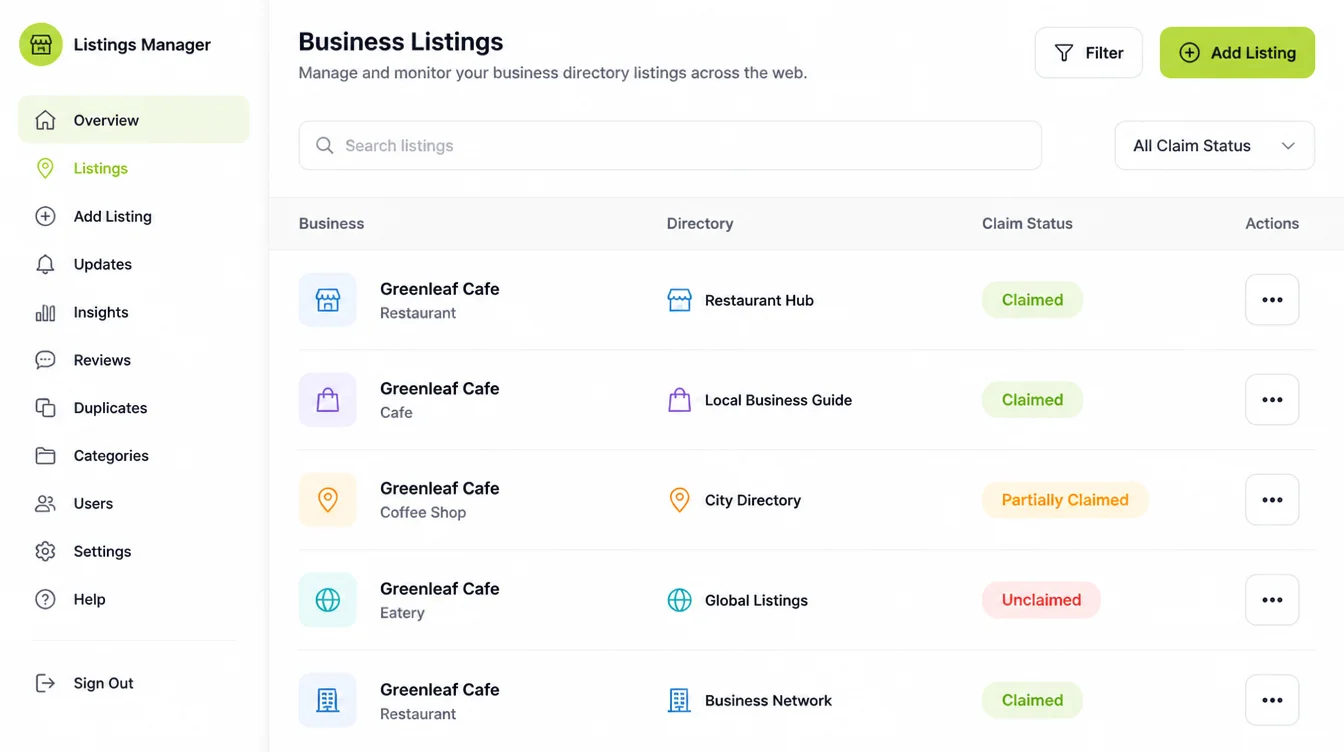
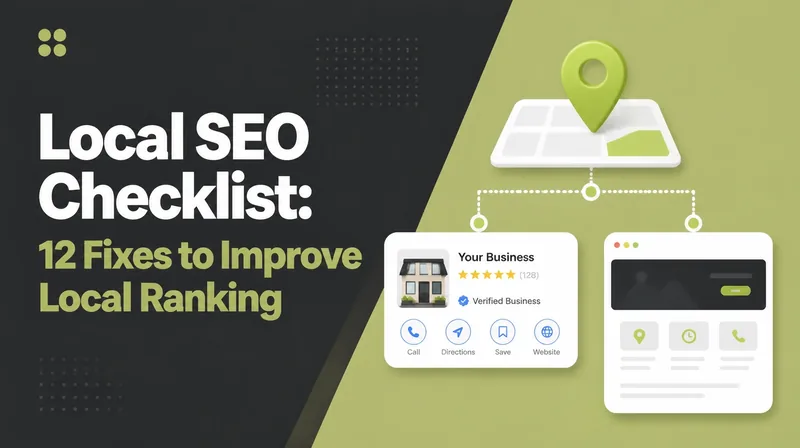
Then fill them properly. Our Google Business Profile optimization checklist covers the fields that matter.
3. Ask for reviews the legal way
Ask everyone, or don't ask. Google's policy forbids discouraging negative reviews, selectively soliciting positive ones, or offering incentives for posting, revising or removing one.
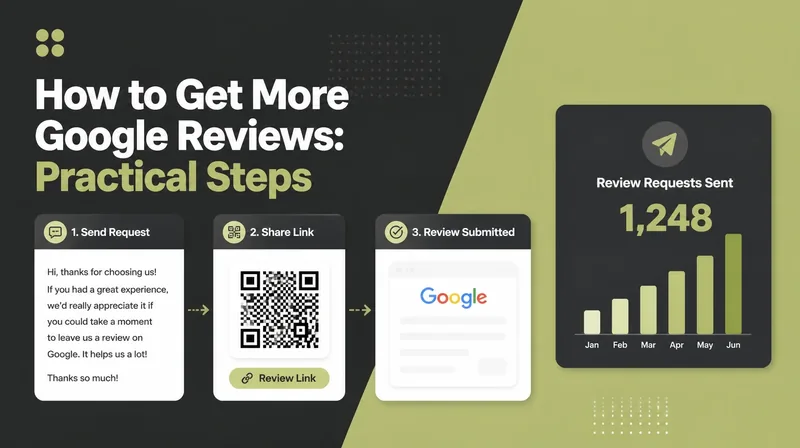
The mechanics are in our guide on how to get more Google reviews. The rule here is simpler: one request, one link, same for everybody.
4. Reply to what arrives
Replies are read by the next customer, not the one complaining. BrightLocal found 80% are likely to use a business that responds to all its reviews.
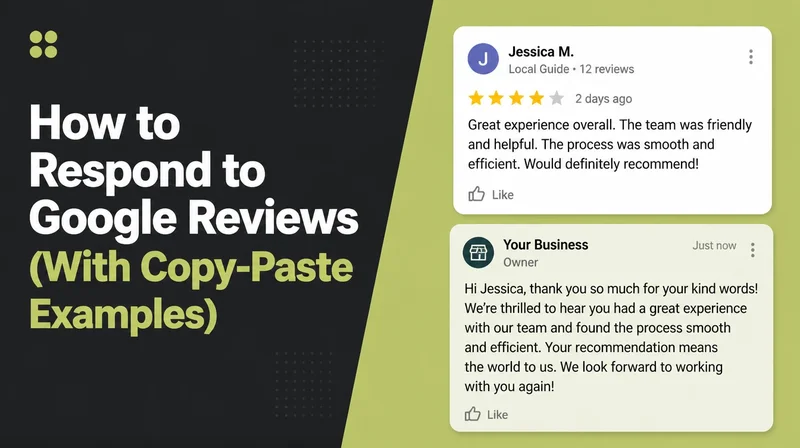
Wording is its own skill, so our post on how to respond to Google reviews covers it.
5. Publish pages worth ranking
You can't delete a bad result, but you can outrank it. An about page, a services page, a team page and a few useful articles fill page one with things you control.
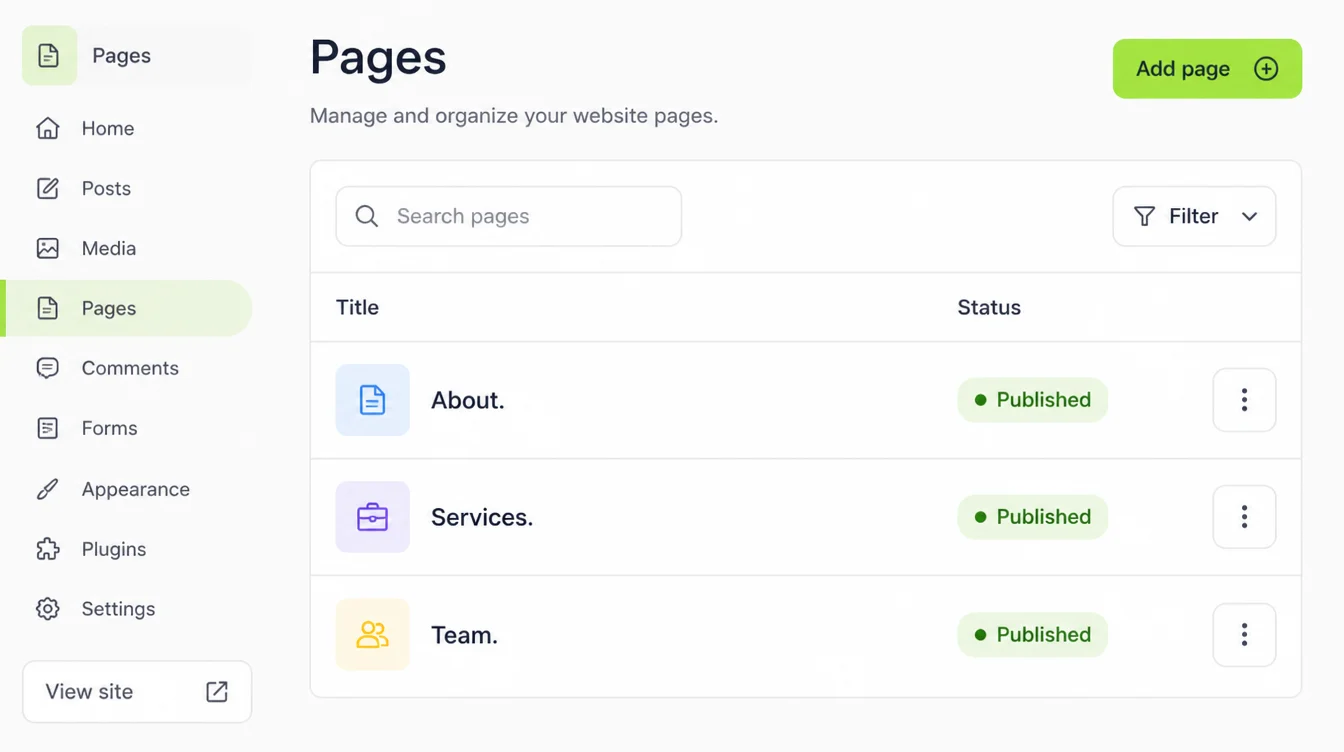
This is ordinary SEO aimed at one query: your own name. Slower than a takedown, and the only method that holds.
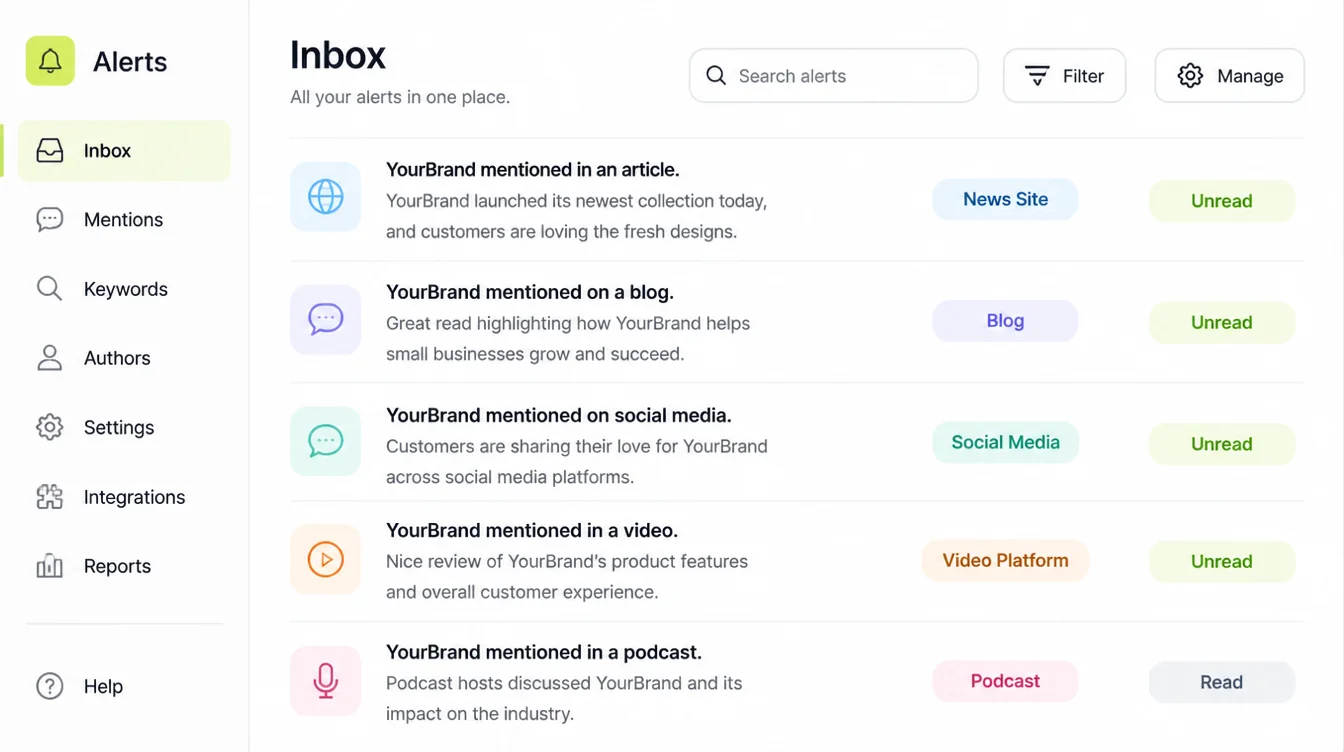
6. Set one alert and stop checking daily
Set a free alert on your business name and your own name, then read it once a week. Daily searching changes nothing and costs you an hour.
What to Ask Before You Pay Someone
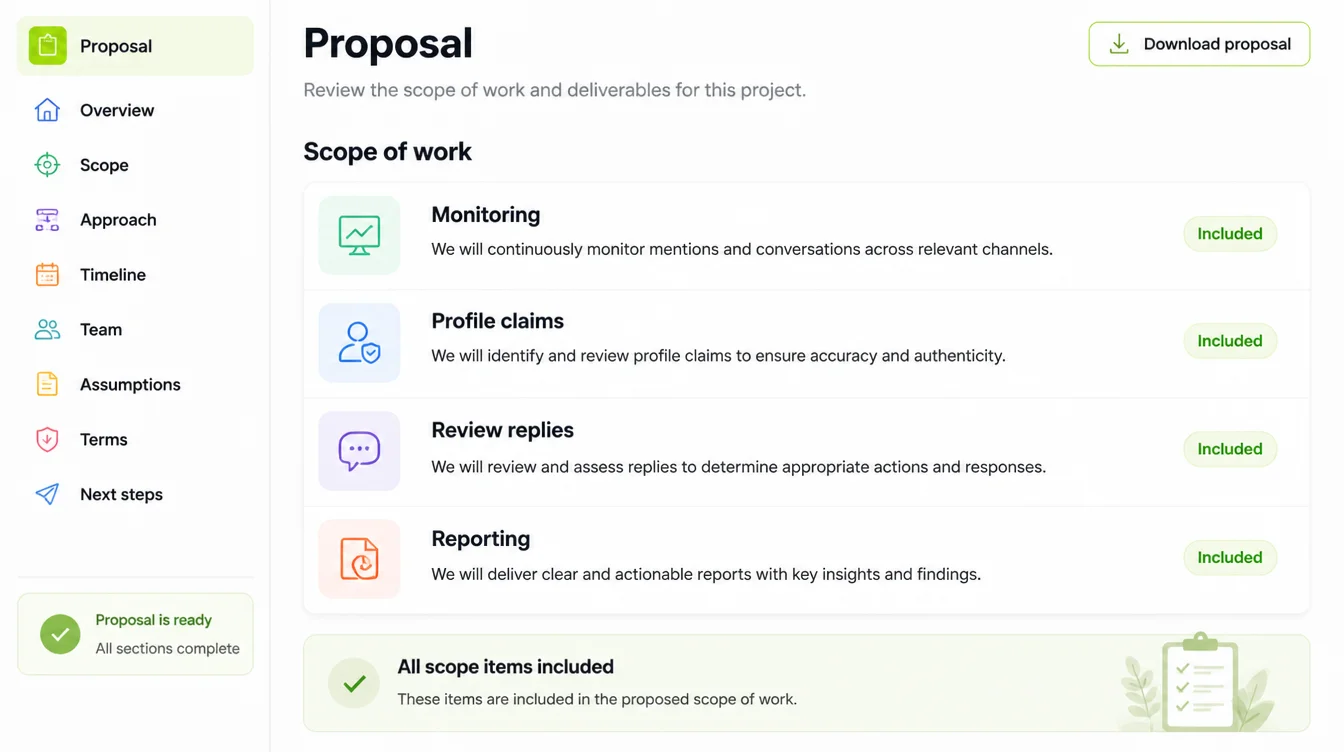
A reputation quote should read like a scope of work, not a promise.
- What will you remove, and under which policy? A named Google policy category is a real answer. "We know people there" is not.
- What happens if Google refuses? Ask what follows the one appeal, and whether you're still billed.
- Do you gate review requests? Filtering unhappy customers away breaches Google's policy on selective solicitation.
- Would you ever threaten a reviewer legally? That's unlawful in the US market, and it turns one review into a story.
- What's the monthly fee and the minimum term? Get both in writing, plus what happens to the profiles if you leave.
- What will you report, and how often? Ask for the actual metric. "Sentiment improved" isn't something you can check.
If the honest answer is "we claim profiles, ask for reviews, reply, and publish pages", that's real work. It's also the six steps above.
Reputation Tools
You need fewer tools than the category implies. Most of this runs on free ones.
| Tool | What you use it for |
|---|---|
| Google Business Profile | Claiming the listing, replying, and reporting reviews that breach a named policy |
| Google Alerts | A weekly email of new mentions of your business name and your own |
| Search Console removals | Temporarily hiding a URL on a site you control, for about six months |
| Refresh Outdated Content | Updating a stale result where the page has already changed or gone |
| Results about you | Requesting removal of your phone number, home address or email |
| Your own website | The only surface you control, and the one that outranks the rest |
Paid platforms bundle these into one dashboard with reporting. That's a convenience purchase, which is fine if you know that's what it is.
Common Reputation Management Mistakes
These are the ordinary failures. Several make things worse rather than merely wasting money.
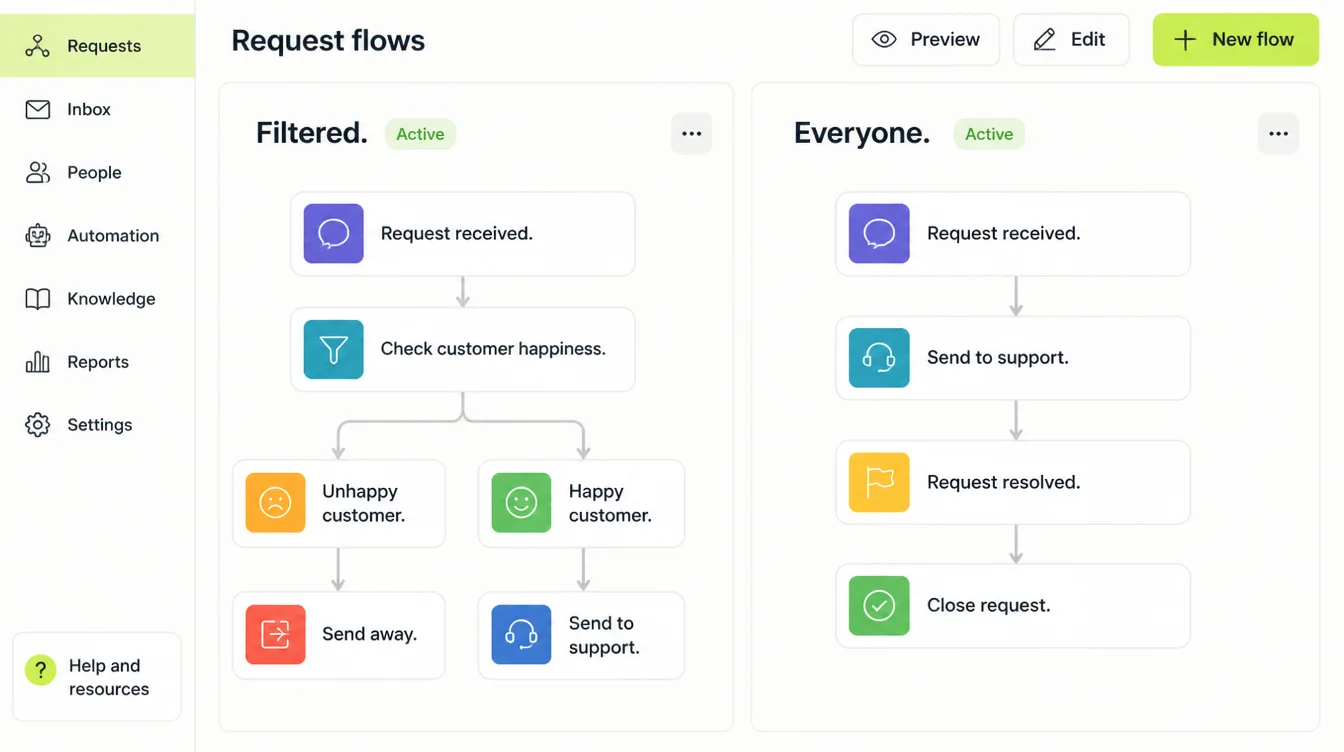
- Gating the request. Filtering unhappy customers into a private form breaches Google's policy on selective solicitation.
- Paying for reviews. Incentives for posting, revising or removing a review are against Google policy, and fake ones fall under the FTC's 2024 rule.
- Threatening a reviewer. A groundless legal threat to remove a review is unlawful under 16 CFR 465.7, and indefensible anywhere else.
- Reporting reviews you dislike. Google stays out of conflicts between businesses and customers.
- Buying removal as a service. The promise covers one search engine at most.
- Ignoring the AI answers. With 45% now asking gen-AI for local recommendations, checking only Google leaves half the picture unread.
FAQs
Can I get a bad Google review deleted?
Only if it breaks a policy such as fake engagement, harassment, personal information or being off-topic. Google's help page says not to report a review because you disagree with it, and that it stays out of conflicts between businesses and customers. You get one appeal, then that's the end of it.
Is review gating illegal?
It breaches Google's policy everywhere, which bans discouraging negative reviews and selectively soliciting positive ones. In the US it can also fall foul of the FTC rule where the result implies your displayed reviews represent all of them. The safe version is one request, sent to every customer.
How much does reputation management cost?
Nobody publishes prices, which is why quotes vary so widely. Judge one on scope instead: how many profiles get claimed, who writes the replies, what gets published, and what gets reported to you each month. A quote with no listed deliverables can't be compared with anything.
Does one star really cost 5 to 9 percent of revenue?
That figure comes from Michael Luca's Yelp study of independent restaurants in Seattle and Washington State between roughly 2003 and 2009. The same paper found no effect for chains. Treat it as evidence about that market, not a rule for your industry, your country or your Google rating.
Do AI assistants matter for my reputation now?
Increasingly. BrightLocal recorded gen-AI use for local recommendations rising from 6% to 45% in a year, while Google's share as a review source dropped to 71%. Those tools read the same profiles, reviews and pages, so the work is unchanged. The surface it lands on is new.
Conclusion
Reputation management is mostly ownership. Claim the profiles, ask everyone, reply in public, publish pages you control, and read one alert a week.
The parts that sound most like a service, removal and suppression, are the parts nobody can promise. Google takes down policy breaches, and delisting isn't deletion.
So the buying question is narrow. Are you paying for labour you don't have time for, or an outcome nobody can deliver?
If it's the first, that's a fair trade and worth quoting out. See how we approach local SEO, or reach out to my team at Seed Light.