
Key takeaways
- What it is: a simple system that rewards repeat behaviour so good customers come back instead of drifting off.
- Five main types: points, tiers, punch or stamp cards, paid memberships, and referrals (HubSpot).
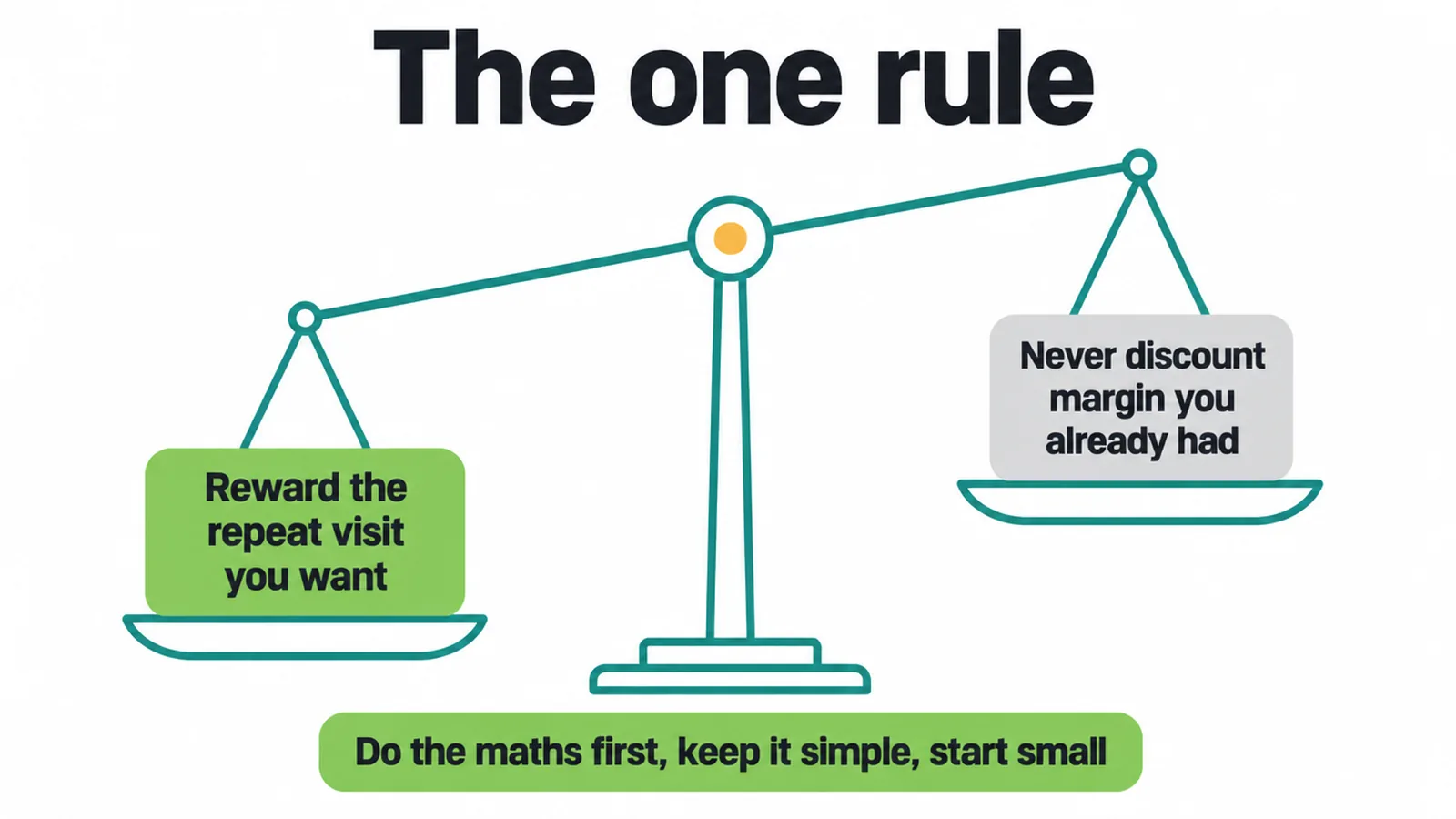
- The one rule: reward the repeat visit you want more of, and never discount away the margin you already had.
- Start simple. A stamp card or a built-in store feature beats a big app on day one (Xero).
- Measure the right thing. Watch repeat rate and reward redemption, not sign-ups.
1. Small business loyalty programs: the short answer
A loyalty program for a small business rewards repeat behaviour so your good customers come back. The five main types are points, tiers, punch or stamp cards, paid memberships, and referrals.
Here is the one rule that decides if it pays back: reward the repeat visit you want more of, and never discount away the margin you already had. Do the maths first, keep it simple, and start small.
That is the whole idea in a paragraph. The rest of this post shows you each type, how to design one that earns its keep, and the quiet pitfalls that turn a loyalty program into a slow leak. No hype, no benchmark stats you cannot trust. Just the plain mechanics.
2. What a loyalty program actually is
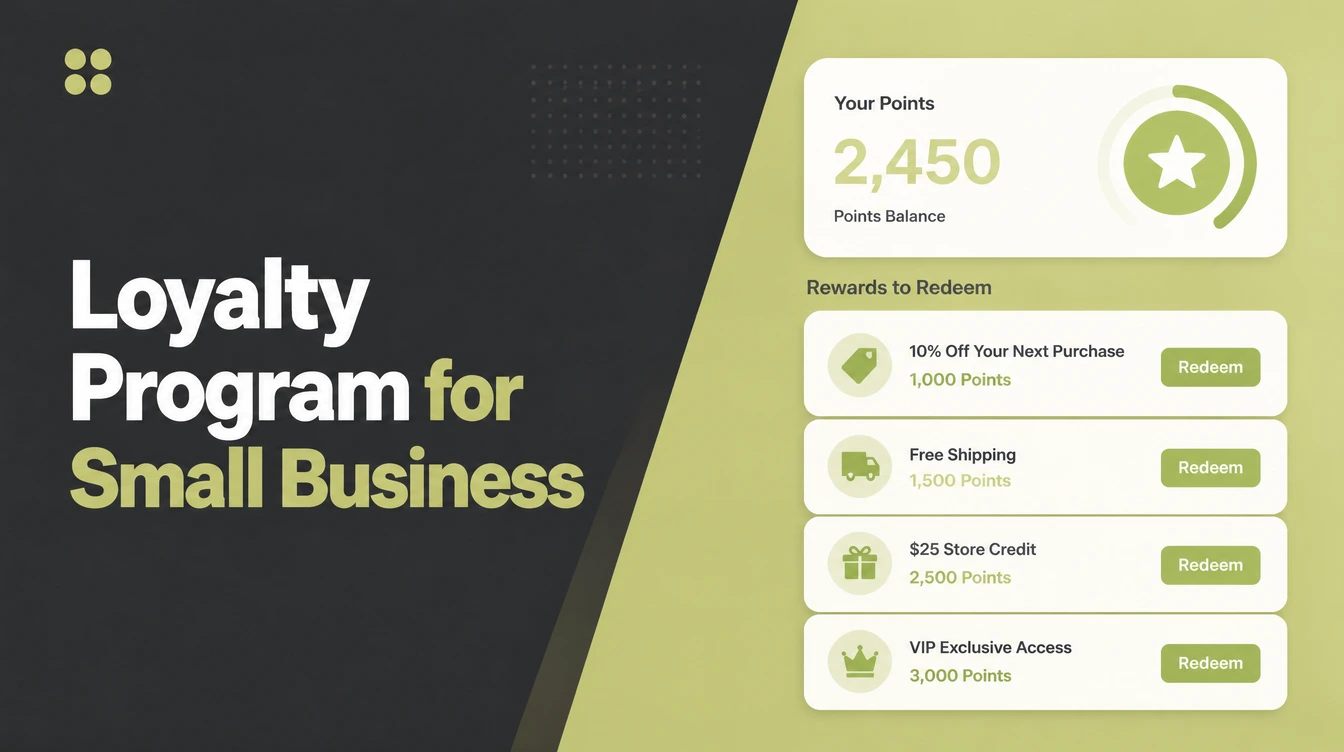
A loyalty program is a reason to come back. That is it. You give a customer something for repeating a behaviour you want more of, so buying from you again feels better than trying someone else.
The reward can be points, a free coffee after a few visits, a members-only perk, or a bonus for sending a friend your way.
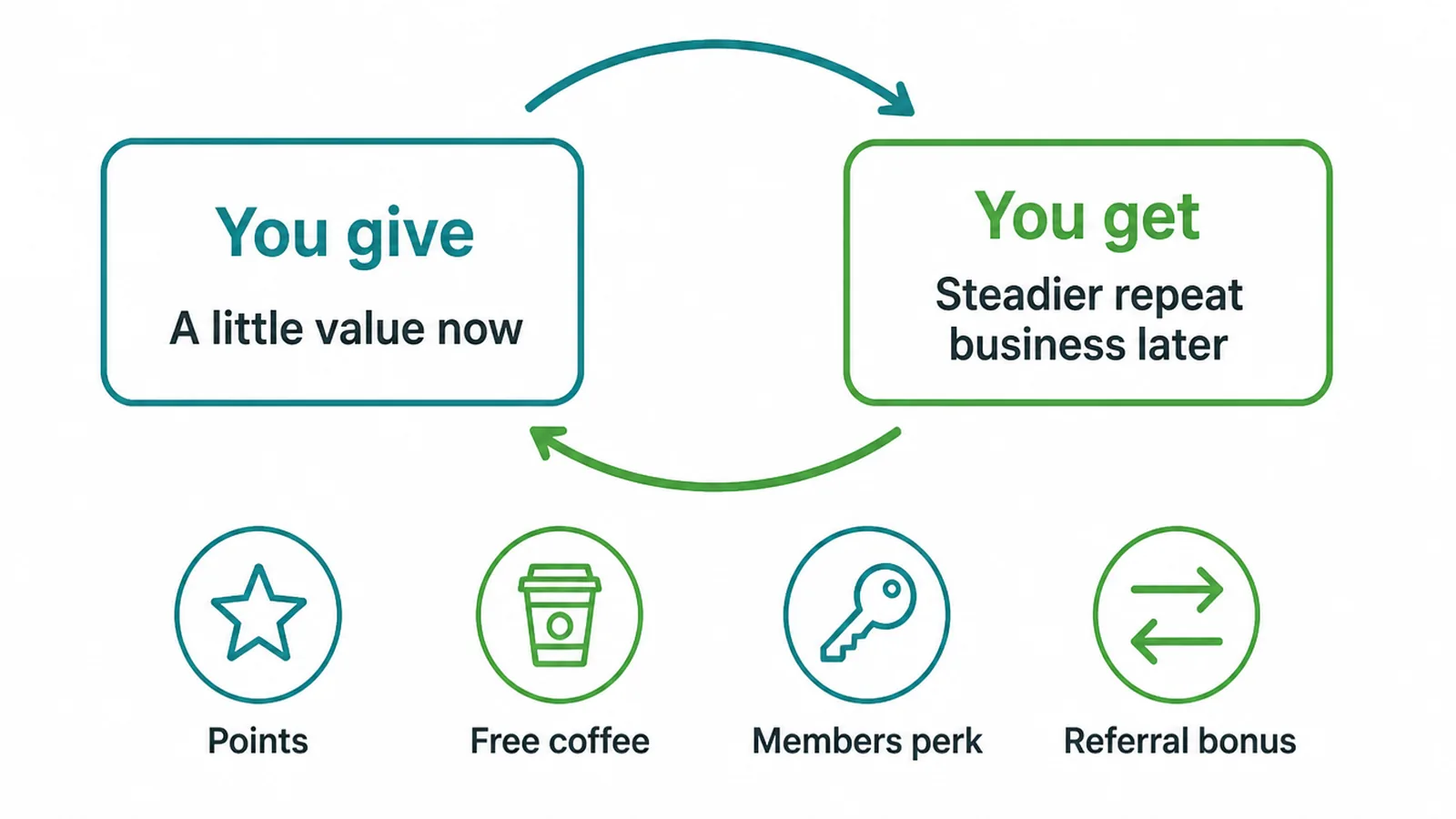
It is not a gimmick, and it is not free money. A good program is a small trade. You give up a little value now to earn a bigger, steadier stream of repeat business later.
Customers who feel looked after tend to spend more with you over time, which is exactly why the mechanic works when it is built well. It falls apart when you hand out rewards with no plan, which we will get to.
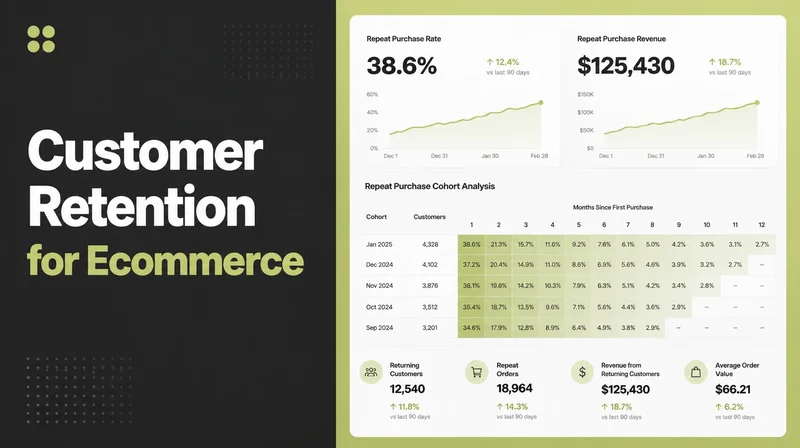
One thing worth saying up front: a loyalty program is one piece of a bigger picture, not the whole thing. If you want the full view of keeping customers around, read our companion guide to customer retention for ecommerce. This post zooms in on the loyalty-program mechanic itself.
3. The 5 types of loyalty program
For this guide, we group loyalty programs into five useful types: points, tiers, punch or stamp cards, paid memberships, and referrals.
Each rewards a slightly different behaviour, so the right one depends on how often people buy from you and what you want more of. Read across the table, then the notes below.
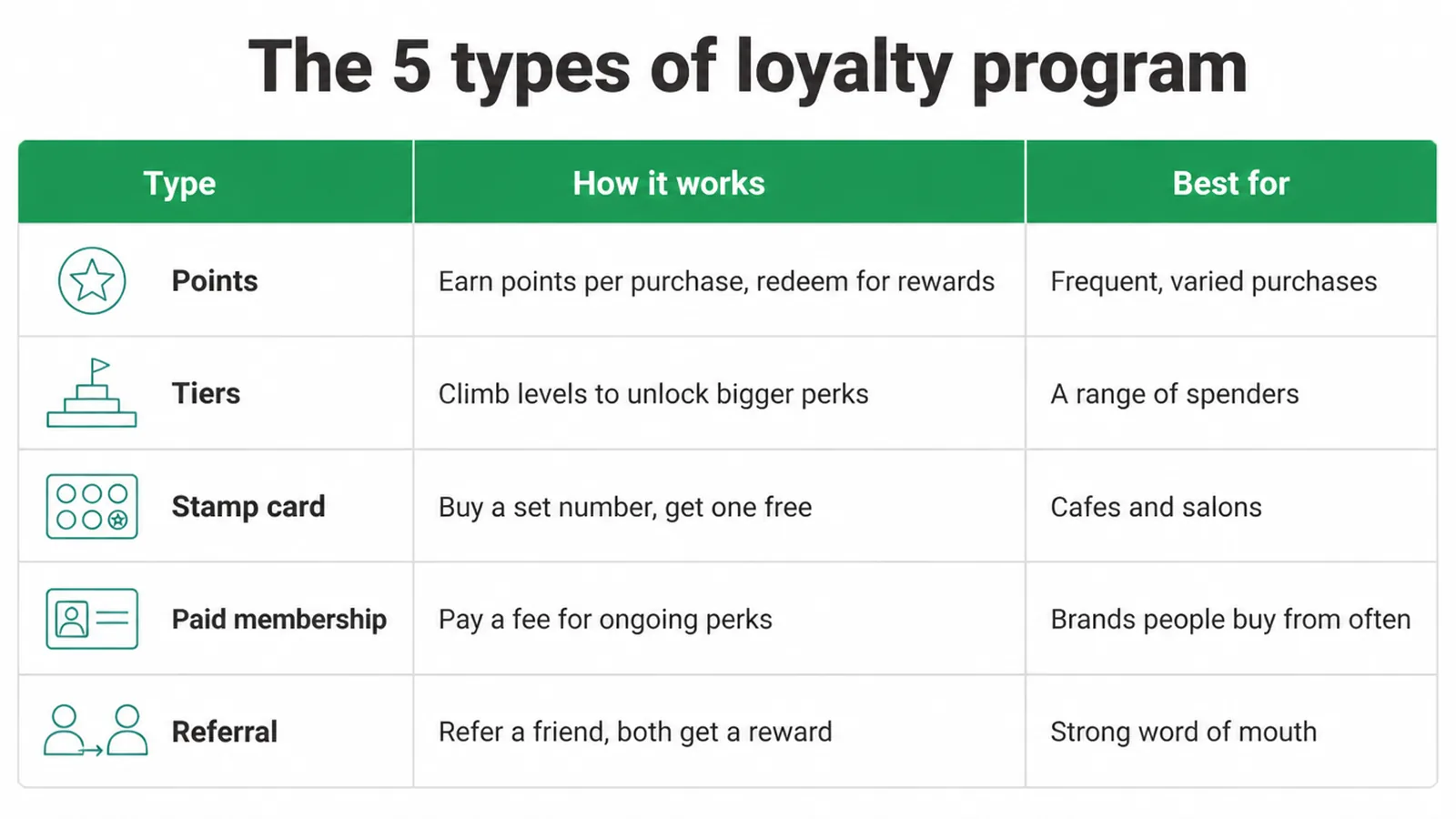
| Type | How it works | Best for |
|---|---|---|
| Points | Earn points per purchase or action, redeem for rewards | Stores with frequent, varied purchases |
| Tiers | Spend or engage more to climb levels and unlock bigger perks | Brands with a range of spenders and repeat buyers |
| Punch / stamp card | Buy a set number, get one free or a perk | Cafes, salons, simple repeat services |
| Paid membership | Customer pays a fee for ongoing perks or savings | Brands people already buy from often |
| Referral | Existing customer refers a friend, both get a reward | Businesses with happy customers and word of mouth |
Points
Customers earn points when they buy, then swap those points for rewards. It is flexible and familiar, which is why so many shops use it.
The clever part is that you can also give points for actions that are not purchases, like leaving a review, referring a friend, or sharing a post (HubSpot). That turns a simple discount scheme into a way to grow word of mouth too.
Tiers
Tiers reward people for climbing levels. Spend or engage more, unlock bigger perks. It gives your best customers a status to chase and a reason to keep choosing you over a rival.
Tiers suit brands with a spread of customer types, from the occasional buyer to the regular, because everyone can see the next rung on the ladder.
Punch or stamp card
The simplest one of all. Buy a set number, get one free or a small perk. A cafe, a salon, a car wash: anywhere people come back for the same simple thing.
It costs almost nothing to start, a customer understands it in one glance, and it rewards the exact behaviour you want, which is one more visit.
Paid membership
Here the customer pays a fee for ongoing perks or savings. It sounds bold for a small business, but it can work well when people already buy from you often.
According to McKinsey, members of paid loyalty programs tend to spend more with the brand than members of free programs, and buy more often. The fee itself also filters for your keenest customers, the ones worth building around.
Referral
A referral program turns your existing customers into advocates. One shares a code or link, a friend buys, and both get a reward.
It is a cheap way to grow because the new customer arrives through trust rather than paid ads, which lowers what it costs you to win them (HubSpot). If your customers already talk about you, this is low-hanging fruit.
Whichever type you pick, you still have to deliver it. Point balances, reward reminders and referral asks all need to reach the customer, and email is usually the cheapest way to do that. Our guide to email marketing for small business shows how to send those without it feeling like spam.
4. How to design one that pays back
A loyalty program only pays back if the reward always costs you less than the repeat behaviour it earns. That is the whole game. Get the maths right and the design is mostly common sense. Here is a plain, six-step way to build one that earns its keep instead of quietly draining you.
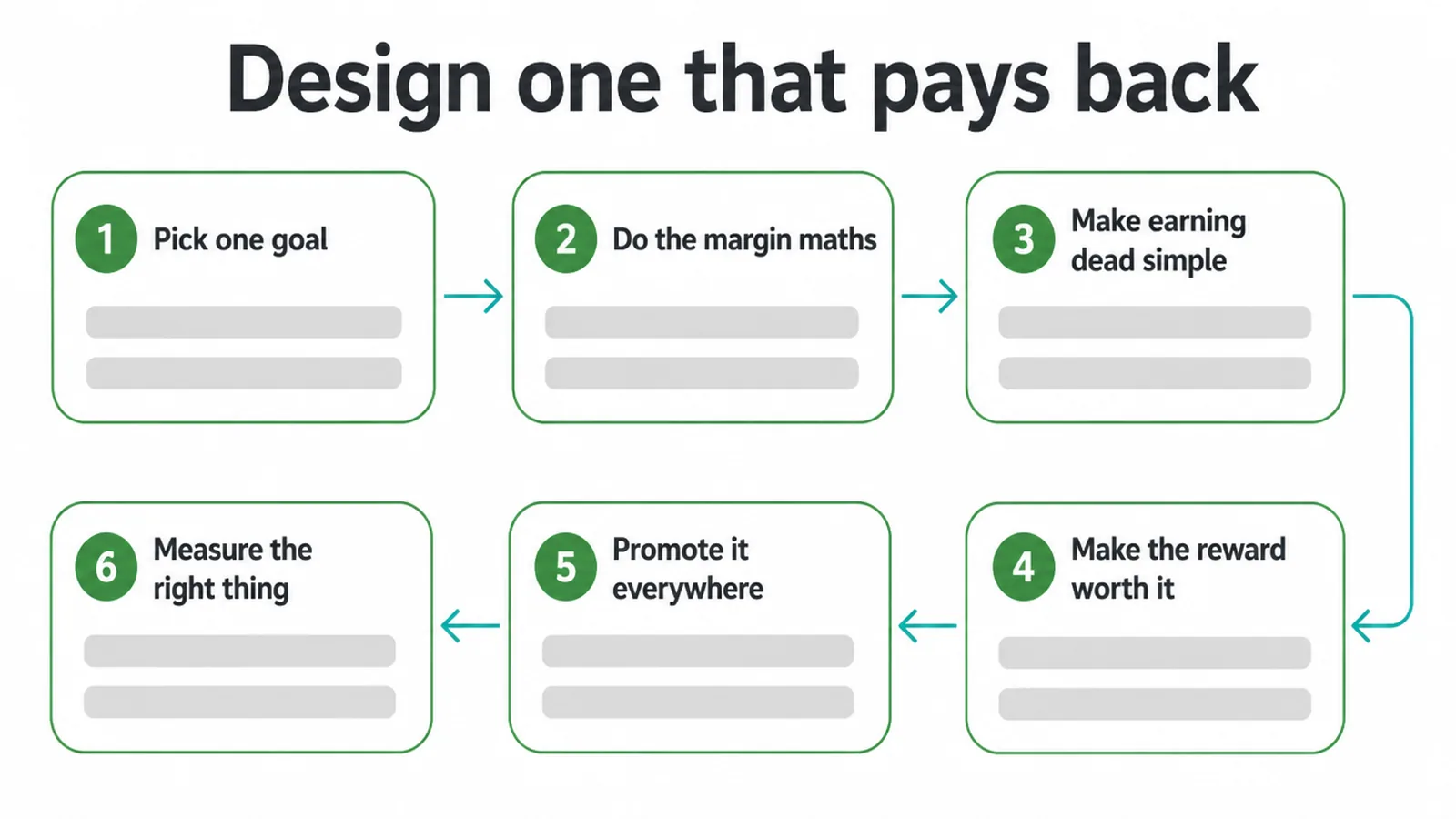
1. Pick one goal. More repeat visits, bigger baskets, or more referrals. Just one. A program that tries to do all three at once confuses the customer and dilutes the reward. Decide what behaviour you most want more of, and build the whole thing around that single aim.
2. Do the margin maths. Before you launch, work out what a reward actually costs you and make sure it is always less than the value of the repeat behaviour it triggers.
This is the step most owners skip, and it is the one that decides whether the program is an investment or a leak. Reward loyalty you are trying to grow, not the sale you already had.
3. Make earning dead simple. One rule a customer can repeat from memory. "Buy five, get one free." "Refer a friend, you both get a treat." If you have to explain it twice, it is too complicated, and complicated programs go unused.
4. Make the reward feel worth it. A reward that is too small for the effort or spend required will fail.
A tiny discount offered only after a customer spends a large amount is unlikely to feel worthwhile. The reward should feel like a fair trade for the loyalty you are asking for.
5. Promote it everywhere. On the receipt, in your emails, at the checkout, on the counter. A program nobody knows about earns nothing. Every touchpoint is a chance to remind a customer they have a reason to come back.
A loyalty offer is also a conversion lever on your website, which ties into our guide on how to increase website conversion rate.
6. Measure the right thing. Track repeat purchase rate and how often rewards actually get redeemed. Not sign-ups. Sign-ups are easy and mostly vanity. A rising share of repeat customers is the only proof that matters.
5. The pitfalls that quietly cost you money
Most loyalty programs do not fail loudly. They leak. The rewards go out, the money quietly follows, and it takes months to notice the program is costing more than it earns. A loyalty program is earned admin, not free money. Here are the traps to watch, and the biggest one is discounting.
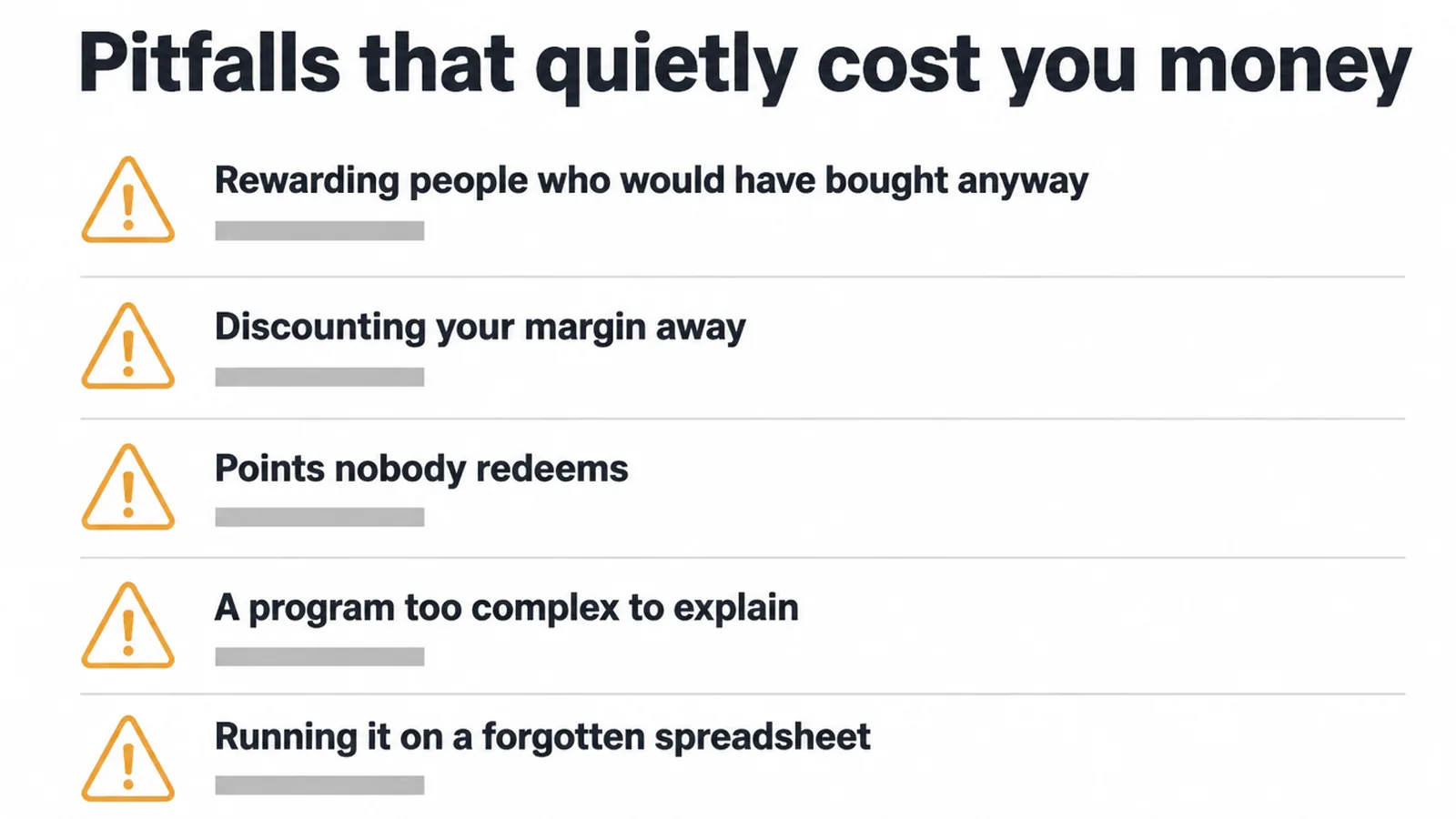
Rewarding people who would have bought anyway. This is the classic one. If your loyal regular buys every week regardless, and you now hand them a reward for it, you have just given away margin and changed nothing. Aim rewards at the extra behaviour you want to grow, not the sale you already had.
Discounting your margin away. Discounts work, but they are the riskiest reward because they come straight out of your profit. Give away too much and the program can cost more than it brings in.
This is why perks that cost you little but feel valuable, like early access, a free add-on, or a small gift, often keep more profit than a straight price cut. Guard your margin like it is the point, because it is.
Points nobody redeems. Unredeemed points are dead weight. If people earn but never cash in, you built no loyalty, just a spreadsheet of liabilities. Make redemption easy and remind people what they have waiting, or the whole scheme quietly stalls.
A program too complex to explain. If you cannot describe how it works in one sentence, your customer will not bother. Complexity is where loyalty programs go to die. Simple beats clever every single time.
Running it on a forgotten spreadsheet. The fastest way to break trust is to miss a reward. If your program lives in a manual sheet you forget to update, a customer will earn something, ask for it, and be told they have not.
Do that once and the goodwill is gone. Either automate it or keep it simple enough to never miss.
6. Simple ways to start this week
You do not need a big app to start. A basic in-store program like a stamp card can be set up cheaply, while a full app-based program costs far more to stand up (Xero). So begin with the cheapest version that tests the idea, and only scale up once it clearly works.
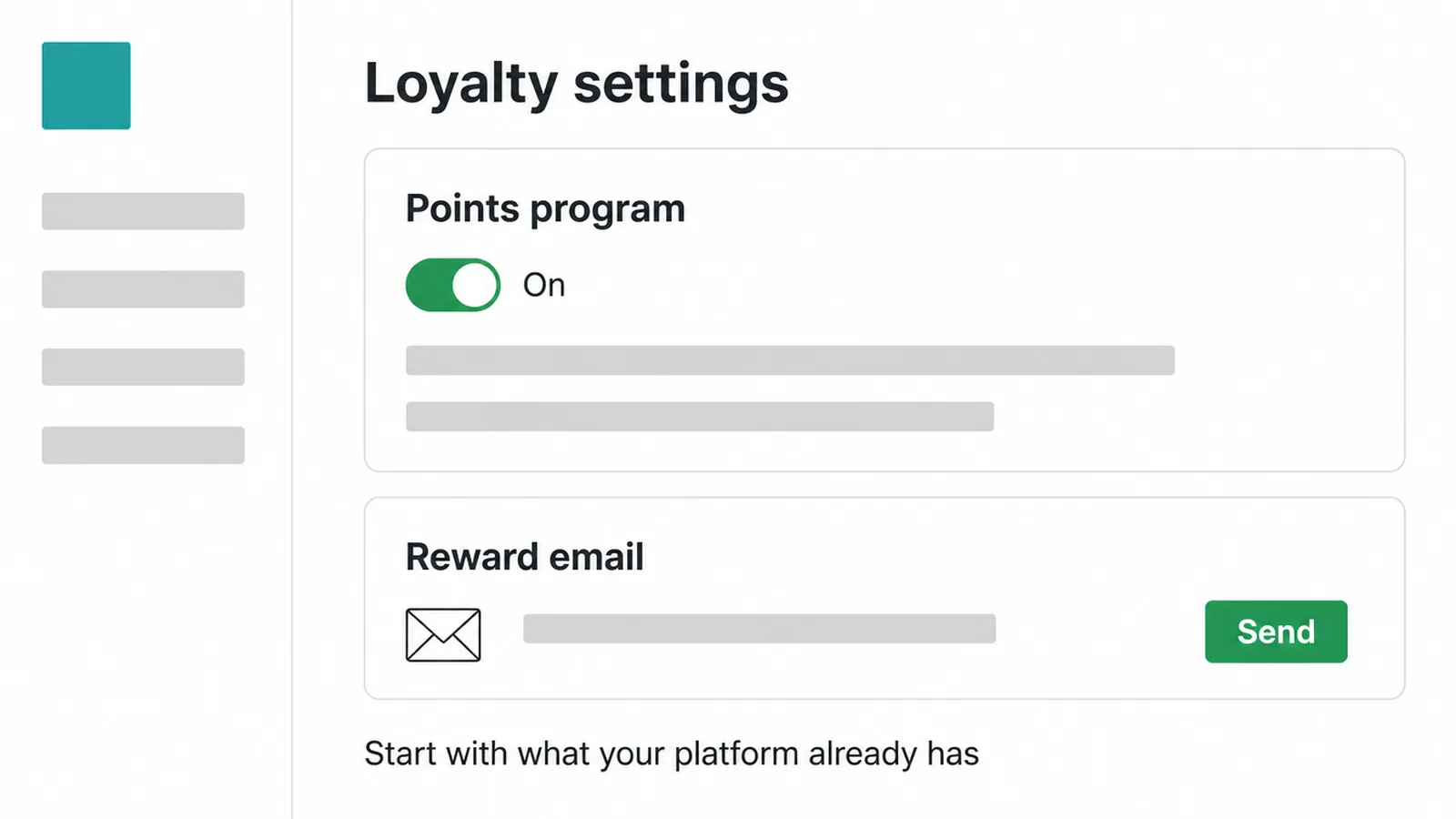
For a shop with a counter, that is a stamp card and a friendly "come back and get one free". For an online store, it is a built-in points feature plus one reward email.
Most store and email platforms have a loyalty feature already sitting there, so you can test the whole idea without buying anything new. If the simple version pulls people back, then, and only then, look at a dedicated app.
Building the loyalty mechanics into your store from the start makes all of this smoother. That is part of what we wire in when we build a shop, so points, rewards and referral links live inside the site rather than in a separate tool you forget to check.
If you want a hand setting yours up so it pays back instead of leaking, tell us what you sell and we will help you design it.
FAQ
1. What is a loyalty program for a small business?
It is a simple system that rewards people for coming back. You give points, a stamp, a perk, or a referral bonus so that your best customers have a reason to buy again instead of drifting to someone else.
2. What types of loyalty programs are there?
The five common ones are points, tiers, a punch or stamp card, a paid membership, and a referral program. Points and stamp cards are the easiest to start. Paid and tiered programs suit brands people buy from often.
3. Which loyalty program is best for a small shop?
Usually a stamp card or a simple points scheme. They are cheap to run, easy for customers to understand, and reward the exact behaviour you want, which is one more visit.
4. How do I make sure the program actually makes money?
Do the maths before you launch. Work out what a reward costs you and only give it for repeat behaviour that would not have happened anyway. Reward loyalty you are trying to grow, not the sale you already had.
5. Are discounts a good reward?
They work, but they are the riskiest reward because they come straight out of your margin. Perks that cost you little but feel valuable, like early access, a free add-on, or a small gift, often keep more profit.
6. How do referral programs work?
An existing customer shares a code or link. When a friend buys, both get a reward. It is a cheap way to grow because the new customer arrives through trust, not paid ads.
7. Do I need an app to run a loyalty program?
No. Start with a stamp card or a built-in feature in your store platform or email tool. Add an app later only if the simple version is clearly working and you have outgrown it.
8. How do I know if my loyalty program is working?
Track repeat purchase rate and how often rewards get redeemed, not how many people signed up. Sign-ups are easy. A rising share of repeat customers is the real proof.