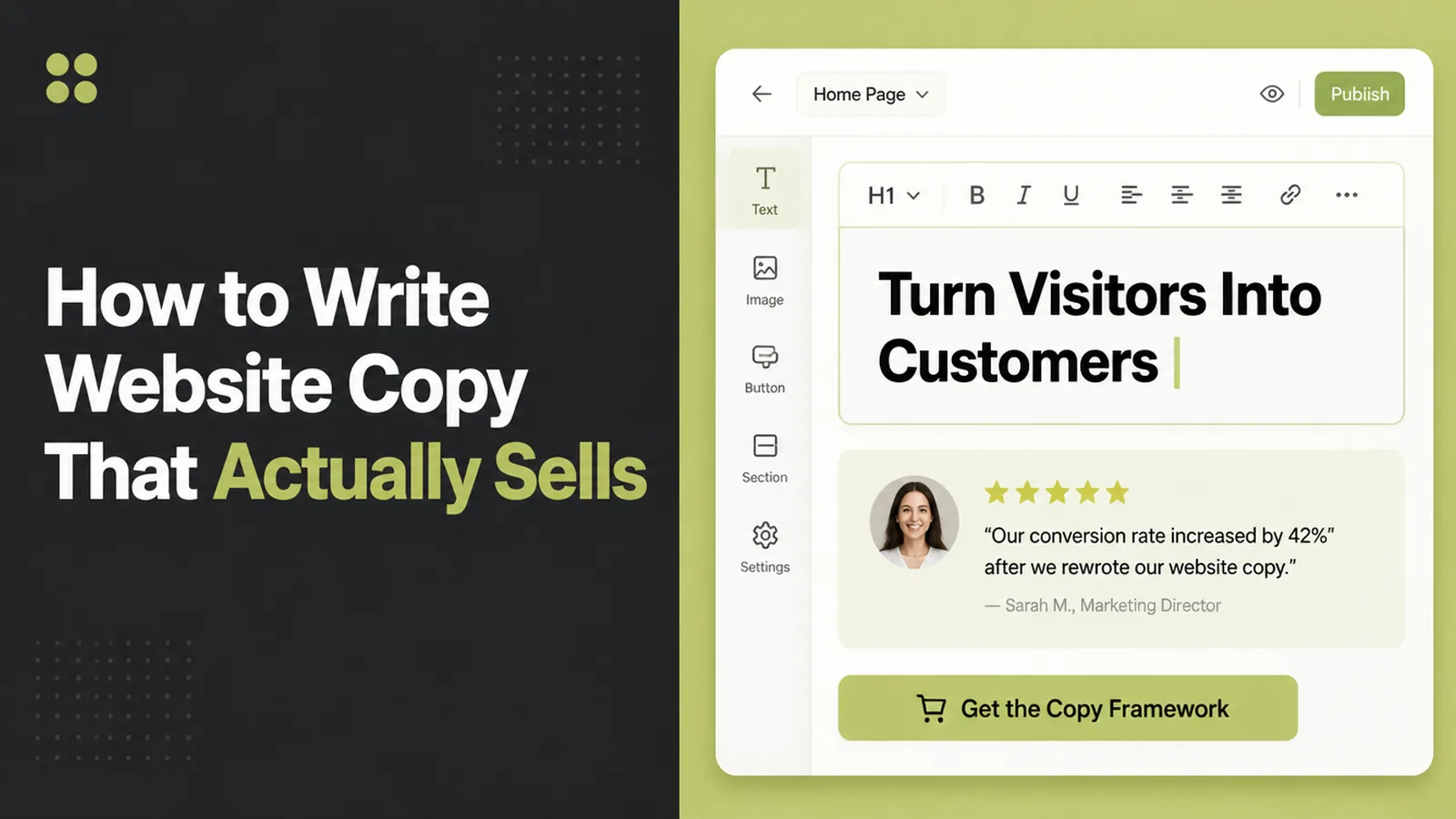
How to Write Website Copy That Actually Sells

Website copywriting works when the page says what you do, who it is for, and what happens next, in words a stranger understands on the first pass. Seed Light writes the promise first, cuts it until it is plain, then reads it aloud, because a sentence you stumble over is a sentence a reader abandons.
Nobody reads a website the way it was written. They skim, they jump, and they leave the moment a sentence asks for effort.
That is the whole constraint, and most pages are written as though it were not true. They open with a line about the company, work up to the point, and lose the reader two paragraphs before it arrives.
This guide covers what the copy has to do, why clever loses to plain, and the three passes that turn a draft into a page.
Key Takeaways
- Say what you do in the first line. Not your story, not your values, the service.
- Write the promise before the page. One sentence, in the customer's words.
- Cut until it is plain. Most first drafts lose a third and improve.
- Read it out loud. Every sentence you stumble over is one a reader abandons.
- One action per page. Two competing buttons is a decision the reader will not make.
Good website copywriting is not writing talent. It is knowing what the reader needs to hear and refusing to say anything else.
Which is why business owners often write better first drafts than professionals do. They know the questions, they just bury them under what they think a website is supposed to sound like.
What Website Copywriting Has To Do
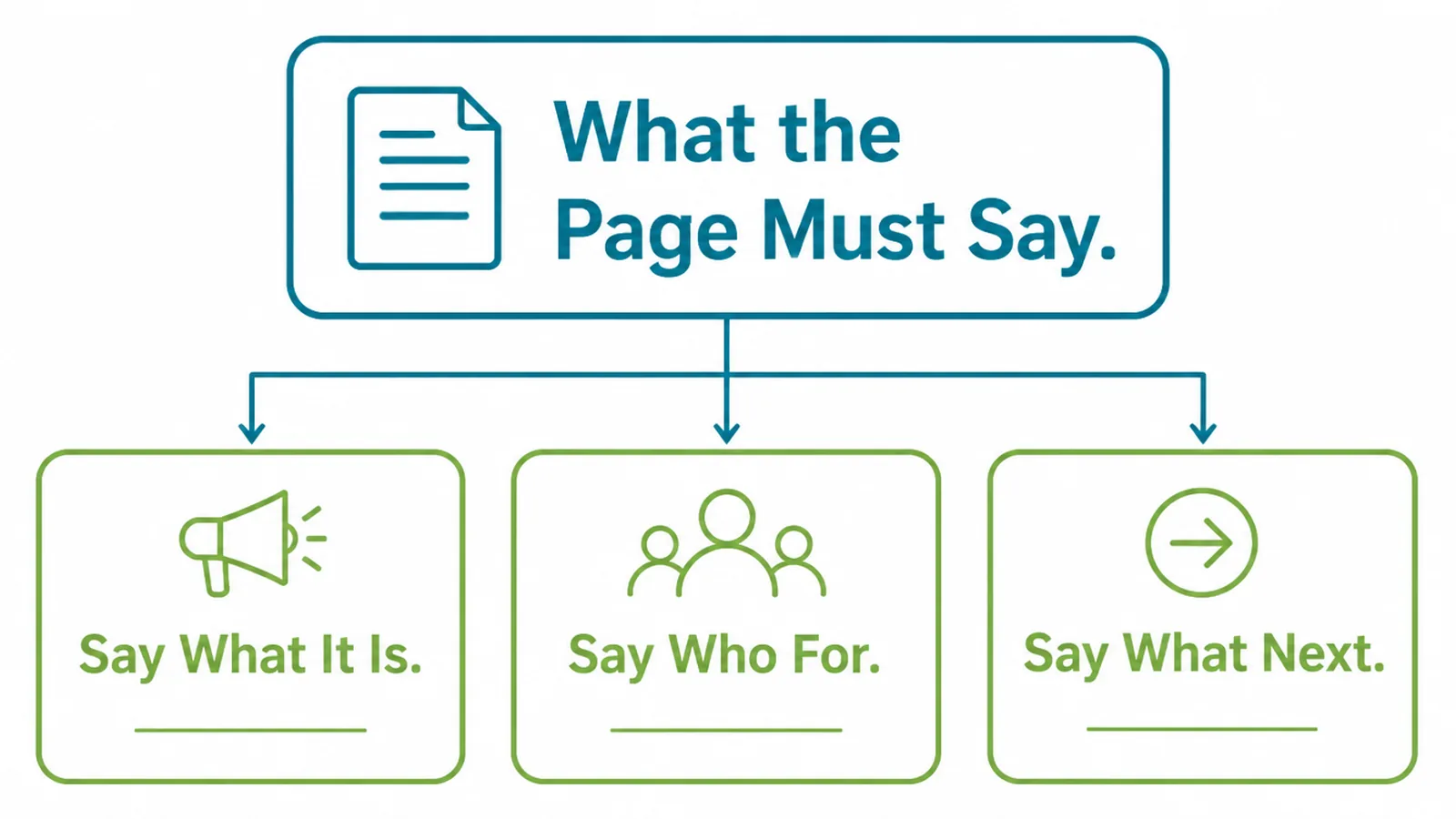
Every page is doing three things at once, and a page fails when it does only the first.
- Say what this is. The service, named the way a customer would name it.
- Say who it is for. So the right reader recognises themselves and the wrong one leaves.
- Say what happens next. One action, described plainly, repeated where the reader is ready.
The second one is the one most pages skip. A page that could be about anybody reads as though it was written for nobody. It performs that way too.
Naming the reader costs you nothing. "For small shops with one or two staff" loses the enquiries you could not serve anyway, and wins the ones you can.
The third job is usually present and too quiet. A single line of grey text at the bottom of a long page is not an instruction, it is a hope.
Why Clever Copy Loses
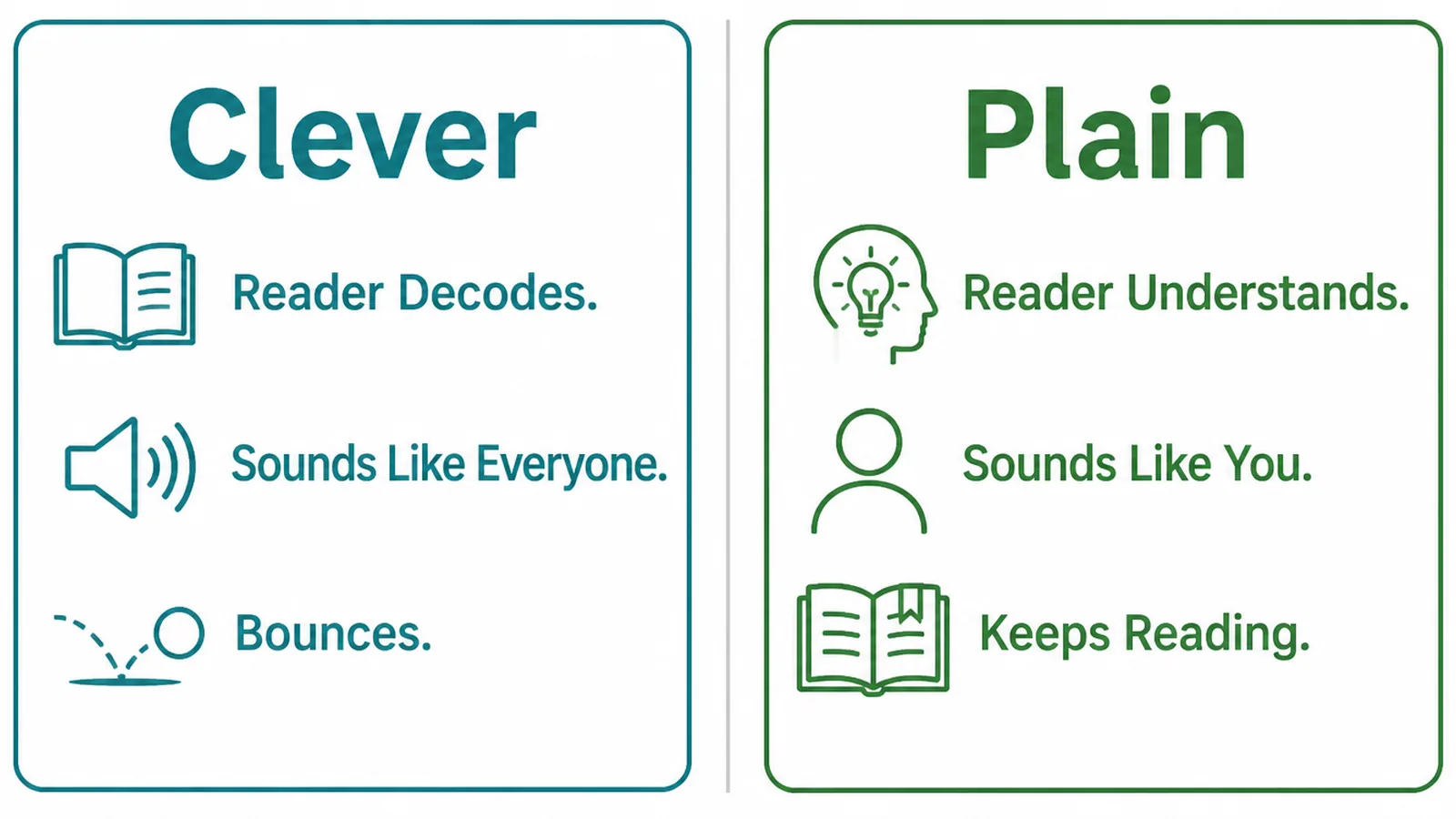
Clever lines ask the reader to work out what you meant. On a page being skimmed on a phone, that work does not happen.
It is not that readers are lazy. They are deciding whether you are worth five more seconds, and a line that needs decoding spends those seconds without paying anything back.
The usual suspects are wordplay in a headline, a metaphor doing the job a noun should do, and an abstract benefit standing in for the service itself. They feel like writing. They read like fog.
Plain is not the same as dull. A plain sentence can be warm, specific and confident; it just does not make the reader decode anything.
There is a simple test. Show the headline to somebody outside your trade and ask what the business does. If they hesitate, the line is costing you more than it earns.
Keep the clever line if you must, as the second sentence. Lead with the plain one, because that is the sentence doing the work of being understood.
How To Write Website Copy, Step By Step
Three passes. They are deliberately in this order, because each one is easier when the one before it is done.
1. Write The Promise First
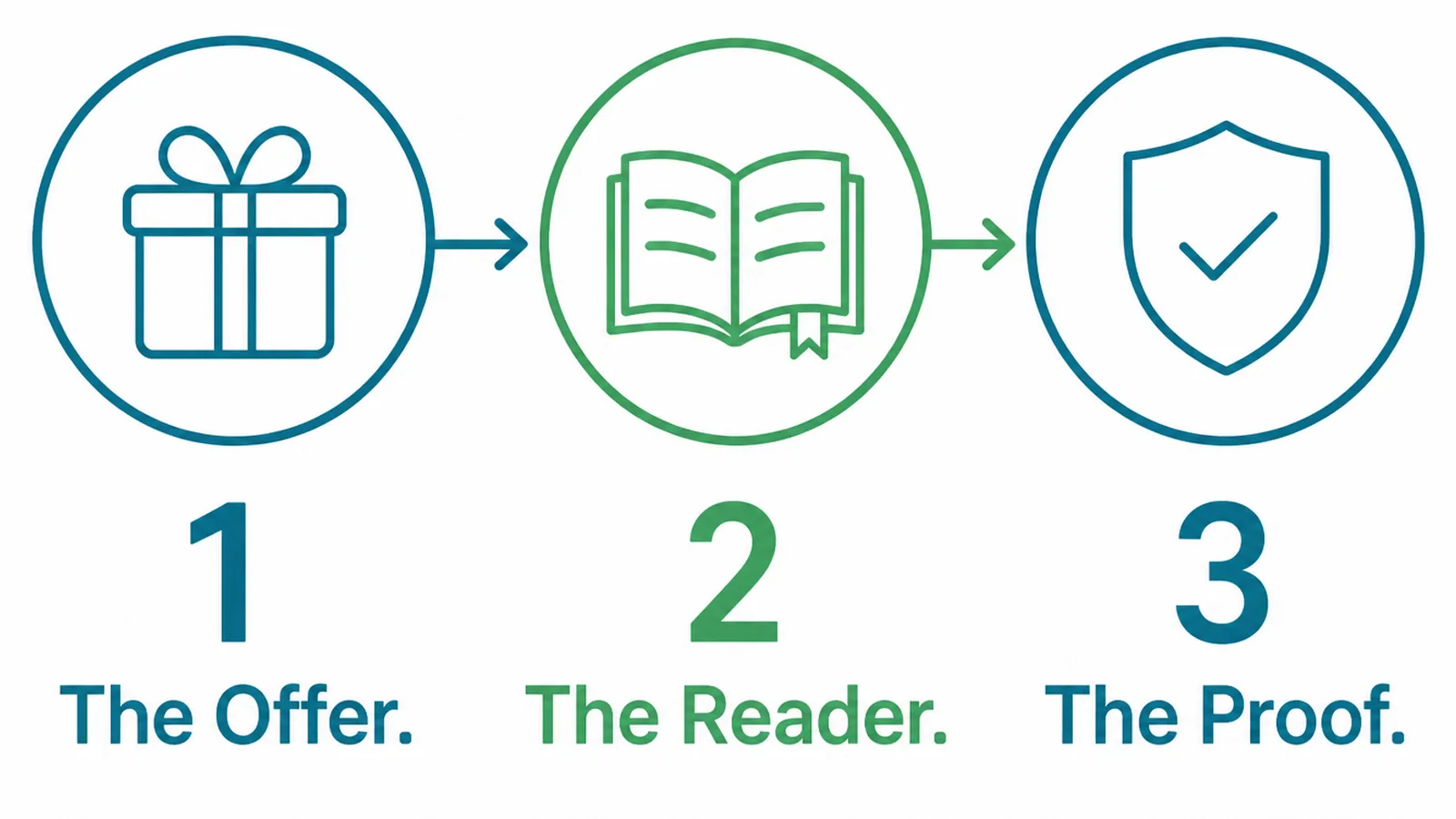
Before any page exists, write one sentence that holds the offer, the reader and the reason to believe it.
- The offer. What you actually do, in the words a customer would use on the phone.
- The reader. Who it is for, narrowly enough that somebody recognises themselves.
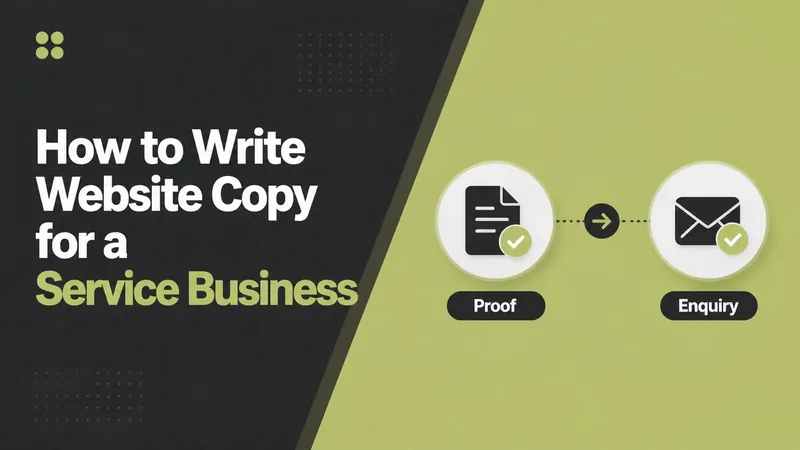
- The proof. The thing that makes it credible, usually work you have already done.
That sentence becomes the headline, or the paragraph beneath it, or both. Everything else on the page exists to support it.
Write it badly first, then fix it. A clumsy sentence that says the right thing is far closer to finished than a smooth one that says nothing.
If the sentence is hard to write, the page is not the problem. The offer is still vague, and no amount of web copywriting will hide that.
It is worth writing three versions and leaving them a day. The one you still like tomorrow is almost never the one that sounded best when you wrote it.
2. Cut Until It Is Plain
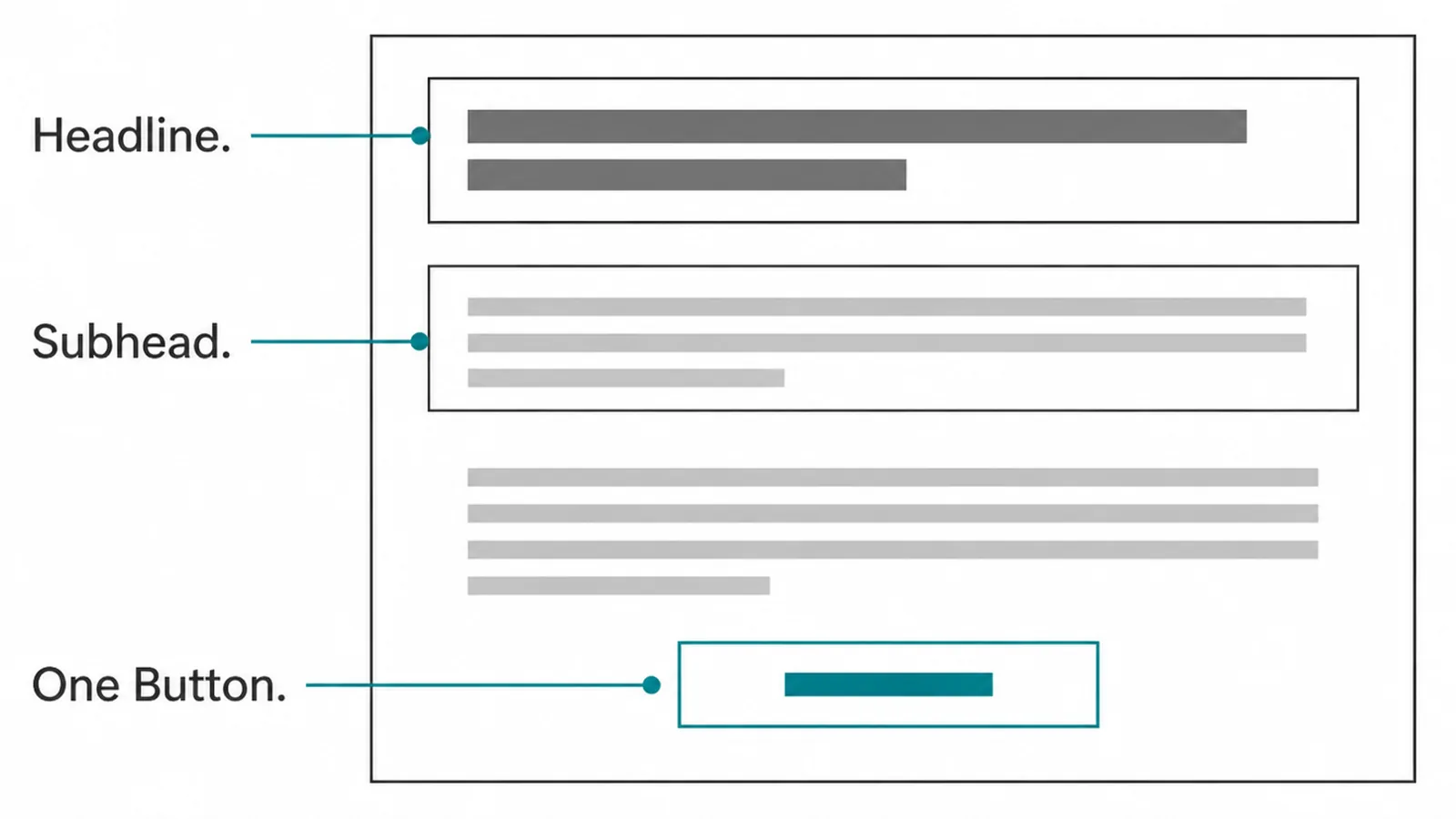
First drafts are long because writing is thinking. The second pass is where the thinking gets removed and the conclusion stays.
Work through it looking for four things.
- Warm-up sentences. The first line of most paragraphs can go, and the second one is the point.
- Abstractions. Solutions, strategies and approaches, where a specific noun would do.
- Hedges. Could, may, helps to, designed to. They drain a sentence of its claim.
- Repetition. The same idea in three outfits across one section.
A draft that loses a third of its words almost always reads better. That is not a rule about length, it is what happens when the thinking comes out.
Keep the specifics as you cut. Numbers you can stand behind, place names, service names and real constraints are what make a page sound like a business rather than a brochure.
3. Read It Out Loud
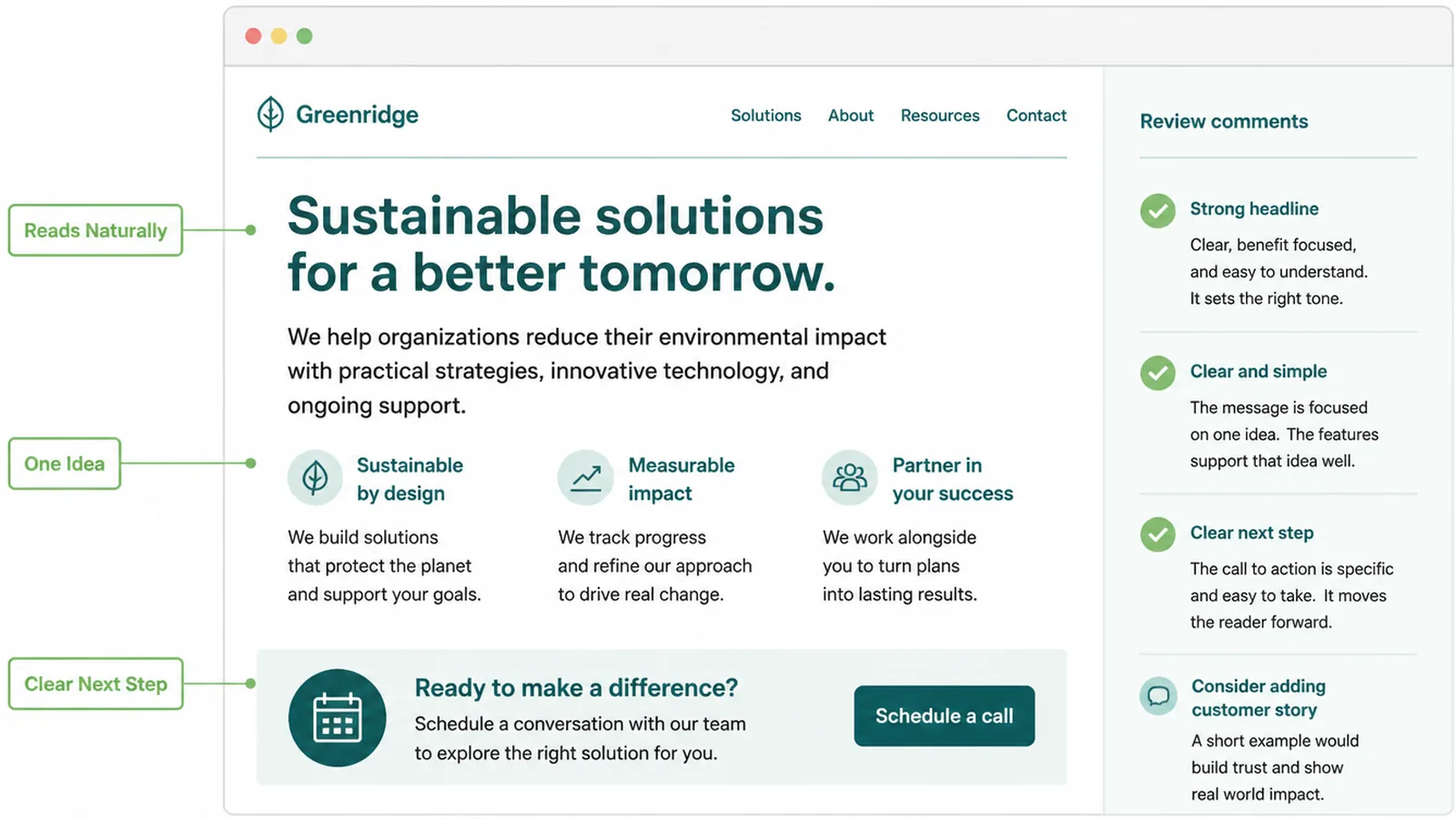
This is the pass people skip, and it finds more than the other two together.
Read the page aloud at normal speed. Anywhere you stumble, re-read a line, or run out of breath is a sentence that needs splitting or cutting.
Listen for three things specifically.
- Does it read naturally. If you would never say it to a customer, do not publish it.
- Is there one idea per sentence. Two ideas joined by "and" usually want to be two sentences.
- Is the next step obvious. At the end of each section, would a reader know what to do.
Reading aloud also catches the tone drift that creeps in when a page is written over several days, where one section is chatty and the next sounds like a tender document.
Website Copywriting Ideas That Work Right Now
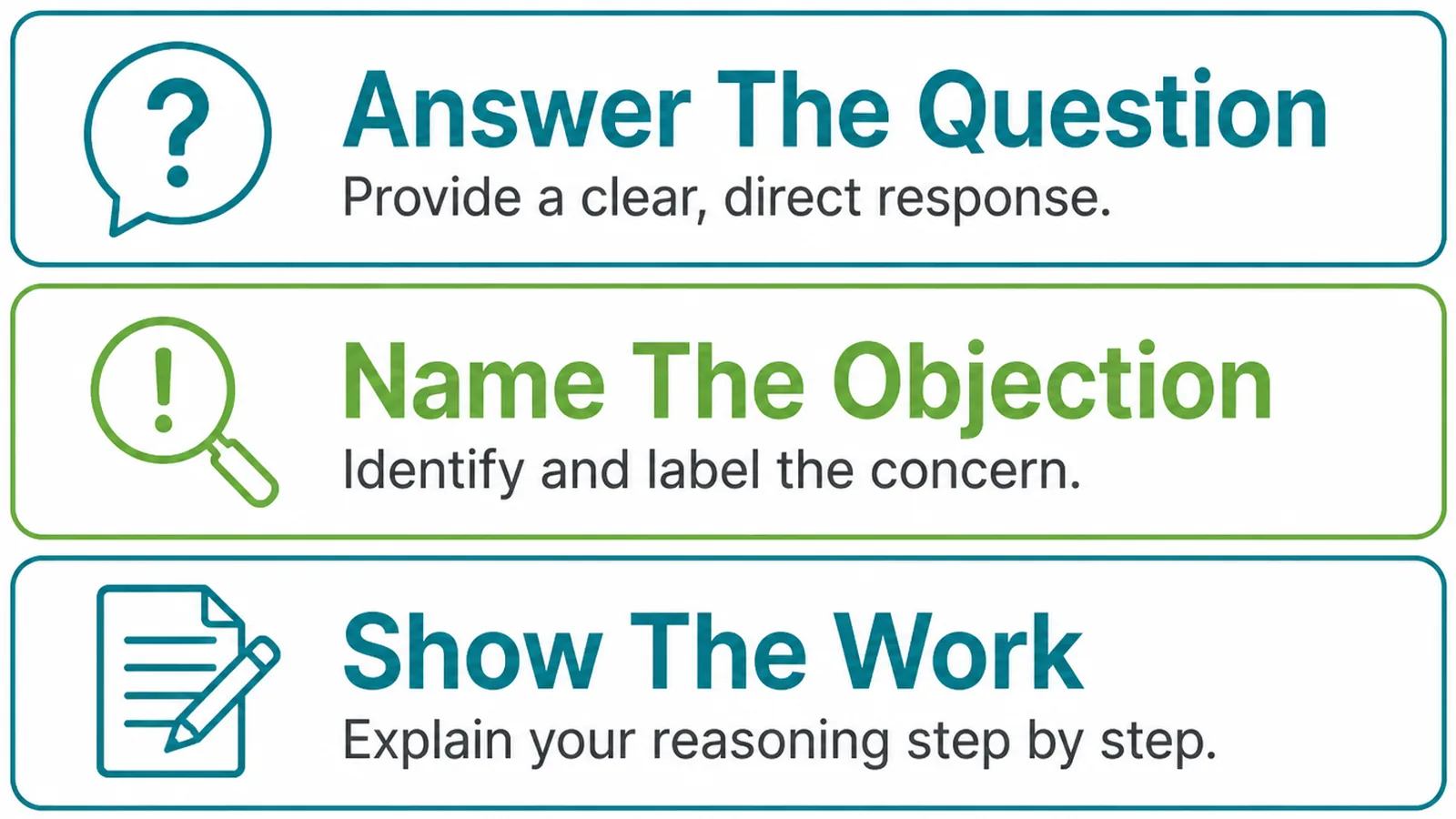
When a page is flat and you cannot see why, these three usually move it.
- Answer the question in the heading. Turn "Our Process" into the question a customer asks.
- Put the objection on the page. Name the thing that makes people hesitate, then answer it.
- Use their words, not yours. Lift phrasing from enquiries and calls rather than inventing it.
The third is the most undervalued. Your enquiry inbox is a free library of how customers describe the problem, and copying that phrasing makes a page feel immediately familiar.
Landing page copy benefits most from it, because a landing page has one job and no room to warm up. Every line either moves the reader towards the action or is in its way.
Keep a note of the questions you answer twice. A question asked twice belongs on the page; a question asked ten times belongs in the headline.
Website copywriting improves fastest when it stops being invention and starts being transcription. You are not making the argument up, you are writing down the one that already works on the phone.
Website Copy Tools
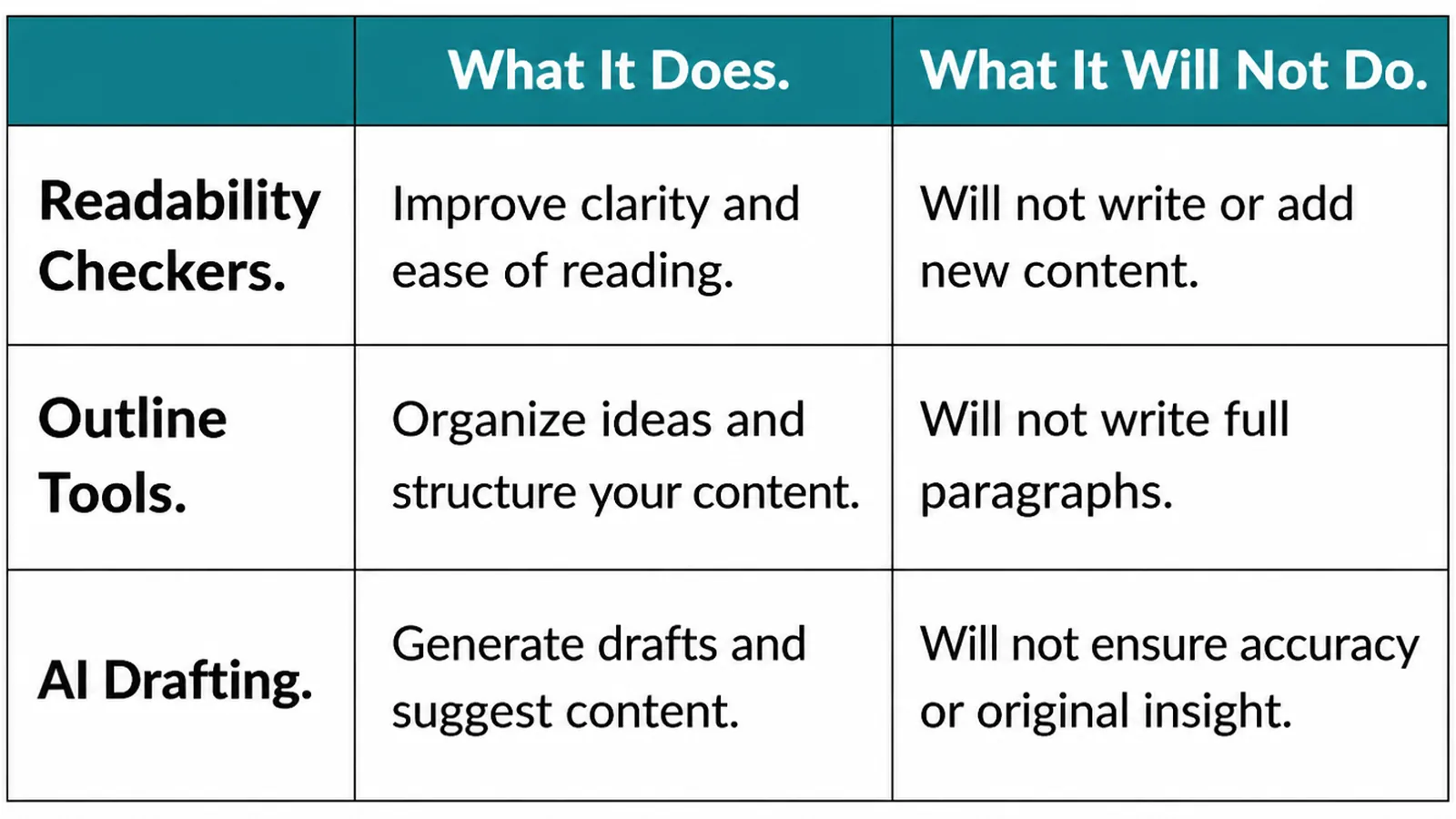
Tools help with the mechanics. None of them knows what your customers ask you.
| What it does | What it leaves to you |
|---|---|
| Readability checkers flag long sentences and dense paragraphs | Whether the sentence is worth keeping at all |
| Writing assistants draft and rephrase quickly | The specifics, the proof and anything true about your business |
| Heatmaps and recordings show where readers stop | Deciding what to change when they stop in the same place |
A word on drafting with an assistant. It is useful for shaping something you already wrote and dangerous as a source, because it will happily invent a statistic, a testimonial or a credential you do not have.
Anything a tool produces has to survive the same test as anything you wrote: can you stand behind it.
Common Website Copy Mistakes
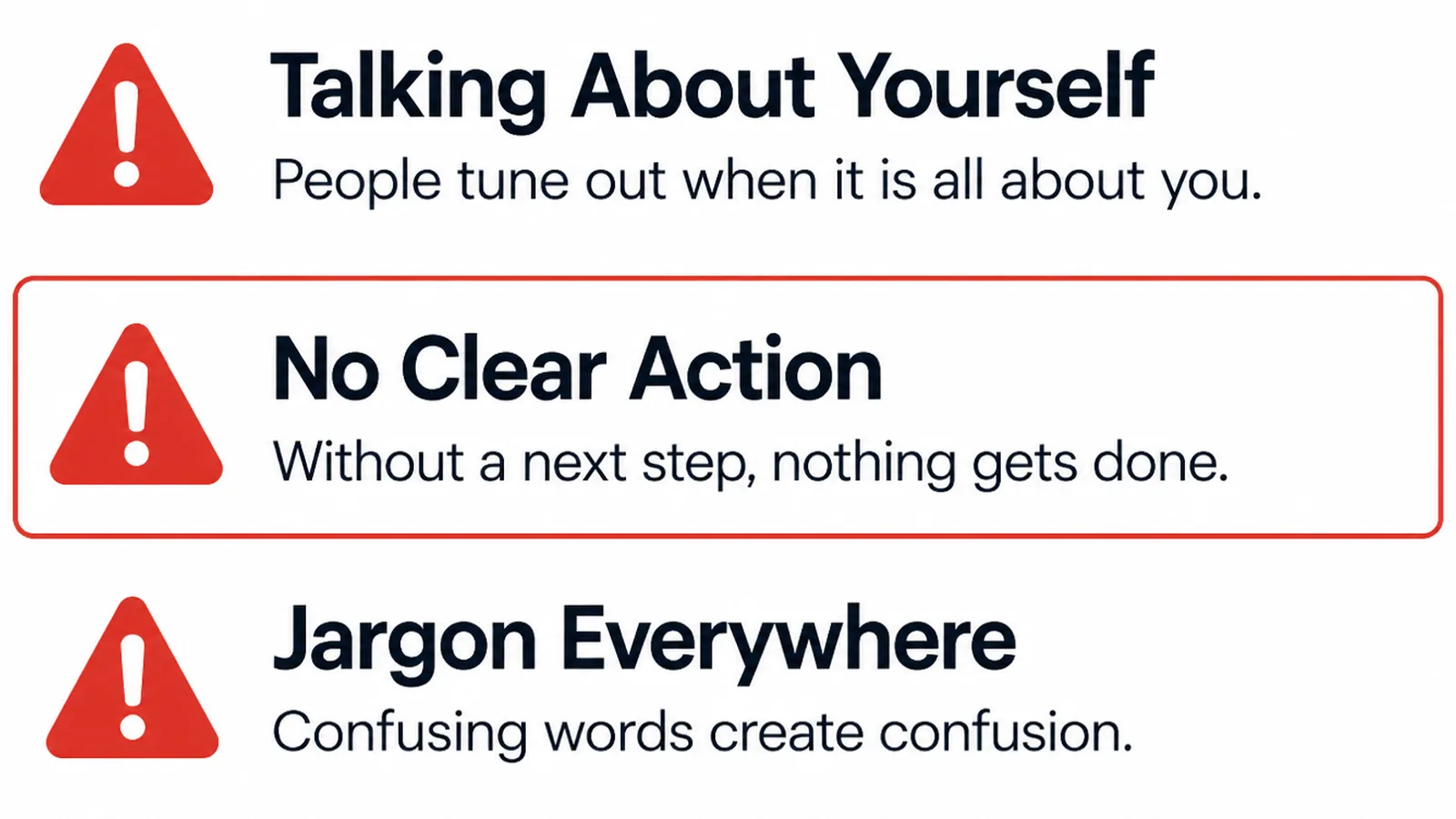
- Opening with yourself. A hero that says "Welcome to" before it says what you sell.
- Competing buttons. Call, email, enquire and download, all equally loud, so none is chosen.
- Proof with no name. Quotes from nobody, which read as copy because they usually are.
There is a fourth that is harder to see from the inside: writing for your peers. Vocabulary that impresses other people in your trade is the vocabulary a customer skips.
The fix for all four is the same. Put the page in front of somebody who is not in your business and watch which line they read first.
Do it with the page on a phone, held at arm's length, because that is the real reading condition. A headline that works on a wide screen can lose its second half on a narrow one.
And watch where they scroll past without pausing. A section nobody stops at is either in the wrong place or saying something they already believed.
FAQs
How long should website copy be?
Long enough to answer the questions that stop someone enquiring, and no longer. A service page usually needs what you do, who it suits, what it costs or how pricing works, what happens next, and proof. If a paragraph answers none of those, it is decoration.
Should I write the copy or my designer?
Write the first draft yourself if you can. You know the questions customers actually ask, and that is most of the work. A designer or writer can then cut, order and sharpen it. That is far easier than inventing the substance from nothing.
Do keywords still matter in website copy?
They matter as the words your customers use, not as a quota. Write the way a customer would describe the problem, use that phrasing in your headline and your page title, and stop there. Repeating a phrase to hit a count makes the page worse and fools nobody.
What is the fastest fix on a weak page?
Replace the headline. Most pages open with a line about the company when the reader wants a line about themselves. Say what you do and who it is for in plain words, and the rest of the page suddenly reads as though it were written for somebody.
Conclusion
Website copywriting is one promise, written plainly, supported by the things that make it believable.
Write the promise first, cut the draft until nothing is in the way of it, then read the whole page aloud. Those three passes fix more than any amount of rewriting in place.
If you would rather have it written and laid out for you, see how we approach web design, or get in touch and we will read your current page back to you.