AI Lead Generation 2026: Capture, Qualify and Follow Up

AI lead generation uses AI to capture leads, sort them and send a prompt first reply. It does not find customers for you. Harvard Business Review found that companies contacting a lead within an hour were nearly seven times more likely to qualify it than companies waiting an hour longer. Seed Light builds that follow-up.
Key takeaways
- Speed wins. Companies that contacted a lead within one hour were nearly 7 times more likely to qualify it than those who waited an hour longer (Harvard Business Review, 2011). AI's biggest single win is replying in seconds.
- AI assists, it does not sell. It captures, scores, and chases leads. You still need a real offer and a human to close.
- Fast follow-up supports qualification. The Harvard Business Review study above found a clear difference between contact within an hour and contact an hour later.
- Start tiny. One instant auto-reply beats a fancy system you never set up.
- Bad lead in, bad lead out. AI cannot create demand or fix a weak offer.
1. What AI lead generation actually is
AI lead generation is using AI to handle three jobs in your sales pipeline: catching leads, sorting them, and following up. It is not a robot that goes out and finds new customers for you. That is the myth, and it sets people up to be disappointed.
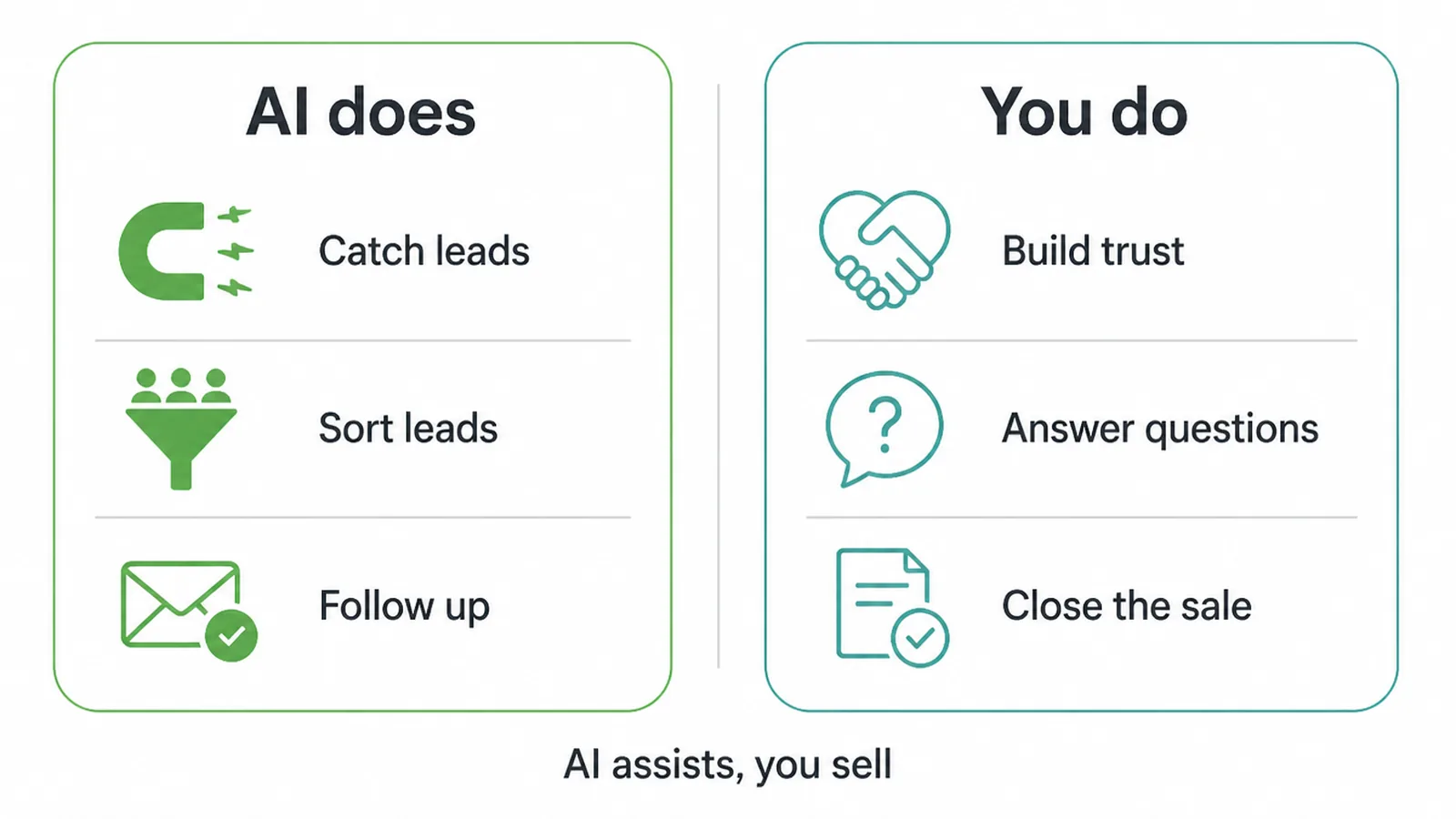
Here is the honest version. A lead arrives, maybe from your website, a paid ad, or a form. AI can answer their first question, grab their details, tag how likely they are to buy, and fire off a reply right away.
Then it can keep them warm with a few follow-up messages. Everything after that, the trust, the questions, the close, is still human work. AI assists. You sell.
This matters because the gap most small businesses have is not "we need more leads." It is "we are losing the leads we already get." AI is very good at plugging that gap.
2. Where AI helps across your pipeline
AI lead generation helps at five points in your funnel, from the moment someone shows interest to the moment a salesperson picks up the phone. None of these are magic. They are just the boring, repeatable steps that humans forget or do too slowly.
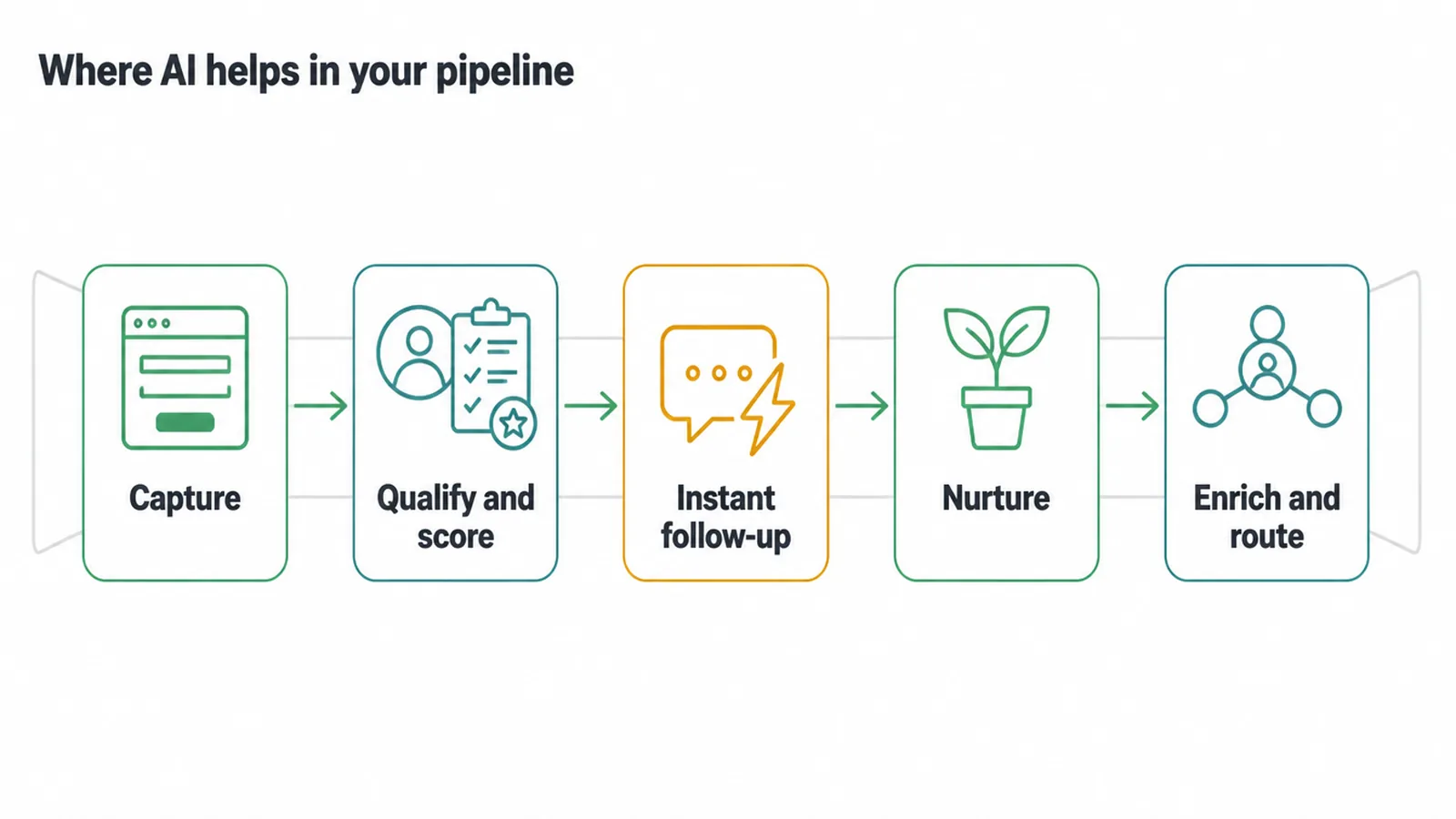
Think of your pipeline as a series of leaks. A visitor lands on a landing page but nobody captures them. A lead comes in but nobody sorts the keen from the curious. A form gets filled but nobody replies for two days. AI patches each leak. Here is where it fits.
| Stage | What AI does | Why it helps |
|---|---|---|
| Capture | A chat widget greets visitors, answers basic questions, and grabs their details around the clock. | You catch leads that would have left your site without a word. |
| Qualify and score | Ranks each lead by how likely they are to buy, then tags them hot, warm, or cold. | You call the best leads first instead of guessing. |
| Instant follow-up | Sends an automatic reply the second a lead arrives. | The lead does not go cold while you are busy. |
| Nurture | Sends a short series of timed, useful messages over the next few days. | Keeps you in mind without you remembering to chase. |
| Enrich and route | Fills in missing details and sends each lead to the right person. | Less admin, fewer leads sent to the wrong place. |
You do not need all five on day one. Pick the leak that hurts most. For most small businesses, that is capture and instant follow-up. Get those two right and the rest can wait.
3. The speed-to-lead point that beats everything else
If you do one thing with AI lead generation, make it this: reply faster. Speed to lead is the single biggest thing you can shape, and it is the thing AI is best at. The numbers are blunt.
A Harvard Business Review study found companies that contacted a lead within one hour were nearly 7 times more likely to qualify that lead than companies that waited just an hour longer. Wait a full day and you are 60 times less likely.
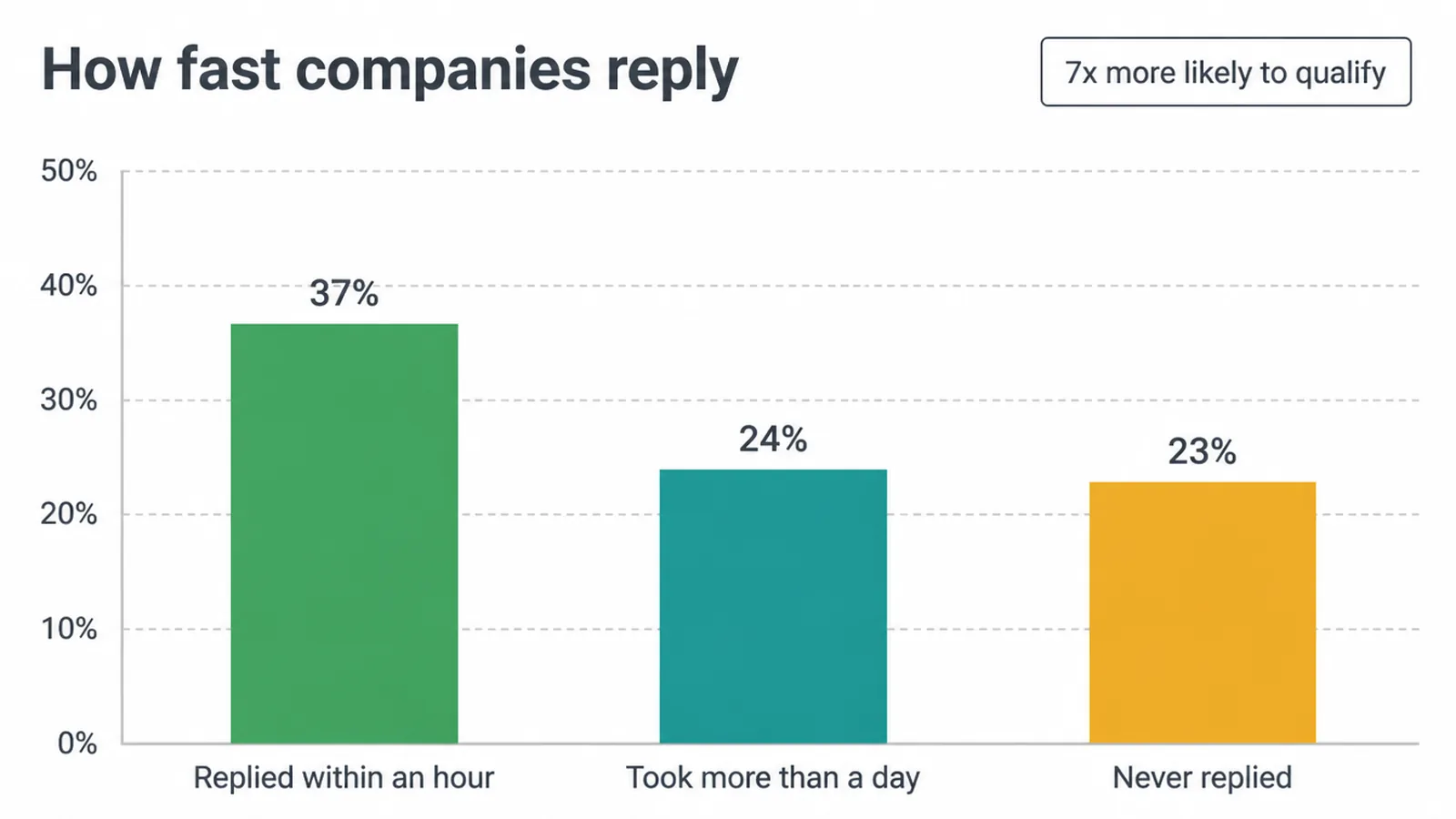
The same study audited 2,241 US companies. Only 37 percent replied within an hour. A full 24 percent took over a day. And 23 percent never replied at all. Read that last number again. Nearly one in four leads got total silence.
So the bar is low. Replying within minutes, not hours, puts you ahead of most of your competition. That is the whole point of an instant auto-reply: the moment a lead arrives, they hear back, even if you are with a customer or asleep at 2am.
AI can send the acknowledgement in minutes rather than waiting for a person to return to the inbox. The message confirms receipt and sets up the human follow-up.
This is not a promise of more sales. It is a head start. A fast first reply buys you the chance to do the real selling before the lead has moved on to someone else.
4. A simple starting workflow you can set up this week
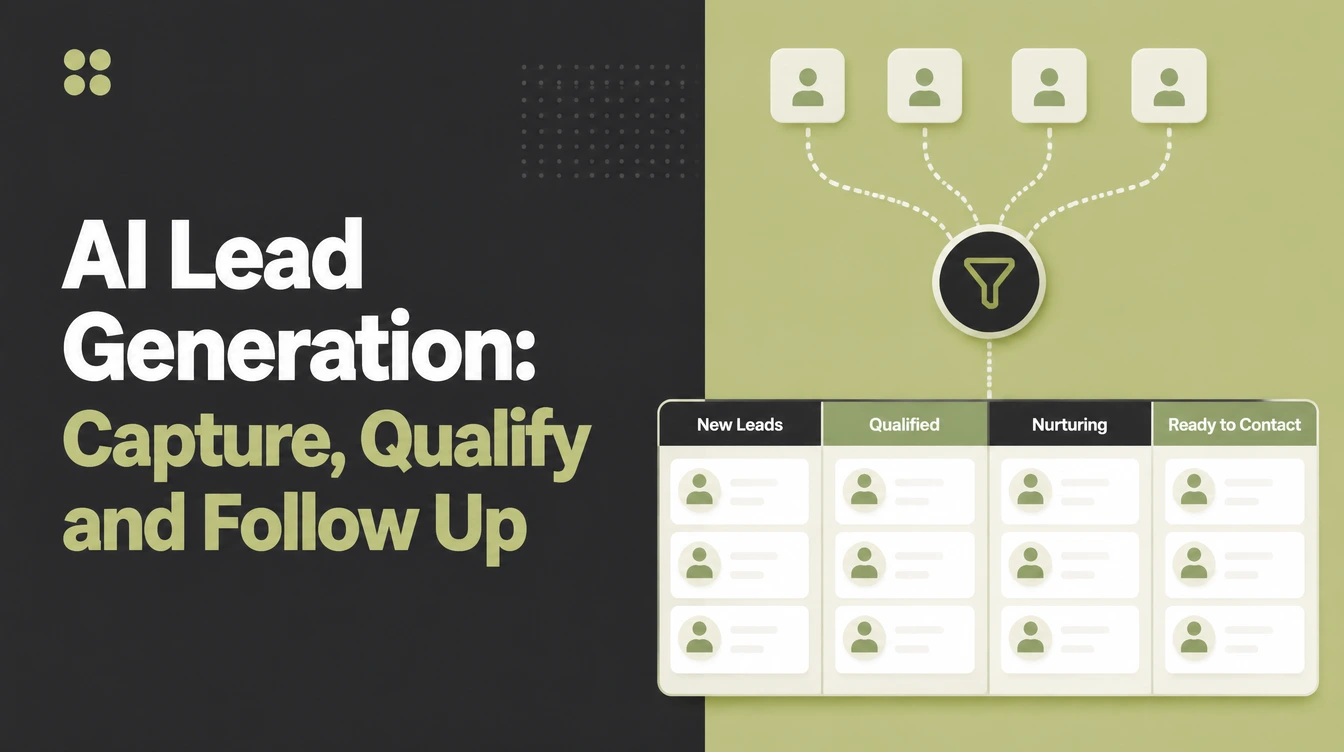
You can build a basic AI lead system in four steps, and you can start with just one of them. The goal is to catch every lead, reply instantly, sort the keen ones, and chase gently. Here is the order that works.
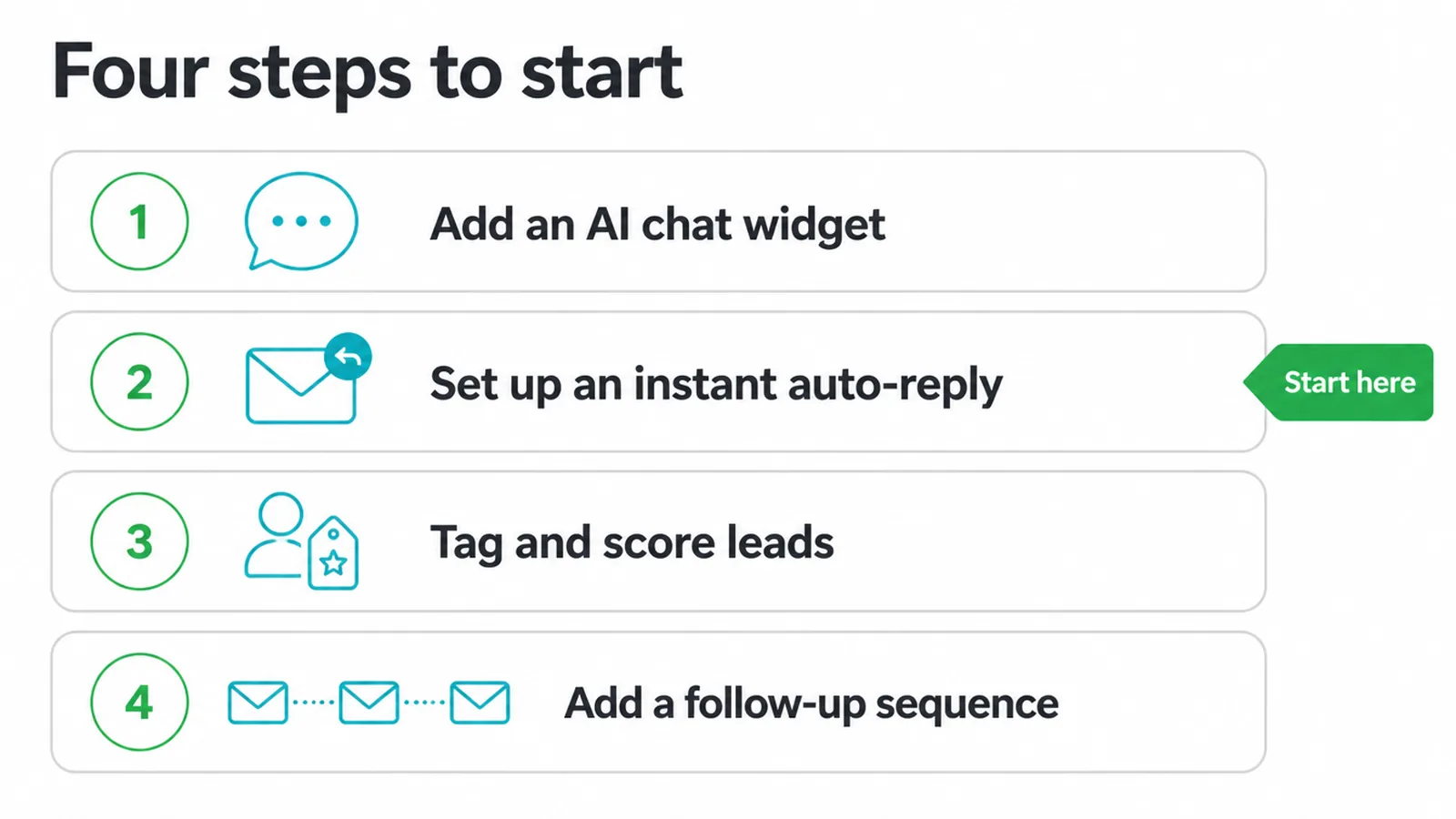
Step 1: Add an AI chat widget to your website. It greets visitors, answers common questions, and captures a name and need before they click away. This is your capture net.
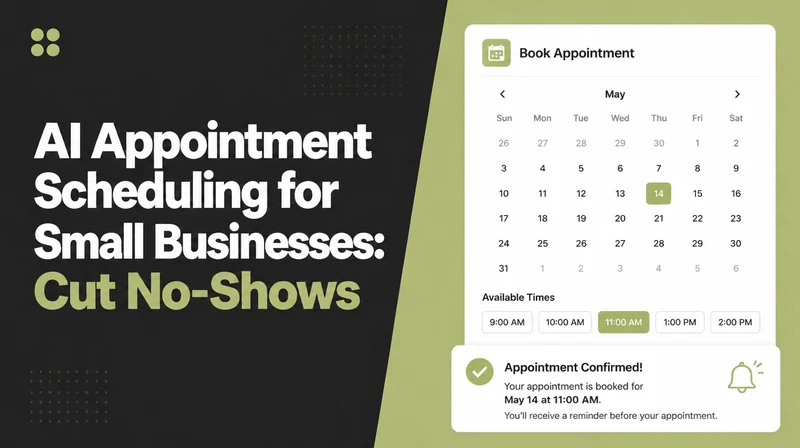
Step 2: Set up an instant auto-reply. The moment a lead fills a form or messages you, they get a friendly reply that says you have got it and when they will hear back. This is the highest-value step. If you do nothing else, do this.
Step 3: Let AI tag and score leads in your CRM. Each lead gets a hot, warm, or cold tag so you ring the most ready buyers first. No more scrolling a messy inbox.
Step 4: Add a short follow-up sequence. Three or four useful messages over a week, spaced out, easy to stop. Helpful, not pushy.
Notice the order. Capture and instant reply come first because they fix the biggest leak. Scoring and nurture make things smoother once the basics work. Want help wiring this together?
Our AI and automation service sets up exactly this kind of flow, and if you also need more leads coming in, our digital marketing team handles the traffic side.
5. Tools that help (categories, not a ranking)
The tools fall into three simple groups, and most have free or low tiers, so you can test before you spend. You do not need to learn them all. Pick one from the group that matches your worst leak.
AI is now common in this space: McKinsey found that 88 percent of organisations report regular AI use in at least one business function, with marketing and sales among the most common.
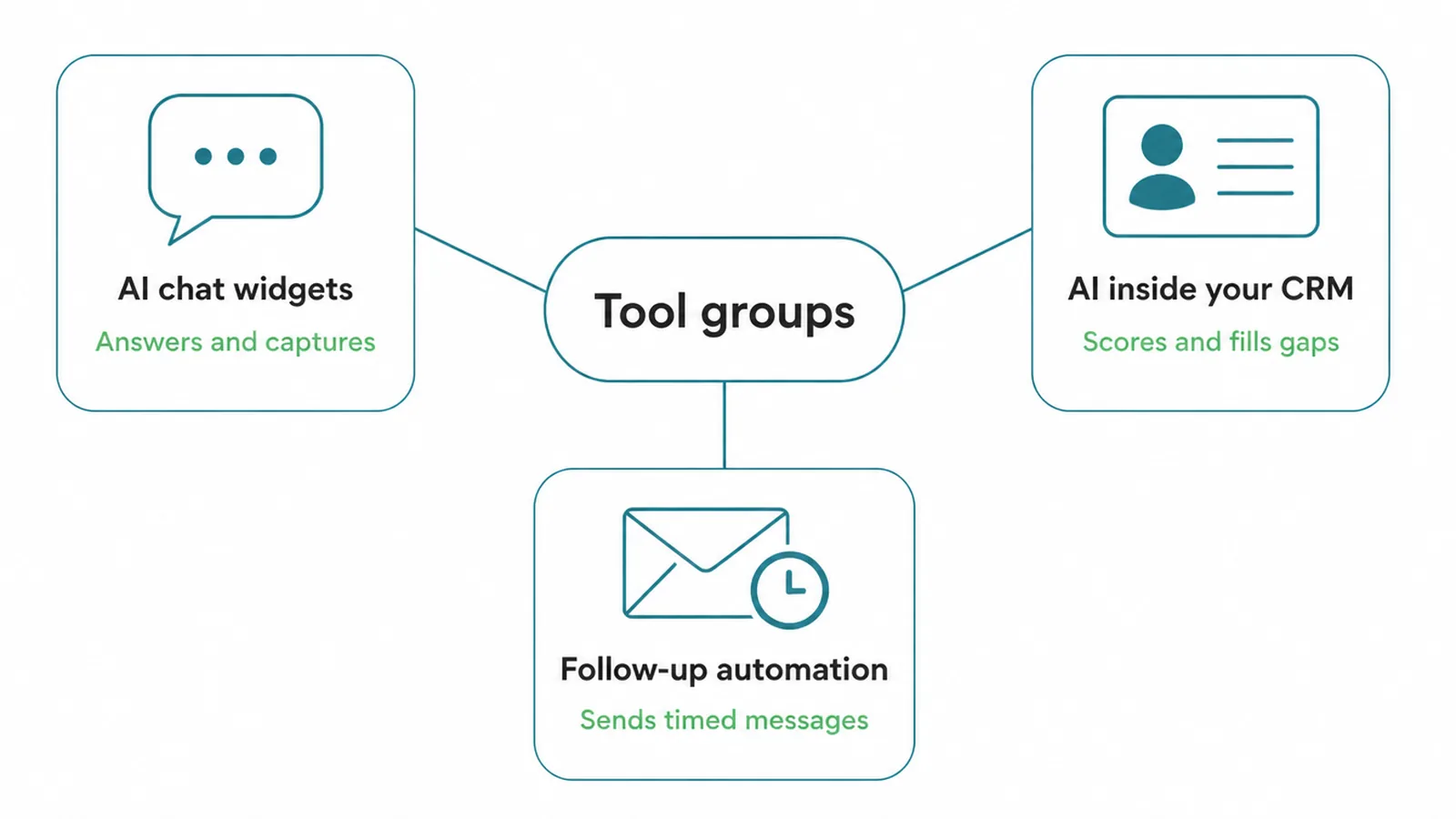
AI chat widgets. These sit on your website, answer questions, and capture details. Plenty of chatbot tools offer this, and some let you train them on your own answers so they sound like you.
AI inside your CRM. Many customer tools, like HubSpot's AI features, now score leads, fill in missing details, and suggest who to call next. If you already use a CRM, check what AI it has before buying anything new.
Follow-up and sequence automation. These send the instant reply and the timed nurture messages. Email and SMS tools often bake this in. The trick is keeping the messages short and human, not robotic spam.
One honest note: a tool is only as good as the offer behind it. If you are still working out whether AI automation is right for your business, start with our plain explainer on what AI automation is and where to begin.
And if most of your leads come in by phone, an AI receptionist that answers calls and books appointments may matter more than any chat widget.
6. The honest limits of AI lead generation
AI lead generation has real limits, and pretending it does not will burn you. The biggest truth is simple: AI does not invent demand. It cannot make people want what you sell. If your offer is weak or your pricing is off, no tool saves you. Bad lead in, bad lead out.
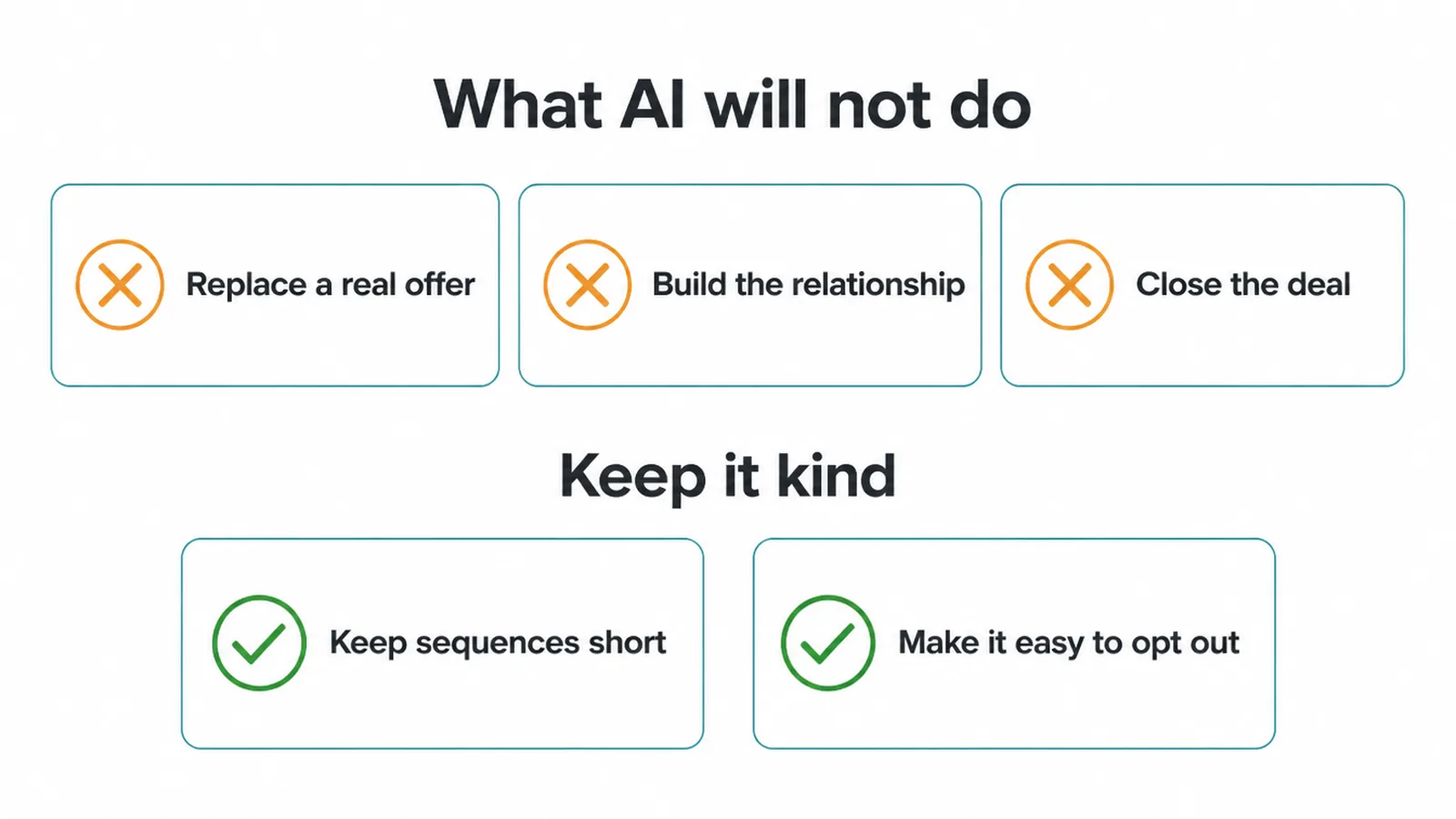
Here is what AI will not do for you. It will not replace a real offer that people actually want. It will not build the relationship that earns trust. And it will not close the deal. A person does that. AI just hands your salesperson a warm, sorted, fast-replied lead. The win is still human.
There is also a risk of being annoying. Push too many follow-up messages, or write them to sound like a machine, and you will irritate the very people you want to win.
Keep sequences short. Make them genuinely helpful. Always make it easy to opt out. Used with care, AI gives you a real edge. Used carelessly, it just speeds up your spam.
So the honest summary is this. AI lead generation is a brilliant assistant and a poor magician. It plugs the leaks, replies in seconds, and keeps your pipeline tidy. You still bring the offer, the relationship, and the close.
Frequently asked questions
1. What is AI lead generation?
AI lead generation means using AI for the slow, repetitive parts of getting customers. It catches every lead, sorts good ones from tyre-kickers, and follows up fast. It does not find magic customers or close deals for you. It just stops leads slipping through the cracks.
2. How does AI help with leads?
AI helps in three main ways. It captures leads with a chat widget that works around the clock. It scores and tags leads so you call the hottest ones first. And it sends an instant reply plus timed follow-up messages so nobody goes cold. You still do the real selling.
3. Can AI find leads for me?
AI can help capture and organise the leads that already come to you, and some tools can pull contact details for a list you build. But AI does not invent demand. If nobody wants what you sell, no tool fixes that. You still need a real offer and a way to get traffic.
4. What is lead scoring?
Lead scoring ranks each lead by how likely they are to buy. AI looks at signals like what they asked for, the pages they viewed, and how they replied, then tags them hot, warm, or cold. That way you spend your time on the people most ready to buy.
5. Does AI follow up with leads?
Yes. AI can send an instant reply the moment a lead arrives, then a short sequence of follow-up emails or texts over the next few days. This keeps the lead warm until a human can step in. Keep the messages short, helpful, and easy to switch off.
6. Why does responding fast matter so much?
Because leads go cold quickly. A Harvard Business Review study found companies that reached a lead within an hour were nearly 7 times more likely to qualify it than those who waited an hour longer. Replying in minutes, not hours, gives you a real edge over slower rivals.
7. Is AI lead generation worth it for a small business?
AI lead generation is worthwhile when slow replies or messy follow-up cost you leads. Start small with an instant auto-reply and a chat widget. You do not need a big budget or a tech team. Skip it if your real problem is a weak offer.
8. Can AI replace my salesperson?
No. AI can capture, sort and follow up with leads, then pass the organised details to a salesperson. A person still handles questions, judgement and the sales conversation. Use AI for the repeatable steps and set a clear handover point.