Marketing Funnel Stages: What to Do at Each Step

The four marketing funnel stages are awareness, interest, decision and retention. Blogs and video suit the top, email and case studies the middle, a clear offer the bottom, and follow-up after the sale. Track one metric per stage to find the leak. Seed Light maps funnels for small businesses this way.
Key takeaways
- Four stages: awareness, interest, decision and retention. A stranger moves down each step until they buy and come back.
- TOFU, MOFU, BOFU is just shorthand for top, middle and bottom of funnel, the same idea in fewer words.
- Match the content to the stage. Blogs and video up top, email and case studies in the middle, a clear offer at the bottom, follow-up after the sale.
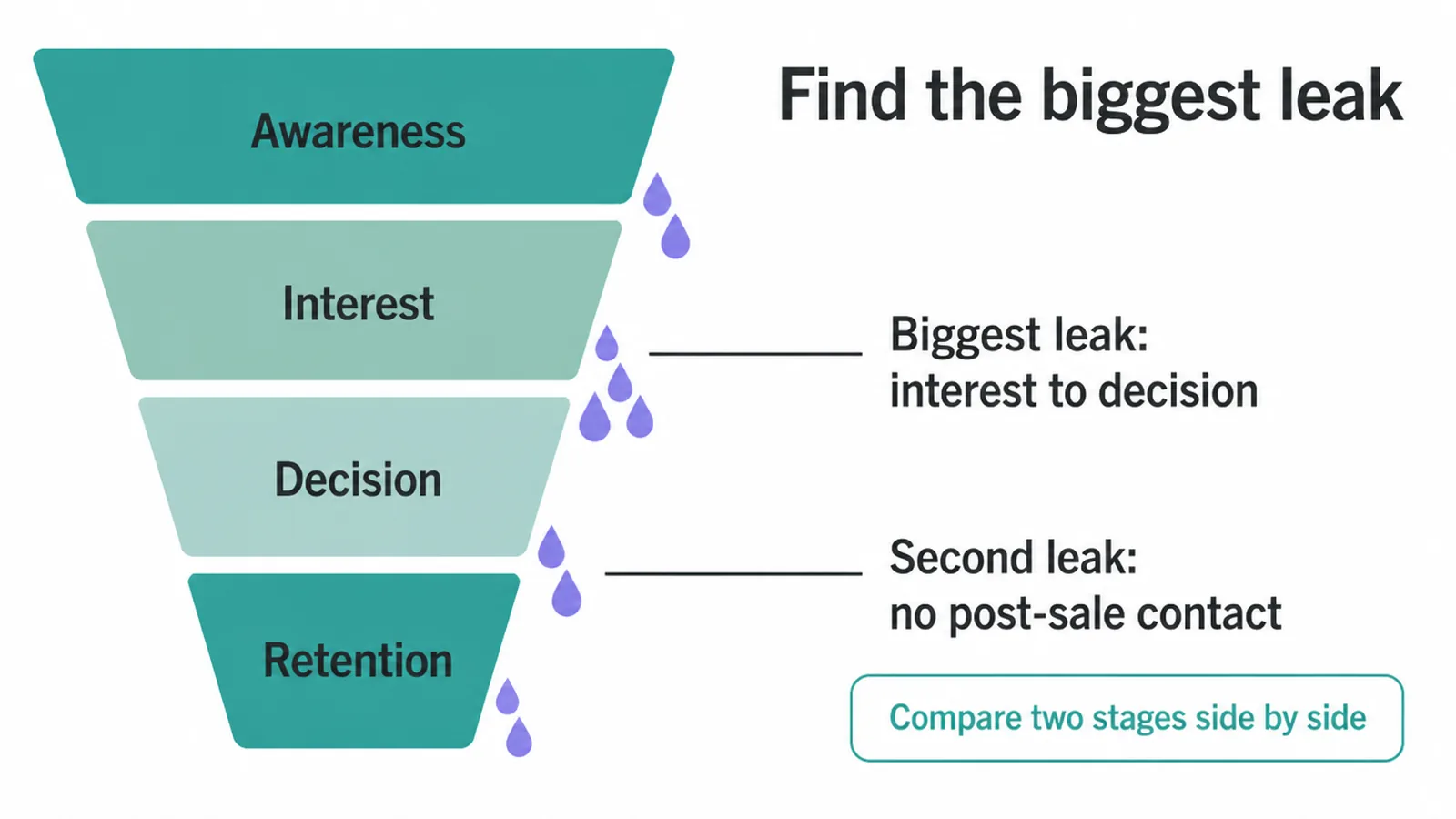
- Track one metric per stage so you can spot the leak. The biggest one usually sits between interest and decision.
- Skip the benchmarks. Conversion rates swing wildly by industry and offer, so measure your own baseline and beat that.
- It is a model, not a law. The funnel was named back in the late 1890s (Wikipedia), and real customers loop and skip around.
1. What are the four marketing funnel stages?
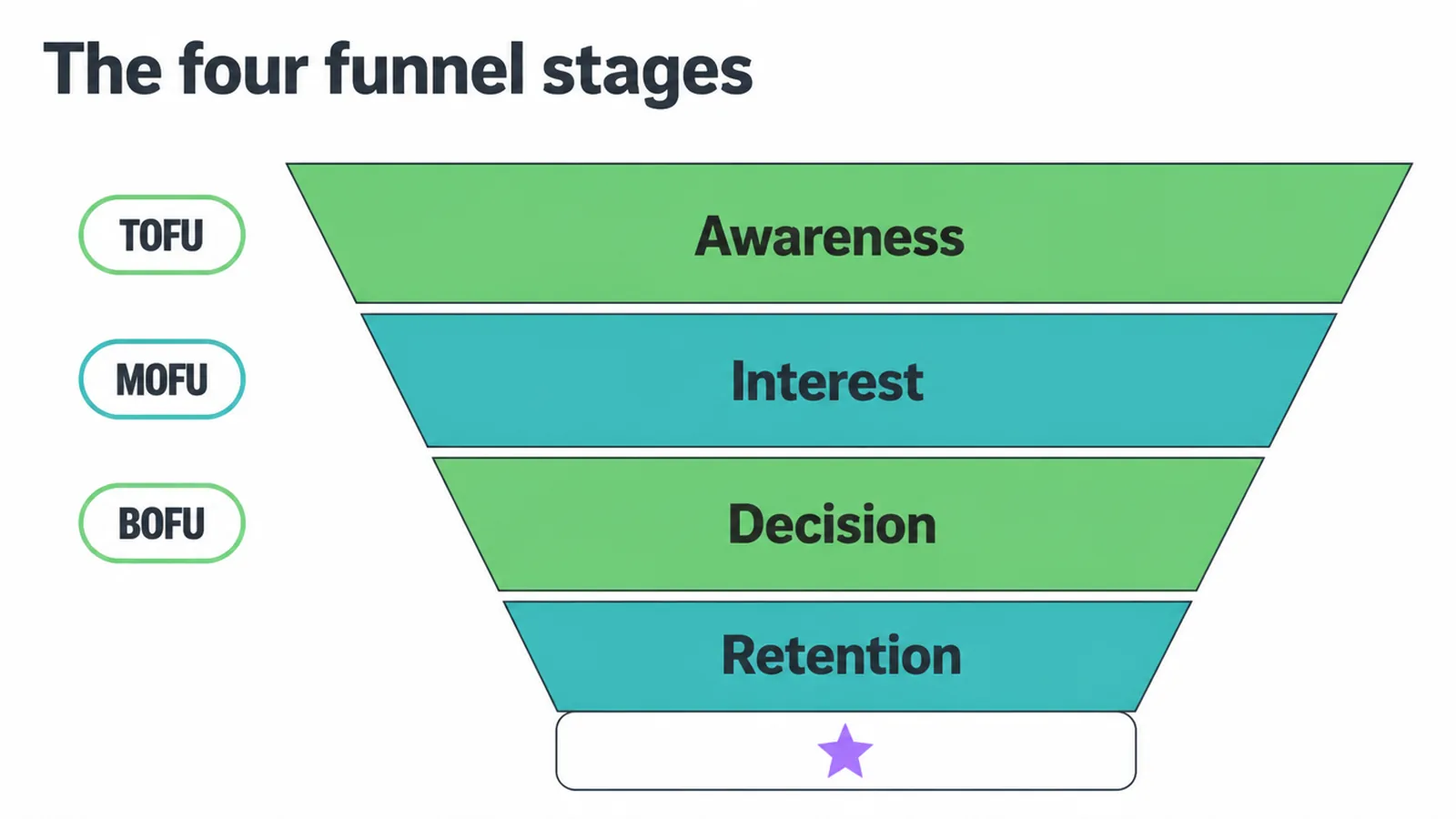
The four marketing funnel stages are awareness, interest, decision and retention. In plain words: someone hears about you, looks closer, buys, then sticks around.
You will also see the shorthand TOFU, MOFU and BOFU. That just means top, middle and bottom of funnel.
- Top of funnel is awareness.
- Middle of funnel is interest, also called consideration.
- Bottom of funnel is decision, also called conversion.
Retention sits below the buy, where most owners forget to look.
Here is the honest bit. This is a model, not a rule. Real people do not march down a tidy line. They jump in halfway because a friend sent a link. They go quiet for a month, then buy. They buy once and never return.
The funnel is useful because it gives you a shared map and a place to point when something is off. It is not a promise about how anyone behaves. Use it to find your weak spot, not to box in your customer.
2. The marketing funnel stages at a glance
Each stage has a different job. The customer is thinking something different, so the content and channel that work change too, and so does the number you should watch.
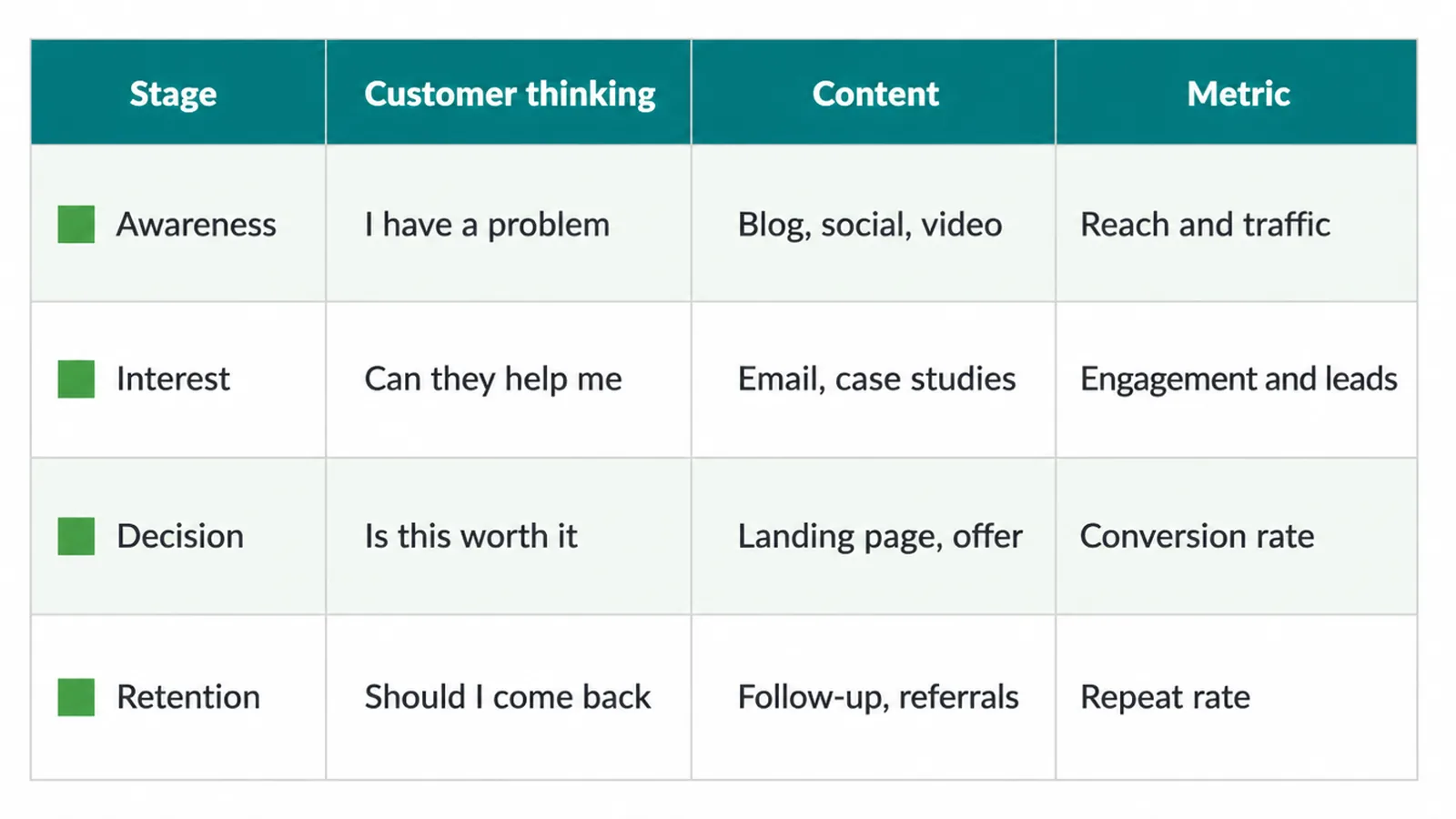
The table below is the spine of this whole post. Read across each row: where the person is in their head, what to put in front of them, and the one metric that tells you if that stage is doing its job. Keep it simple. One metric per stage beats ten you never check.
| Stage | What the customer is thinking | Content / channel | Metric to watch |
|---|---|---|---|
| Awareness (TOFU) | "I have a problem" or "Who is this?" | Blog posts, social, video, search, ads | Reach and traffic |
| Interest / Consideration (MOFU) | "Can these people actually help me?" | Email, guides, case studies, comparisons | Engagement and leads |
| Decision / Conversion (BOFU) | "Is this worth the risk? Why you?" | Landing page, demo, quote, clear offer | Conversion rate and cost per acquisition |
| Retention / Loyalty | "Was that good? Should I come back?" | Follow-up, onboarding, tips, referrals | Repeat rate and referrals |
3. Awareness: getting found in the first place
At the awareness stage the person does not know you exist. They might not even know they have a problem yet.
Your job is to show up where they already are and be useful, not pushy. This is the top of the funnel, the widest part, and the most people you will ever touch at once.
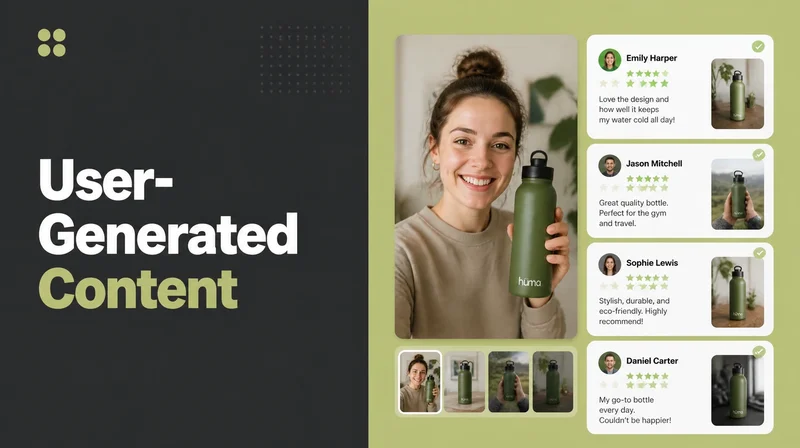
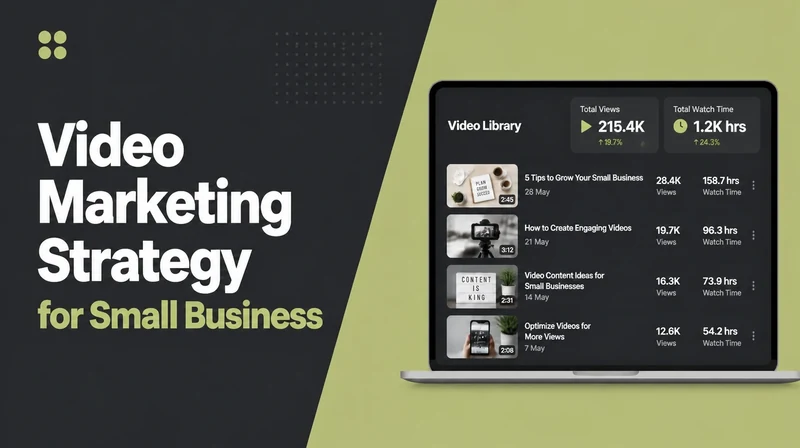
Channels that fit are search, social posts, short video, and ads. The content is broad and helpful: a blog answering a common question, a quick tip, a how-to. For the full picture of which channels to pick, our guide to digital marketing for small business walks through them.
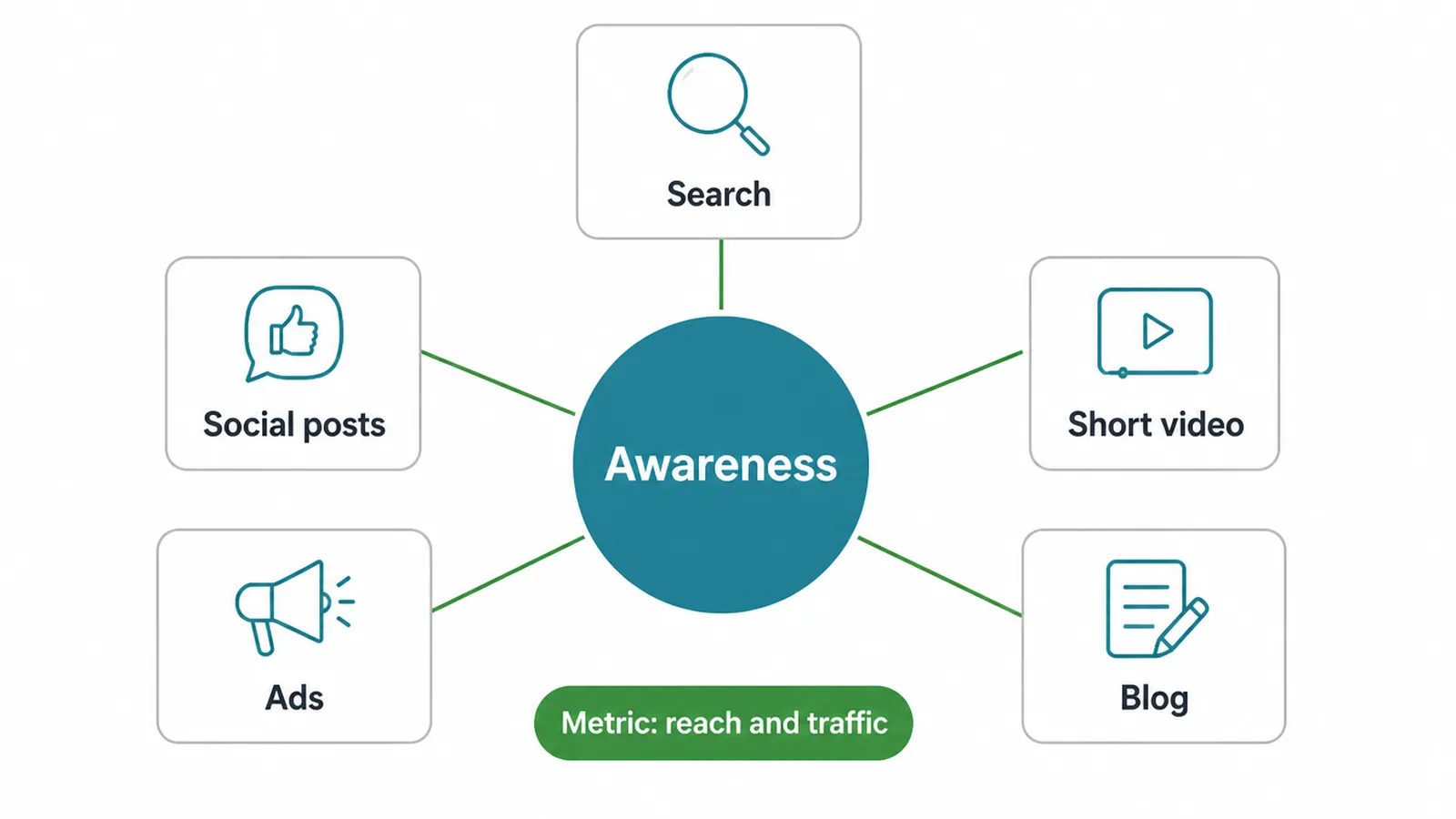
The metric here is reach and traffic. How many new people saw you, and how many landed on your site.
The leak at this stage is vanity reach. You can rack up views that never turn into anything, so do not stop at the view count.
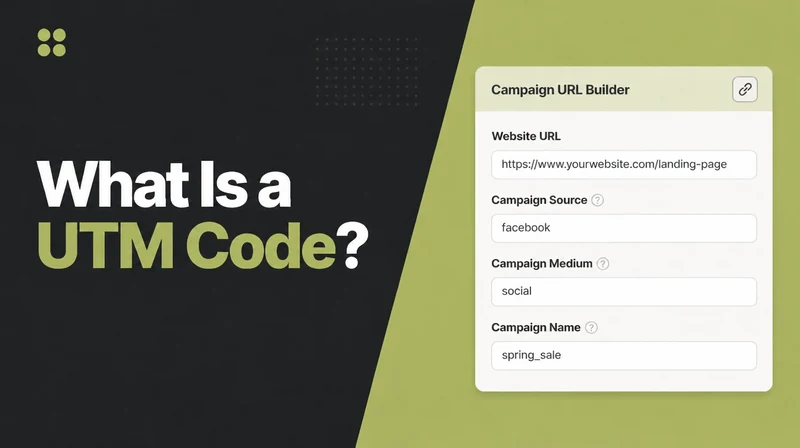
If you run paid ads to drive awareness, keep an eye on what that traffic is worth, which ties into what counts as a good ROAS. Reach only matters if some of it walks to the next stage.
4. Interest: the part most small businesses skip
Now the person knows you exist and is weighing you up. They are not ready to buy. They are reading, comparing, lurking on your social, maybe signing up for your list.
This is the consideration stage, the middle of the funnel, and it is the part most small businesses skip. They grab attention up top, then go quiet, and the warm prospect drifts off to a competitor who stayed in touch.
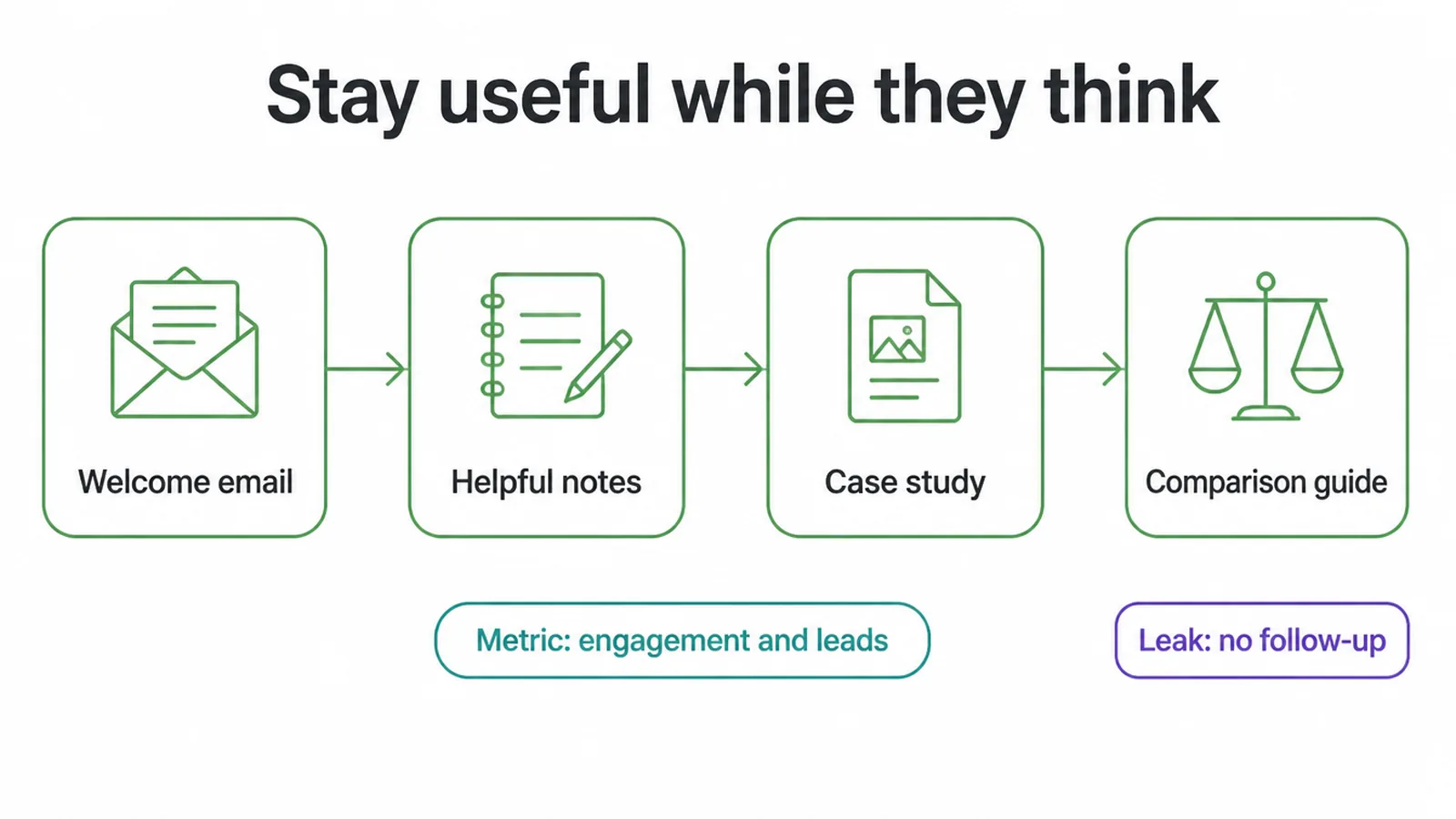
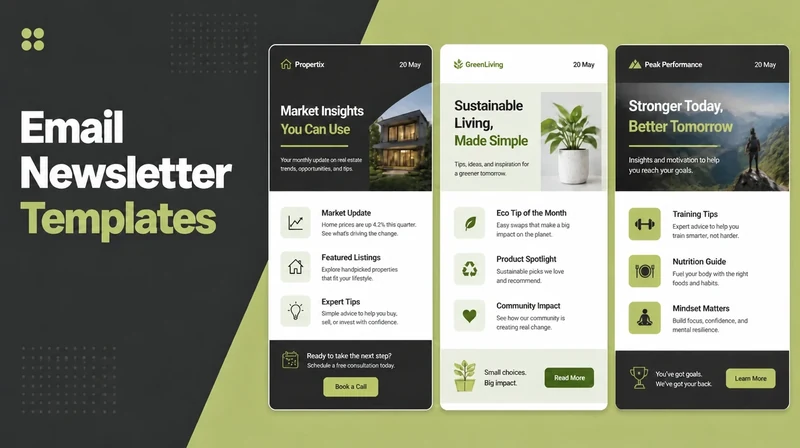
The fix is to stay useful while they think. Email is the workhorse here. A simple welcome sequence, a few helpful notes, the odd case study or comparison that answers a real worry.
Our piece on email marketing for small business shows how to set that up without it feeling like spam. Case studies and guides also do well, because they quietly prove you can do the job.
The metric is engagement and leads. Are people opening, clicking, replying, booking a call, joining your list? The leak at this stage is no follow-up. Someone raised their hand and you never followed up, so they cooled off. A short, planned sequence catches most of those.
5. Decision: where the sale is won or lost
At the decision stage the person is ready, or nearly. Now they want reassurance. They are asking "is this worth the risk?" and "why you over the other option?".
Your job is to remove doubt and make saying yes easy. This is the bottom of the funnel, the narrowest part, and it is where the sale is actually won or lost.
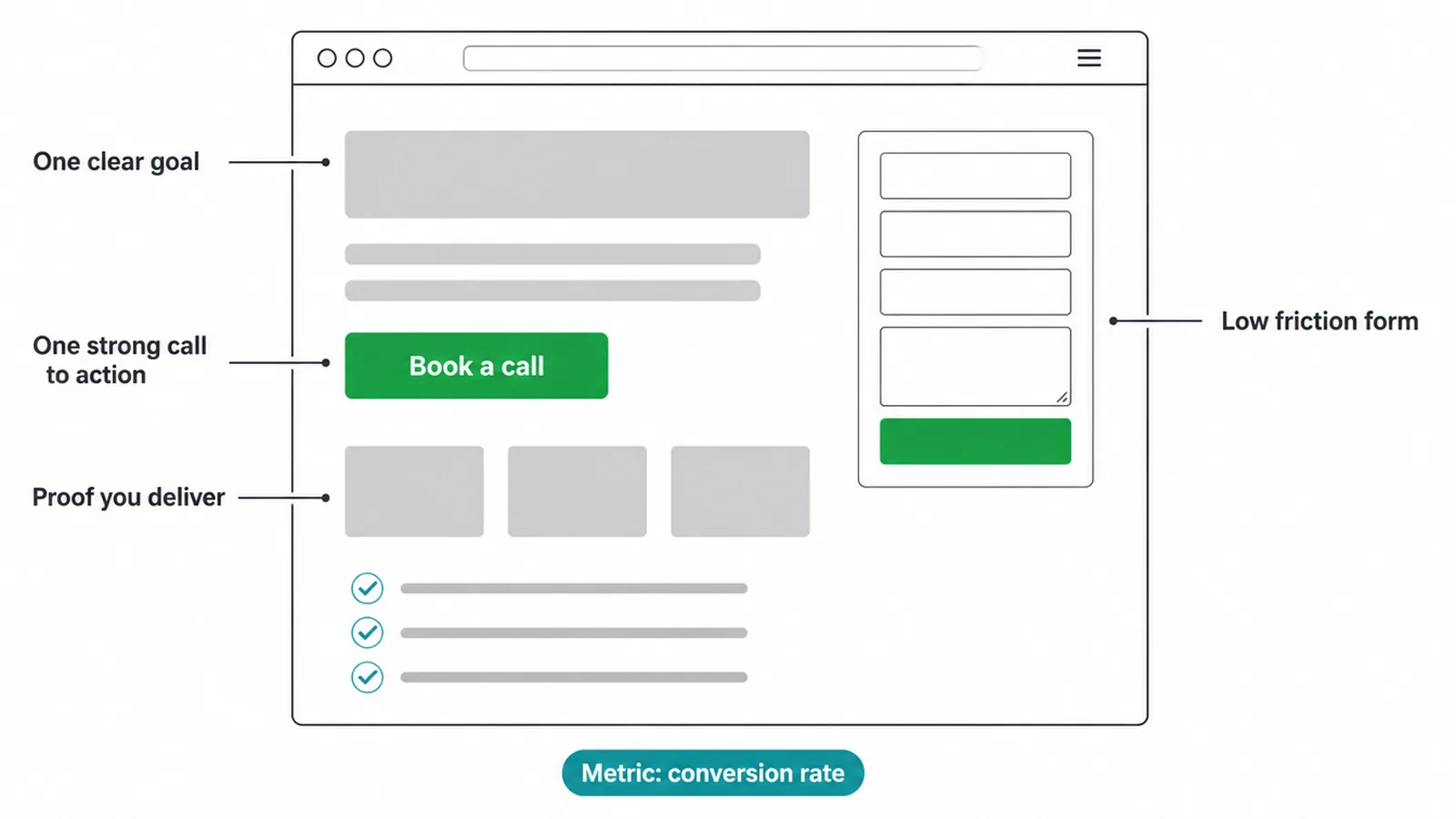
The tool of this stage is a focused landing page or offer. One clear goal, one strong call to action, proof that you deliver, and as little friction as possible. A long form, a slow page, or a vague pitch will sink an otherwise ready buyer.
We cover this in detail in our landing page best practices, which is the decision-stage workhorse. If you send paid traffic straight to that page, pair it with a tight ad. Our guide to Google Ads for small business shows how to do that without burning budget.
The metric is conversion rate and cost per acquisition. Of the people who reach this page, how many buy, and what did it cost to win each one? The leak here is a weak page. Good traffic hits a confusing offer and bounces. A clearer page often fixes more than more traffic ever would.
6. Retention: the funnel does not end at the sale
Here is the stage most owners forget. The funnel does not end when the money lands. A happy customer can buy again, spend more over time, and send you their friends.
That is the cheapest growth you will ever get, because you are not paying to win a stranger from scratch. Retention is the loyalty stage, and ignoring it is leaving easy money on the table.
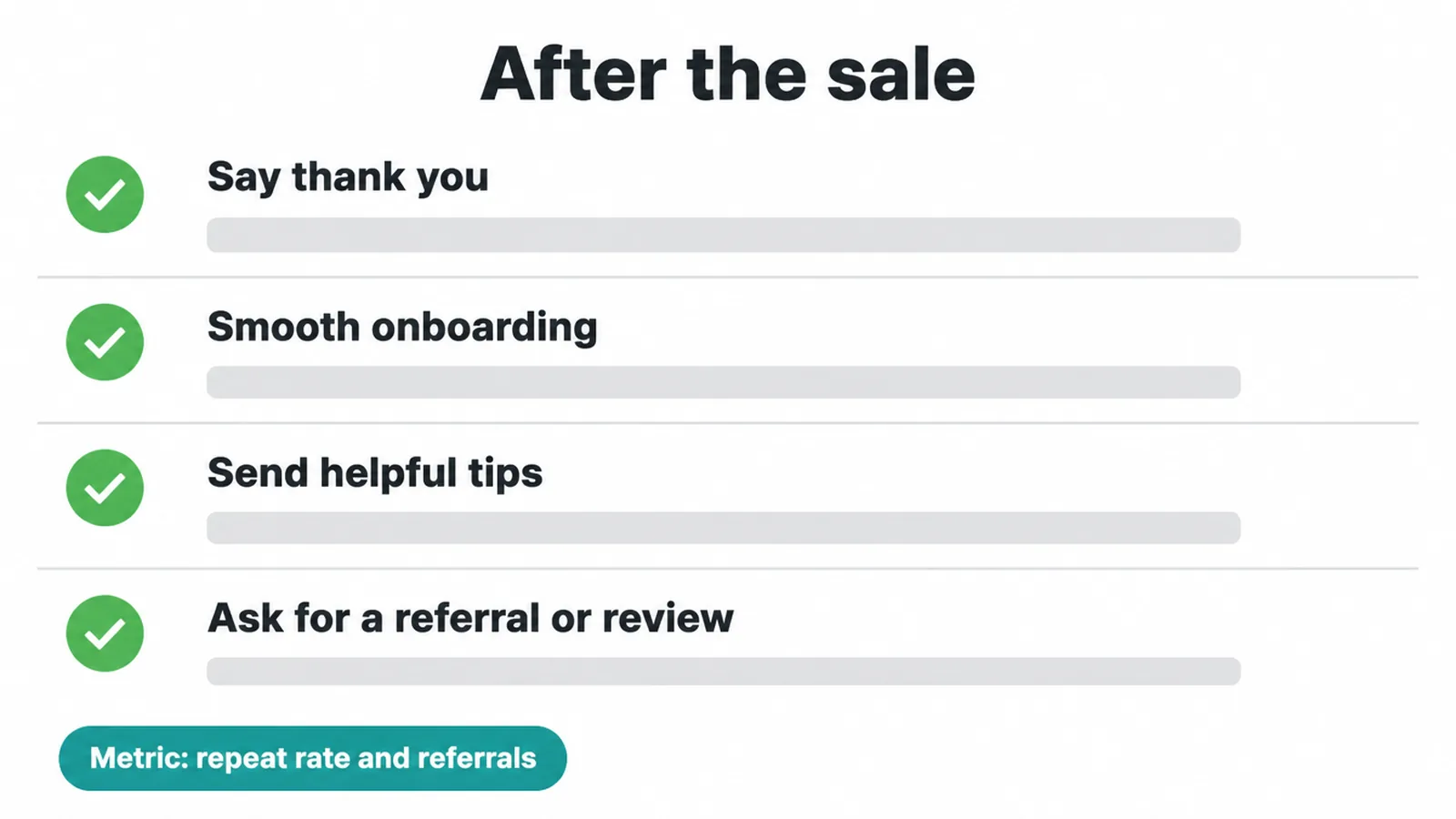
What works is simple human follow-up. A thank-you, a smooth onboarding so they get value fast, the odd helpful tip, and a gentle nudge to refer a friend or leave a review. None of it is fancy. Most of it can be a short automated sequence with a real person behind it.
The metric is repeat rate and referrals, plus lifetime value if you track it. The leak is no post-sale contact at all. You sold once, said nothing, and the relationship went cold. This is usually the cheapest leak to fix, so start here if you have to pick one.
7. Finding the leak in your funnel
You do not need a perfect funnel. You need to find the biggest leak and patch it. The trick is to look at two stages side by side and find the worst drop-off.
A thousand people see your site but only a handful book a call? Your awareness-to-interest step leaks. Plenty of leads but few buy? The decision step is weak. Track one number per stage and the leak shows itself.
One firm warning. Do not chase the conversion benchmarks you see floating around online. They swing wildly by industry, offer, price and season, so a number that looks great for one business is awful for another.
The only baseline that matters is your own. Measure where you are today, change one thing, and see if that step improves next month. Beat your last month, not someone else's screenshot.
8. Do small businesses need a funnel?
Yes, but a lean one. You do not need ten tools and a fancy diagram. You already have a funnel, because people already find you, weigh you up and buy. The win is making it visible so you can see the leak.
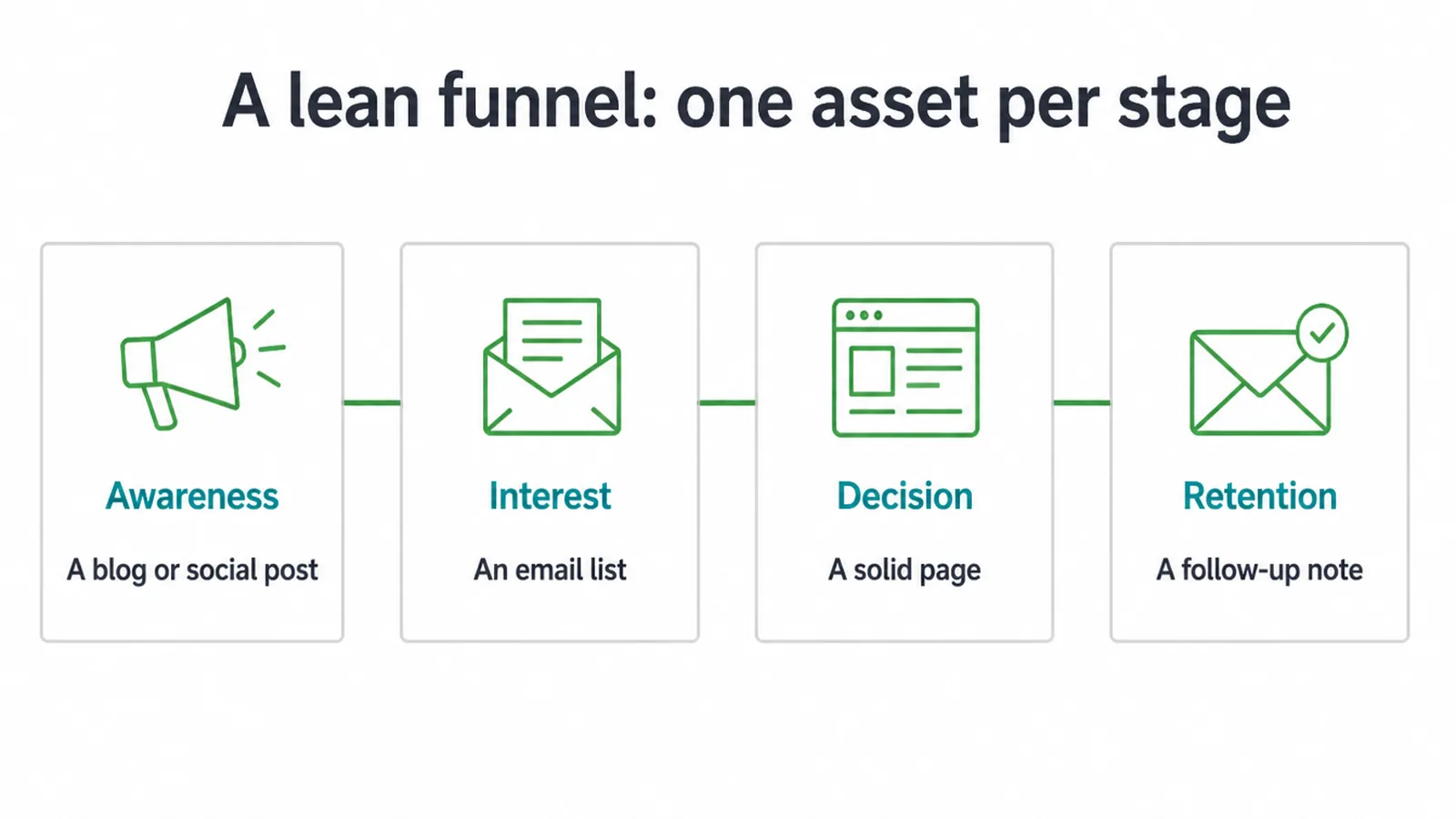
Start with one asset per stage.
- A blog or social post for awareness.
- An email list for interest.
- A solid page for decision.
- A follow-up note for retention.
That is a complete funnel, and it is enough to start measuring. If you want a hand wiring the paid side of it, our digital marketing work plugs straight into this map.
9. How to build your funnel (backwards)
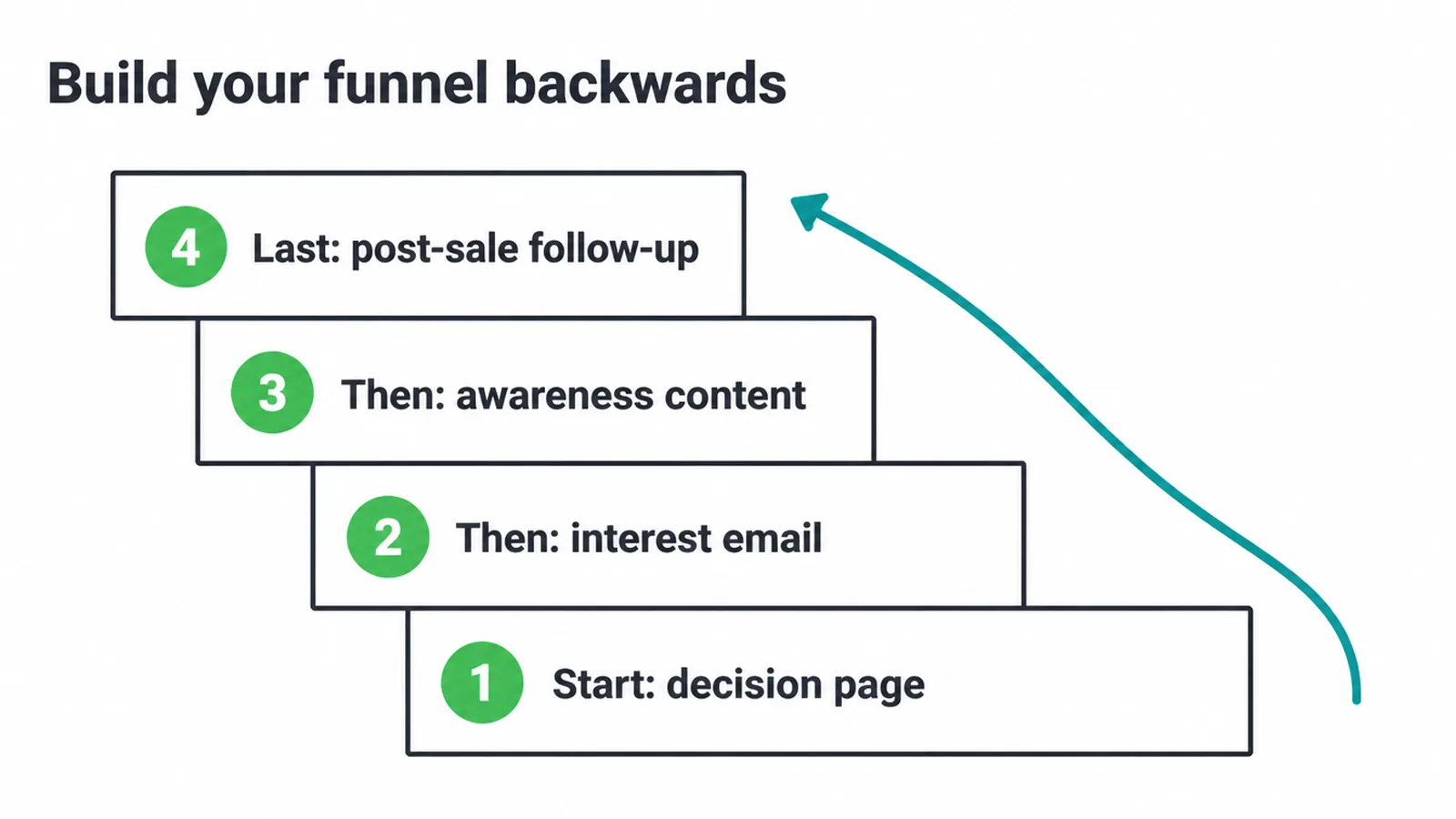
Build from the bottom up. It sounds odd, but it is the fastest route.
- Start with the page or offer that already turns visitors into customers, your decision-stage page. Make sure that one converts.
- Then work backwards. Add the interest-stage email that warms people up before they hit it.
- Then add the awareness content that brings new people in at the top.
Each step feeds the one below it, so a leak up top is wasted only if the bottom already works.
Go one stage at a time. Get awareness flowing, then plug the interest gap, then sharpen the decision page, then add the post-sale follow-up.
You will have a working funnel in weeks, not months, and you will know which stage to improve next because the numbers tell you. Want a second pair of eyes on yours? Tell us where you are losing people and we will help you find the leak.
FAQ
1. What are the stages of a marketing funnel?
There are four. Awareness, interest or consideration, decision or conversion, and retention or loyalty. A stranger moves from never having heard of you, to weighing you up, to buying, to coming back and telling others.
2. What does TOFU, MOFU and BOFU mean?
Top, middle and bottom of funnel. It is a shorthand for the same idea. Top of funnel is awareness, middle of funnel is consideration, and bottom of funnel is decision. People use the words to describe how close someone is to buying.
3. How is a marketing funnel different from a sales funnel?
A marketing funnel is how strangers become aware of you and get interested. A sales funnel is how a qualified lead gets closed. They overlap in the middle. For a small business they are often the same path, just looked at from two angles.
4. What content fits each stage?
Awareness suits blogs, social posts and video. Consideration suits email, case studies, comparisons and guides. Decision suits a landing page, a demo, a quote or a clear offer. Retention suits follow-up messages, helpful tips and a referral nudge.
5. What metric do I track at each stage?
Awareness: reach and traffic. Interest: engagement and leads. Decision: conversion rate and cost per acquisition. Retention: repeat rate and referrals. Pick one number per stage so you can see where people fall away.
6. Where do funnels usually leak?
Most often between interest and decision, when there is no clear next step for someone who is ready. And after the sale, when there is no follow-up at all. Both are common and both are fixable.
7. Do small businesses really need a funnel?
Yes, but a lean one. You already have a funnel whether you mapped it or not, because people already find you, weigh you up and buy. Mapping it just shows you the spot where you are losing the most people.
8. How do I build a marketing funnel?
Start from the bottom. Take the page that already turns visitors into customers, then work backwards. Add one asset per stage to begin with, see how people move through it, and improve the weakest step first.