SEO for SaaS: Build Compounding Traffic Around Buyer Intent

SaaS SEO gets your software found by people with the problem it solves, then turns that traffic into signups. Sort keywords by buyer intent, build comparison, alternative, pricing and use-case pages first, then grow content clusters and earn links with free tools. Seed Light runs this sequence from the bottom of the funnel up.
Key takeaways
- SEO compounds. Content marketing generates over three times as many leads as outbound and costs 62% less, so the work you do once keeps paying off.
- Start at the bottom. Build comparison, alternative, pricing, and use-case pages first. They convert best because the buyer is almost ready.
- Search is where buyers start. 57% of US B2B decision-makers use search engines during early research, more than any other channel.
- Build topical authority. One pillar, many linked spokes, with product-led posts as your best assets.
- Treat AI search as a new channel. Most B2B buyers now use AI tools, so write clear answers and use schema to get cited.
1. What is SEO for SaaS?
SEO for SaaS is getting your software found in search by people who have the problem it solves, then turning that traffic into signups. You do this by matching pages to what buyers type, publishing helpful content, and earning links. The aim is steady, compounding signups, not vanity rankings.
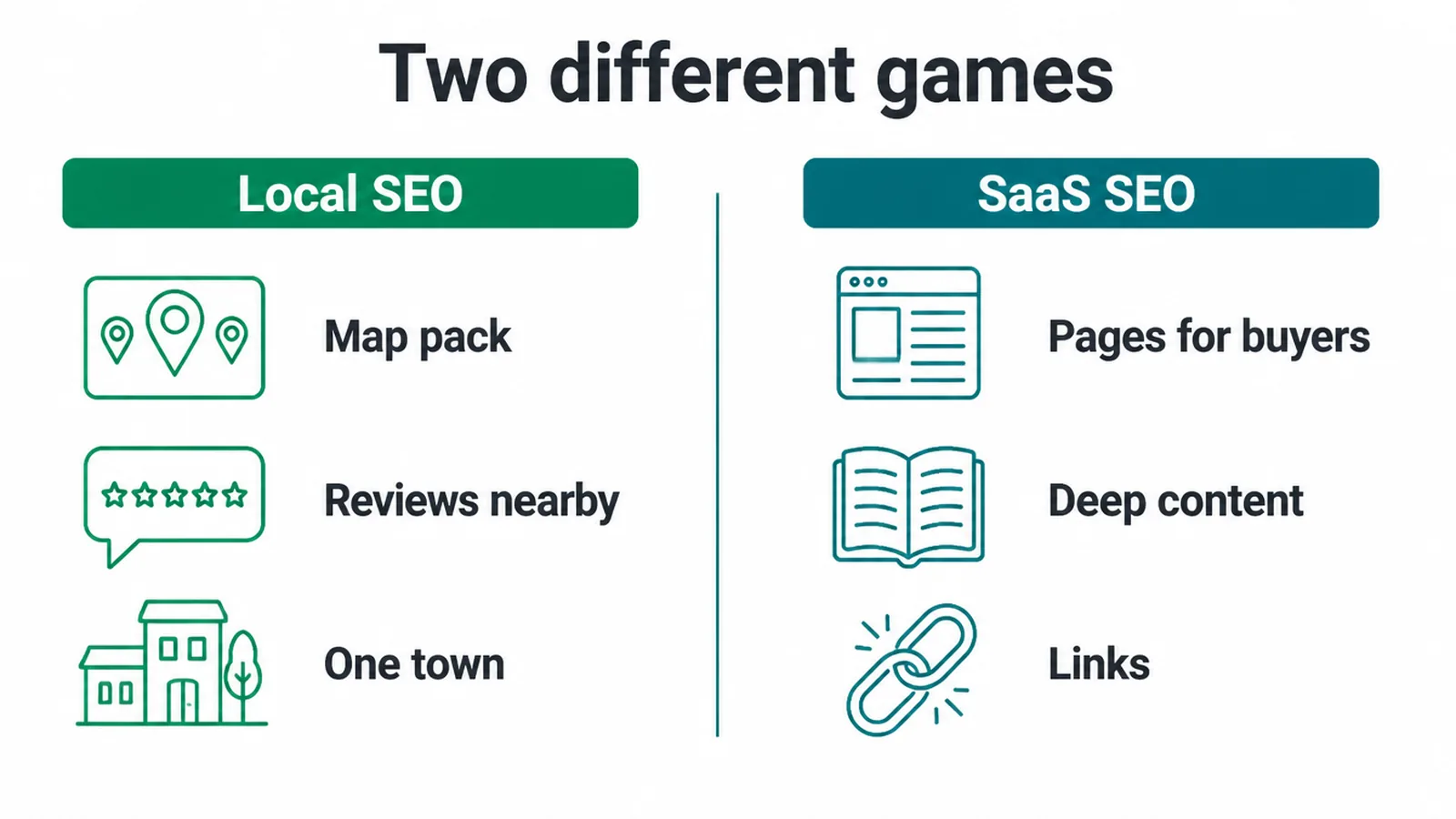
SaaS SEO is different from local SEO. A plumber or a dentist wins the map pack and reviews near them. You are not local. There is no map pack to win.
You compete on the open web against every other tool in your space, so you win on three things: pages built for buyers, deep content, and links. If you sell to a town, our local SEO guide fits better. If you sell software anywhere, read on.
Here is the good news. You do not need a big team or a big budget. You need the right sequence. The rest of this post is that sequence, step by step. Want a partner to run it with you? Our SEO service does exactly this work.
2. Step 1: Map keywords by buyer intent
Sort every keyword by where the buyer is in their journey. This single move decides what to build first. Because 57% of US B2B decision-makers start their research with search, the words people type are a map of how they buy.
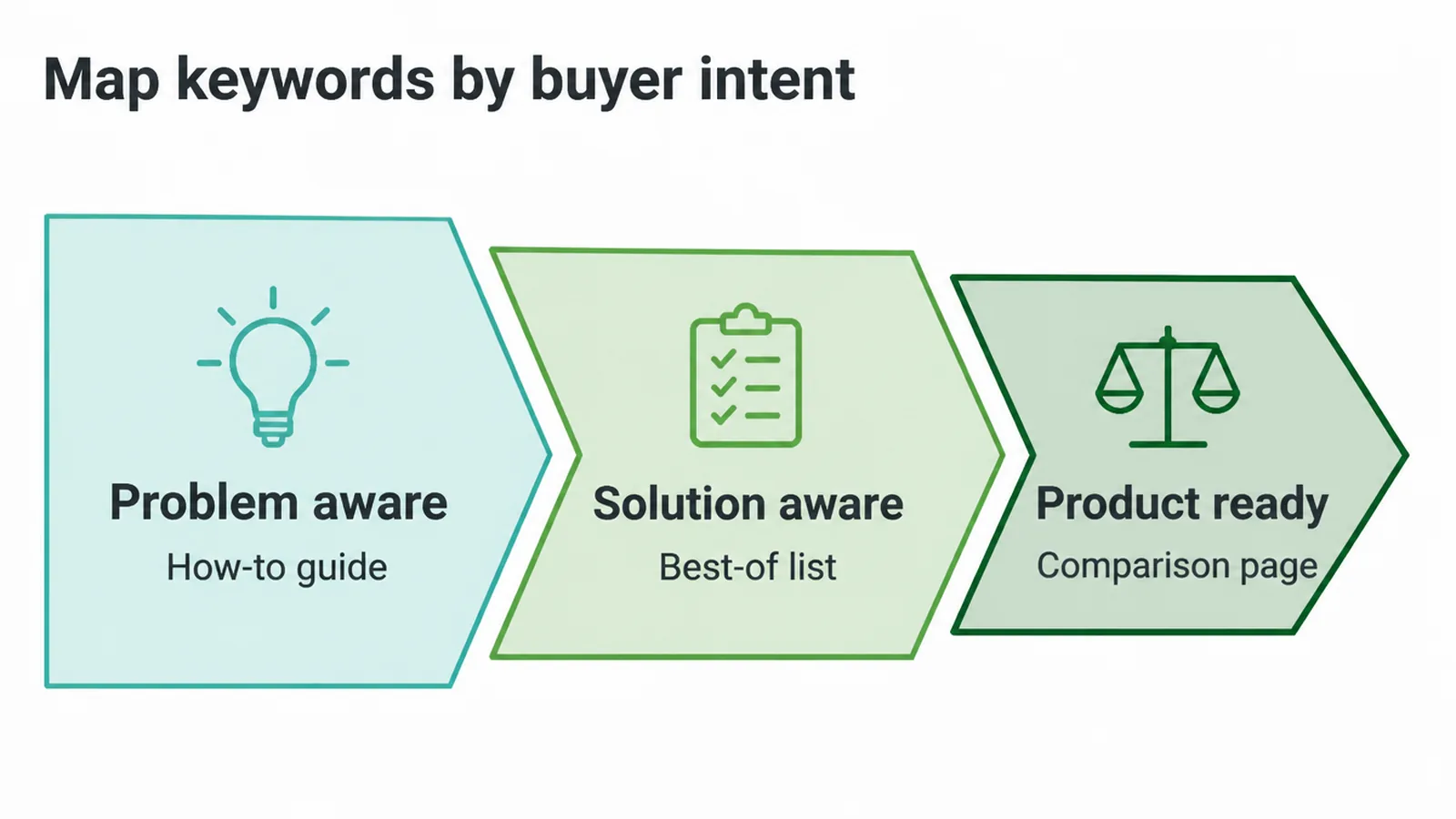
There are three rough stages. Problem-aware searchers know they have a pain but not the fix. Solution-aware searchers know a category exists and are comparing options. Product-ready searchers, the bottom of the funnel, are almost ready to pick. Each stage needs a different page.
| Buyer intent | What they search | Page you build |
|---|---|---|
| Problem-aware | "how to track invoices automatically" | Helpful how-to guide or pillar post |
| Solution-aware | "best invoicing software" | Best-of list or category guide |
| Product-ready (BOFU) | "your tool vs competitor", "pricing" | Comparison, pricing, use-case page |
Build from the bottom up. Product-ready pages are usually less competitive and convert far better than broad blog posts. Need help finding these terms? Our keyword research guide walks through the tools and the method.
3. Step 2: Build your BOFU pages first
BOFU means bottom of the funnel. These are the pages a buyer reads right before they sign up. Build them before anything else, because the buyer is close to a yes and a small win in rankings turns into real signups.
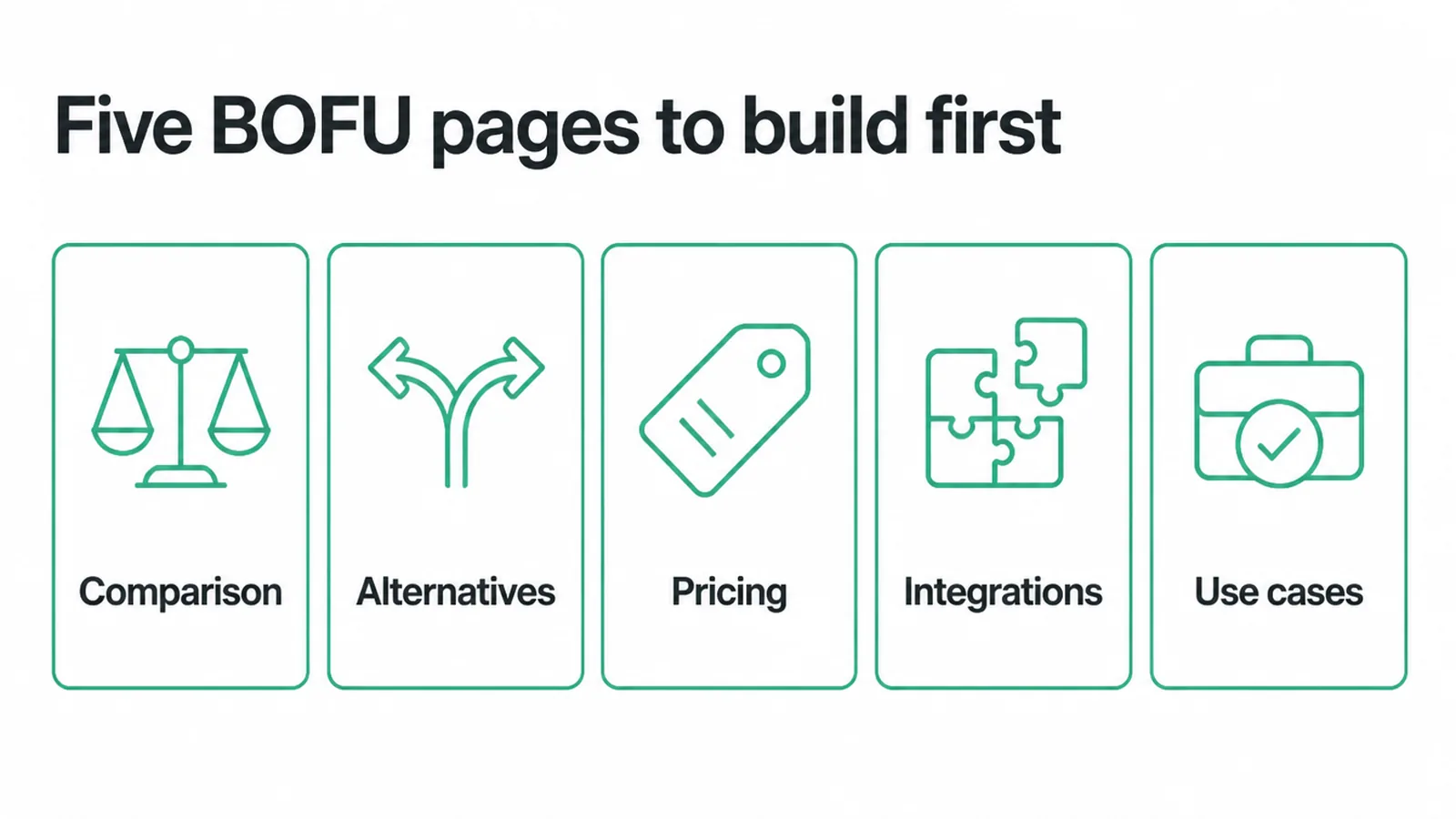
There are five BOFU page types worth owning. A "your tool vs competitor" comparison. An "alternatives to X" page for popular rivals. A clear pricing page.
Integration pages for the tools your buyers already use. And use-case pages for each job your product does. Each one targets a buyer who has stopped browsing and started choosing.
These pages matter more than ever because buyers want to decide on their own. 67% of B2B buyers prefer a rep-free experience, so they research and compare without ever talking to your sales team. Your pages have to do the selling.
A strong comparison page is honest. It shows where you win and where a rival might fit better. It uses a clear feature table, real screenshots, and an obvious call to start a trial. Skip the hype. Buyers can smell a one-sided pitch, and a fair comparison earns more trust and more signups.
4. Step 3: Build clusters around the jobs your product does
Once your BOFU pages are live, build depth. Topical authority means covering a subject so thoroughly that search engines see you as a go-to source. You do this with clusters: one broad pillar page and many focused spokes, all linked together.
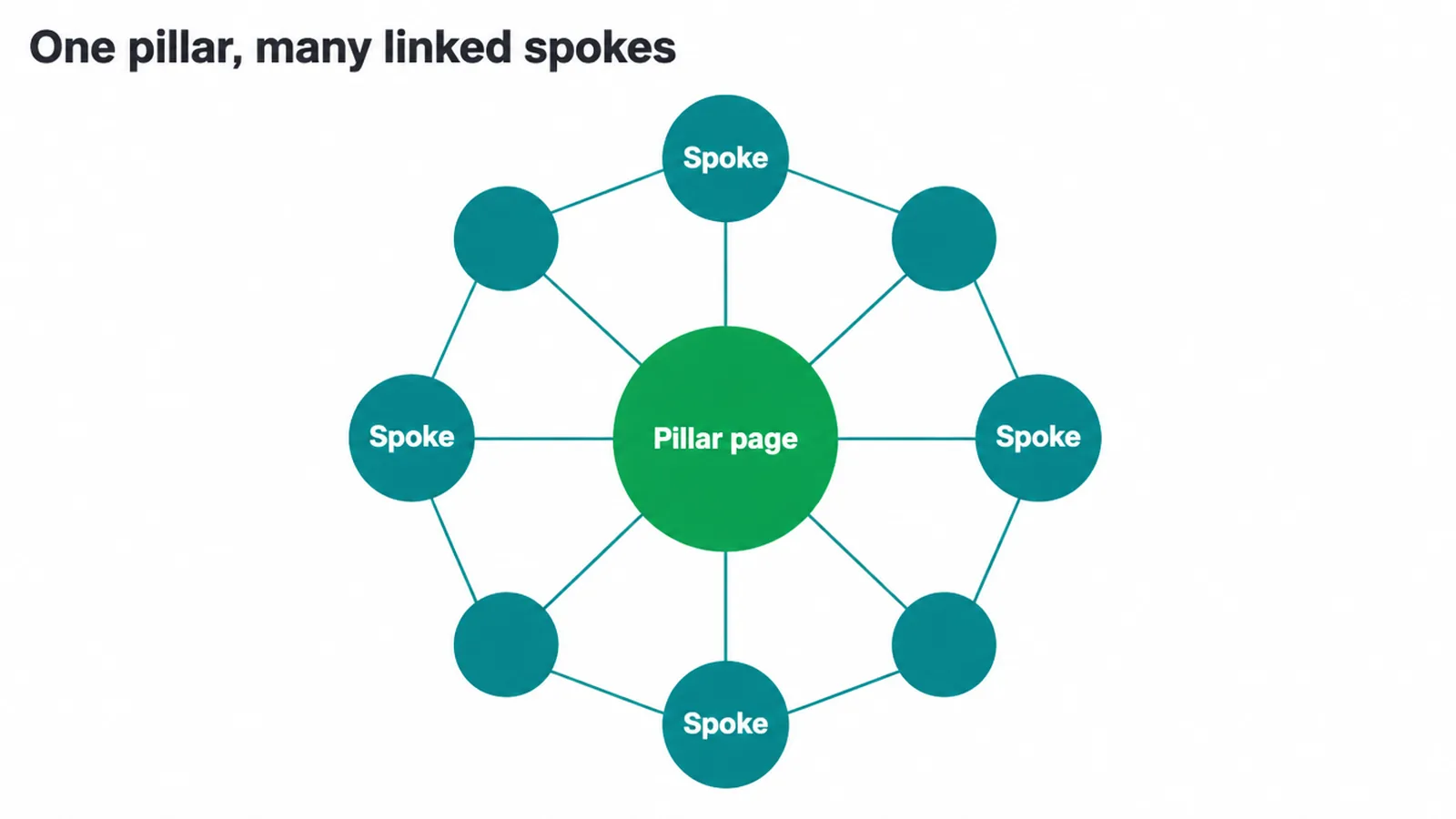
Pick the core problems your product solves. For each, write a pillar that covers the whole topic, then spokes that go deep on each sub-question. Link the spokes to the pillar and to each other. This internal linking spreads authority and helps every page rank higher than it would alone.
Your highest-value spokes are product-led. These posts show your tool solving a real job, step by step, inside a genuinely useful guide.
They rank, they teach, and they convert, because the reader sees your product in action while learning. To keep this consistent, plan your output with a content calendar so you publish on a steady cadence instead of in bursts.
5. Step 4: Scale with useful template pages
Programmatic SEO is how big SaaS brands cover thousands of long-tail searches. You generate many similar pages from a structured data set: one page per integration, per template, per use case, or per role. Think of the integration directories and template galleries you have seen on large tool websites.
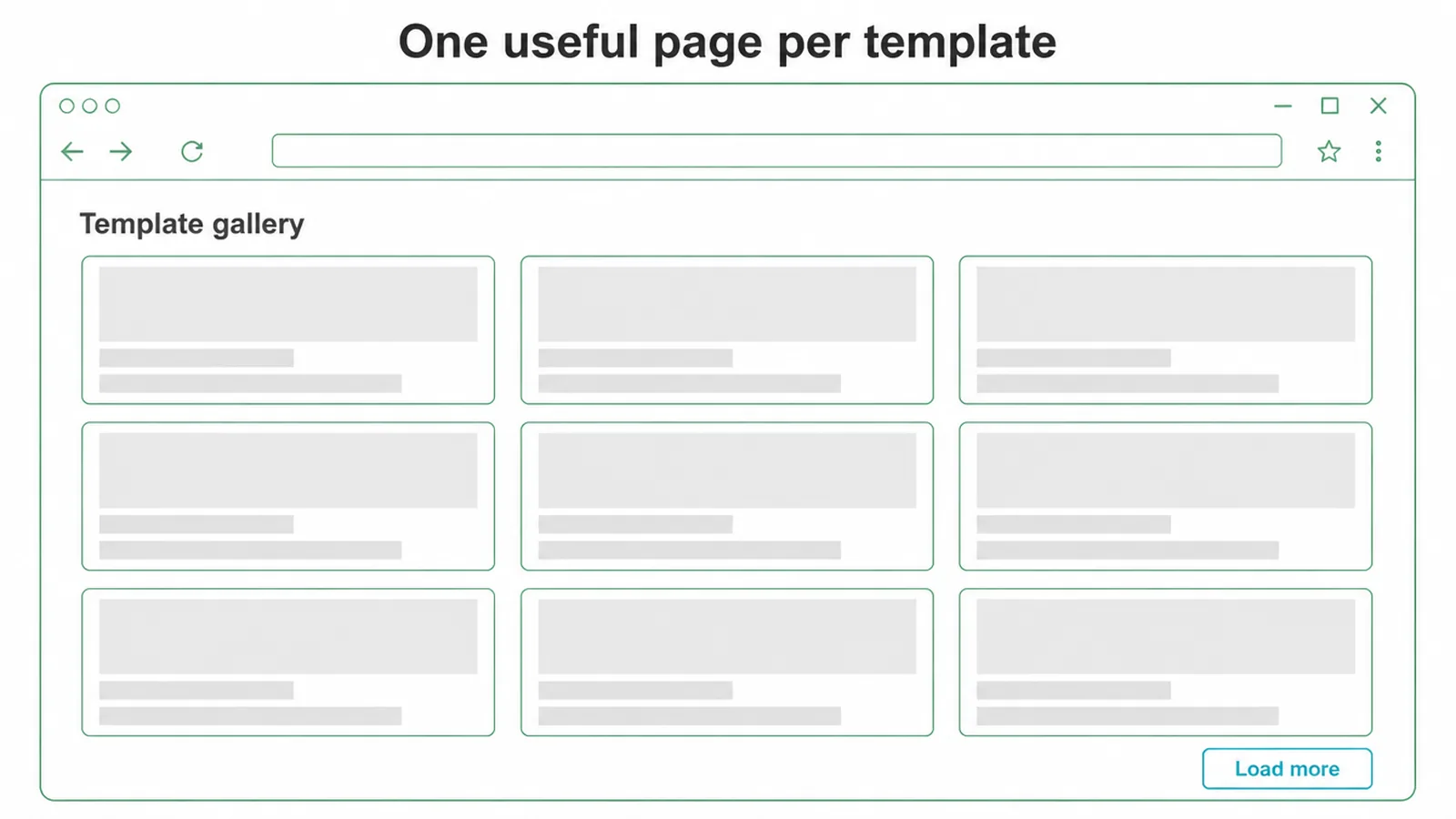
This works only when each page is genuinely useful on its own. A page per integration that explains exactly how the connection works and what it does for the user is helpful.
A thousand near-identical pages with one swapped word are not. Google's helpful content systems are built to bury thin, repetitive pages, so quality per page beats raw volume every time.
Start small. Build a handful of template pages by hand, confirm they rank and convert, then scale the pattern. If you cannot make page number one useful, do not make a thousand more.
6. Step 5: Earn product-led links
Links are still an important ranking signal, and SaaS has a natural advantage: you can build things people want to link to. A free tool, a calculator, a template, or an open data report gives other sites a real reason to mention you.
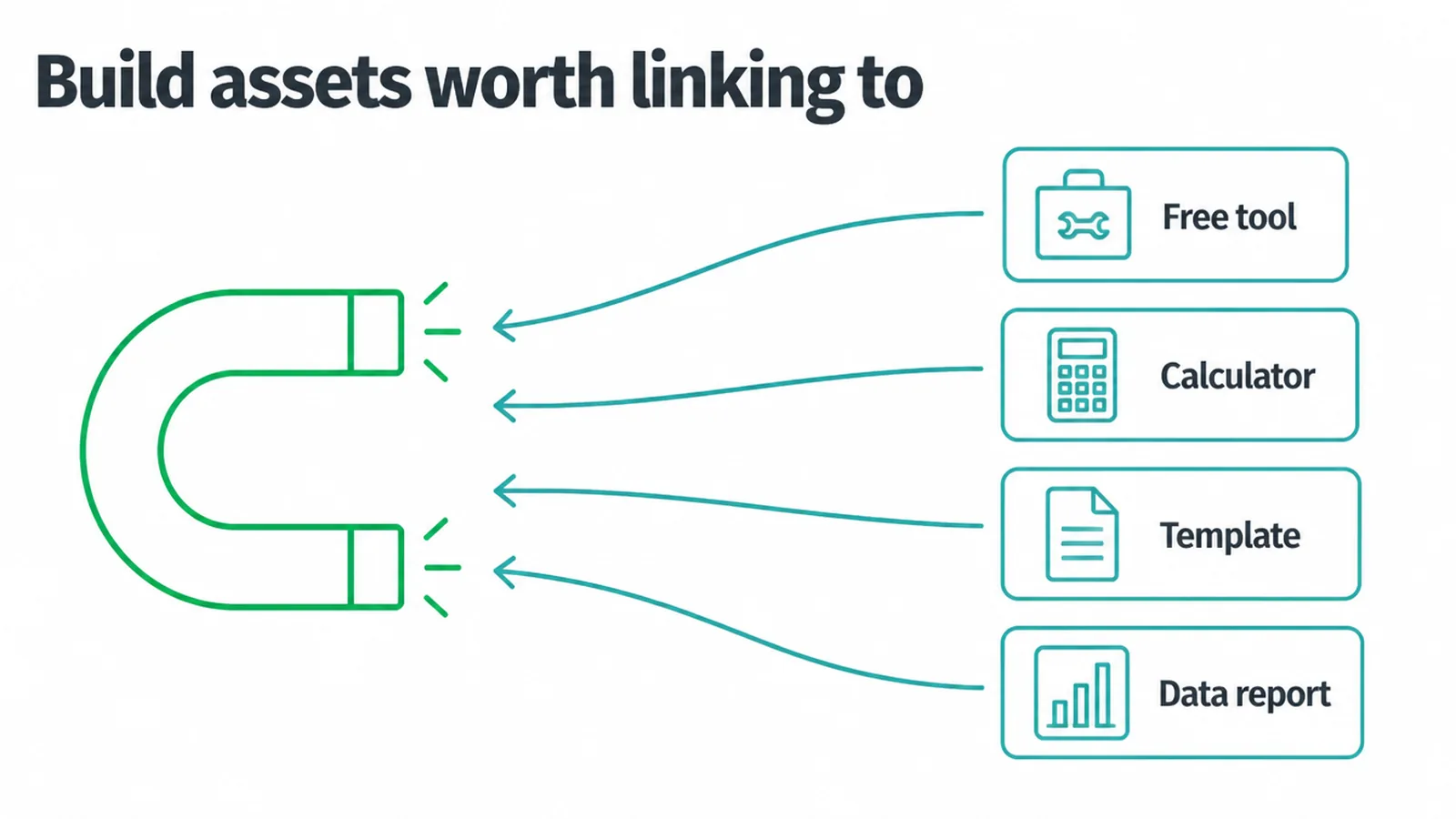
Free tools are the best link magnets. Build a small, genuinely useful tool tied to your product's job, then let it spread. Founder thought leadership helps too.
When you share original lessons, data, or a clear point of view, other writers cite you. Integration and partner pages create two-way links with the tools your buyers already use.
Chasing links the wrong way wastes time and risks penalties. For the safe, repeatable methods, read our guide on how to get backlinks. The short version: build assets worth linking to, then tell the right people they exist.
7. Step 6: Cover the technical basics once
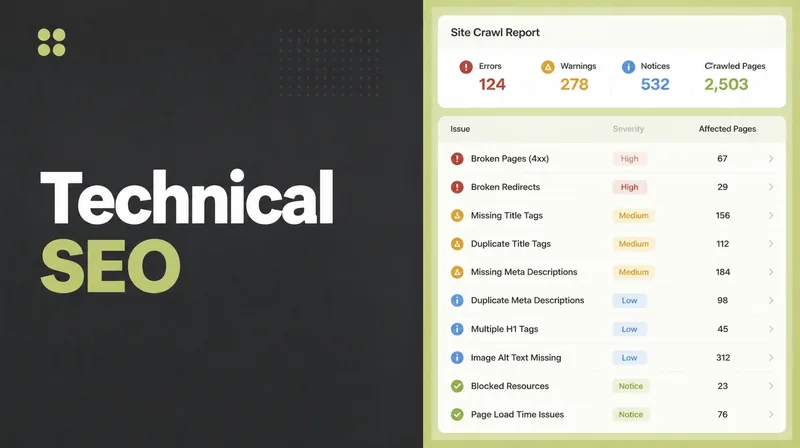
Technical SEO is the foundation under every page. You set it up once, check it now and then, and otherwise leave it alone. Most SaaS sites need the same handful of things in good shape.
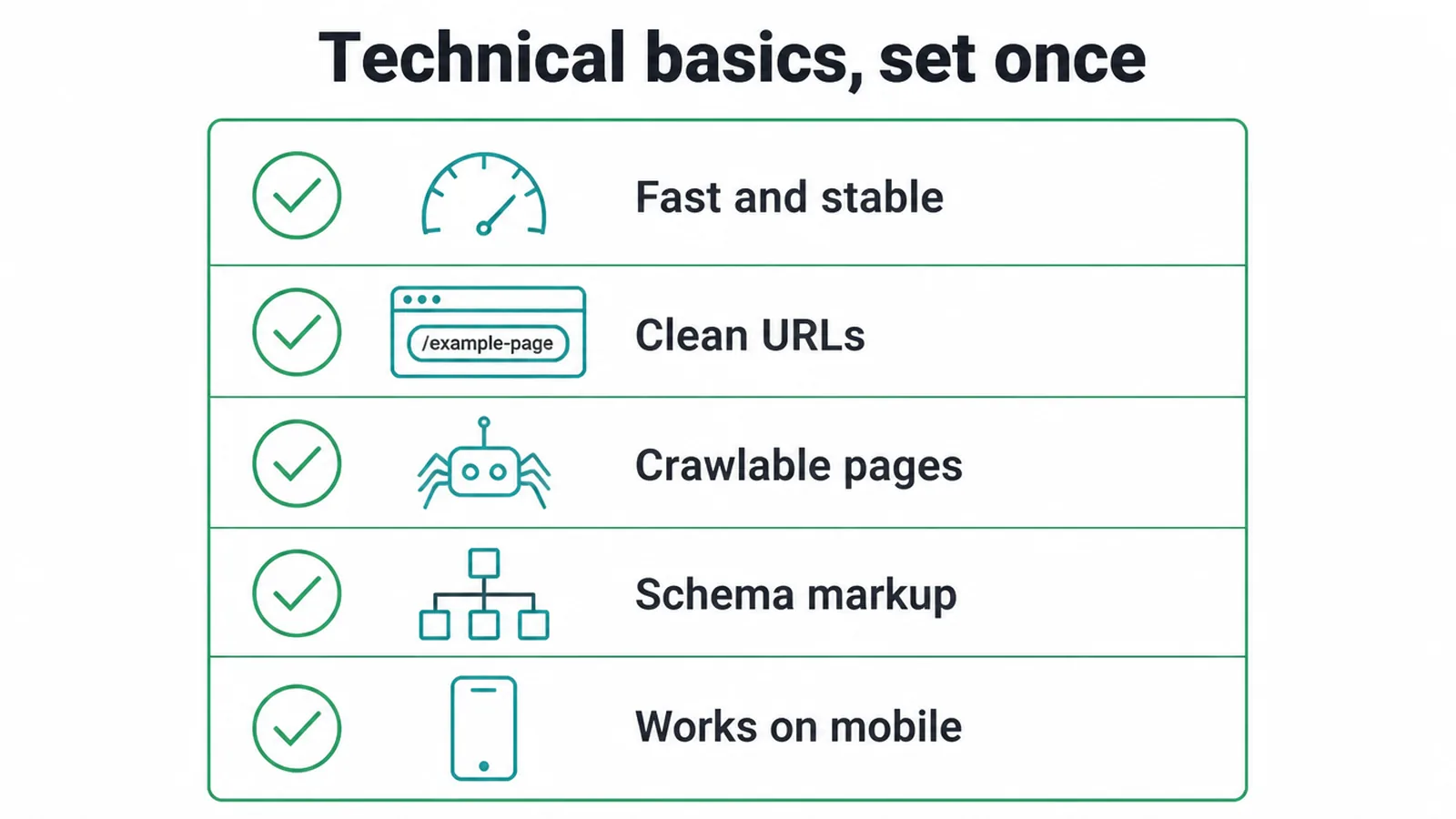
Make your site fast and stable on every screen, since speed and Core Web Vitals affect both rankings and signups. Keep your URLs clean and readable. Make sure search engines can crawl your pages, including any template pages you generate.
Add schema markup so search engines and AI tools understand your content. And confirm everything works well on mobile, because plenty of research happens on a phone.
You do not need to obsess here. A clean, quick, crawlable site clears the bar. Fix the basics, then spend your energy on pages and content, which is where the real growth comes from.
8. Step 7: Win AI search as a new channel
AI search is changing how buyers find tools, and you should treat it as a new channel on top of SEO, not a replacement.
73% of B2B buyers use AI tools like ChatGPT and Perplexity in their research, and 80% of global B2B tech buyers use generative AI as much as traditional search when researching vendors.
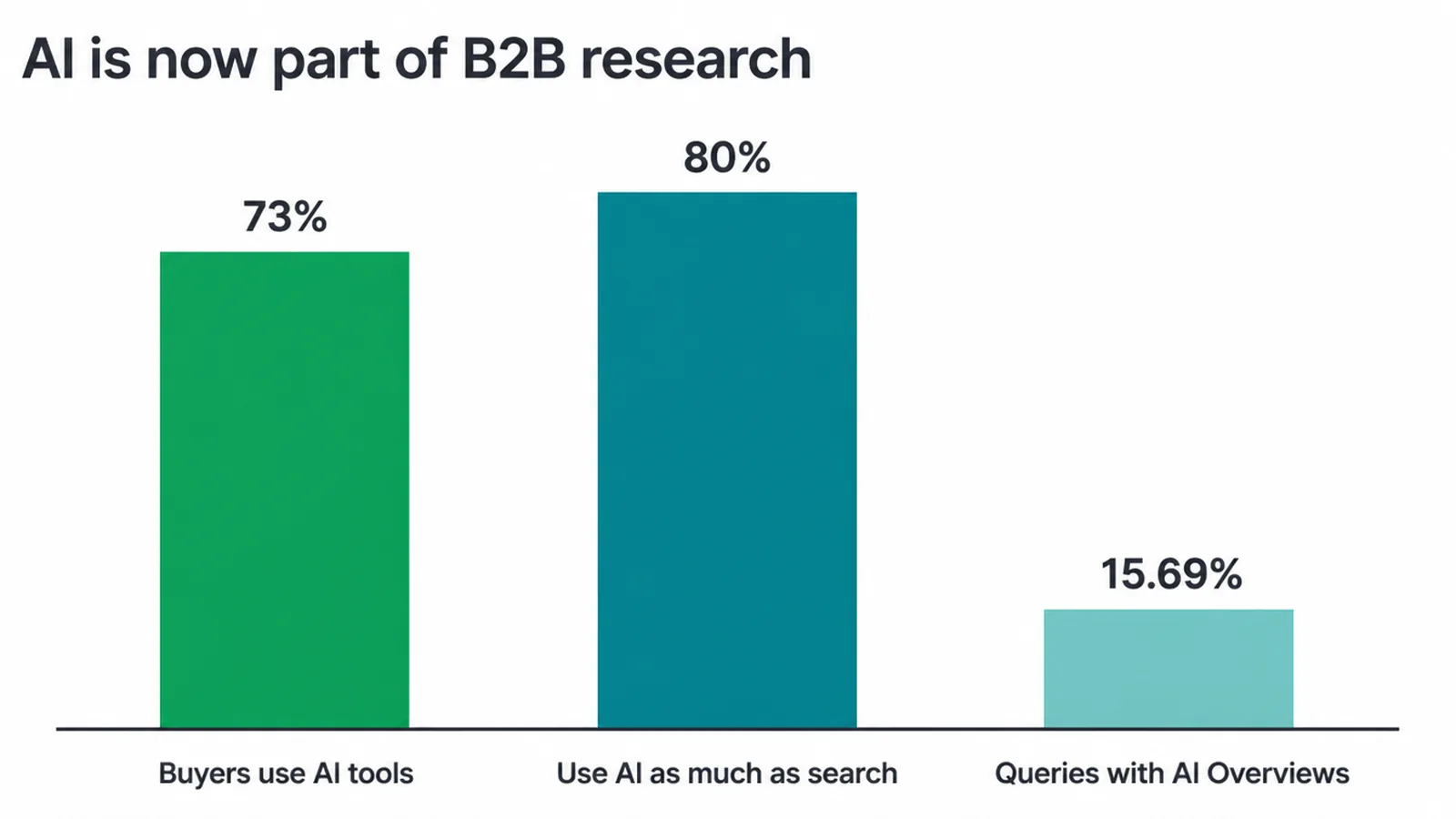
This shift is already visible in normal search too. AI Overviews were triggered for 15.69% of queries in a recent study of more than ten million keywords, and they change clicks.
Ahrefs found AI Overviews correlate with a 58% lower click-through rate for the top-ranking page. Fewer people click, so being the answer matters more.
The good news: the same well-structured, helpful pages that rank also feed AI answers. Write answer-first, so the first sentence of each section answers the question.
Use schema and clear headings. Get mentioned on trusted review sites and roundups, since AI tools lean on them. For the full method, read our explainer on generative engine optimization.
Frequently asked questions
1. What is SaaS SEO?
SaaS SEO is the work of getting your software found in search by people who have the problem your product solves, then turning that traffic into signups. It blends keyword research, on-page pages built for buyers, helpful content, and links. The goal is steady, compounding signups.
2. How do SaaS companies do SEO?
SaaS companies do SEO by sorting keywords by buyer intent, then building pages for each stage. They start with comparison, alternative, pricing and use-case pages. Then they add content clusters, useful templates, free tools that earn links and the technical basics. Finally, they make their content easy for AI search to cite.
3. Is SEO worth it for SaaS?
Yes, for most SaaS companies. Content marketing generates over three times as many leads as outbound and costs much less, so the work compounds over time. A page you publish once can bring in signups for years. The trade-off is patience, because SEO takes months to build momentum.
4. What content should a SaaS company publish?
Start with bottom-of-funnel pages buyers search before they sign up: comparisons, alternatives, pricing, integrations, and use cases. Then build content clusters around the problems your product solves, with one pillar page and many linked spokes. Product-led posts that show your tool solving a real job convert best.
5. How long does SaaS SEO take to work?
Plan for months, not weeks. Bottom-of-funnel pages can rank and convert faster because they target low-competition, high-intent terms. Broad cluster content usually takes longer to build authority and climb. Most teams see real momentum somewhere between six and twelve months of consistent publishing and link building.
6. What are BOFU pages?
BOFU stands for bottom of funnel. These are pages people read right before they pick a tool: you versus a competitor, alternatives to a popular product, pricing, integrations, and use-case pages. They get less traffic than blog posts but convert far better, so they are the first thing a SaaS should build.
7. What is programmatic SEO for SaaS?
Programmatic SEO means generating many similar pages from a structured data set, like one page per integration, template, or city. It works when each page is genuinely useful. If the pages are thin or repetitive, Google's helpful content systems bury them, so quality per page matters more than volume.
8. Does SEO still matter with AI search?
Yes. Most B2B buyers now use AI tools in their research, and AI answers pull from the same well-structured, helpful pages that rank in search. AI search is a new channel layered on top of SEO, not a replacement. Clear answers, schema, and being mentioned on trusted review sites all help you get cited.