Unlinked Brand Mentions: Turn Mentions Into Backlinks

An unlinked brand mention is a page that names your business without linking to it. Find them with a Google Alert and a quoted site search that excludes your own domain, then email the writer one short, warm ask. Seed Light treats these as the easiest links to win.
Key takeaways
- Mentions count too. Google's Gary Illyes has said high-quality content that gets cited matters, with mentions counting alongside links (Search Engine Land, 2018).
- It is the warmest ask in link building. The site already typed your name, so adding a link is a tiny change, not a fresh favour.
- You can find them for free. Google Alerts plus a simple search operator surfaces most mentions with no paid tool.
- Pick quality over volume. Chase real sites with good context, and skip spam, scraped pages, and bad press.
- One short, polite ask wins the link. Frame it as helping their reader find you.
1. What is an unlinked brand mention?
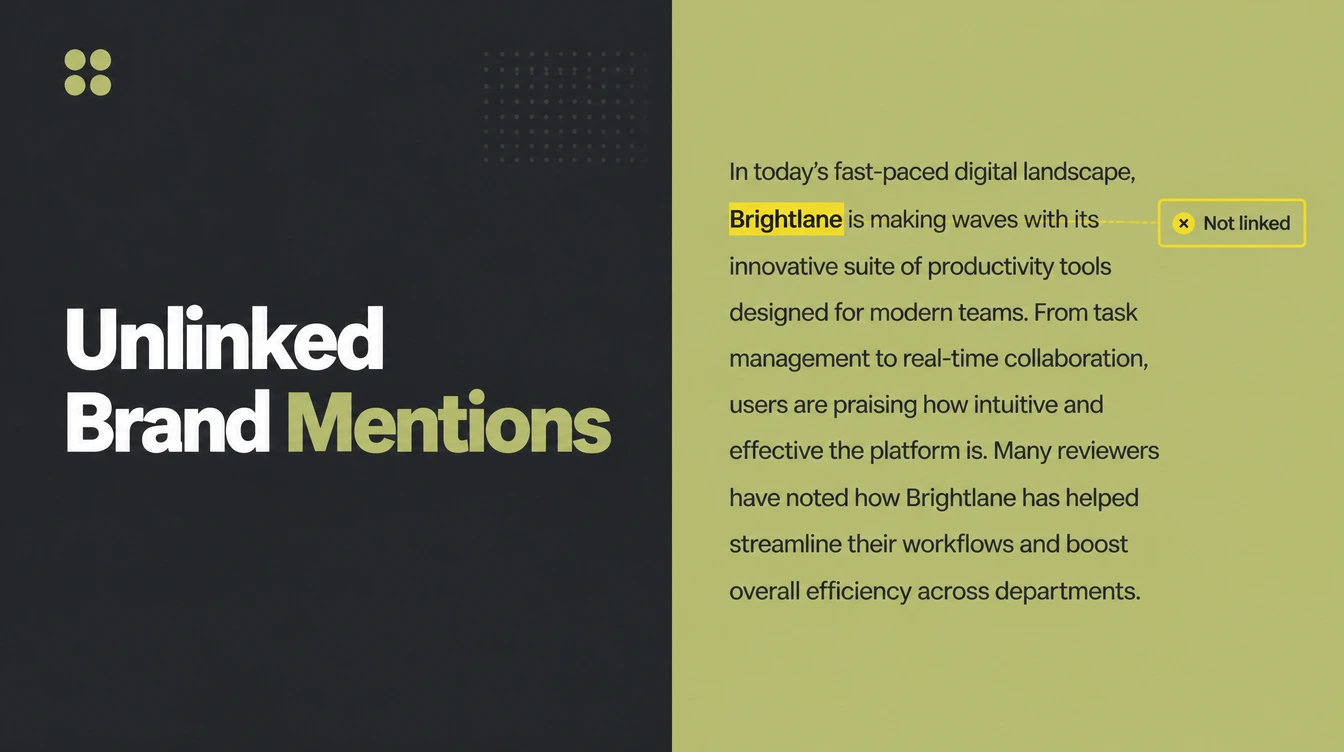
An unlinked brand mention is when another website names your business but does not link to you. It is a citation with no clickable link. A blogger writes "we love the work from Seed Light," but the name just sits there as plain text. A reader sees it. They cannot click through to your site.
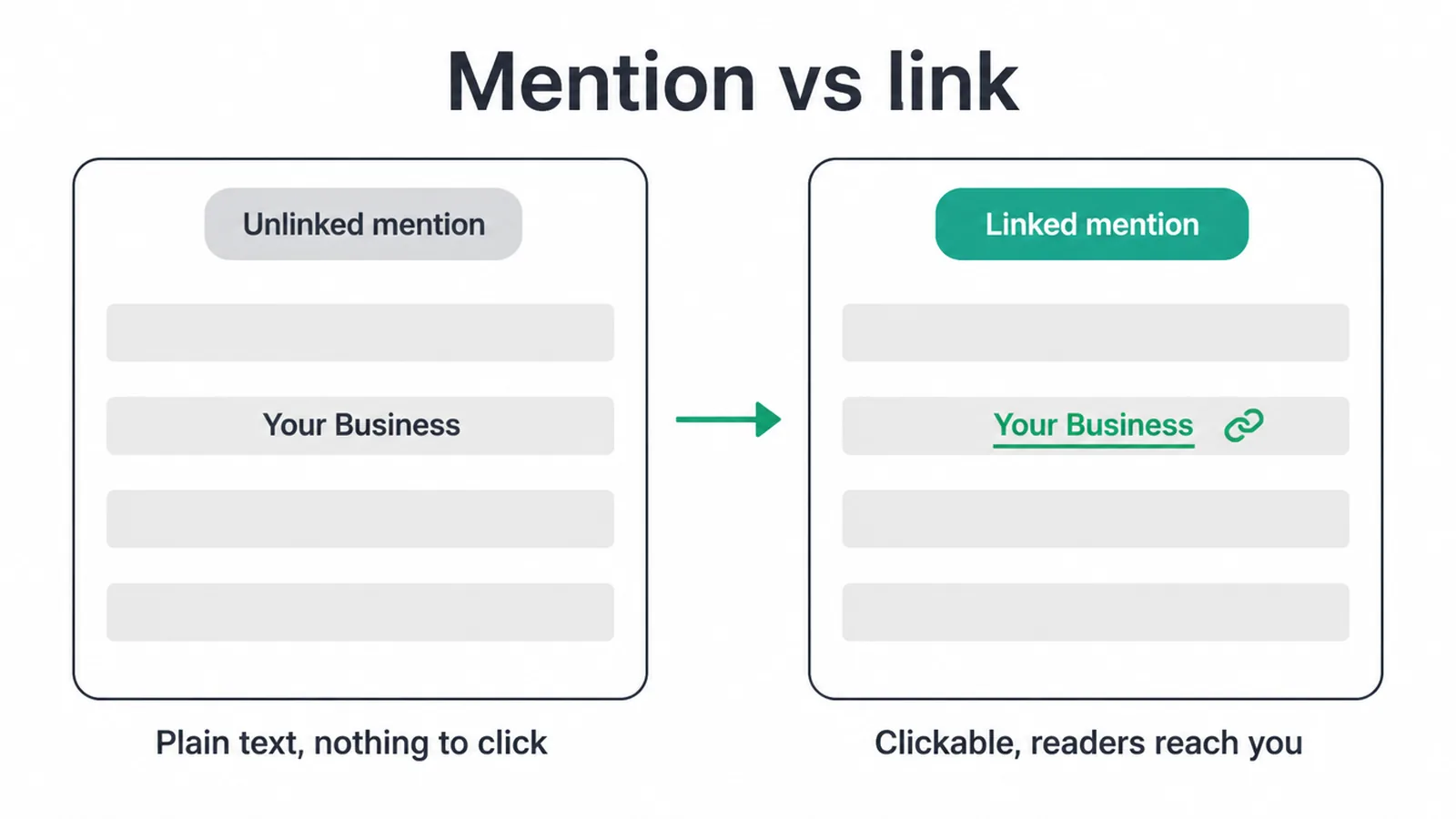
You see these all the time once you look. A local round-up lists your shop by name. A news piece quotes your founder. A "best tools" article names your product.
Every one of those is a mention that could be a link. Turning it into a link is one of the simplest moves in our full guide to getting backlinks, and a great place to start.
2. Why this is the easiest link to win
Unlinked brand mentions are the easiest links because the site already likes you. They already typed your name. You are not selling them on a fresh idea. You are asking for one small edit to a page they already published. That warm start changes everything.
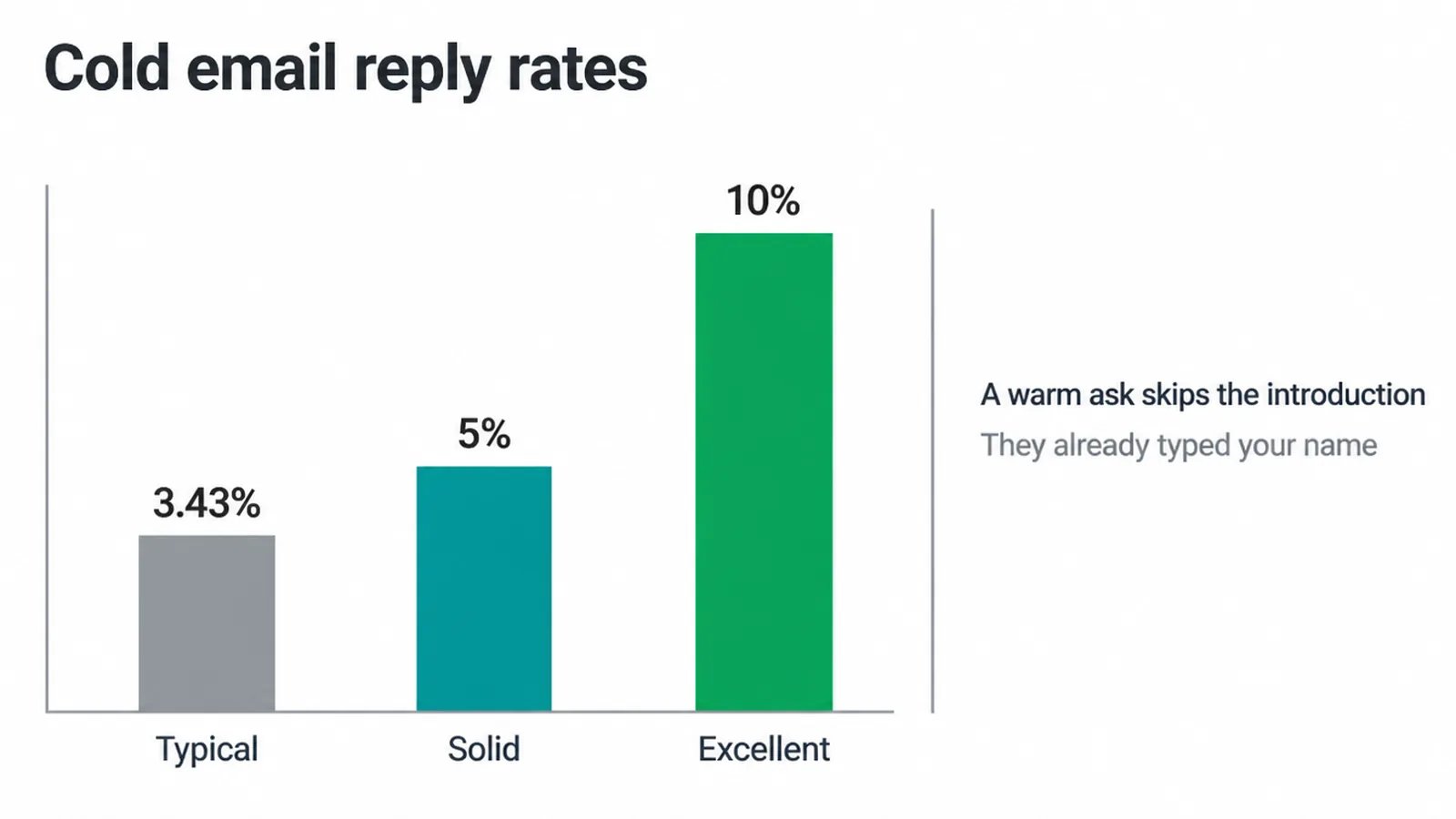
Cold outreach is hard. The platform-wide reply rate for cold email sits around 3.43%, where 5% is solid and 10% is excellent (Martal, 2026). A warm ask to someone who already wrote your name does far better, because there is no "who are you?" to get past.
And the prize is worth it. Links are not the top three ranking factors, and have not been for a while, says Gary Illyes (Search Engine Land, 2023). He has even noted it is possible to rank with zero links. But mentions still feed Google's sense of who you are.
Google's own patent describes "implied links," a reference to a resource that is not an express link (Search Engine Land, 2018). Getting the clickable link on top of the mention is the bonus. This is one of the quieter wins we build into our SEO work.
3. How to find your unlinked mentions
To find unlinked mentions, you scan the web for pages that name your business, then check which ones forgot the link. Start free. Two free moves catch most of them.
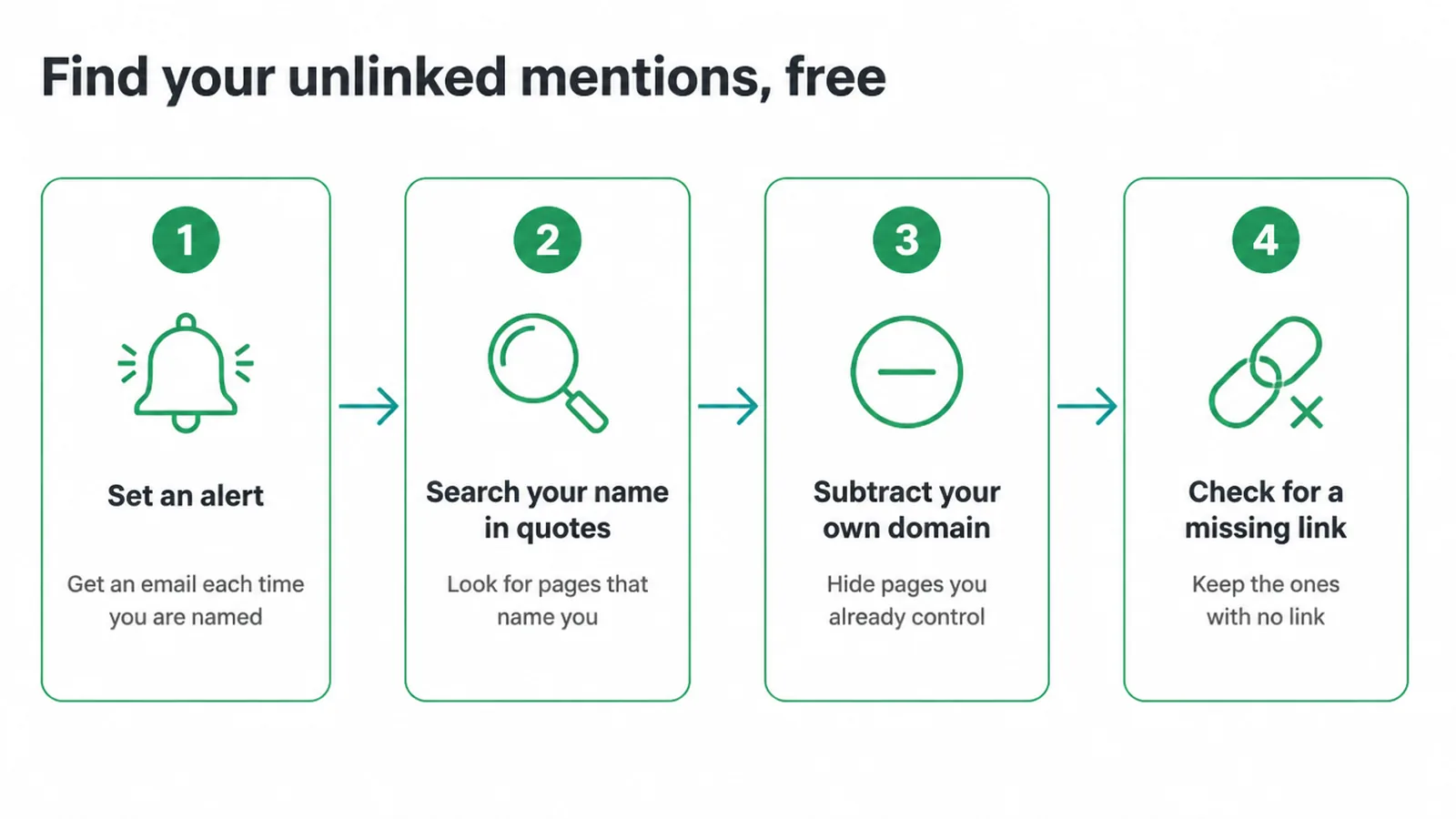
First, set up a Google Alert. Go to google.com/alerts, type your business name in quotes, and pick "as-it-happens" or "once a day." Now you get an email each time someone names you.
Do the same for your founder's name and your main product. Second, search by hand with an operator. Type your name in quotes and add a minus sign in front of your own domain to hide pages you already control.
| Method | What it does | Cost |
|---|---|---|
"Your Business" -yoursite.com in Google | Lists pages that name you but are not on your own site | Free |
| Google Alerts | Emails you each new mention as it appears | Free |
| Ahrefs Content Explorer | Searches a large web index for your name, filters by no link | Paid |
| Semrush Brand Monitoring | Tracks mentions and flags the unlinked ones | Paid |
| Mention or Brand24 | Watches the web and social for your name in real time | Paid |
Paid tools save time once you have a lot of mentions to sift, because they flag the unlinked ones for you. If you are weighing which to buy, our round-up of free link-building tools covers what each one is actually good at before you spend a cent.
4. Which mentions are worth it
Not every mention is worth an email. Sort them fast and chase the good ones. A mention is worth it when the site is real, the context is positive, and the page can actually hold a link.
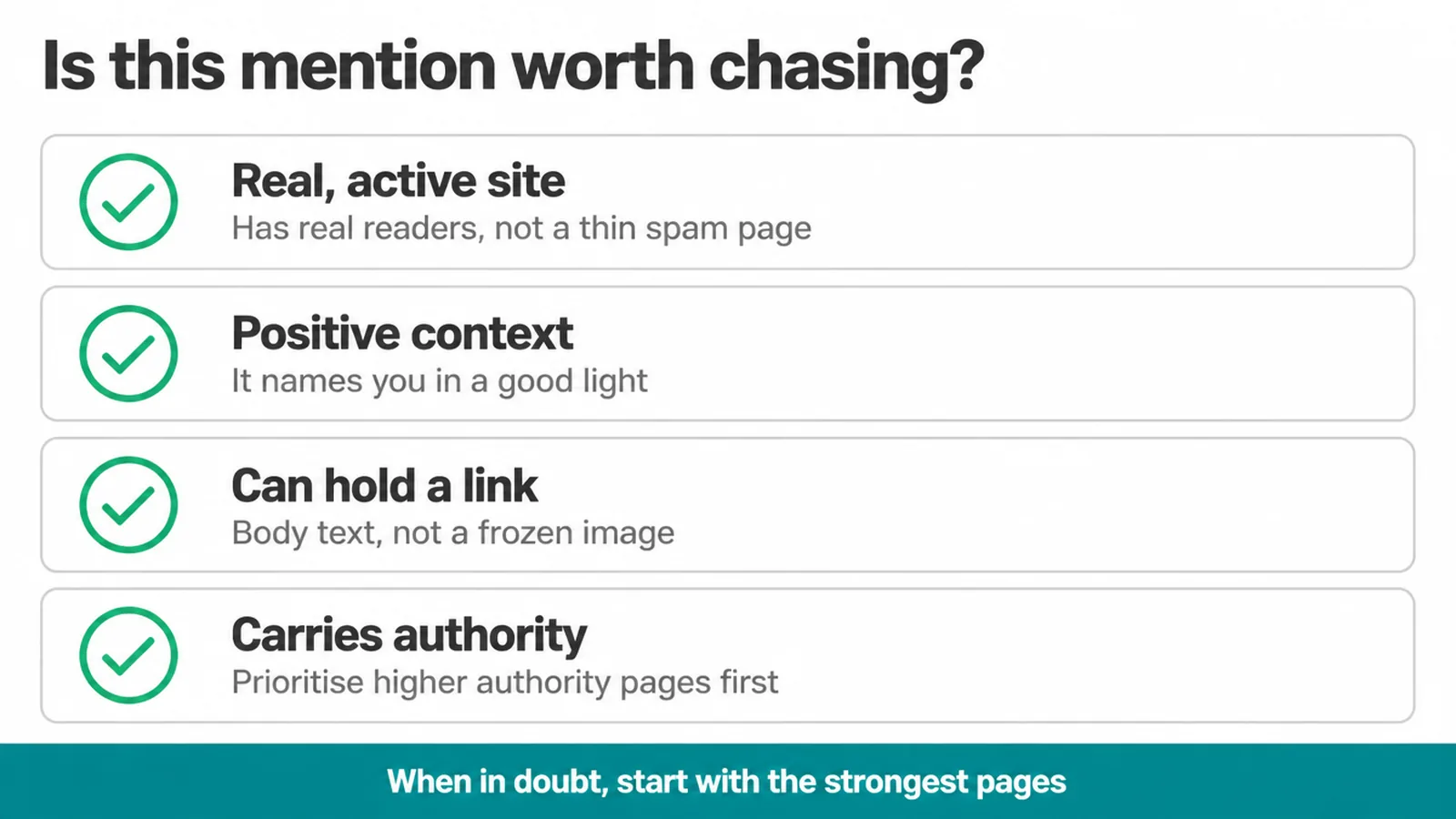
Look for four things. Is it a real, active site with real readers, not a thin spam page? Does it name you in a good light? Can the page hold a link, so it is body text and not a frozen image?
And does it carry some authority, since a link from a trusted site is worth more of your time? When in doubt, prioritise the higher-authority pages first. The same instinct guides the digital PR route in our guide to how to get backlinks, where one strong placement beats ten weak ones.
5. The outreach ask (copy this)
The ask is short, warm, and specific. Thank them, point to the exact spot, and ask for the link as a help to their reader. Do not write a wall of text. Here is a template you can copy and tweak.
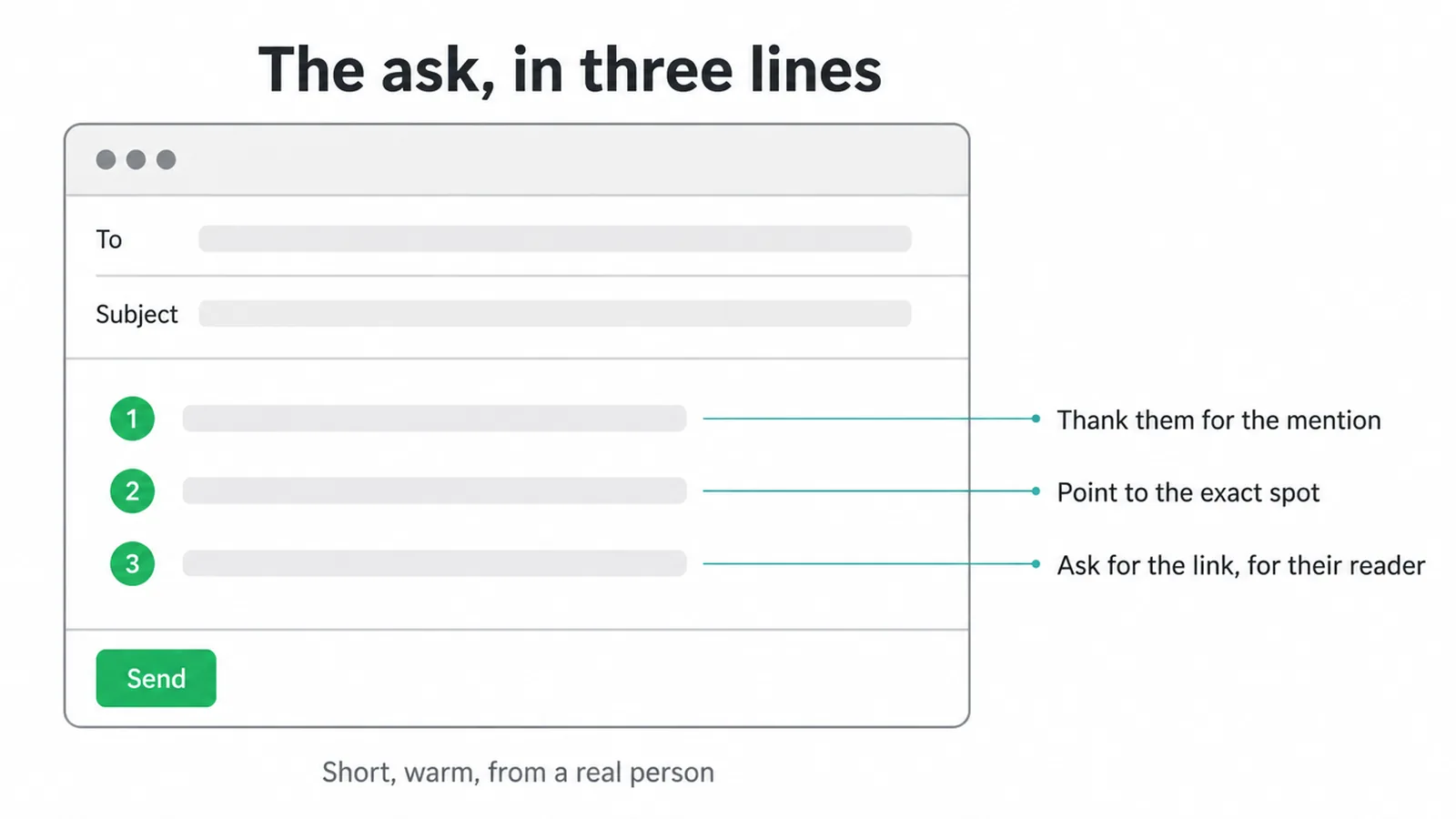
Hi [Name],
Thanks for mentioning [Your Business] in your piece on [topic], I really enjoyed it. I noticed our name in the [section or paragraph] is not linked. Would you mind adding a link to [your URL] so your readers can find us easily? Either way, thank you for the kind words.
Cheers, [Your name]
Send it from a real person, not a no-reply address. Reply once if you hear nothing after a week, then let it go. If they say yes, a quick thank-you keeps the door open for next time.
The same warm, human tone helps when you ask every customer to leave you a review, which we cover in how to get more Google reviews.
6. When not to bother
Some mentions are not worth chasing, and a few you should actively avoid. A bad link can do more harm than the mention is worth, so it pays to skip the wrong ones on purpose.
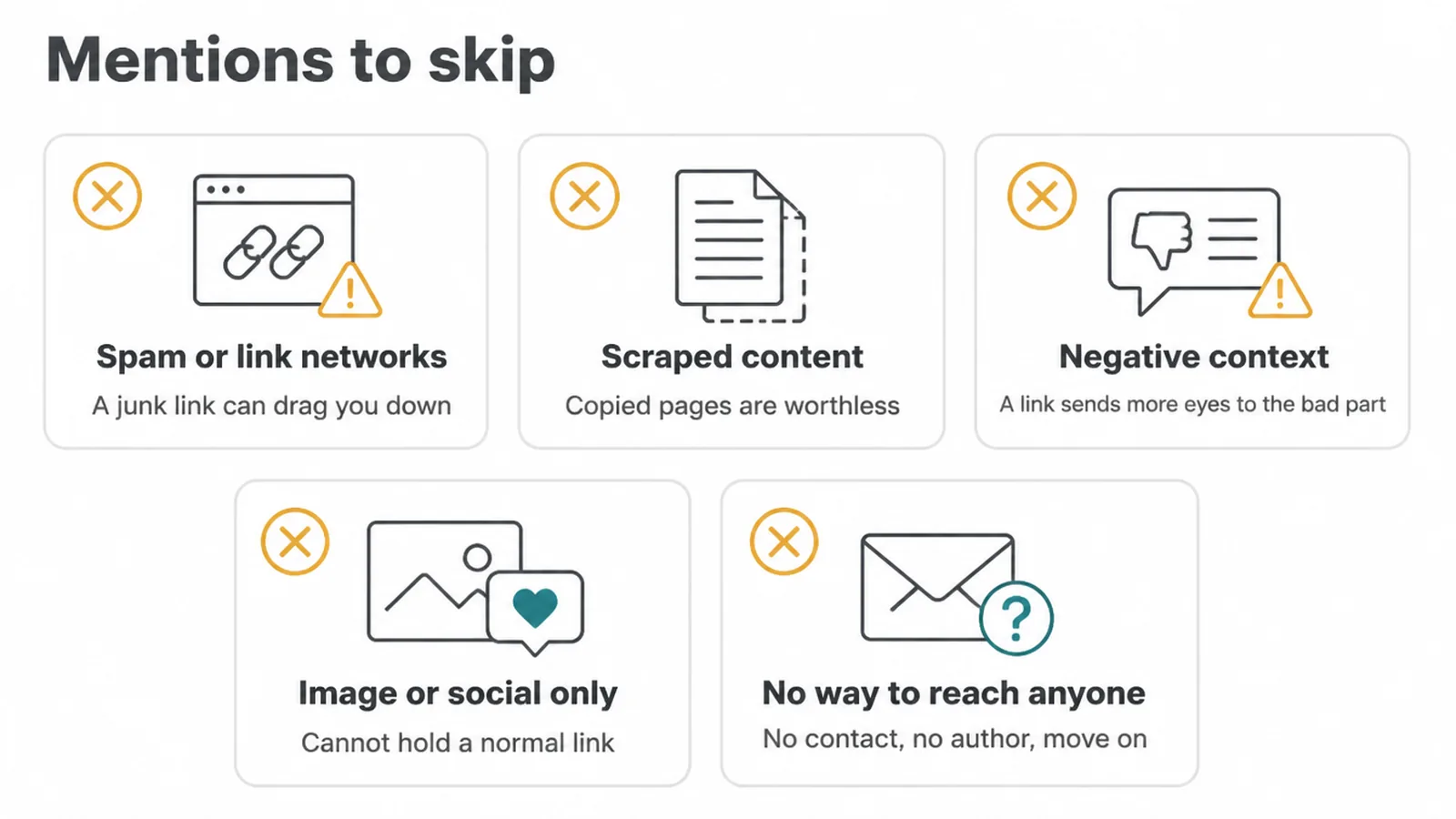
Walk away when you see these:
- Spam or private blog networks. A link from a junk site can drag you down, not lift you up.
- Scraped or copied content. If a page just stole someone else's article, a link there is worthless.
- Negative context. If they name you in a complaint or a hit piece, a link only sends more eyes to the bad part.
- Image-only or social mentions. A name baked into a picture or buried in a feed cannot hold a normal link.
- No way to reach anyone. No contact form, no email, no author, no luck. Move on.
Chasing fewer, better mentions beats blasting everyone. Quality wins links and keeps you safe.
Frequently asked questions
1. What is an unlinked brand mention?
An unlinked brand mention is when another website names your business but does not add a clickable link to your site. It is a citation with no hyperlink. The page says your name, a reader sees it, but they cannot click through to you.
2. Do unlinked mentions help SEO?
Unlinked mentions can help a little as a signal of who you are, but a real link helps more. The larger opportunity is turning the mention into a link. A linked mention sends readers to your site and passes more weight than a plain name.
3. How do I find unlinked mentions of my business?
Set a Google Alert for your business name so you get an email each time you are named. Search Google for your name in quotes and add a minus sign in front of your own domain to hide pages you already control. Paid tools can also scan the web and flag mentions that have no link.
4. Are unlinked mentions as good as backlinks?
Not quite. A backlink does more because it is clickable and passes more weight. But an unlinked mention is the easiest backlink to win, because the site already named you and already likes you. You are asking for a small change, not a fresh favour.
5. What is link reclamation?
Link reclamation means winning back links you should already have. That includes turning unlinked mentions into links, and fixing links that broke or point to the wrong page. It is one of the cheapest ways to grow links, because the goodwill already exists.
6. Why would a site mention me but not link?
Usually it is not on purpose. The writer typed your name, did not think to add a link, or their tool stripped it out. Some sites avoid outbound links by habit. A short, friendly note often gets the link added with no fuss.
7. When should I not chase an unlinked mention?
Skip spammy sites, scraped or copied content, and pages that name you in a bad light. Skip image-only or social mentions that cannot hold a normal link, and skip pages with no way to contact anyone. A link from a junk site can do more harm than good.
8. How do I ask for the link?
Keep it short and warm. Thank them for the mention, point to the exact spot, and ask if they would add a link so readers can find you. Frame it as helping their reader, not helping you. One clear, polite ask works better than a long pitch.