YouTube Marketing Strategy for Small Business

A YouTube marketing strategy treats video as a search asset: you film answers to the questions customers actually type, then point each video at one clear next step. YouTube ranks on relevance, engagement and quality, and Pew Research found 84% of U.S. adults use it. Seed Light measures the leads a video brings and picks a cadence you can keep.
Key takeaways
- YouTube is a search engine. It is owned by Google, so videos can surface in both YouTube and Google results, and a single good one keeps working for years.
- The reach is enormous. 84% of U.S. adults use YouTube, the most widely used platform Pew measured, ahead of Facebook and Instagram.
- Film what customers ask. How-to videos, FAQ answers, and comparisons tied to real questions beat trying to entertain or go viral.
- Rankings follow three official signals. Relevance, engagement, and quality, where quality means expertise, authority, and trust. Niche know-how wins.
- Consistency beats volume. Pick a cadence you can keep. Then add one clear next step to every video so views turn into leads.
1. Why YouTube works like a search engine
Most owners file YouTube under "social media" and treat it like the others. That is the mistake. People do not scroll YouTube the way they scroll a feed. They go there with a question and type it in.
They are learning, comparing, and researching before they buy. 32% of Americans regularly get news from YouTube, up from 23% in 2020, which shows how much people now treat it as a place to learn.
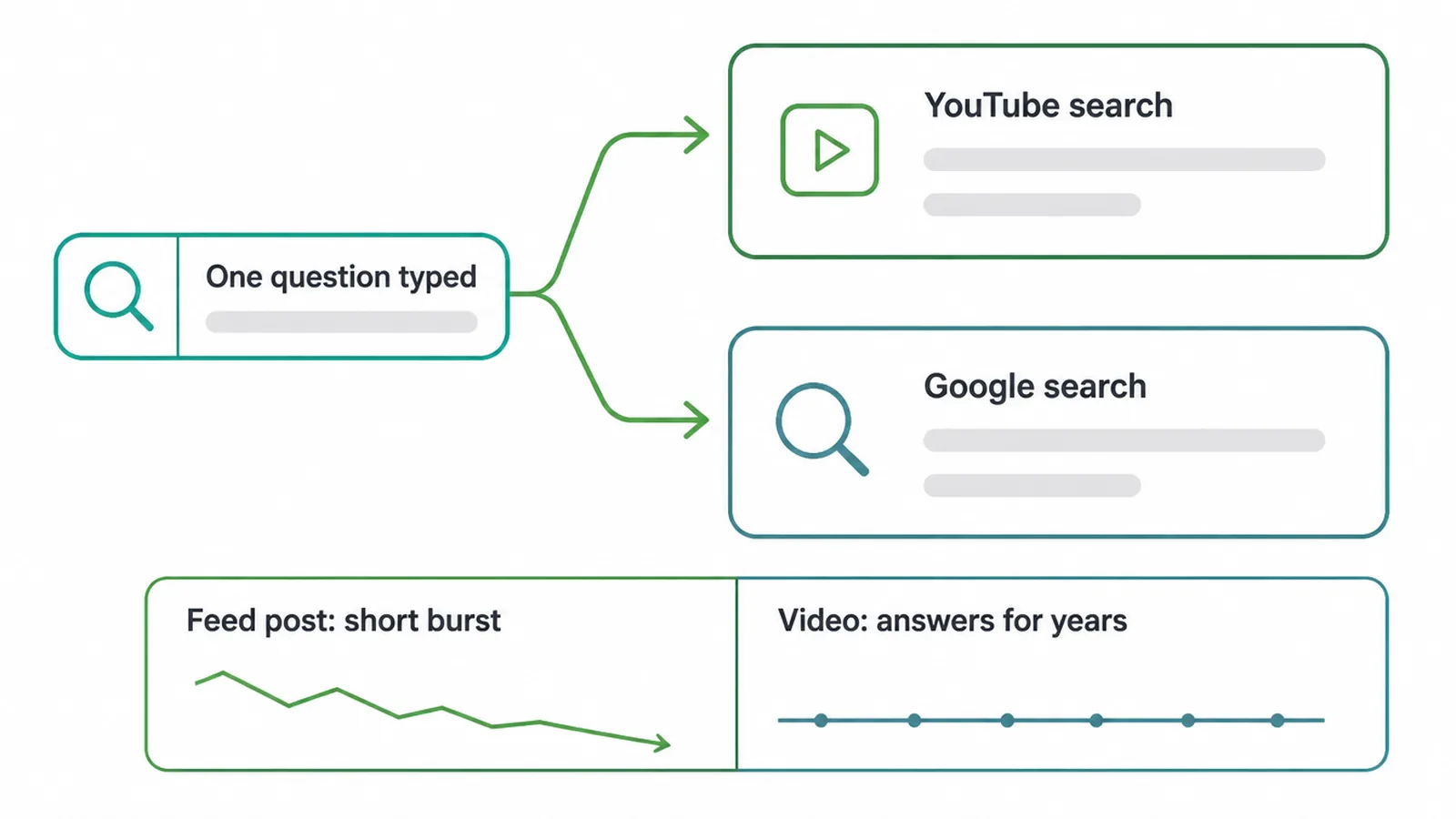
Because Google owns YouTube, your video can appear in two places at once: YouTube search and a normal Google search. So when someone types a how-to question into Google, a relevant video can show up right there. That is the evergreen part.
A short-form post on a feed gets a burst of reach and then fades. A useful YouTube video can keep answering the same question for years.
People often call YouTube the second-largest search destination on the web, and while there is no single official figure to pin that to, the behaviour is clear: folks search there.
The audience also spans every age group. Pew found over 90% of adults under 50 use it, 86% of those 50 to 64, 65% of those 65 and up, and nine in ten teens. So this is not a narrow channel.
This is a different job from Instagram. Short-form social media is about reach, feel, and staying top of mind in a fast feed. YouTube is about being found by someone already looking.
If you want the feed side too, our guide to building an Instagram strategy covers it. Run both if you can, but know they do two different jobs.
2. Set up your channel like a mini website
Before you film, get the basics right so people who land on your channel know who you are and what to do next. Think of your channel page and video descriptions as a small landing page, because that is how they work.
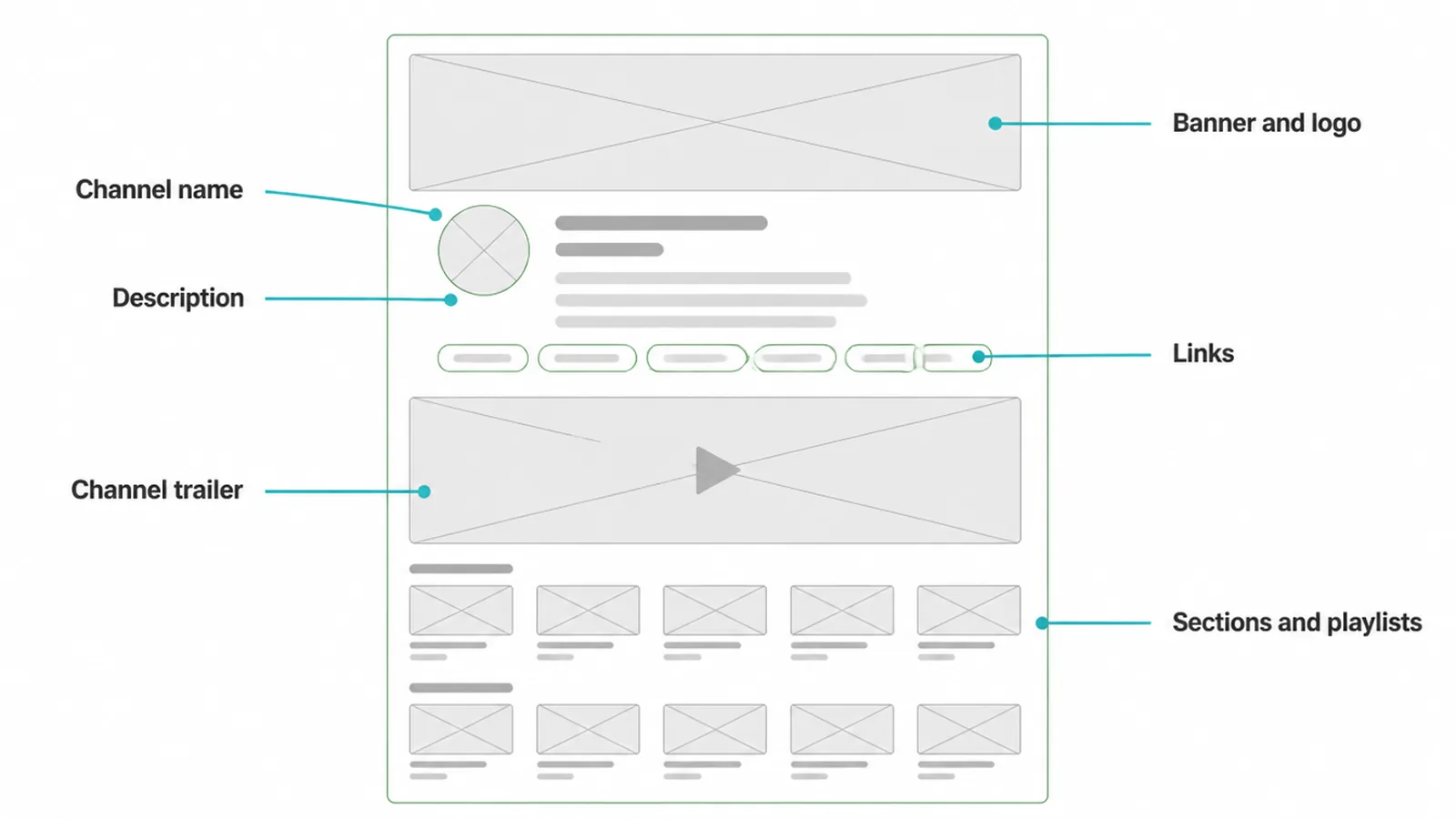
- Channel name. Use your business name, or your name plus your niche. Keep it the same as elsewhere so people recognise you.
- Description. Say plainly who you help, what you make videos about, and where to go next. Use the words your customers actually use.
- Banner and logo. A clean banner with your name and what you do. Nothing fancy needed.
- Links. Add links to your website, your contact page, and any free guide. This is where channel visitors become website visitors.
- Channel trailer. A short video that tells a new visitor who you are and why to subscribe.
- Sections and playlists. Group videos by topic so people can binge a theme. This also keeps them watching longer.
3. What to film (pull topics from real questions)
The best video ideas are sitting in your inbox and your DMs. Every question a customer asks is a video, and the same list feeds the rest of your content marketing.
Answer the things people search for and you stop guessing. Keep a running list, the same way you would build a content calendar for the rest of your marketing, so you always have the next three videos ready.
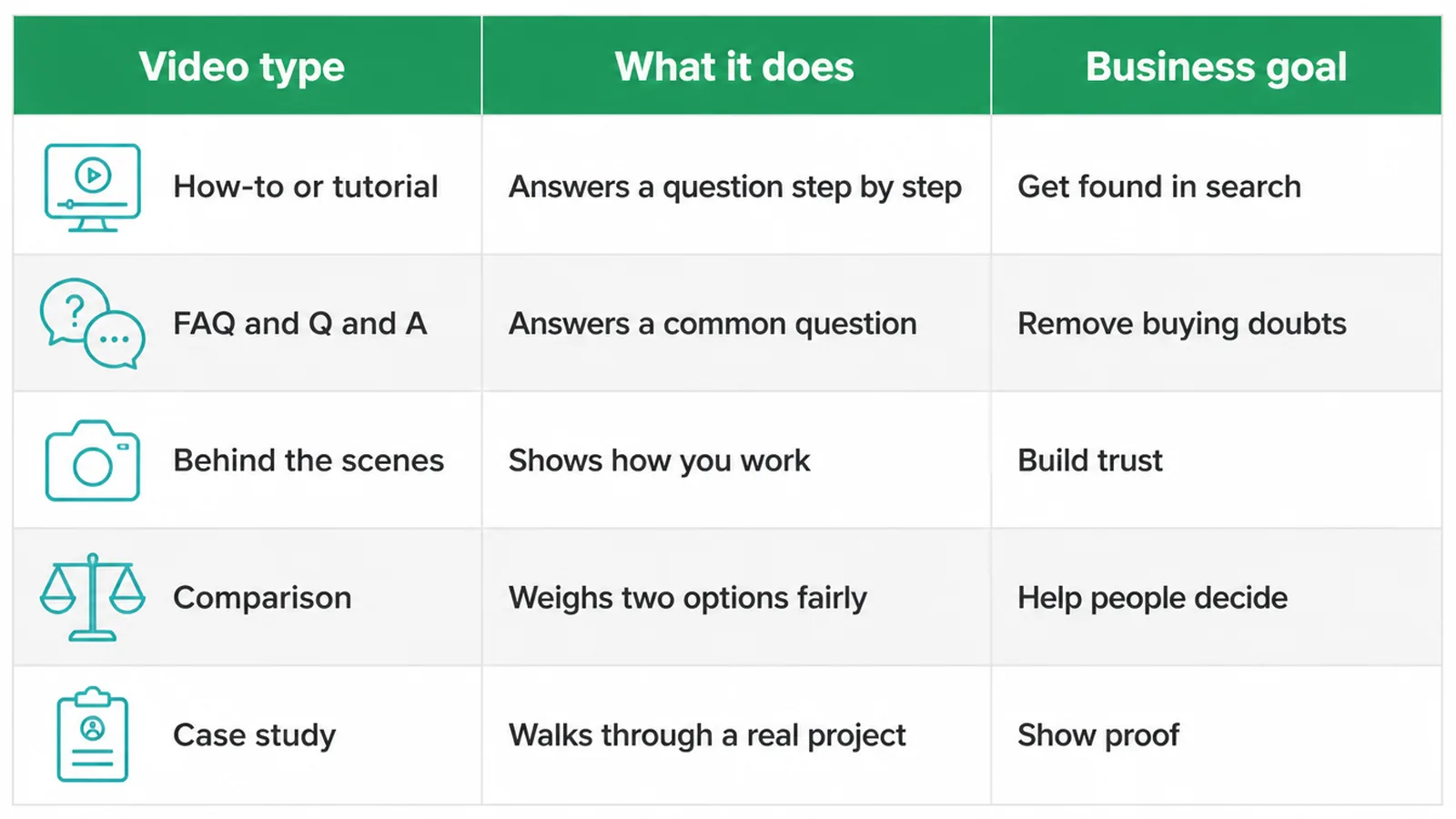
Here are the video types that earn their keep for a small business, mapped to the job each one does.
| Video type | What it does | Business goal | Example |
|---|---|---|---|
| How-to / tutorial | Answers a question step by step | Get found in search, build trust | "How to clean a leather sofa at home" |
| FAQ / Q&A | Answers a common customer question | Remove buying doubts | "Do you need planning permission for a fence?" |
| Behind-the-scenes | Shows how you work and who you are | Build trust and connection | "A day building a custom kitchen" |
| Comparison | Weighs two options fairly | Help people decide, capture buyers | "Vinyl vs laminate flooring, which is better?" |
| Case study / result | Walks through a real project | Show proof, warm up leads | "How we redesigned a tired shop website" |
Notice every example is a search someone actually types. That is the filter. If nobody is asking it, do not film it yet.
4. How videos rank on YouTube
You do not have to guess at the algorithm, because YouTube tells you. According to YouTube's own how YouTube search works page, search results rank on three signals: relevance (how well the title, tags, description, and content match the query), engagement (watch time for that query), and quality (signals of expertise, authoritativeness, and trustworthiness).
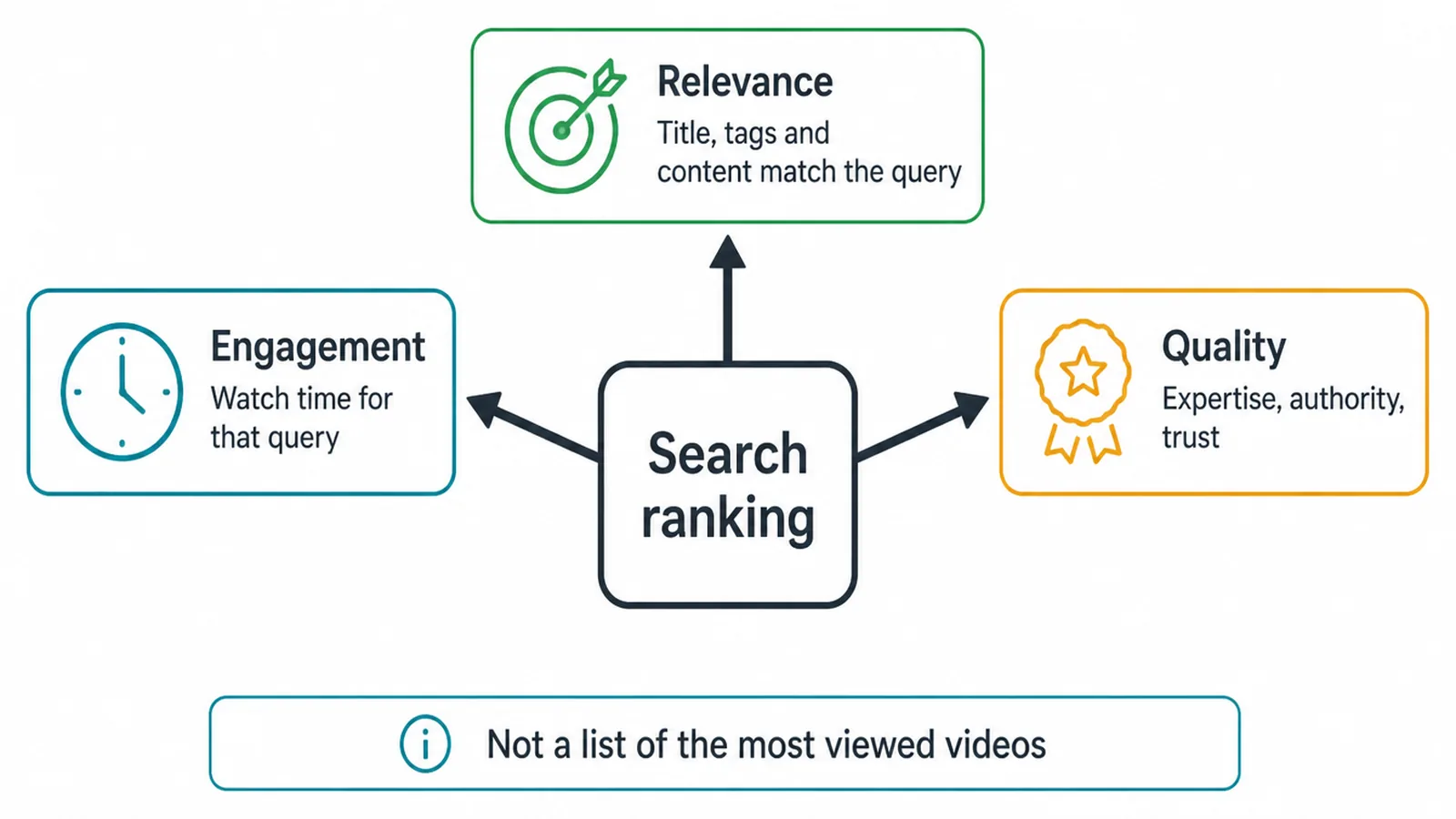
Two more things from that page matter for small businesses. First, YouTube ranks results using relevance, engagement and quality, so raw view count is not the only thing that matters.
A focused video that matches a question well can beat a popular one that does not. Second, YouTube "doesn't accept payment for better placement within organic search results." You cannot buy your way up the organic results.
The quality signal is where a small business can win. Expertise, authority, and trust reward people who actually know their niche. A roofer who answers roofing questions clearly can out-rank a generic channel on those searches.
This is the same expertise idea that matters for your website, and tools like Google Search Console help you see which questions are already sending people your way.
5. Titles, thumbnails, and descriptions for search
You can film a brilliant video and still get no views if the packaging is weak. The title, thumbnail, and description are what decide whether anyone clicks and whether search understands your video.
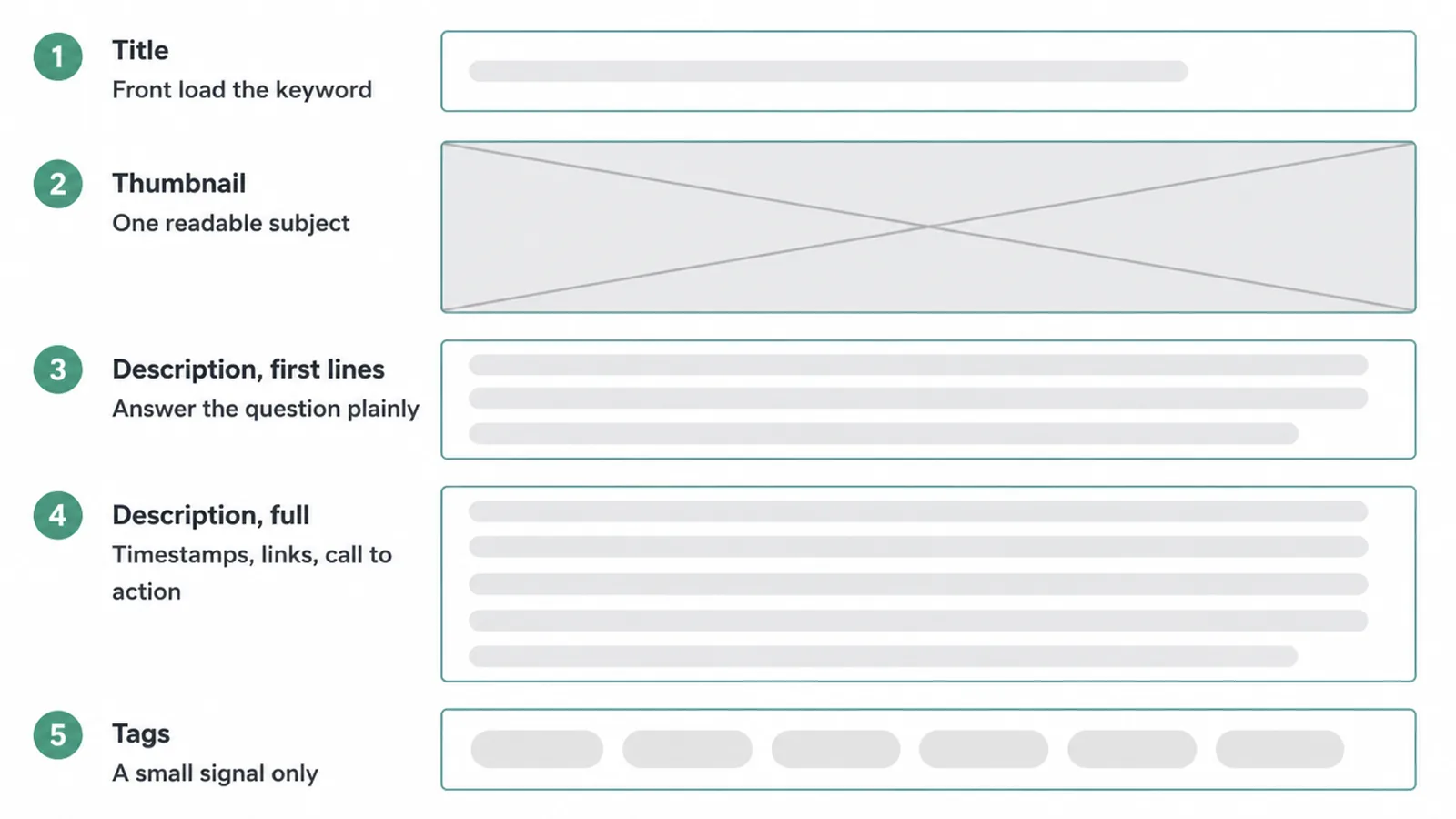
Run this quick checklist on every upload:
- Title: front-load the keyword or the exact question. Keep it readable. Never promise something the video does not deliver.
- Thumbnail: one big, readable subject, high contrast, only a few words, legible on a small phone screen.
- Description, first lines: answer the question in plain words and include the keyword, because the first one or two lines are what people and search see first.
- Description, full: give the wider context, add timestamps, and include your links and a clear call to action.
- Tags: add a few relevant ones, but they are a small signal, not the main event.
One caveat before you over-optimise. YouTube's own search and discovery tips put it simply: "Focus on what your audience likes. If you do that and people watch, the recommendations will follow." Good packaging gets the click. A genuinely useful video keeps people watching, and that is what feeds discovery.
6. Build a plan you can actually keep
There is no official number of videos to post, and anyone who quotes you one is guessing. The honest answer is to pick a cadence you can sustain. One solid video a week is great. One every two weeks is fine. What kills small-business channels is starting strong, then ghosting for two months.
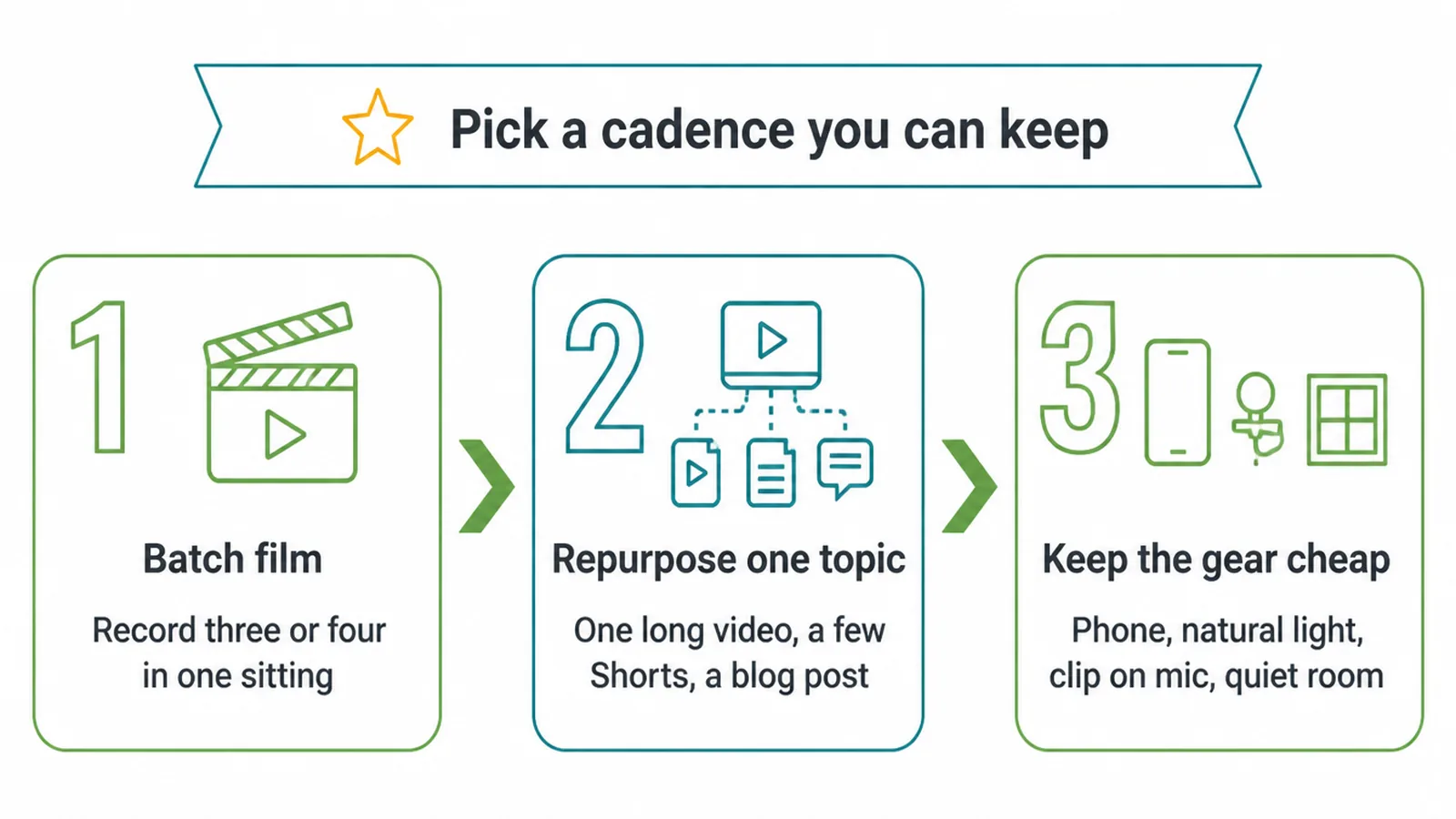
A few habits make it easy to keep going:
- Batch-film. Record three or four videos in one sitting so a busy week does not break the run.
- Repurpose one topic. Turn one idea into a long video, a couple of Shorts, and a blog post. One bit of thinking, four bits of content.
- Keep the gear cheap. A recent phone, natural light, a clip-on mic, and a quiet room are plenty. Clear audio matters most, so spend your effort there.
YouTube is one piece of a bigger picture. If you want to see where it fits next to your website, ads, and email, our overview of digital marketing for a small business ties it together.
7. Turn views into leads
Views are not the goal. Customers are. A channel full of views and no leads means the bridge is missing. Add one clear next step to every single video.
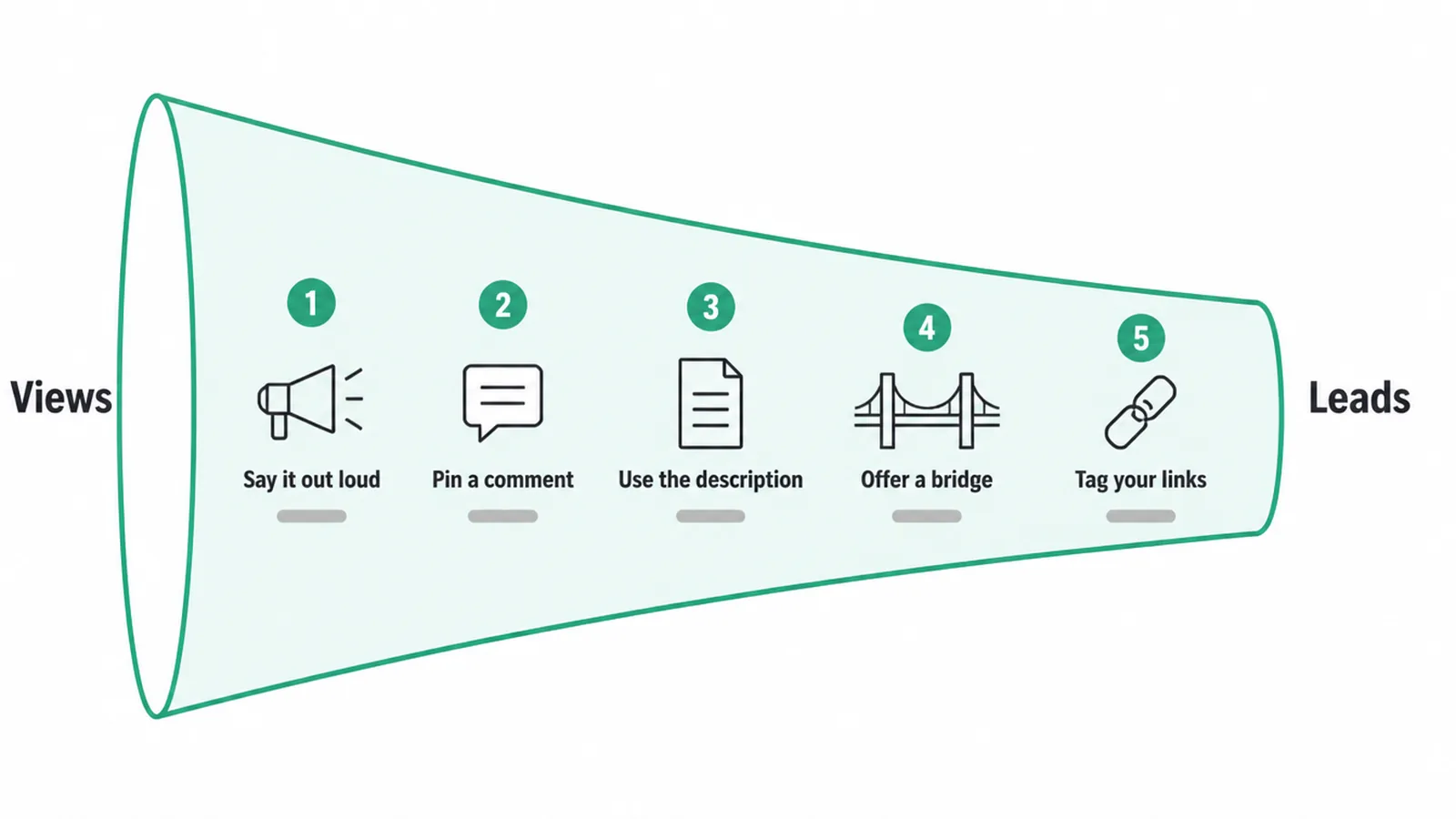
- Say it out loud. Tell viewers what to do next near the end. Spoken calls to action work.
- Pin a comment. Pin one comment with the link or the offer so it sits at the top.
- Use the description. Put the main link in the first lines, not buried at the bottom.
- Offer a bridge. A free guide or simple lead magnet gives a softer next step than "buy now" and captures contact details.
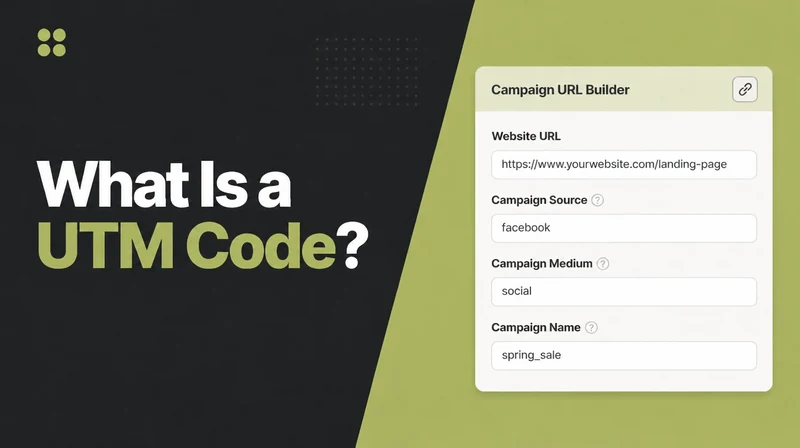
- Tag your links. Add UTM tags so you can see which videos actually send traffic and leads.
Pick one next step per video and stick to it. Once a few videos prove they bring in the right people, you can put a little spend behind the winners.
If paid is where you want to go next, our digital marketing service can help, and you can always tell us what you are working on to figure out the right move.
8. Five habits that stall a small business channel
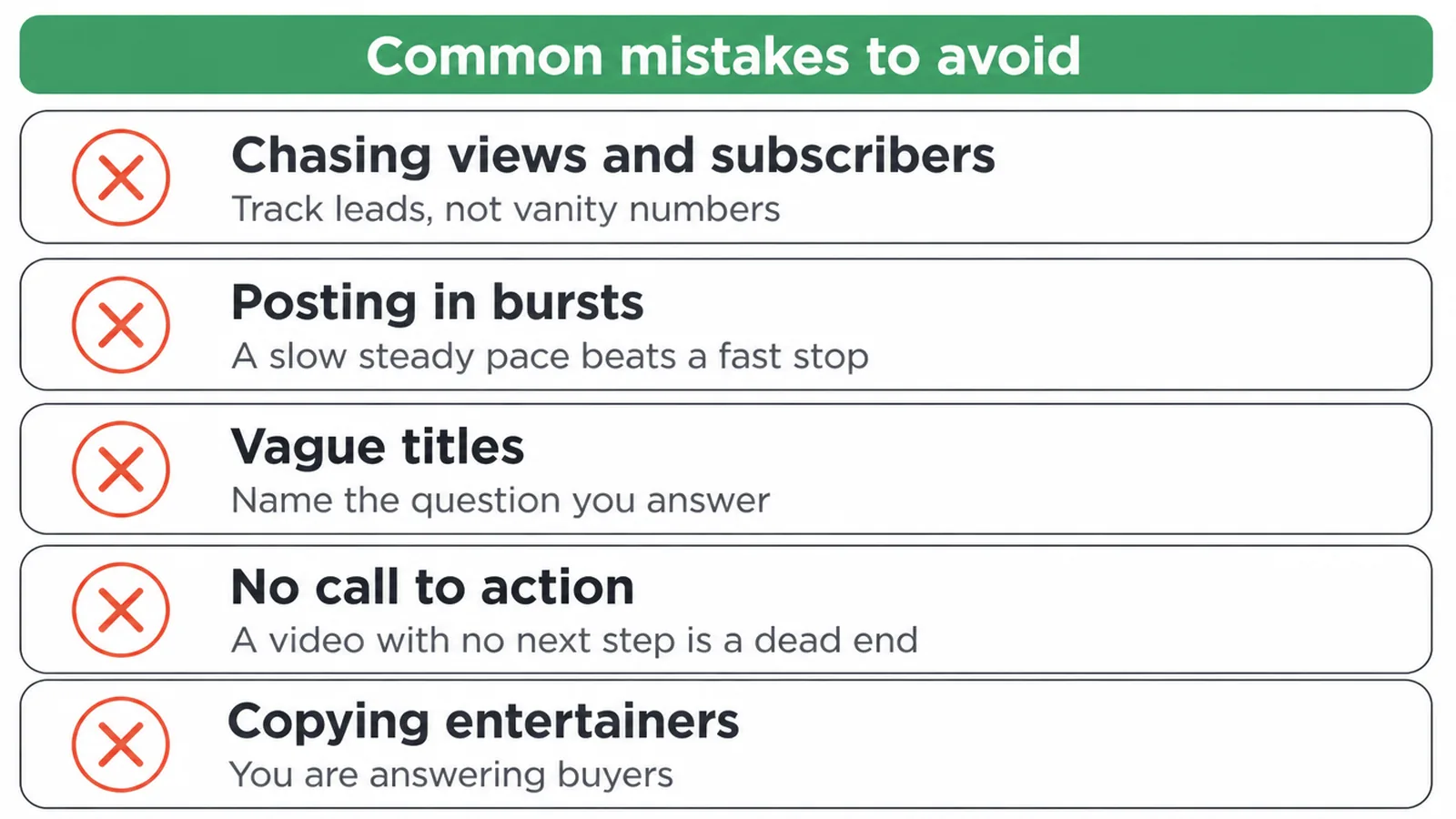
- Chasing views and subscribers. They feel good and pay nothing. Track leads, not vanity numbers.
- Posting in bursts. Three videos then silence kills momentum. A slow steady pace beats a fast stop.
- Vague titles. "My week" tells search nothing. Name the question you are answering.
- No call to action. A great video with no next step is a dead end.
- Copying entertainers. You are not competing with creators for laughs. You are answering buyers.
Frequently asked questions
1. What is a YouTube marketing strategy?
A plan for using video to get found by people searching for what you do, build trust, and turn viewers into leads, rather than posting random videos and hoping.
2. Is YouTube worth it for a small business?
Yes if you treat it as a search asset, because 84% of U.S. adults use YouTube and videos can rank in both YouTube and Google for years. It rewards consistency over going viral.
3. Do I need expensive gear to start?
No. A recent phone, natural light, a cheap clip-on mic and a quiet room are enough. Clear audio and a useful answer matter more than cinematic video.
4. How often should I post on YouTube?
There is no magic number and YouTube does not publish one. Pick a cadence you can sustain, such as one solid video a week or every two weeks, and keep it.
5. What videos should I make?
How-to and tutorials, FAQ answers, behind-the-scenes, and comparison videos tied to what customers actually ask and search for.
6. How do videos rank on YouTube?
YouTube officially ranks on relevance (title, description, tags and content matching the query), engagement (watch time for that query), and quality (expertise, authority and trust).
7. How do I get views without paying for ads?
Target real search queries, write clear titles and descriptions, make thumbnails readable, and answer the question fully so people watch. Discovery follows useful content.
8. How do I turn views into customers?
Add a clear next step in every video and description: a link to a relevant page, a free guide or lead magnet, or a way to contact you. Do not bury the call to action.
9. Start small and let it compound
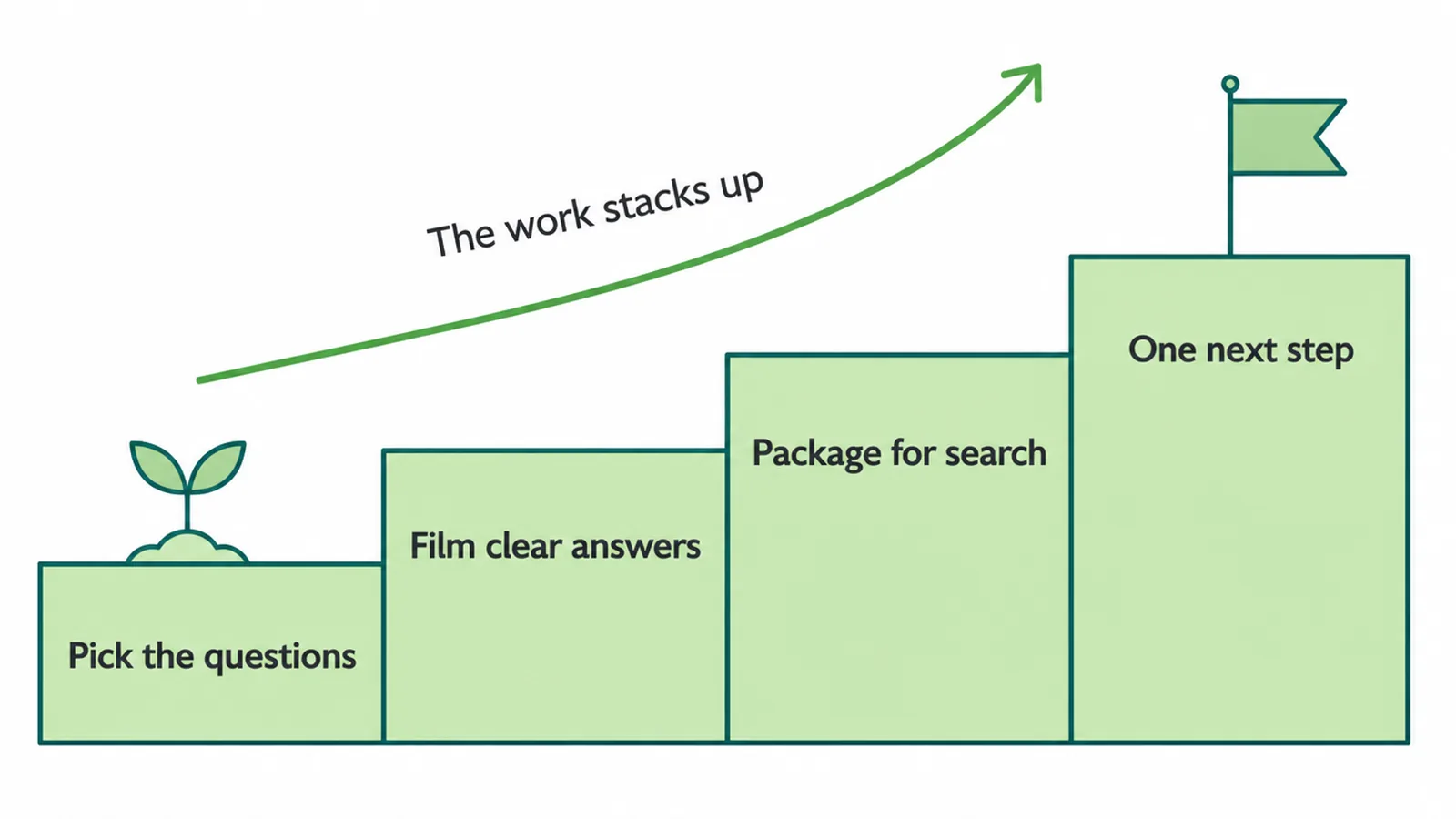
YouTube is a search asset that pays you back for years, not a feed you have to feed forever. You do not need fancy gear or a viral moment. Pick the questions your customers keep asking, film clear answers, package them so search can find them, and point every video at one next step. Stay consistent and the work stacks up. If you would like a hand fitting video into your wider marketing, get in touch with Seed Light and tell us what you are trying to grow.