HARO Link Building 2026: What Still Works and Alternatives

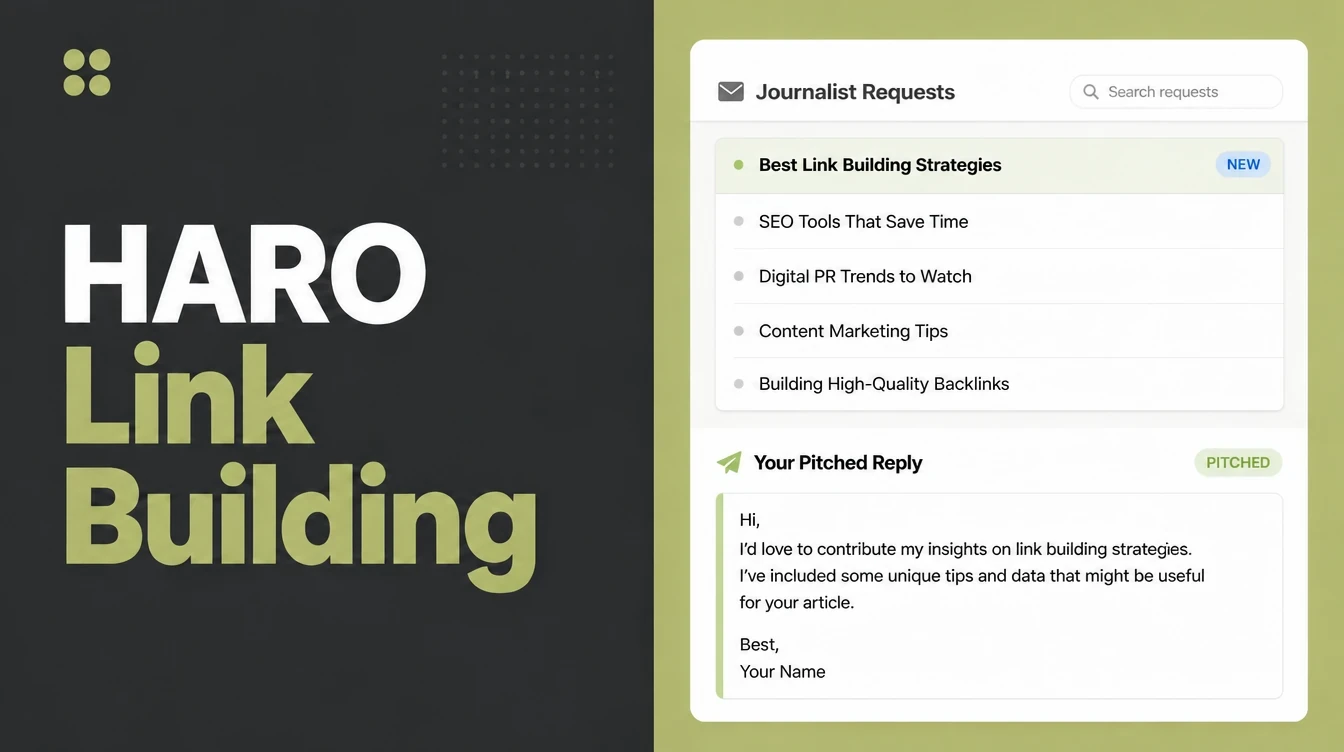
HARO link building means answering a journalist's question and being quoted in their story with a link back to your site. The original service shut down on 9 December 2024, and Featured, Qwoted and Help a B2B Writer now do the same job. Seed Light treats it as a slow channel where most pitches get ignored.
Key takeaways
- The original HARO is gone. It became Connectively and officially shut down on December 9, 2024, before Featured.com bought the brand and relaunched it in April 2025.
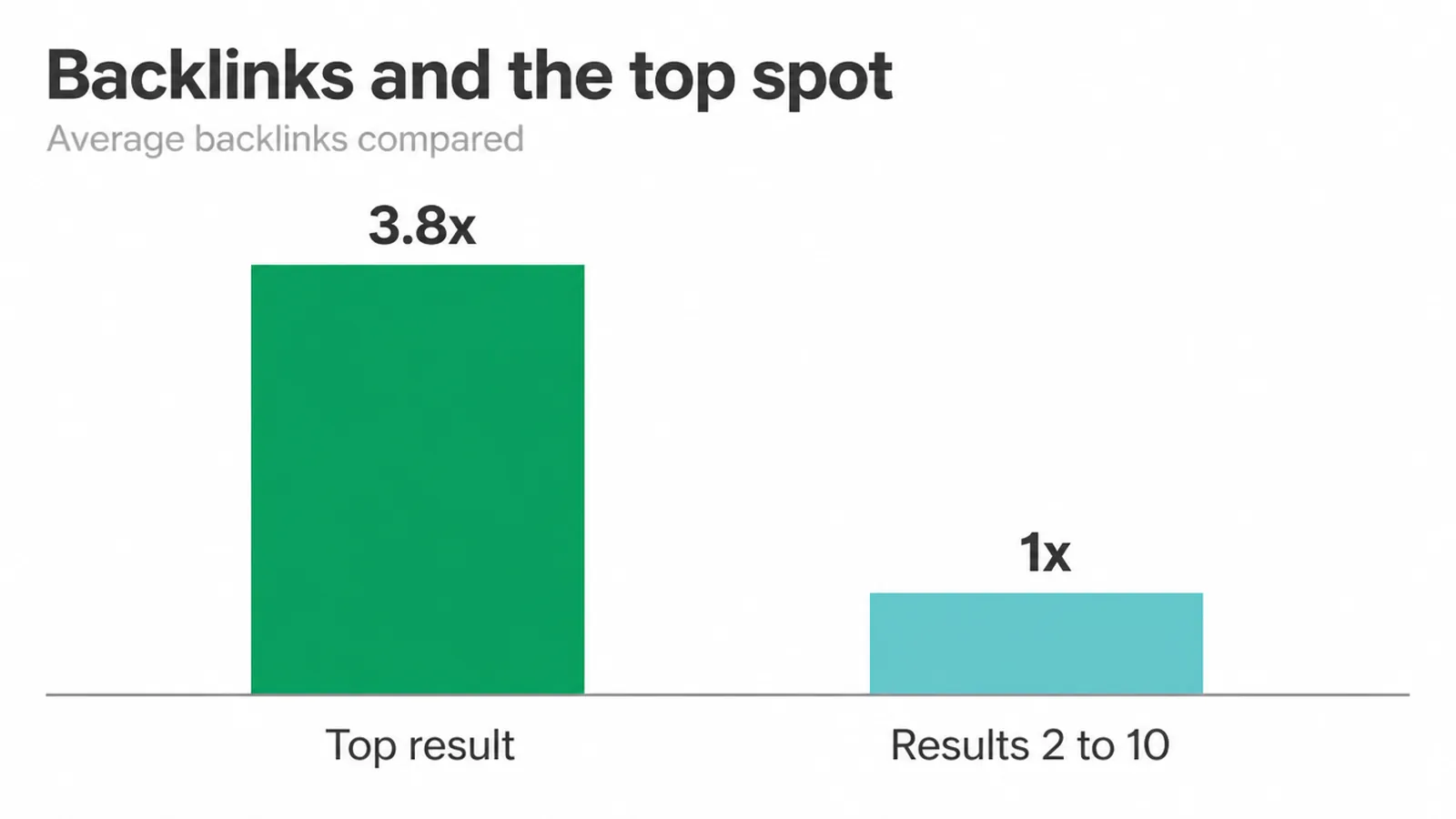
- Press links move rankings. The top Google result has, on average, 3.8 times more backlinks than the pages ranked 2 to 10 (Backlinko, 2020).
- The tactic still works. Live tools like Featured, Qwoted, and Help a B2B Writer do the same job: connect you with journalists looking for sources.
- Fast and relevant wins. Only pitch what you know, answer in the first line, and hand over a quote a reporter can paste in.
- Expect a low hit rate. Most pitches get ignored. Steady effort over weeks is what lands the links.
1. What is HARO link building?
HARO link building means answering a journalist's question and getting quoted in their story with a link back to your website. You give them a useful source. They give you a press link. Simple as that.
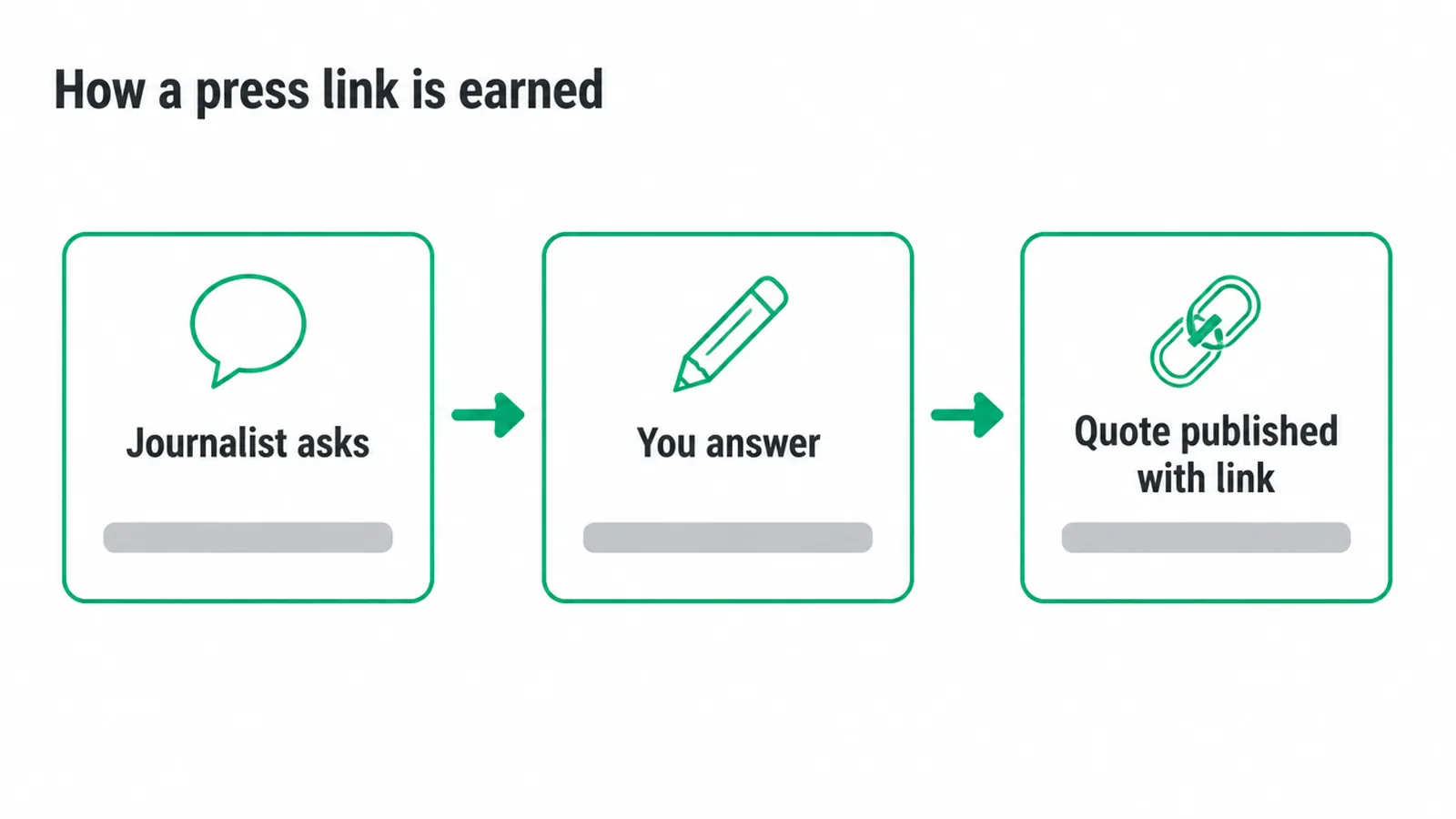
These are editorial links, which means a writer chose to include you. You did not buy them or trade for them. That is why they count.
Backlinks are an important ranking signal (Andrey Lipattsev, 2016), and the pattern shows up in the data: the number one result tends to have far more backlinks than the pages below it.
A quote on a trusted news or industry site is exactly the kind of link search engines reward. It is a core move in any backlink strategy and a steady part of how we run SEO for clients.
2. Is HARO still around?
Not the way you remember it. Help a Reporter Out, the free service most people mean by "HARO," was rebranded as Connectively, and Connectively shut down on December 9, 2024. Its owner retired it in favour of a different paid product.
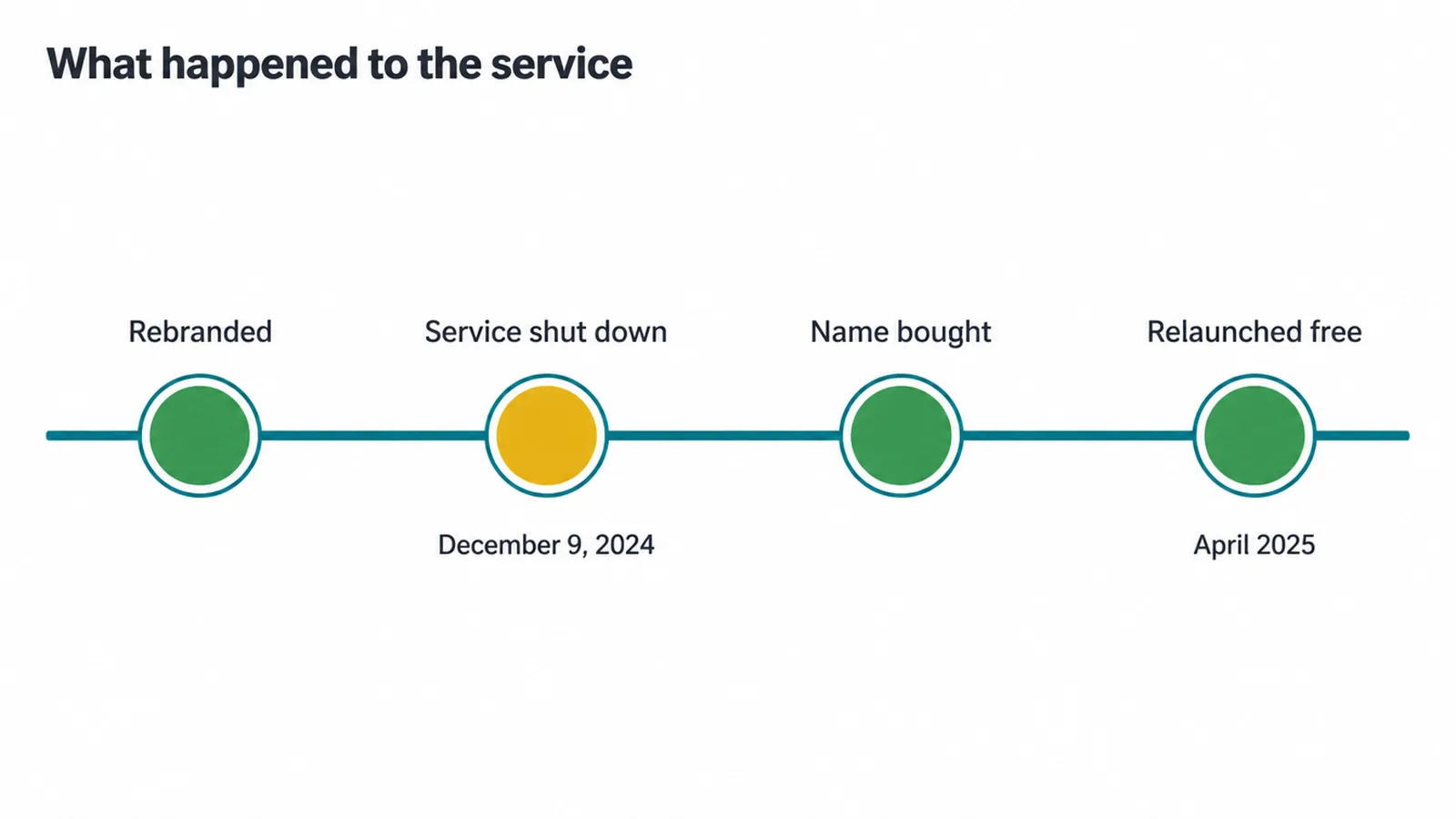
The story did not end there. In April 2025, Featured.com bought the HARO name and brought it back as a free, ad-supported email digest. So "HARO" today is two things at once: a specific relaunched product, and the everyday word people use for journalist-source link building in general.
One warning. Free and relaunched platforms attract a flood of low-effort and AI-written pitches. Journalists have seen it all, so they skim fast and bin anything generic. That makes a sharp, human, relevant answer worth more than ever.
3. The live HARO alternatives that still work
If you want HARO link building today, you use the tools that are actually running. The good news is there are several, and most are free or cheap to start. Each one connects you with writers who need a quote. Pick one or two, set up alerts, and reply to anything that fits your expertise.
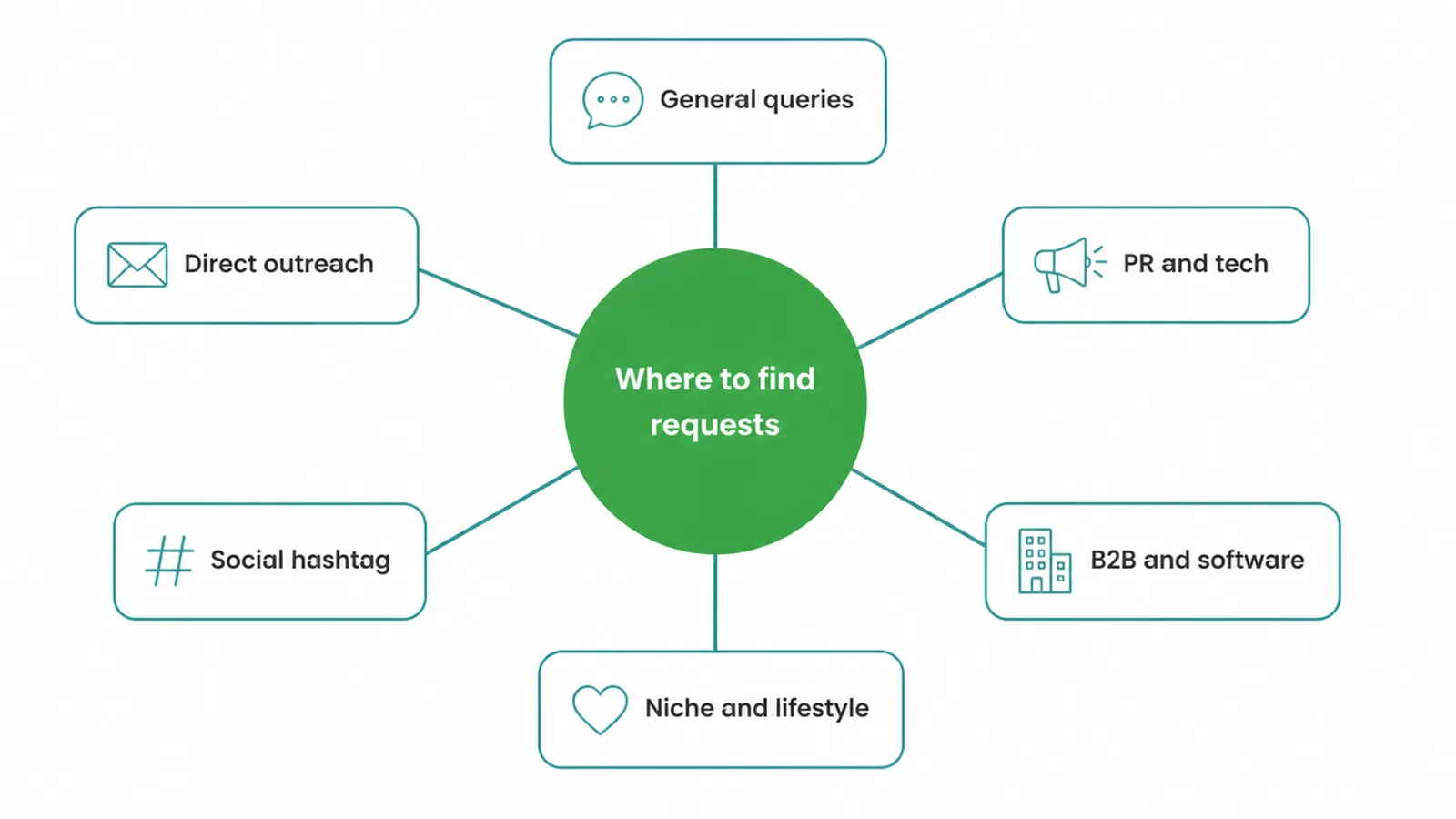
| Platform | Best for | Cost | Format |
|---|---|---|---|
| Featured (the relaunched HARO) | General queries across many topics | Free, ad-supported | Email digest plus web dashboard |
| Qwoted | PR, finance, and tech sources | Free tier, paid upgrades | Web platform with alerts |
| Help a B2B Writer | B2B and software topics | Free | Email digest |
| SourceBottle (now Source of Sources) | Lifestyle, small business, niche topics | Free | Email digest |
| #journorequest hashtag | Real-time, fast-moving requests | Free | Social media search |
| Direct outreach | Targeting specific writers you admire | Free (your time) | Personal email |
Want to go wider? A few free link-building tools help you find prospects and gaps. And do not forget the easy wins close to home: turning unlinked brand mentions into real links is often faster than chasing fresh press.
4. How to write a winning pitch
HARO link building lives or dies on the pitch. A reporter on a deadline has a stack of replies to skim, so yours has to be the easy yes. Here is the shape that works.
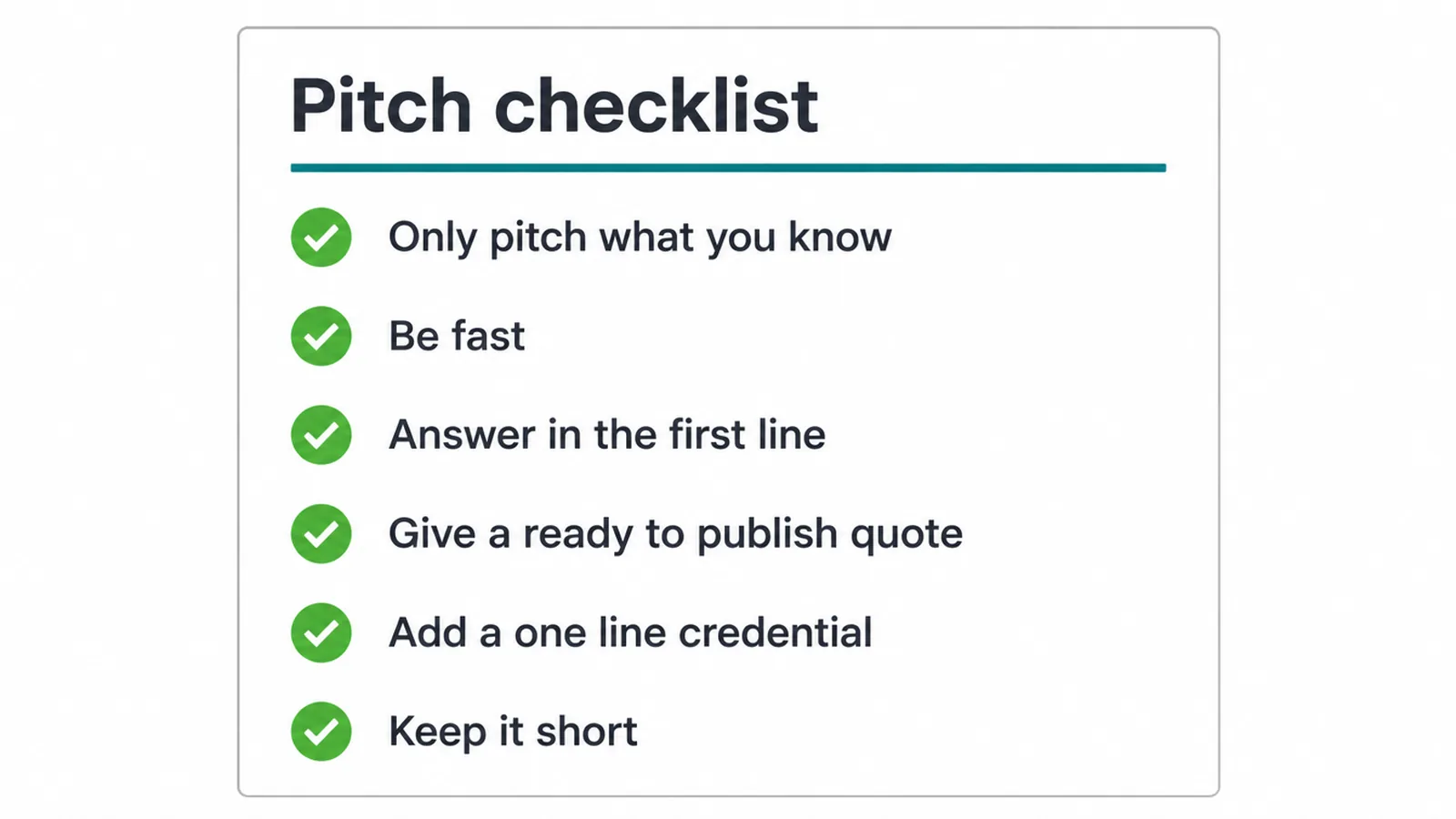
Only pitch what you know. Relevance beats volume every time. A spot-on answer in your lane gets read. A vague answer to a topic you half-understand gets binned.
Be fast. Deadlines are tight. The early, useful reply often wins before the journalist even finishes reading the rest.
Answer in the first line. No throat-clearing. Lead with the point so they see the value in two seconds.
Give a ready-to-publish quote. Write two to four short, human sentences they can paste straight in. Add one specific number or example so it sounds real, not generic.
Add a one-line credential. Say who you are and why you are qualified in a single sentence. That is it.
Keep it short. Then personalise the opening. Emails with a personalised message body get a 32.7% better response rate (Backlinko), and a single follow-up can lift replies by 65.8%. A tiny bit of effort pays off.
5. Realistic expectations
Let us be straight about HARO link building: most of your pitches will get no reply. That is not a sign you are doing it wrong. A low hit rate is normal, even for sharp, relevant answers. Journalists pick one source per question and move on.
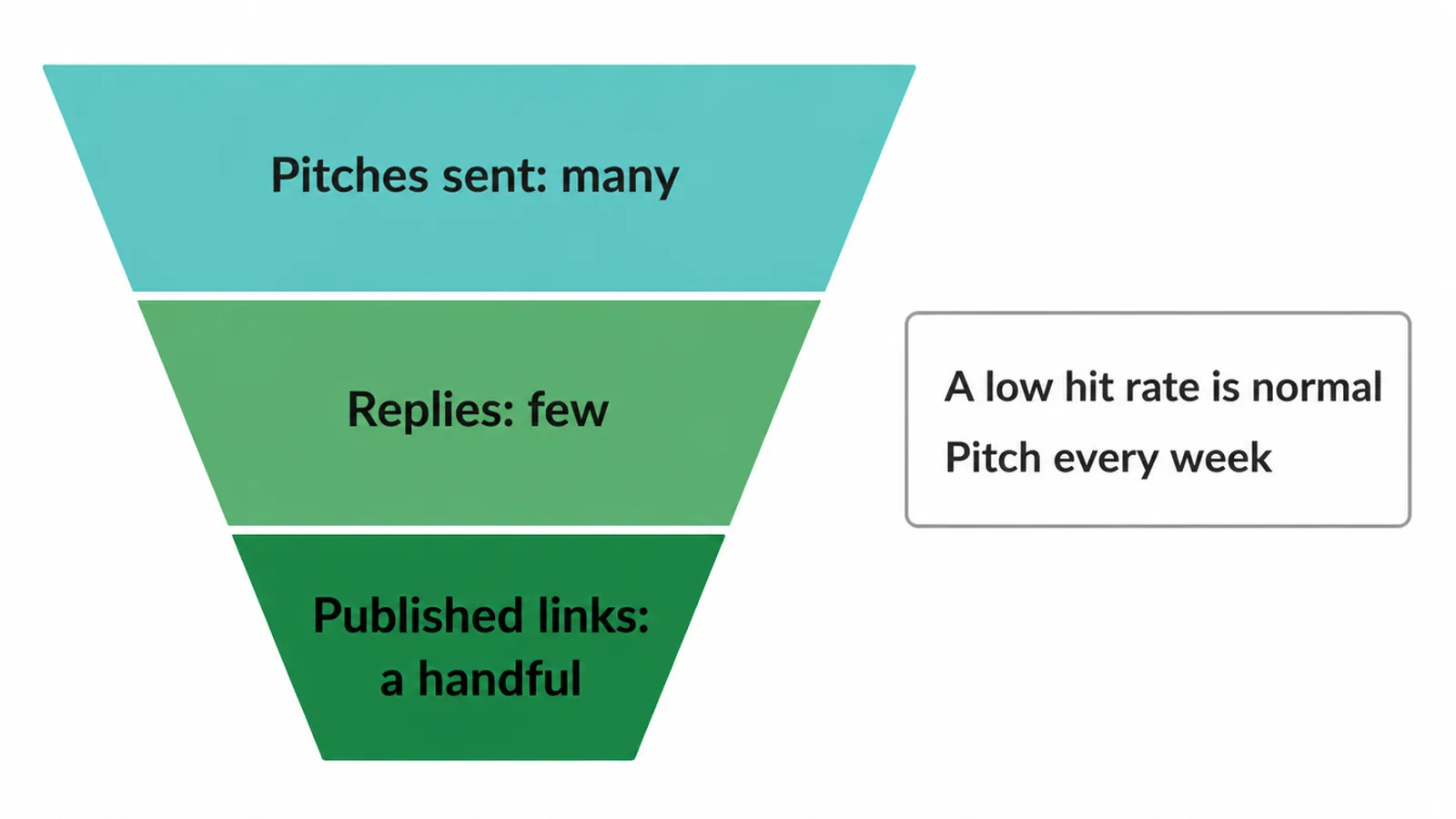
So treat it like a habit, not a lottery ticket. Reply to a few good-fit questions every week. Over weeks and months, a handful turn into published quotes.
And here is the quiet bonus: one published quote on a respected site becomes proof you can point to in your next round of outreach. It builds on itself. We never promise a fixed number of links from this, because nobody honestly can.
6. Why these press links are worth the effort
HARO link building earns links from high-authority press and industry sites, the kind that are hard to get any other way. A writer chose to quote you, so the link carries editorial trust. That trust is the whole point.
It also does double duty. You get a brand mention in front of a new audience, plus the ranking value that comes with a strong editorial link.
Since backlinks are an important ranking signal and top results tend to have 3.8 times more backlinks than their rivals, a few good press links can shift where you sit on the page.
If you want a hand fitting this into a bigger plan, here is how the whole backlink picture fits together, and you can always talk to us about doing it for you.
7. Doing it yourself or hiring help
HARO link building is one of the few link tactics you can do yourself for free. All it costs is your time and your know-how. If you have a real area of expertise and twenty minutes a few times a week, start now and keep at it.
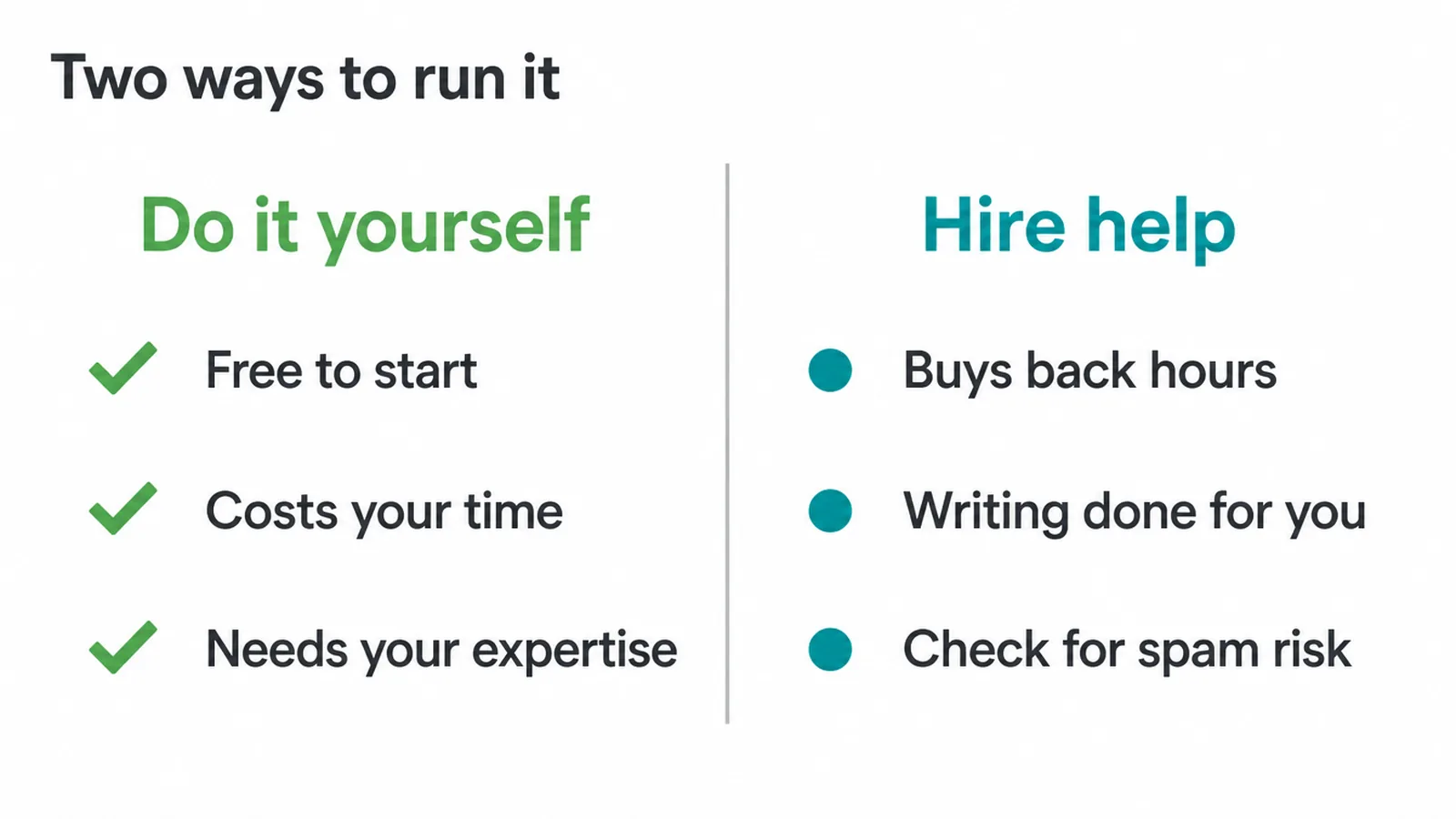
That said, the time adds up, and the writing has to be good. If you would rather buy back those hours, there are options.
We weigh up whether paid link-building services are worth it honestly, with the risks spelled out, because some of them sell spam that hurts more than it helps. Pick the path that fits your time, your budget, and how comfortable you are pitching.
Frequently asked questions
1. What is HARO link building?
HARO link building means answering a journalist's question and getting quoted in their article with a link back to your site. The journalist earns a useful source, and you earn an editorial link on a news or industry site. These links are earned, not bought, so they tend to carry real weight.
2. Is HARO still around?
The original HARO no longer runs as it once did. It became Connectively and shut down on December 9, 2024. In April 2025, Featured.com bought the HARO brand and relaunched it as a free, ad-supported email digest. So HARO today is partly a product and partly the everyday name people use for the whole tactic.
3. Is HARO the same as Connectively?
HARO and Connectively are linked. HARO was rebranded as Connectively, and Connectively is the version that shut down at the end of 2024. The HARO name was later bought by Featured.com and brought back. So the name has changed hands more than once, which is why guides about it can feel out of date.
4. What replaced HARO?
Several services do the same job. Featured (the relaunched HARO), Qwoted, Help a B2B Writer, and SourceBottle (now Source of Sources) all connect sources with journalists. You can also follow the journorequest hashtag on social media or reach out to writers directly. Most small businesses use a mix.
5. Are HARO backlinks worth it?
HARO backlinks can be very valuable when they land. A quote on a trusted news or industry site is an editorial link, which search engines treat as a genuine vote. You also get a brand mention and a credibility marker. The catch is that many pitches are ignored, so value comes from steady effort.
6. How do I write a good pitch?
Only answer questions you truly know. Be fast. Answer in the first line. Give a ready-to-publish quote of a few short, human sentences, with one specific example or number. Add a one-line note on why you are qualified. Keep it short. A reporter on a deadline wants a clean quote they can paste in, not a sales pitch.
7. How long does it take to get a link?
There is no set time. You might get quoted in a week or wait much longer. Most pitches get no reply, so a low hit rate is normal. The trick is consistency. Pitch relevant questions every week, and over time a few will turn into published quotes and links.
8. Is Featured (the new HARO) free?
The relaunched HARO from Featured.com runs on a free, ad-supported email digest model. Free and relaunched platforms tend to attract a flood of low-effort and AI-written pitches, so journalists are pickier than ever. A sharp, relevant, ready-to-use answer matters more than the platform you send it from.